

Getting around Paris: metros, taxis and passes
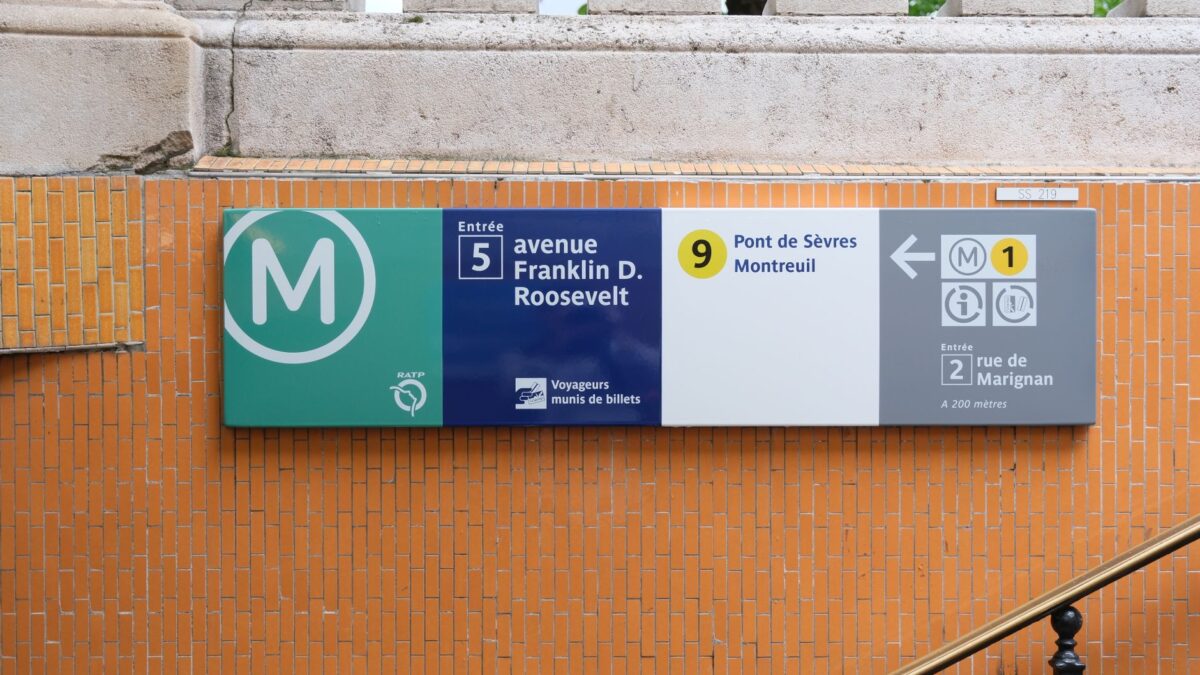
The Paris Metro doesn’t just move you; it hums beneath your feet, a subterranean artery that has pumped the city’s lifeblood for over a century. If you’ve ever stood on a platform at Châtelet, watching the rush hour tide surge through the tunnels, you know that mastering this system is less about logistics and more about rhythm. As September settles in, bringing crisp evenings to replace the August lull, the city is snapping back to life with renewed energy. Whether you’re navigating toward the Impressionist treasures of Musée d’Orsay or hunting for the best falafel in Le Marais, knowing how locals actually get around will save you time, money, and sanity.
The Daily Commute: Navigating the RATP Network
For most residents, the Métro is the undisputed king of transport. It is dense, efficient, and covers every arrondissement from Montmartre’s hilltop village feel to the multicultural streets of Belleville. The system is operated by RATP, and while the maps can look like tangled yarn, the logic is straightforward: odd-numbered lines radiate outward, even-numbered ones cut across horizontally.
A single ticket, known as a t+ ticket, costs around €2.55 as of early 2026. This gets you one ride on the metro, bus, or RER within central Paris, and allows transfers between metro lines but not out of the station. However, buying these individually adds up fast. A coffee at Café de Flore runs about €3–€4, so a round trip on the metro nearly matches that cost. For anyone staying longer than a few days, the Navigo Découverte card is essential. You buy the physical plastic card for €5 and need a passport-sized photo to load it. From there, you can choose between weekly or monthly passes. The monthly pass for all zones (zones 1-5) is roughly €90.80, which offers incredible value if you are exploring beyond the center to La Défense or Versailles. You can load these passes directly onto the Bonjour RATP app or at any station machine.
Beyond the Metro: Trains, Buses, and Taxis
Sometimes the metro isn’t enough. The RER trains are faster for longer distances, connecting the airport (CDG/Orly) and suburbs to the center, but be wary of pickpockets during peak hours, especially around Gare du Nord and major hubs like Châtelet-Les Halles. If you are heading to Parc des Buttes-Chaumont or the hilly edges of the 19th arrondissement, buses offer a scenic alternative. They are slower due to traffic, but they let you see the city’s architecture without being underground.
When rain pours down or you are carrying heavy shopping bags from Marché des Enfants Rouges, taxis and ride-hailing apps step in. Traditional taxis can be hailed on the street if their roof light is green, though finding one in the center during rush hour is a sport in itself. Ride-hailing services like Uber and Bolt are ubiquitous and often cheaper than black cabs for short trips. A night out in Oberkampf or Bastille might end with a quick ride home costing around €10–€15 depending on demand. While expensive compared to public transit, they provide safety and convenience late at night when the last metro is approaching its final departure.
When Walking Beats All: The City of Short Distances
Paris was designed for pedestrians long before cars became dominant. In many neighborhoods, walking is not just an option; it is the superior way to experience the city. The average Parisian apartment is small, and daily errands are often within a five-minute walk. This is why you will see locals grabbing a fresh baguette for €1.30 or a jambon-beurre sandwich for €4–€5 from a corner bakery (boulangerie) rather than driving anywhere.
Take the Seine banks, for example. During summer, these become Paris Plages with pop-up beaches, but in September, they are perfect for strolling. You can walk from the Louvre to Notre-Dame de Paris along the river in under twenty minutes, passing the Île Saint-Louis where you can grab ice cream. In Le Marais, the streets are narrow and pedestrian-friendly, making it easy to wander from Place des Vosges to the historic Jewish quarter along Rue des Rosiers. Even in the 13th arrondissement, the cobblestone villages of Butte-aux-Cailles invite slow exploration, far removed from the subway noise.
Walking also connects you to the city’s natural wildlife. Grey herons, swans, and coots regularly spot along the Canal Saint-Martin and the Seine. Red foxes, though elusive, are known to roam the green spaces and cemeteries like Père-Lachaise at night. By moving on foot, you slow down enough to notice these details, transforming a simple commute into a discovery.
Practical Tips for the Modern Traveler
Before you dive into the metro maps, a few practicalities matter. Ensure you have the correct visa status; tourists from the US, UK, Canada, and Australia enter visa-free for 90 days in any 180-day period. Keep in mind that the EU’s ETIAS authorization has been postponed, so check current rules before travel. If you plan to stay longer, remember that long-stay visas require online validation via the OFII portal within three months of arrival.
For banking, opening an account requires proof of address and income. Many expats use no-fee online banks like BoursoBank or Fortuneo, which provide the necessary RIB slips for rent and utilities. Mobile connectivity is vital for navigation; main networks include Orange, SFR, Bouygues Telecom, and Free Mobile. Free’s budget 5G plan is famous, but prepaid options like Lycamobile work well for short stays.
Safety is generally good, but stay alert. Pickpocketing is the primary annoyance, particularly on crowded metro lines and near tourist sites like the Eiffel Tower and Louvre. Keep your valuables secure and be cautious at night around Gare du Nord and parts of the 18th, 19th, and 20th arrondissements. In case of emergency, dial 112.
As the cultural calendar snaps back to life with events like Festival Silhouette in Parc de la Butte-du-Chapeau-Rouge and Jazz à la Villette, having a reliable transport strategy lets you focus on the art, the food, and the people. Paris rewards those who move through it with intention, whether that means sprinting to catch Line 4 or meandering along the canal quays at Chez Prune. Embrace the pace, and the city will open up to you.
Frequently asked questions
How much does a single metro ticket cost in Paris in 2026?
A single t+ metro ticket costs approximately €2.55, valid for one journey including transfers between metro lines.
What is the best transit pass for tourists visiting Paris?
The Navigo Découverte card is ideal for visitors. You pay €5 for the card plus a passport photo, then load a weekly or monthly pass. The monthly pass for all zones is around €90.80.
Is it safe to use the Paris Metro at night?
Yes, it is generally safe, but remain vigilant against pickpockets, especially around major hubs like Châtelet and Gare du Nord. Emergency number is 112.
Do I need a visa to visit Paris for tourism?
Tourists from the US, UK, Canada, and Australia do not need a visa for stays under 90 days in any 180-day period. Always check for updates on ETIAS requirements.
Things to do in France
 Family Friendly Louvre Museum Private Guided Tour
 Private guided American D-Day Tour from Bayeux
 Scandola & Girolata: The Must-see Excursion EN Corsica
 Louvre Evening Tour Semi Private 6ppl Max BEST Avoid The Crowds
 The Essential Louvre Masterpieces Tour - Limited to Six Guests
 Likely to sell out
Paris Highlights: Half Day Private Walking Tour
Likely to sell out
Paris Highlights: Half Day Private Walking Tour