


France Travel Podcast with Camille Laurent
Hosted by Camille Laurent — a new episode every day from France.
Travelling in France means moving between deeply different worlds: Atlantic river valleys, Alpine passes, Mediterranean coastline and northern plains, all within one large Western European nation. This show treats that variety as something to live in, not just pass through. It follows a single host settling into one place at a time and learning how France actually works.
The host’s range stretches from Paris and Lyon to smaller landscapes that rarely make postcards: the Charente valley, the Cévennes, and the northern plains around Lille. Each setting is chosen for what it can teach about the wider country, from the Rhône’s southward course to the Atlantic-bound rivers of the west and north.
The show unfolds over more than a single trip. It returns to the same places in different seasons, watches the mistral arrive in the Rhône valley, and follows the host as she moves from one connected region to the next. Knowing somewhere properly takes time; the episodes are built around that patience.
Recent episodes
Things to do in France
 Family Friendly Louvre Museum Private Guided Tour
 Private guided American D-Day Tour from Bayeux
 Scandola & Girolata: The Must-see Excursion EN Corsica
 Louvre Evening Tour Semi Private 6ppl Max BEST Avoid The Crowds
 The Essential Louvre Masterpieces Tour - Limited to Six Guests
 Likely to sell out
Paris Highlights: Half Day Private Walking Tour
Likely to sell out
Paris Highlights: Half Day Private Walking Tour
 Hot Air Balloon Flight over the castle of Chenonceau / France
 Private Luxury Boat Tour on an Exclusive Day-Cruiser Nice/Monaco
Plan your trip to France
Getting around
Staying connected
France at a glance
France in depth
Reference data on the country — geography, people, history, economy and transport.
Geography and climate
Location
Metropolitan France: Western Europe, bordering the Bay of Biscay and English Channel, between Belgium and Spain, southeast of the UK; bordering the Mediterranean Sea, between Italy and Spain
French Guiana: Northern South America, bordering the North Atlantic Ocean, between Brazil and Suriname
Guadeloupe: Caribbean, islands between the Caribbean Sea and the North Atlantic Ocean, southeast of Puerto Rico
Martinique: Caribbean, island between the Caribbean Sea and North Atlantic Ocean, north of Trinidad and Tobago
Mayotte: Southern Indian Ocean, island in the Mozambique Channel, about halfway between northern Madagascar and northern Mozambique
Reunion: Southern Africa, island in the Indian Ocean, east of Madagascar
Terrain
Metropolitan France: mostly flat plains or gently rolling hills in north and west; remainder is mountainous, especially Pyrenees in south, Alps in east
French Guiana: low-lying coastal plains rising to hills and small mountains
Guadeloupe: Basse-Terre is volcanic in origin with interior mountains; Grande-Terre is low limestone formation; most of the seven other islands are volcanic in origin
Martinique: mountainous with indented coastline; dormant volcano
Mayotte: generally undulating, with deep ravines and ancient volcanic peaks
Reunion: mostly rugged and mountainous; fertile lowlands along coast
Climate
Metropolitan France: generally cool winters and mild summers, but mild winters and hot summers along the Mediterranean; occasional strong, cold, dry, north-to-northwesterly wind known as the mistral
Elevation
- Highest point
- Mont Blanc 4,810
- Lowest point
- Rhone River delta -2 m
- Mean elevation
- 375 m
Area
- Total
- 643,801 sq km ; 551,500 sq km (metropolitan France)
- Land
- 640,427 sq km ; 549,970 sq km (metropolitan France)
- Water
- 3,374 sq km ; 1,530 sq km (metropolitan France)
Size comparison
Slightly more than four times the size of Georgia; slightly less than the size of Texas
Coastline
4,853 km
Land borders
- Total
- 3,956 km
- Border countries
- Andorra 55 km; Belgium 556 km; Germany 418 km; Italy 476 km; Luxembourg 69 km; Monaco 6 km; Spain 646 km; Switzerland 525 km
- Metropolitan France - total
- 2751 km
- French Guiana - total
- 1205 km
Natural resources
Metropolitan France: coal, iron ore, bauxite, zinc, uranium, antimony, arsenic, potash, feldspar, fluorspar, gypsum, timber, arable land, fish; French Guiana: gold deposits, petroleum, kaolin, niobium, tantalum, clay
Land use
- Agricultural land
- 52.5% (2023 est.)
- Arable land
- 31.4% (2023 est.)
- Permanent crops
- 1.9% (2023 est.)
- Permanent pasture
- 19.2% (2023 est.)
- Forest
- 32.7% (2023 est.)
- Other
- 15% (2023 est.)
Natural hazards
- Metropolitan France
- Flooding; avalanches; midwinter windstorms; drought; forest fires in south
- Overseas departments
- Hurricanes (cyclones); flooding
- Volcanism
- Montagne Pelée (1,394 m) on the island of Martinique in the Caribbean is the most active volcano of the Lesser Antilles arc, although it last erupted in 1932; a catastrophic eruption in 1902 destroyed the city of St. Pierre, killing an estimated 30,000 people; La Soufrière (1,467 m) on the island of Guadeloupe has also had explosive eruptions in recent years
Note
Largest Western European nation; most major French rivers -- the Meuse, Seine, Loire, Charente, Dordogne, and Garonne -- flow northward or westward into the Atlantic Ocean, only the Rhone flows southward into the Mediterranean Sea
People and society
Population
- Total
- 68,512,806 (2025 est.)
- Male
- 33,627,639
- Female
- 34,885,167
Nationality
- Noun
- Frenchman(men), Frenchwoman(women)
- Adjective
- French
Ethnic groups
Celtic and Latin with Teutonic, Slavic, North African (Algerian, Moroccan, Tunisian), Indochinese, Basque minorities
Languages
- Languages
- French (official) 100%, declining regional dialects and languages (Provençal, Breton, Alsatian, Corsican, Catalan, Basque, Flemish, Occitan, Picard)
- Major-language sample(s)
- The World Factbook, une source indispensable d'informations de base. (French)
Religions
Roman Catholic 47%, Muslim 4%, Protestant 2%, Buddhist 2%, Orthodox 1%, Jewish 1%, other 1%, none 33%, unspecified 9% (2021 est.)
Median age
- Total
- 42.7 years (2025 est.)
- Male
- 41 years
- Female
- 44.2 years
Life expectancy
- Total population
- 82.6 years (2024 est.)
- Male
- 79.8 years
- Female
- 85.5 years
Urbanisation
- Urban population
- 81.8% of total population (2023)
- Rate of urbanization
- 0.67% annual rate of change (2020-25 est.)
Where people live
Much of the population is concentrated in the north and southeast; although there are many urban agglomerations throughout the country, Paris is by far the largest city, with Lyon ranked a distant second
Largest cities
11.208 million PARIS (capital), 1.761 million Lyon, 1.628 million Marseille-Aix-en-Provence, 1.079 million Lille, 1.060 million Toulouse, 1.000 million Bordeaux (2023)
Background and government
Background
France today is one of the most modern countries in the world and is a leader among European nations. It plays an influential global role as a permanent member of the United Nations Security Council, NATO, the G-7, the G-20, the EU, and other multilateral organizations. France rejoined NATO's integrated military command structure in 2009, reversing then President Charles DE GAULLE's 1966 decision to withdraw French forces from NATO. Since 1958, it has constructed a hybrid presidential-parliamentary governing system resistant to the instabilities experienced in earlier, more purely parliamentary administrations. In recent decades, its reconciliation and cooperation with Germany have proved central to the economic integration of Europe, including the introduction of a common currency, the euro, in January 1999. In the early 21st century, five French overseas entities -- French Guiana, Guadeloupe, Martinique, Mayotte, and Reunion -- became French regions and were made part of France proper.
Government
Semi-presidential republic
Capital
Paris
Time zone
UTC+1 (6 hours ahead of Washington, DC, during Standard Time)
Local name
République française
Independence
No official date of independence: 486 (Frankish tribes unified under Merovingian kingship); 10 August 843 (Western Francia established from the division of the Carolingian Empire); 14 July 1789 (French monarchy overthrown); 22 September 1792 (First French Republic established); 4 October 1958 (Fifth French Republic established)
National day
Fête de la Fédération, 14 July (1790)
Economy and cost of living
Overview
High-income, advanced EU economy and eurozone member; strong tourism, aircraft manufacturing, pharmaceuticals, and industrial sectors; high public debt; ongoing pension reform efforts; transitioning to a green economy via "France 2030" strategy
GDP per capita
- Real GDP per capita 2024
- $54,500 (2024 est.)
- Real GDP per capita 2023
- $54,000 (2023 est.)
- Real GDP per capita 2022
- $53,700 (2022 est.)
Inflation
- Inflation rate (consumer prices) 2024
- 2% (2024 est.)
- Inflation rate (consumer prices) 2023
- 4.9% (2023 est.)
- Inflation rate (consumer prices) 2022
- 5.2% (2022 est.)
Unemployment
- Unemployment rate 2024
- 7.4% (2024 est.)
- Unemployment rate 2023
- 7.4% (2023 est.)
- Unemployment rate 2022
- 7.4% (2022 est.)
Exchange rate
- Currency
- Euros (EUR) per US dollar -
- Exchange rates 2024
- 0.924 (2024 est.)
- Exchange rates 2023
- 0.925 (2023 est.)
- Exchange rates 2022
- 0.95 (2022 est.)
- Exchange rates 2021
- 0.845 (2021 est.)
- Exchange rates 2020
- 0.876 (2020 est.)
Main industries
Machinery, chemicals, automobiles, metallurgy, aircraft, electronics, textiles, food processing, tourism
Agriculture
Wheat, sugar beets, milk, maize, barley, potatoes, grapes, rapeseed, pork, sunflower seeds (2023)
Transport and connectivity
Airports
1,218 (2025)
Railways
- Total
- 27,860 km (2020) 16,660 km electrified
- Narrow gauge
- -5 km
Ports
- Total ports
- 66 (2024)
- Large
- 6
- Medium
- 12
- Small
- 22
- Very small
- 26
- Ports with oil terminals
- 31
- Key ports
- Bayonne, Bordeaux, Boulogne-sur-Mer, Dunkerque Port Est, Dunkerque Port Ouest, La Pallice, La Rochelle, Les Sables d'Olonne, Lorient, Montoir, Nantes, Le Havre, Rouen, Rade de Brest, Rade de Cherbourg, Rochefort, St. Nazaire, Toulon
Internet domain
Metropolitan France - .fr; French Guiana - .gf; Guadeloupe - .gp; Martinique - .mq; Mayotte - .yt; Reunion - .re
Internet users
Percent of population 87% (2023 est.)
Mobile subscriptions
- Total subscriptions
- 77.5 million (2023 est.)
- Subscriptions per 100 inhabitants
- 117 (2023 est.)
Environment
Environmental issues
Air pollution and acid rain from industrial and vehicle emissions; water pollution from urban wastes, agricultural runoff
Fresh water
211 billion cubic meters (2022 est.)
UNESCO Global Geoparks
- Total global geoparks and regional networks
- 9 (2024)
- Global geoparks and regional networks
- Armorique; Beaujolais; Causses du Quersey; Chablais; Haute-Provence; Luberon; Massif des Bauges; Monts d'Ardèche; Normandie-Maine (2024)
Country reference figures are periodically revised. Check anything time-sensitive or safety-critical against an official source before you travel.
France travel guides
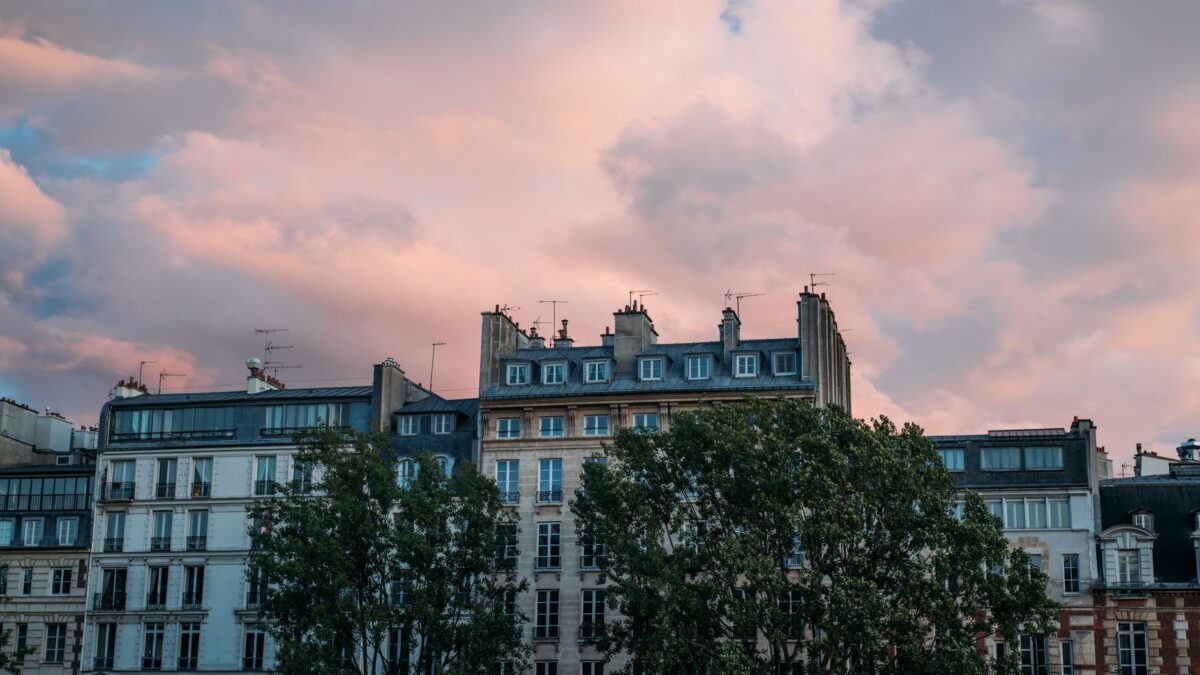 Costs & Money
How much does a trip to France cost?
Realistic budget breakdown for Paris 2026: accommodation, food, transport & attractions. Daily costs for budget, mid-range & comfortable travel in EUR.
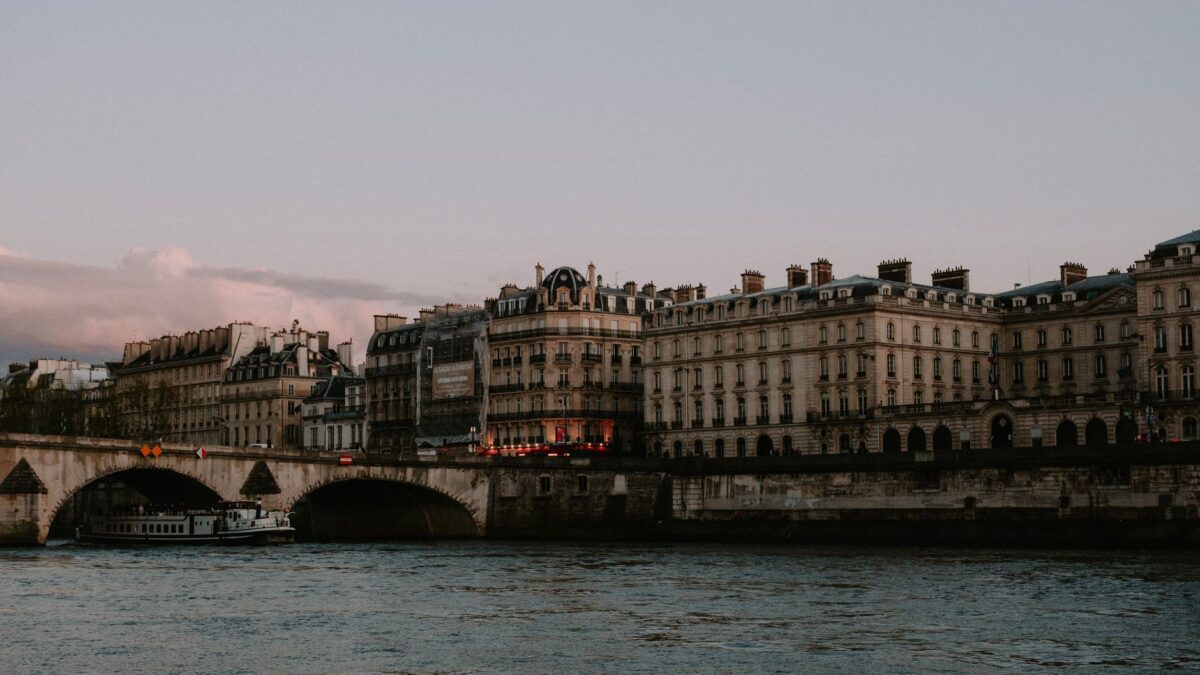 News & Updates
France in September 2026: what travelers should know now
France travel update for September 2026: weather, festivals, transit changes, and local tips for Paris right now.
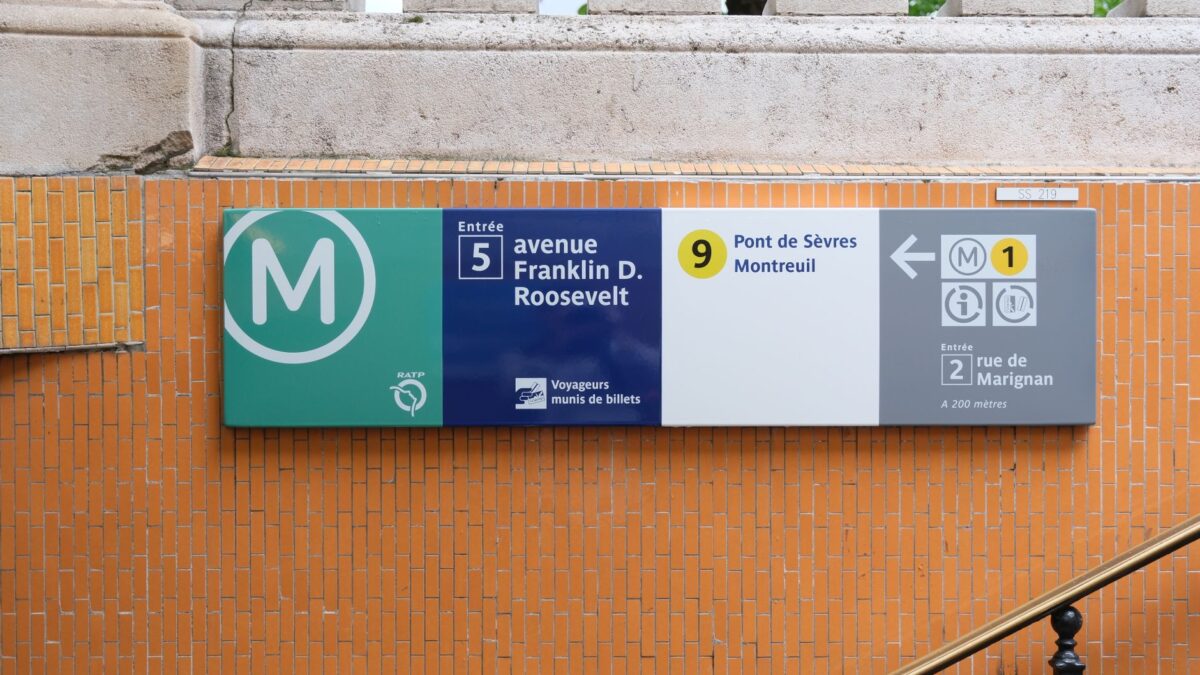 Getting Around
Getting around Paris: metros, taxis and passes
Master Paris transport like a local. Learn about metro fares, Navigo passes, taxi tips, and why walking is often the best way to explore…
 News & Updates
France in August 2026: what travelers should know now
Paris in August 2026: mild weather, fewer crowds, reopened Notre-Dame, and 2026 transit fares. What to pack, what's open, and local tips.
Western Europe
 Germany
Germany Travel Podcast with Lena Brandt
The Elbe flows northward through German lowlands and uplands before reaching the North Sea, shaping trade and weather along its course.
 Austria
Austria Travel Podcast with Felix Gruber
This podcast follows one resident's slow journey through Austria, from Vienna's eastern lowlands to the Alpine passes and Danube-side valleys that shape…
 Netherlands
Netherlands Travel Podcast with Sanne de Vries
The Randstad, anchored by Amsterdam, Rotterdam, The Hague and Utrecht, holds most of the country's population, while the north remains less densely…
 Switzerland
Switzerland Travel Podcast with Elena Vogt
The Alps in the south and the Jura in the northwest frame a central plateau of rolling hills, plains and large lakes.