

Greece in September 2026: what travelers should know now
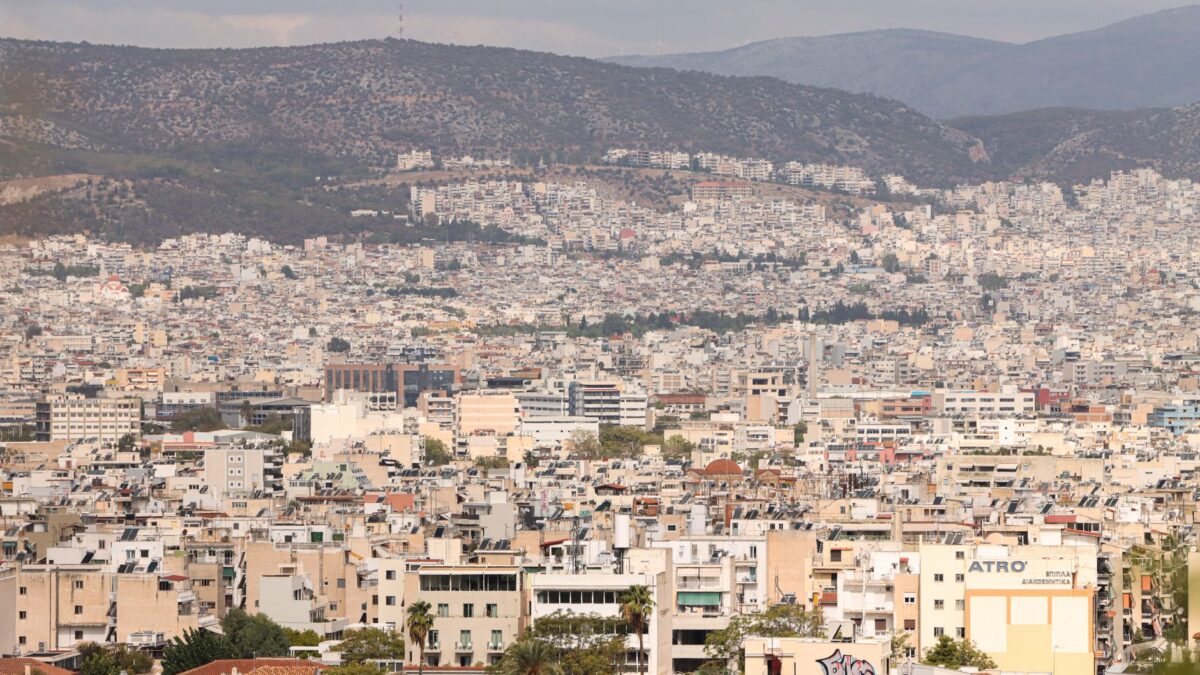
There is a specific magic to Athens in early September. The suffocating heat of August breaks, the frantic pace of the tourist rush slows just enough for you to breathe, and the city exhales as locals return from their island holidays. As of today, September 3, 2026, the air is thick with that transitional humidity—overcast skies hovering between 25°C and 33°C—but the light has changed. It’s softer, golden rather than harsh white. This is not the time for a checklist; it is the time to immerse yourself in the rhythm of a city that is waking up again.
The Seasonal Shift: Weather and Packing
You might be expecting the blistering sun of July, but don’t pack for it. The current forecast shows overcast conditions with light breezes, making the temperature feel manageable but damp. Pack layers. A light jacket or cardigan is essential for evenings when the temperature drops, especially if you are dining outdoors in Psyrri or Kolonaki. While the sea is still warm enough for swimming in the Saronic Gulf, the urban environment demands flexibility. You will find that mornings are crisp, perfect for walking the steep streets of Plaka or Anafiotika, while afternoons can bring sudden, brief cloud cover without necessarily raining. This weather pattern means your itinerary should be fluid—museum visits in the midday heat, outdoor cafés in the late afternoon.
Events Closures and Cultural Kickoff
September is officially the start of the cultural season, but there are logistical quirks you need to know before you book tickets. First, a heads-up on logistics: the Benaki Museum’s Pireos 138 annex remains fully closed until October 8. If you had planned an exhibition there, you will find the doors shut, so redirect your plans to the main Akadimias building or other galleries in Pangrati.
On the brighter side, the city is coming alive with events. Starting tomorrow, September 4, the 54th Athens Book Festival transforms Pedion tou Areos park. For two weeks, this large green space becomes a labyrinth of 285 stands from 210 publishers. It is free to enter, and the atmosphere shifts dramatically—the park, usually quiet, buzzes with authors, readers, and the smell of coffee. It is a fantastic way to spend a Saturday morning or a relaxed Sunday afternoon.
Simultaneously, ticket sales for the City of Athens’ Kolonou Festival open today. Running from September 10 to 30 at the open-air Kolonou Theater, expect performances starting from €5. This is the kind of accessible, local culture that defines the month. Keep an eye on the schedule once tickets go live online; these venues fill up quickly as the autumn program ramps up.
Transport Hiccups and Practical Moves
Public transport in Athens is undergoing its final phase of upgrades, which means some disruption if you are relying on the metro. The final section of the rail-replacement project between Monastiraki and Kerameikos is active right now. You should expect weekend and night closures on this stretch, along with significant noise. If you are staying near Monastiraki, plan your airport transfers accordingly. The metro fare to/from the airport is a flat €9, and during disruptions, taxis become more viable despite the €40 flat rate for day trips to the city centre.
Additionally, frequencies are currently reduced. We are still on the summer timetable, with trains and trams running every 5–12 minutes. However, starting September 7, tram services on the coastal line will increase in frequency under a new schedule. This is a visible improvement for anyone heading to Glyfada or Vouliagmeni. For daily movement within the city, the ATH.ENA GO app is your best friend. You can tap your contactless bank card directly at the gates, capping your daily spend at around €4.10. Remember, validation is mandatory; failing to do so carries a fine of €72, and inspectors are active even now.
Crowds, Costs, and Where to Go
Is September expensive? Not really, compared to July or August. While rents in central neighborhoods like Koukaki or Exarchia have risen sharply (a modest one-bedroom now costs between €650 and €900 monthly), visitor prices remain stable. A single metro/bus/tram ticket is about €1.20, and a mid-range restaurant meal runs €15–25 per person. You can still grab a gyros wrap for €3–4.50 or a cappuccino for €3–4. The Acropolis admission is still at the summer full price of €30, but the crowds are thinner. You will find it easier to access the Parthenon frieze at the Acropolis Museum without the August crush.
For accommodation, look beyond the postcard-perfect Plaka. Koukaki offers a quieter residential vibe with indie cafés and easy access to the Acropolis Museum. Exarchia provides a gritty, artistic edge with its street art and National Archaeological Museum, while Pangrati is where the foodies go, centered around Plateia Varnava. If you want upscale luxury, Kolonaki on the slopes of Lycabettus Hill offers designer boutiques and the best café terraces, though prices reflect the status.
Right Now: A Local’s Advice
If you arrive this week, start at Varvakeios Central Market. It is atmospheric, loud, and real. Grab a souvlaki and drink combo for €8–12 and watch the city wake up. Then, walk to the Ancient Agora. The light here is exceptional in September. Avoid Omonia after dark; it feels edgy and unsafe. Stick to the well-lit paths of Lycabettus Hill or the National Garden behind the Parliament for evening strolls.
Finally, check your visa status. Greece is in the Schengen Area, allowing visa-free stays of 90 days for many nationals. The ETIAS authorization is expected around 2026–27, so verify if you need to apply before you fly. If you are staying longer, get your AFM (tax number) immediately via AADE/gov.gr. Banks like Alpha Bank and Eurobank are generally smoother for expats, requiring only your passport and proof of address. And remember, if you buy a prepaid SIM from Cosmote or Vodafone, register it with your ID at the store—Greek law is strict on this.
Athens in September is not a spectacle; it is a conversation. Listen to it, and you will find the city more welcoming than ever.
Frequently asked questions
Is the Benaki Museum Pireos 138 annex open in September 2026?
No, it remains fully closed from July 30 until October 8, 2026. Plan your visit to the main Akadimias building instead.
Are there any major public transport disruptions in Athens this month?
Yes, the final section of the rail-replacement project between Monastiraki and Kerameikos is active, causing weekend/night closures and noise. Summer frequencies also persist until early September.
What cultural events are happening in Athens starting in September 2026?
The 54th Athens Book Festival begins September 4 at Pedion tou Areos park, and ticket sales for the Kolonou Festival (Sept 10–30) open on September 3.
How much does a day pass cost for Athens public transport now?
A 24-hour ticket is approximately €4.50, while the contactless cap is around €4.10. Always validate your ticket to avoid a €72 fine.
Do I need a visa to visit Athens in September 2026?
Most non-EU visitors (US, UK, Canada, Australia) get 90 days visa-free in the Schengen Area. Check if ETIAS is required before travel, as it is expected around 2026–27.
Things to do in Greece
 Milos oneiro-kleftiko sailing experience with local guide
 Private Full-Day Cruise in Rhodes with Lunch and Drinks
 Best Of Santorini Private Tailor Made Tour
 Sailing trip to the Top Coasts of Crete, Daily/Multi-day
 Santorini Private Full-Day Tour – Customizable Island Experience
 Rock Climbing at Kardamili- West Mani