

How much does a trip to Jordan cost?
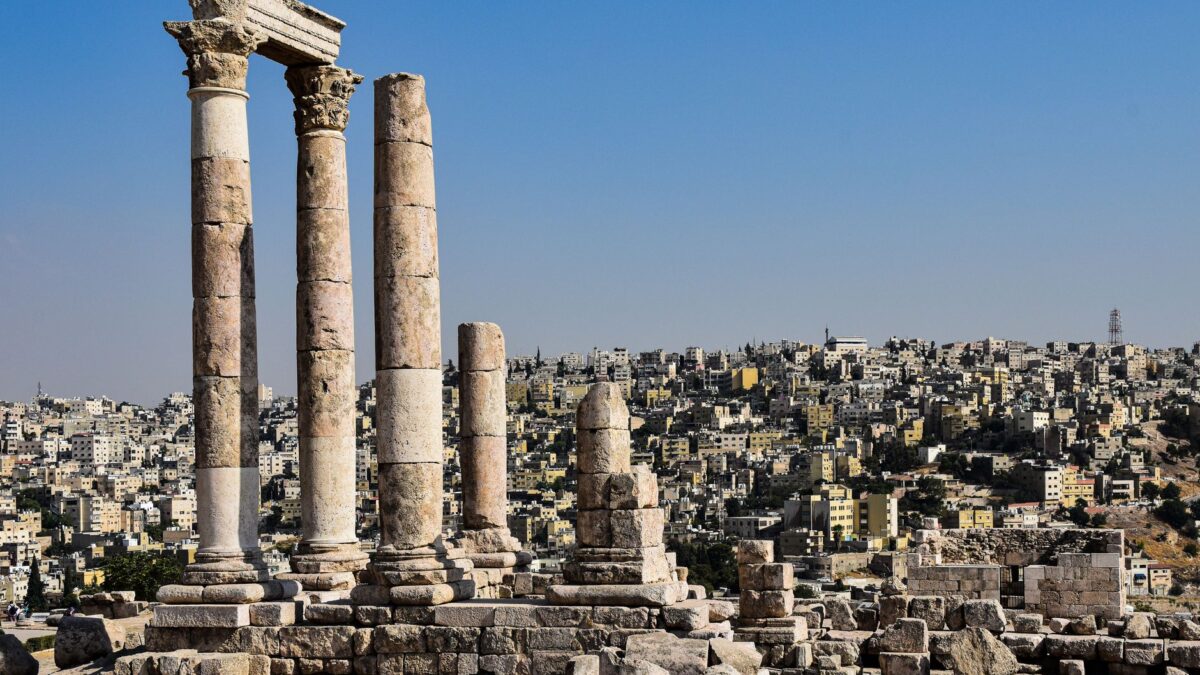
Early September in Amman feels like the city is holding its breath. The long, dry summer heat is finally softening into evenings that require a light jacket, and the streets are swelling again as schools and universities reopen. Pomegranates start appearing in the markets, heavy and purple, signaling the shift in season. If you are planning to visit Jordan now, you might be wondering about the cost. It is a fair question. While prices have crept up slightly across the region, Amman remains remarkably inexpensive compared to regional peers, though your daily spend will depend entirely on how deeply you want to immerse yourself in the local rhythm.
The Baseline: Currency and Context
First, let’s talk money. The currency is the Jordanian dinar (JOD). To put it in perspective for those used to Western currencies, one US dollar buys roughly 0.71 JOD. The economy is stable, with inflation hovering around 1.8%, but don’t expect the rock-bottom prices of a decade ago. A full downtown street-food meal still costs about 2–5 JOD, which is a steal, but expat-standard rents have risen. A modest one-bedroom flat in areas like Jabal Amman or Weibdeh now runs 250–400 JOD per month, while pricier districts like Abdoun can see rents climb to 450–700 JOD. For a traveler, this means your biggest variable isn’t rent—it’s lifestyle.
Daily Costs: Accommodation and Food
Your budget will largely hinge on where you sleep and what you eat. Jordan offers incredible value if you lean into local options. In Amman, a night in a mid-range hotel (3-4 star) typically costs between 50 and 70 JOD. If you prefer boutique experiences, places like the Beirut Hotel or Sukoon Hotel offer charm at competitive rates, especially if booked in advance during the shoulder season of early autumn.
Food is where you can stretch your dinar significantly. For breakfast, head to Hashem in downtown Amman. A full local plate of hummus, foul, and falafel will set you back only 2–3 JOD. It is iconic, crowded, and utterly delicious. For lunch, a falafel sandwich from a street stand in the old city costs roughly 0.50–0.60 JOD. You can survive on street food alone for under 10 JOD a day. However, if you want to dine in a mid-range restaurant—perhaps enjoying rooftop views in Jabal Amman or dining near the Abdali Boulevard—you should budget 10–15 JOD per person. An inexpensive local meal averages around 4.50 JOD. Don’t forget coffee; a cappuccino at a café like Rumi Cafe or K Coffee is about 2.50 JOD, a small price for the social hub of Jordanian life.
Getting Around: Transport and Connectivity
Moving through Amman requires a mix of patience and strategy. The municipal bus system is efficient and cheap. A single fare is just 0.55 JOD, payable via a rechargeable smart card or the Amman Bus app. For longer trips, such as the dedicated-lane BRT line 99 from Sweifieh to the Jordan Museum, the same low fare applies. A monthly public transport pass is 30 JOD, though tourists rarely need this.
Taxis are more common for visitors. A short ride starts at a base fare of 0.50 JOD, but negotiate firmly or insist on the meter. Aggressive driving is part of the local flavor, so keep your wits about you. For connectivity, grab a SIM card immediately upon arrival at Queen Alia International Airport. Zain, Orange Jordan, and Umniah have kiosks right in arrivals. Tourist prepaid packs range from 8–20 JOD. Umniah, for instance, offers around 10 GB for 30 days for roughly 4.2 JOD. Registration takes five minutes with your passport, and you’ll be online before you even reach your hotel.
Attractions and the Jordan Pass
You cannot talk about Jordan’s cost without mentioning the Jordan Pass. Most nationalities get a visa on arrival for free, but the entry fee to Petra is steep. The Jordan Pass bundles your visa waiver with entry to Petra, Jerash, Wadi Rum, and over 40 other sites. It waives the visa fee entirely if you stay three nights or more. This is non-negotiable for most itineraries. Without it, you pay standard entry fees at each site, which adds up quickly. Petra alone costs significantly more than the pass if you are visiting multiple major sites.
In Amman, many cultural gems are affordable or free. The Roman Theatre, carved into the hill downtown, is often free to enter unless there is a performance. The Jordan Museum, home to the 9,000-year-old Ain Ghazal statues, has a nominal fee. Darat al Funun in Weibdeh, one of the Middle East’s premier contemporary art spaces, offers free exhibitions. If you time your visit right, you might catch events like the European Film Festival or preparations for Amman Design Week, adding cultural depth at little extra cost.
Realistic Daily Budgets
So, what does a day actually cost? Here is a realistic breakdown based on current prices:
- Budget Traveler: ~25–35 JOD/day
Stay in a hostel or basic guesthouse (~15–20 JOD), eat street food and local cafes (5–8 JOD), use buses or walk (1–2 JOD). You can explore the Citadel and downtown souks for free. - Mid-Range Traveler: ~60–80 JOD/day
Stay in a 3-4 star hotel (~50–70 JOD), mix street food with mid-range restaurant meals (15–20 JOD), take occasional taxis (5–10 JOD). Includes entry to major museums and sites. - Comfortable Traveler: ~120+ JOD/day
Stay in upscale hotels or boutique stays (80+ JOD), dine at fine restaurants in Abdoun or Sweifieh (30+ JOD), hire private drivers for day trips to Jerash or the Dead Sea (variable).
Jordan is forgiving with budgets. You can live like royalty on a mid-range budget if you choose wisely. Just remember to carry cash; while cards are accepted in malls and nicer hotels, street vendors and smaller shops prefer dinars. And always keep an eye out for the seasonal shifts—early September is perfect for walking the cobblestones of Jabal al-Weibdeh before the winter rains arrive.
Frequently asked questions
Do I need a visa for Jordan?
Most nationalities receive a single-entry visa on arrival at Queen Alia International Airport for approximately 30 days. However, purchasing the Jordan Pass in advance bundles your visa fee with entry to major sites like Petra, effectively waiving the visa cost if you stay three nights or more.
Is Jordan expensive for food?
No, food is very affordable. A falafel sandwich from a street stand costs about 0.50–0.60 JOD, and a full traditional breakfast at a place like Hashem is 2–3 JOD. Mid-range restaurant meals average 10–15 JOD per person.
How do I get around Amman cheaply?
The best option is the Amman Bus system, including the BRT lines, which charge a flat fare of 0.55 JOD per trip using a smart card or app. Taxis are available with a base fare of 0.50 JOD, but you must negotiate or ensure the meter is used.
What is the best area to stay in Amman?
For culture and walkability, Jabal Amman (Rainbow Street) or Jabal al-Weibdeh are ideal, offering restored Ottoman houses and galleries. For nightlife and modern amenities, consider Sweifieh or the Abdali Boulevard area. Upscale travelers may prefer Abdoun.
How much does a mid-range hotel cost in Amman?
A typical 3-4 star hotel in Amman costs around 50–70 JOD per night. Boutique options like the Beirut Hotel or Sukoon Hotel may vary slightly but generally fall within this range depending on the season.
Things to do in Jordan
 Private Flexible Transportation from Amman to Jordan’s Cities .
 Private Two Day Tour To Petra, Wadi Rum and Dead Sea from Amman
 Petra & Dead Sea - One day Private tour
 From Amman: Private Dead Sea, Madaba and Mount Nebo Full day tour
 2-Hour Private Scuba Experience in Aqaba
 Private Transportation-Nayl-fdool