

Moving to Czechia: visas, banking and SIM cards
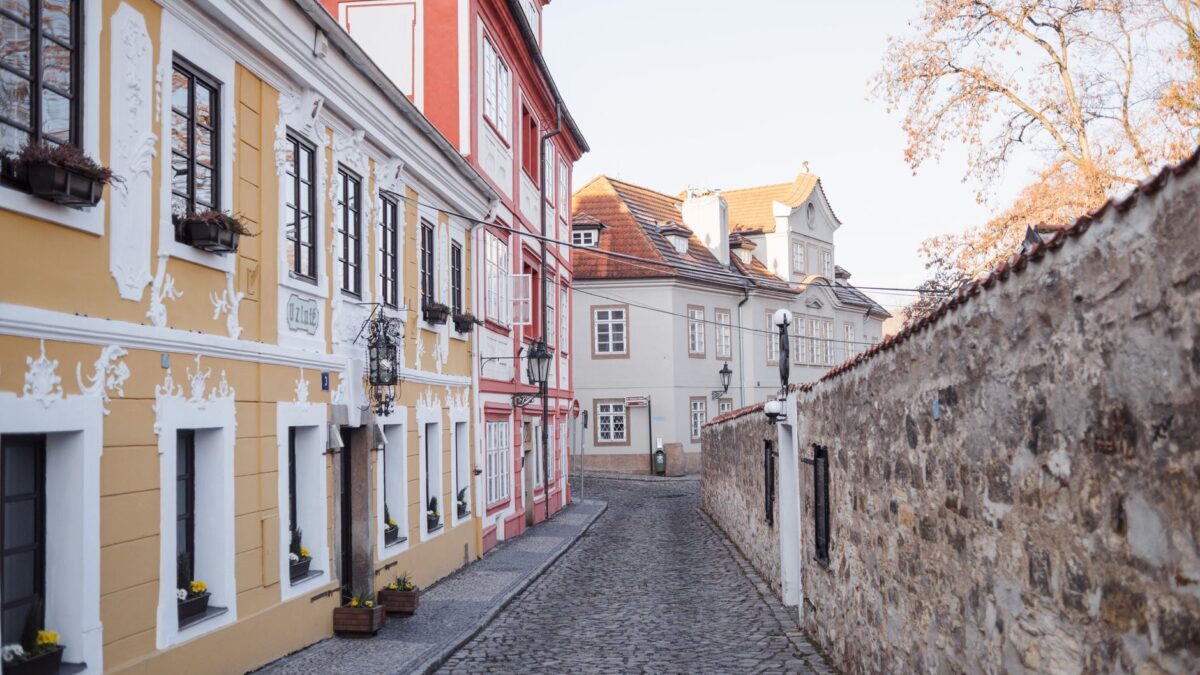
The hinge between late summer and autumn in Prague feels like a secret handshake. It is early September, the air is still warm enough to linger on the river embankments at the Nomad Beer Festival, but you can already smell the first burčák (young wine) stalls popping up in the neighbourhoods. The weather sits comfortably around 18–29°C, overcast skies softening the light for photography. If you are arriving now with long-term intentions, you are stepping into a city that is vibrant, slightly chaotic, and undeniably alive. But before you can fully enjoy a half-litre of draught lager for about 45–65 CZK in a local pub, you have to untangle the bureaucratic knot of arrival. This is your practical guide to the first week.
Entry, Residence, and the Police
Czechia is part of the Schengen Area, which means if you hold a US, UK, Canadian, or Australian passport, you can visit visa-free for up to 90 days within any 180-day period. However, “visiting” and “living” are two very different administrative beasts. Anything longer than 90 days requires a long-term visa or residence permit, which must be applied for in advance through the Czech embassy in your home country. Common routes include the employment card, student visas, or the živnostenský (freelance/trade-license) permit for self-employment.
If you do not fall under the visa-exempt category, or if you are an EU citizen planning to stay, registration is mandatory. Non-EU long-term residents must report their arrival to the Foreign Police (Cizinecká policie) within three working days of entering the country, unless a hotel or landlord has already registered them. Once you have your temporary residence permit, you will eventually need to handle further documentation at the Ministry of Interior’s Department of Asylum and Migration Policy (OAMP). EU citizens must register their temporary residence within 30 days to obtain their Czech registration certificate. Do not treat these deadlines lightly; fines for non-compliance are real and unnecessary headaches.
Banking on the Koruna
You will quickly learn that the currency here is the Czech koruna (CZK), not the euro. With inflation hovering around 2.5% and the economy stable, keeping your finances in local currency saves you from dynamic currency conversion fees. To open a bank account, you generally need your passport, proof of address (a lease agreement often suffices), and for non-EU citizens, a valid residence permit or visa lasting more than 90 days, plus a work contract or lease.
The big traditional banks used by expats include Česká spořitelna (part of Erste Bank, known for its expat support centre), ČSOB (KBC), Komerční banka (Société Générale), Raiffeisenbank, and UniCredit, which features an International Clients Centre at Náměstí Republiky. If you prefer digital-first solutions with lower fees, Air Bank and Fio Bank are excellent choices. English-language apps are standard across the board, so language barriers should not prevent you from managing your accounts remotely. Just remember that while your international transfers might be in euros or dollars, your daily spending account will be in CZK.
SIM Cards and Connectivity
Staying connected is vital for navigating public transport and communicating with landlords. Czech law strictly requires ID verification to purchase a prepaid SIM card. You must carry your physical passport to an operator shop; you cannot buy one online without visiting a store. The three major providers—O2, T-Mobile, and Vodafone—have shops throughout Prague and also sell tourist data packs and eSIMs at the airport arrivals hall and in city centres. Prices vary, but expect to pay roughly 300–500 CZK for a starter pack that includes a decent amount of data and minutes. Ensure you get a plan that suits your usage, as roaming charges can add up if you travel frequently within Europe.
Transport and Daily Costs
Prague’s public transport system (PID) is efficient, clean, and covers the entire metro area. The pass you need to know is the PID Lítačka, available as a chip card from the Lítačka Customer Centre at Škoda Palace (Jungmannova 35/29) or directly via the Lítačka app on your phone. A 30-day adult pass for Zone P costs approximately 550 CZK. Single rides are cheaper if you use the app: a 90-minute ticket is 46 CZK via the app versus 50 CZK for paper tickets. Be vigilant about validation; inspectors (revizor) frequently check tickets, and fines for travelling without one range from 800 to 1,500 CZK.
Cost of living varies by district. Rents have hit record highs in 2026, with modest one-bedroom flats outside the centre costing between 18,000 and 25,000 CZK per month. Vinohrady (Prague 2) remains the “expat goldilocks” quarter—leafy, safe, and anchored by parks like Riegrovy Sady. Karlín (Prague 8) is the startup hub, rebuilt after the 2002 floods, offering modern apartments and a vibrant food scene. For those on a tighter budget, Žižkov (Prague 3) offers the cheapest accommodation near the center, albeit with a grittier, bohemian charm.
Dining out remains affordable compared to Western European capitals. A denní menu (daily lunch special) at a neighbourhood pub runs 180–260 CZK. Classic dishes like svíčková na smetaně or vepřo-knedlo-zelo cost around 200–280 CZK. Even a pint of beer in a local, non-tourist pub stays reasonable at about 45–65 CZK. Avoid exchange booths on Wenceslas Square; use bank ATMs or pay by card to get fair rates.
Navigating the City Now
As you settle in, note that some cultural landmarks are undergoing significant changes. The Dvořák Prague Festival opens this September, celebrating music in the heart of the city. However, the Museum of Music in Lesser Town is closed until December 2026 for dome reconstruction, and the Baroque Invalidovna in Karlín has just begun a full three-year renovation, not reopening until around 2030. Public transport is also adjusting; trams are returning to the Škrétova/Vinohradská line ahead of schedule, altering routes for lines 11 and 13.
Prague is genuinely safe day and night, but remain alert for pickpockets on packed trams like number 22 heading to the Castle, and at the Astronomical Clock. Keep your emergency number, 112, saved. Whether you are exploring the Jewish Quarter’s historic synagogues or enjoying the views from Letná Park, remember that patience and proper paperwork are your best tools. Welcome to Czechia.
Frequently asked questions
How long can I stay in Czechia without a visa?
US, UK, Canadian, and Australian passport holders can visit visa-free for up to 90 days within any 180-day period. Stays longer than 90 days require a long-term visa or residence permit applied for in advance.
Where can I buy a SIM card in Prague?
You must buy a prepaid SIM card in person at an O2, T-Mobile, or Vodafone shop. You are required by law to present your physical passport for identification.
What is the cost of a monthly transport pass in Prague?
A 30-day adult pass for Zone P costs approximately 550 CZK. You can purchase this via the PID Lítačka app or at the Lítačka Customer Centre at Škoda Palace.
Which banks are best for expats in Prague?
Major banks like Česká spořitelna, ČSOB, and Komerční banka have strong expat support. Digital options like Air Bank and Fio offer low fees and excellent English-language apps.
Do I need to register with the police when I arrive?
Non-EU long-term residents must report to the Foreign Police within 3 working days unless a hotel or landlord registers them. EU citizens must register temporary residence within 30 days.


