


Czechia Travel Podcast with Tereza Nováková
Hosted by Tereza Nováková — a new episode every day from Czechia.
This podcast follows a resident settling into Czechia over time, rather than ticking off sights. Travelling here means negotiating a landlocked country of Bohemian plateaus and hilly Moravia, where the weather turns cool summers into cold, cloudy winters. The show treats that landscape as something to live inside, not just to look at.
The host moves through Bohemia’s rolling plains and low mountains, then across to Moravia’s very hilly country. She follows old land routes, including the Moravian Gate, and visits the Hranice Abyss, a deep fissure in the east that most itineraries skip. Episodes also take in towns and villages between those points, keeping the focus on how Czechs live in the landscape.
The show unfolds across a couple of years, so the same places reappear in cool summers and in cold, cloudy winters. Returning to a Moravian hill town or a Bohemian plateau, the host notices small changes: who is around, how the light sits, which routes matter. That slow accumulation is the point.
Recent episodes
Things to do in Czechia
 photoshoot in prague
 Best of Prague Private Tour with PersonalPragueGuide
 Johnny's Prague Photography Tour
 PRIVATE 4 Hour Tour: Czech Beers & Tapas in Prague's Local Areas
 Prague Photo Tours
 Prague Highlights in Half a Day
 Prague: Private Old Town Walking Tour with Hotel Pickup
 Prague Craft Beer Tour
Plan your trip to Czechia
Getting around
Staying connected
Czechia at a glance
Czechia in depth
Reference data on the country — geography, people, history, economy and transport.
Geography and climate
Location
Central Europe, between Germany, Poland, Slovakia, and Austria
Terrain
Bohemia in the west consists of rolling plains, hills, and plateaus surrounded by low mountains; Moravia in the east consists of very hilly country
Climate
Temperate; cool summers; cold, cloudy, humid winters
Elevation
- Highest point
- Snezka 1,602 m
- Lowest point
- Labe (Elbe) River 115 m
- Mean elevation
- 433 m
Area
- Total
- 78,867 sq km
- Land
- 77,247 sq km
- Water
- 1,620 sq km
Size comparison
About two-thirds the size of Pennsylvania; slightly smaller than South Carolina
Coastline
0 km (landlocked)
Land borders
- Total
- 2,046 km
- Border countries
- Austria 402 km; Germany 704 km; Poland 699 km; Slovakia 241 km
Natural resources
Hard coal, soft coal, kaolin, clay, graphite, timber, arable land
Land use
- Agricultural land
- 45.8% (2023 est.)
- Arable land
- 32.7% (2023 est.)
- Permanent crops
- 0.5% (2023 est.)
- Permanent pasture
- 12.5% (2023 est.)
- Forest
- 38.2% (2023 est.)
- Other
- 16% (2023 est.)
Natural hazards
Flooding
Note
Note 1: landlocked; strategically located on some of oldest and most significant land routes in Europe; Moravian Gate is a traditional military corridor between the North European Plain and the Danube in central Europe
Note 2: the Hranice Abyss in Czechia is the world's deepest surveyed freshwater cave at 519 m (1,703 ft); its survey is not complete, and it may be up to 800-1,200 m (2,625-3,937 ft) deep
People and society
Population
- Total
- 10,838,703 (2025 est.)
- Male
- 5,337,128
- Female
- 5,501,575
Nationality
- Noun
- Czech(s)
- Adjective
- Czech
Ethnic groups
Czech 57.3%, Moravian 3.4%, other 7.7%, unspecified 31.6% (2021 est.)
Languages
- Languages
- Czech (official) 88.4%, Slovak 1.5%, other 2.6%, unspecified 7.2% (2021 est.)
- Major-language sample(s)
- World Factbook, nepostradatelný zdroj základních informací. (Czech)
Religions
Roman Catholic 7%, other believers belonging to a church or religious society 6% (includes Evangelical United Brethren Church and Czechoslovak Hussite Church), believers unaffiliated with a religious society 9.1%, none 47.8%, unspecified 30.1% (2021 est.)
Median age
- Total
- 44.4 years (2025 est.)
- Male
- 42.7 years
- Female
- 45.7 years
Life expectancy
- Total population
- 78.6 years (2024 est.)
- Male
- 75.6 years
- Female
- 81.8 years
Urbanisation
- Urban population
- 74.6% of total population (2023)
- Rate of urbanization
- 0.2% annual rate of change (2020-25 est.)
Where people live
A fairly even distribution throughout most of the country, but the northern and eastern regions tend to have larger urban concentrations
Largest cities
1.323 million PRAGUE (capital) (2023)
Background and government
Background
At the close of World War I, the Czechs and Slovaks of the former Austro-Hungarian Empire merged to form Czechoslovakia, a parliamentarian democracy. During the interwar years, having rejected a federal system, the new country's predominantly Czech leaders were frequently preoccupied with meeting the increasingly strident demands of other ethnic minorities within the republic, most notably the Slovaks, the Sudeten Germans, and the Ruthenians (Ukrainians). On the eve of World War II, Nazi Germany occupied the territory that today comprises Czechia, and Slovakia became an independent state allied with Germany. After the war, a reunited but truncated Czechoslovakia (less Ruthenia) fell within the Soviet sphere of influence when the pro-Soviet Communist party staged a coup in February 1948. In 1968, an invasion by fellow Warsaw Pact troops ended the efforts of the country's leaders to liberalize communist rule and create "socialism with a human face," ushering in a period of repression known as "normalization." The peaceful "Velvet Revolution" swept the Communist Party from power at the end of 1989 and inaugurated a return to democratic rule and a market economy. On 1 January 1993, the country underwent a nonviolent "velvet divorce" into its two national components, the Czech Republic and Slovakia. The Czech Republic joined NATO in 1999 and the European Union in 2004. The country formally added the short-form name Czechia in 2016, while also continuing to use the full form name, the Czech Republic.
Government
Parliamentary republic
Capital
Prague
Time zone
UTC+1 (6 hours ahead of Washington, DC, during Standard Time)
Local name
Ceska republika
Independence
1 January 1993 (Czechoslovakia split into the Czech Republic and Slovakia)
National day
Czechoslovak Founding Day, 28 October (1918)
Economy and cost of living
Overview
High-income, diversified EU economy; manufacturing-oriented exporter led by automotive industry; moderate growth driven by household consumption and investments, despite negative contribution from net exports; tight labor market with low unemployment; gained energy independence from Russian oil in April 2025
GDP per capita
- Real GDP per capita 2024
- $48,000 (2024 est.)
- Real GDP per capita 2023
- $47,500 (2023 est.)
- Real GDP per capita 2022
- $48,400 (2022 est.)
Inflation
- Inflation rate (consumer prices) 2024
- 2.4% (2024 est.)
- Inflation rate (consumer prices) 2023
- 10.7% (2023 est.)
- Inflation rate (consumer prices) 2022
- 15.1% (2022 est.)
Unemployment
- Unemployment rate 2024
- 2.6% (2024 est.)
- Unemployment rate 2023
- 2.6% (2023 est.)
- Unemployment rate 2022
- 2.3% (2022 est.)
Exchange rate
- Currency
- Koruny (CZK) per US dollar -
- Exchange rates 2024
- 23.217 (2024 est.)
- Exchange rates 2023
- 22.198 (2023 est.)
- Exchange rates 2022
- 23.357 (2022 est.)
- Exchange rates 2021
- 21.678 (2021 est.)
- Exchange rates 2020
- 23.21 (2020 est.)
Main industries
Motor vehicles, metallurgy, machinery and equipment, glass, armaments
Agriculture
Wheat, sugar beets, milk, barley, rapeseed, potatoes, maize, triticale, pork, chicken (2023)
Transport and connectivity
Airports
252 (2025)
Railways
Total 9,548 km (2020) 3,242 km electrified
Internet domain
.cz
Internet users
Percent of population 86% (2023 est.)
Mobile subscriptions
- Total subscriptions
- 13.6 million (2024 est.)
- Subscriptions per 100 inhabitants
- 127 (2024 est.)
Environment
Environmental issues
Air and water pollution (including acid rain) in areas of northwest Bohemia and in northern Moravia around Ostrava; pollution from industry, mining, and agriculture
Fresh water
13.15 billion cubic meters (2022 est.)
UNESCO Global Geoparks
- Total global geoparks and regional networks
- 1
- Global geoparks and regional networks
- Bohemian Paradise (2023)
Country reference figures are periodically revised. Check anything time-sensitive or safety-critical against an official source before you travel.
Czechia travel guides
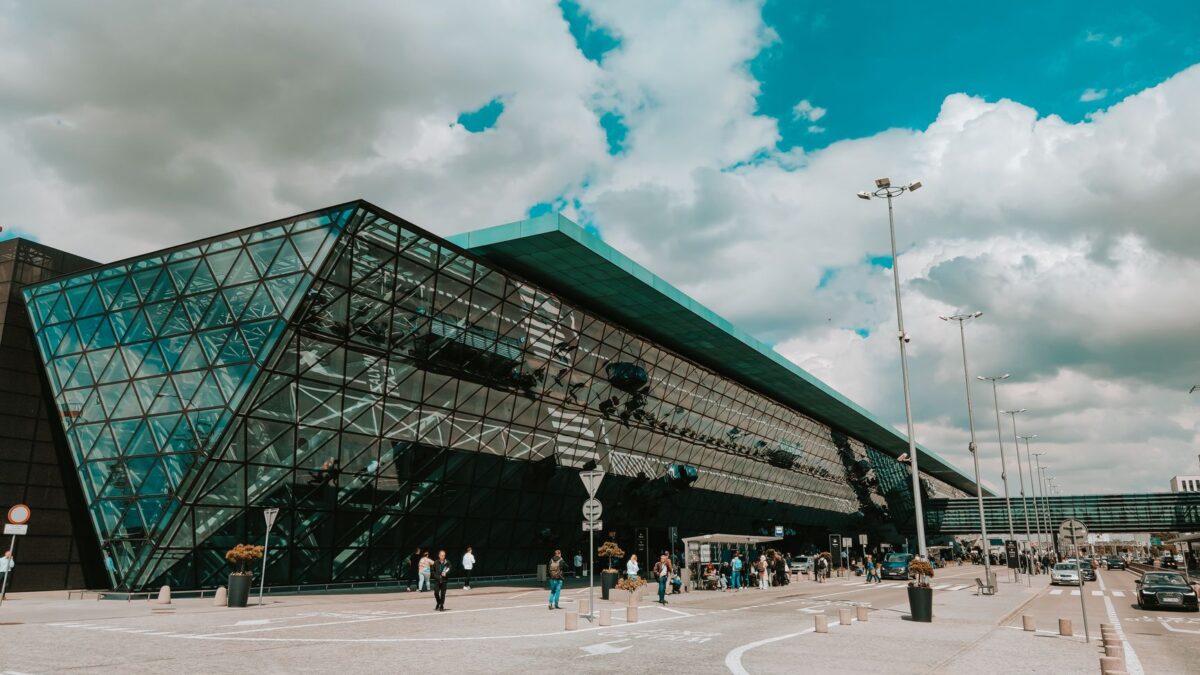 Getting Around
From the airport into Prague: every option and what it costs
Get from Prague Airport to the city center cheaply. Compare metro, taxi, and shuttle costs, times, and routes for your Czechia trip.
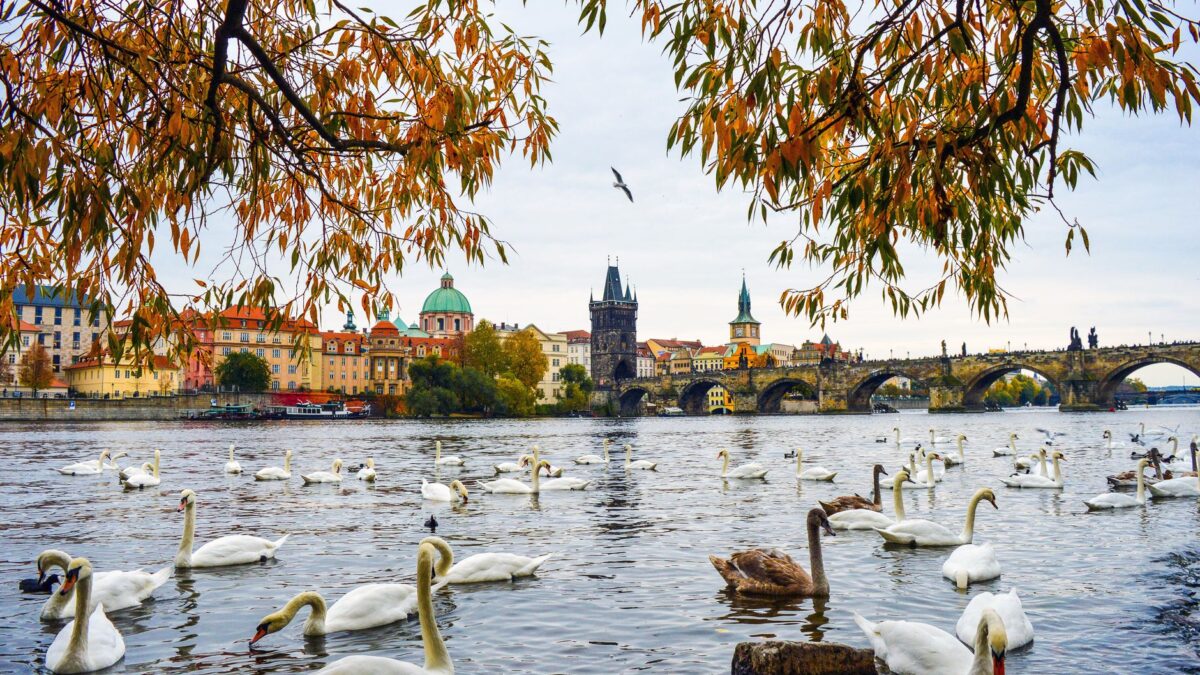 News & Updates
Czechia in September 2026: what travelers should know now
Czechia travel briefing September 2026: Weather, Dvořák Festival, tram changes, and cost tips for Prague.
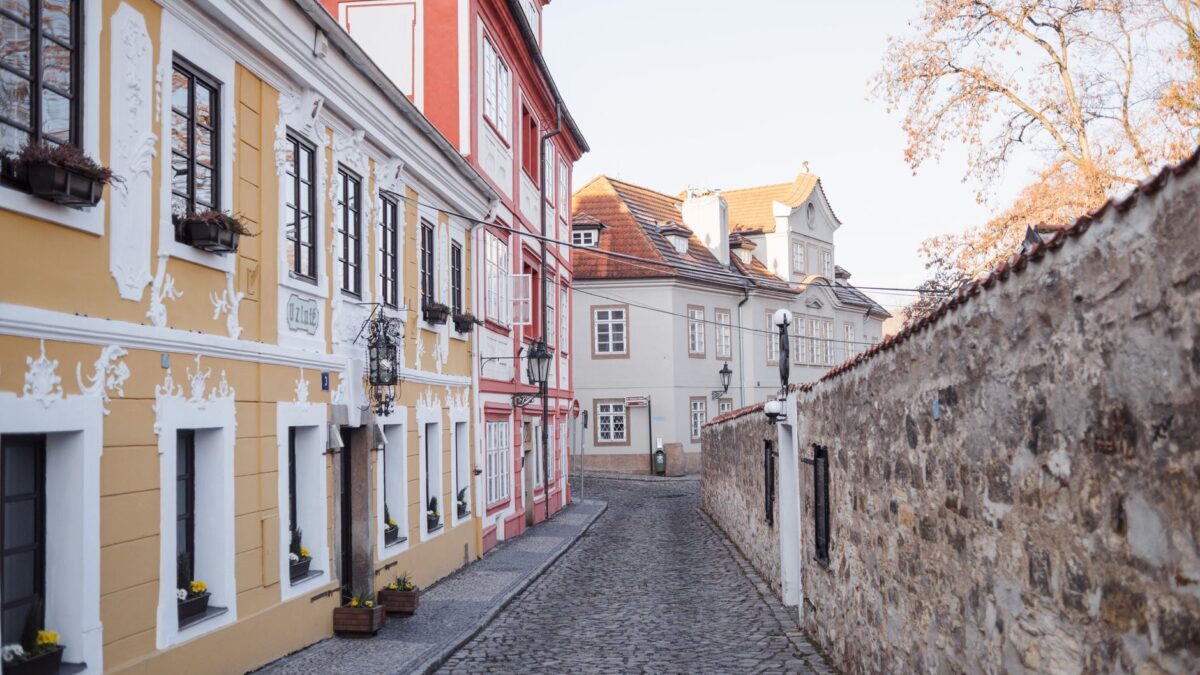 Living Abroad
Moving to Czechia: visas, banking and SIM cards
Your practical first-week guide to moving to Prague: visas, banking, SIM cards, and transit tips for expats starting life in Czechia.
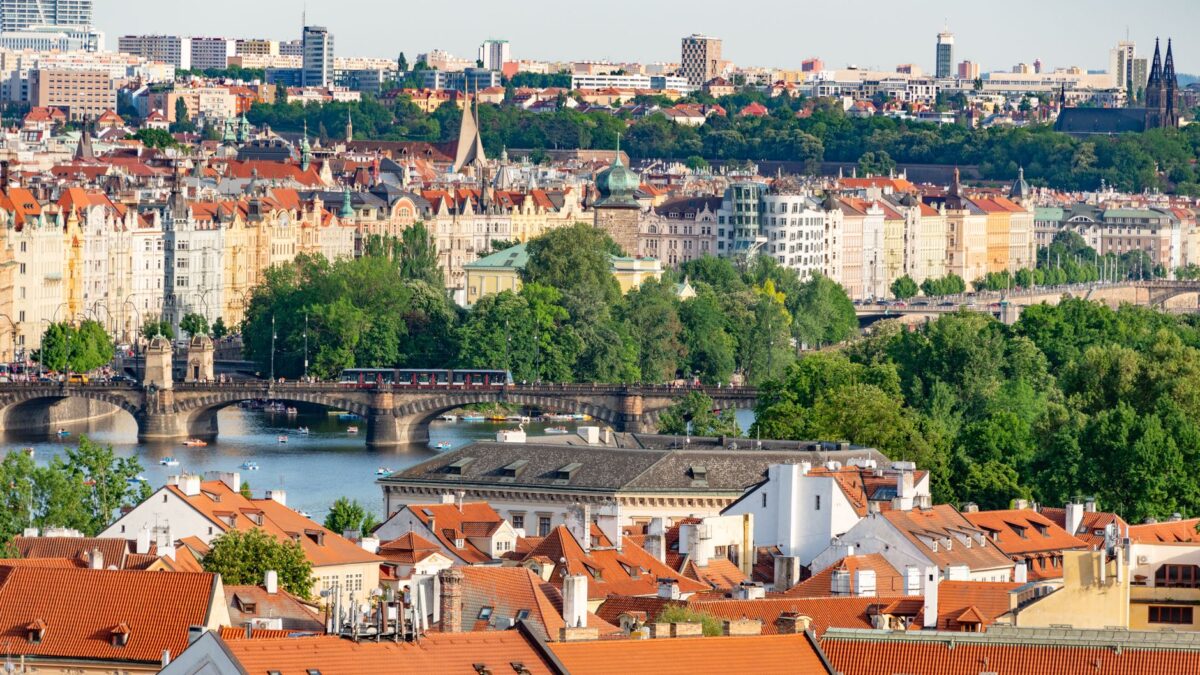 News & Updates
Czechia in August 2026: what travelers should know now
Czechia in August 2026: last-chance festivals, metro and bridge closures, real prices, and practical tips for Prague this week.
Eastern Europe
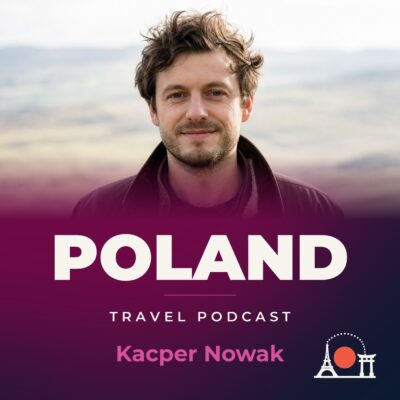 Poland
Poland Travel Podcast with Kacper Nowak
The flat North European Plain, stretching across central Poland and lacking natural barriers, has shaped centuries of conflict and movement.
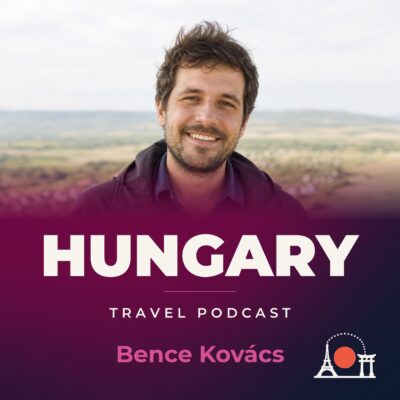 Hungary
Hungary Travel Podcast with Bence Kovács
Budapest, the capital and largest city, stands on the Duna, one of the two rivers that split Hungary into three regions.
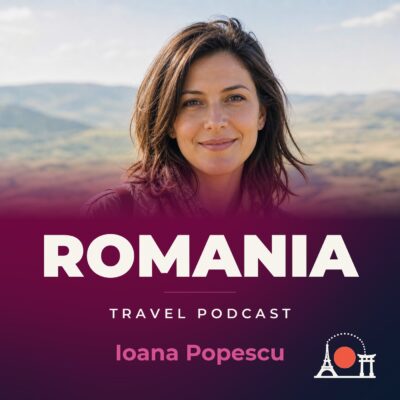 Romania
Romania Travel Podcast with Ioana Popescu
The Eastern Carpathians separate the Transylvanian Basin from the Moldavian Plateau, shaping a central Romania of foggy winters and summer storms.
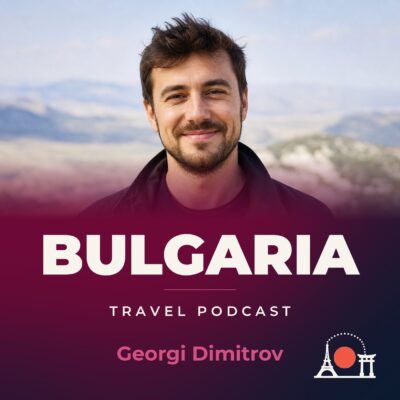 Bulgaria
Bulgaria Travel Podcast with Georgi Dimitrov
The Balkan Mountains run east-west across Bulgaria, separating the Danubian plain from the Thracian lowlands, and shaping the country's cold winters and…