Senegal in September 2026: what travelers should know now
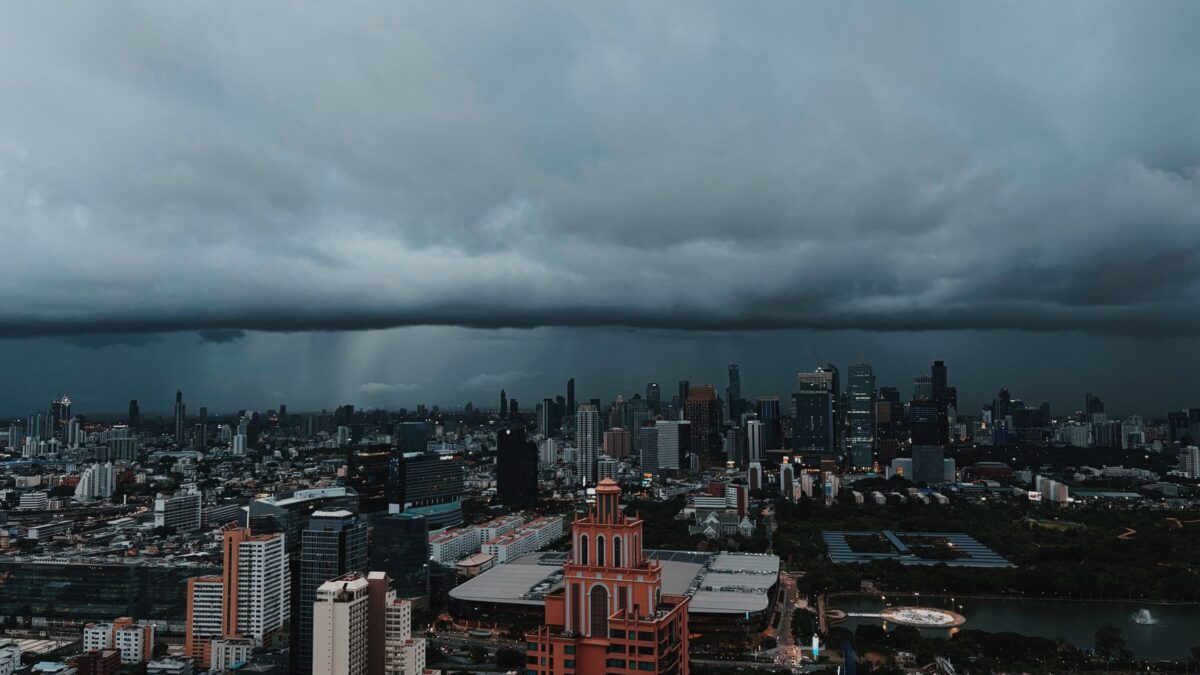
The air in Dakar this September is thick with the promise of rain and the hum of a city holding its breath. It is the tail end of the hivernage, the rainy season, and the streets are lush, green, and muggy. You will feel the humidity clinging to your skin, with temperatures hovering around 28–34°C but feeling closer to 41°C under the heavy, overcast skies. But beyond the weather, there is a palpable energy on the ground. This is not just any month; it is the countdown to Dakar 2026. The youth Olympic flame arrives on 12 September, and the city is buzzing with preparations that range from celebratory to tense.
What Is Happening Now: The Energy of Dakar 2026
If you arrive in the next few weeks, you are stepping into a capital that is transforming. The Dakar 2026 Youth Olympic flame lands on 12 September, kicking off the ‘Pass the Energy’ relay which begins in the capital on 14 September. Expect street celebrations, concerts, and meet-and-greets with the mascot Ayo. The relay stops at 14 locations across the Dakar region before touring all 14 regions of the country. It is a massive moment for national pride, and you will see banners and decorations popping up everywhere.
In preparation, President Faye joined about 200 youth workers on 5 September for the ‘Sét té Yànji’ cleanup drive around Léopold Sédar Senghor stadium. New basketball, football, and badminton courts have been installed, and sanitation crews are working hard to ensure the event corridors are pristine. This focus on beautification extends to flood-prevention and drainage-cleaning works across Dakar, Diamniadio, and Saly. You may see dig-outs and construction along main routes, so plan your transit with a little extra time.
However, do not ignore the social mood. On 5 September, hundreds marched from Castors to Grand-Dakar’s Jet d’eau in a ’30 Jours pour le Juste Prix’ protest against soaring living costs, rents, and prepaid electricity prices. Using empty baskets and kitchen pots as symbols, they highlighted the economic pressure many locals face. As a traveler, you will likely feel this tension in the daily chatter. While violent crime remains low, the atmosphere is charged with a mix of anti-establishment reform optimism and impatience over the cost of living.
Weather, Packing, and the Rainy Season Finish
September is wet, but usually not in a way that ruins your trip. You can expect brief, heavy downpours followed by humid stillness. Pack light, breathable linen or cotton, but definitely include a compact umbrella and a light waterproof jacket. Your shoes should be easy to dry; leather might get soaked during those sudden hivernage bursts. Mosquito precautions matter year-round here, so bring repellent—malaria and dengue are present, and Senegal recently faced a Rift Valley Fever outbreak in late 2025.
The city is incredibly green right now. The trees lining the avenues in Fann and Mermoz are dense, and the views from the African Renaissance Monument in Ouakam offer a stunning backdrop of misty hills. If you head out to the coast, the surf at Ngor and Almadies is active, with the famous Ngor Right breaks drawing riders. It is a great time for photography if you catch the light between clouds.
Festivals, Sports, and Cultural Beats
Beyond the Olympics, sports are dominating the local calendar. The Senegal national team hosts Mozambique at Léopold Sédar Senghor stadium on 25 September for a CAN 2027 qualifier. The pitch is being readied, and the surrounding area will be bustling. If you are a fan, this is a must-see event; the energy around these matches is electric.
Culturally, the city is alive. Visit the Musée des Civilisations Noires in the Plateau for its striking Adjaye-designed exhibits, or wander through the Village des Arts to see contemporary creators at work. For music, keep an ear out for mbalax rhythms echoing from local bars. In the evenings, the Plateau district empties out as businesses close, so plan your dinner reservations in advance or move to the lively neighborhoods of Médina or the Corniche where the night life persists.
Costs, Money, and Practical Tips
Dakar is one of the most expensive cities in West Africa, and food prices are climbing. A plate of thieboudienne—the national dish of fish and tomato rice—at a local canteen has roughly doubled over three years. Today, expect to pay about 1,000–2,500 XOF (approx. $2.9) depending on the neighborhood. In upscale areas, lunch can run 5,000–10,000 XOF ($12). Budget roughly 20-30% more than in Abidjan or Bamako for everyday goods.
Transportation is changing. The modern BRT ‘SunuBRT’ system uses dedicated lanes and is paid via an app, while the TER train connects downtown Gare de Dakar to Diamniadio and the airport. For short trips, negotiate taxi fares upfront; a ride from Plateau to Point E should be around 1,000–1,500 XOF ($2.1). Avoid hailing random taxis at night; use apps like Yango or Heetch instead. For payments, locals rely heavily on Orange Money and Wave mobile wallets. Ensure you have a local SIM card from Orange, Free, or Expresso to access these services easily.
Visa-free entry is available for citizens of 60+ countries, including the US and EU, for up to 90 days. If you stay longer, you must apply for the Carte d’Identité d’Étranger (CIE) at the DPETV in Dieuppeul. Keep your passport valid for at least six months, and carry proof of accommodation and a yellow-fever card if arriving from an endemic zone.
Where to Stay and Eat Right Now
For a central experience, consider the Plateau for its historic buildings and museums, though it quiets down at night. The Almadies and Ngor offer premium coastal living with ocean-view villas and top restaurants, ideal if you want luxury and beach access. For a more residential, family-friendly vibe, Mermoz and Sacré-Cœur are calm and leafy, near international schools. Fann, home to Cheikh Anta Diop University, offers a diplomatic, intellectual atmosphere with wide tree-lined streets.
When dining, try Restaurant Le Lagon 1 for seafood with a view, or grab a chawarma in Plateau for about 1,000–2,000 XOF ($2.5). For coffee, KOTAO Coffee and Teddy’s Coffee are popular spots. If you want to immerse yourself in the city’s soul, spend time in Médina, founded in 1914, where the markets are vibrant and the street food—like fataya and brochettes—is cheap and delicious, often costing only 1,000–2,500 XOF ($2.9).
Frequently asked questions
Is it safe to travel to Dakar in September 2026?
Yes, Senegal is politically stable and violent crime is low. However, petty crime like pickpocketing exists in busy markets. Be aware of social tensions regarding the cost of living, as seen in recent protests, but these rarely impact tourists directly.
What major events are happening in Dakar this September?
The Dakar 2026 Youth Olympic flame arrives on September 12, with the relay starting on September 14. Additionally, the Senegal national team plays Mozambique on September 25 for a CAN 2027 qualifier.
How much does a meal cost in Dakar right now?
Prices have risen. A local plate of thieboudienne costs about 1,000–2,500 XOF ($2.9), while a mid-range restaurant lunch is around 5,000–10,000 XOF ($12). Street food remains affordable at 1,000–2,500 XOF.
Do I need a visa for Senegal in 2026?
Citizens of 60+ countries, including the US and EU, enjoy visa-free entry for up to 90 days. Others may get a visa on arrival at Blaise Diagne International Airport for approximately 50,000 XOF.
What is the weather like in Dakar in September?
It is the end of the rainy season (hivernage). Expect high humidity, temperatures of 28–34°C (feeling like 41°C), and brief heavy downpours. The city is very green and lush.


