

Moving to Cyprus: visas, banking and SIM cards
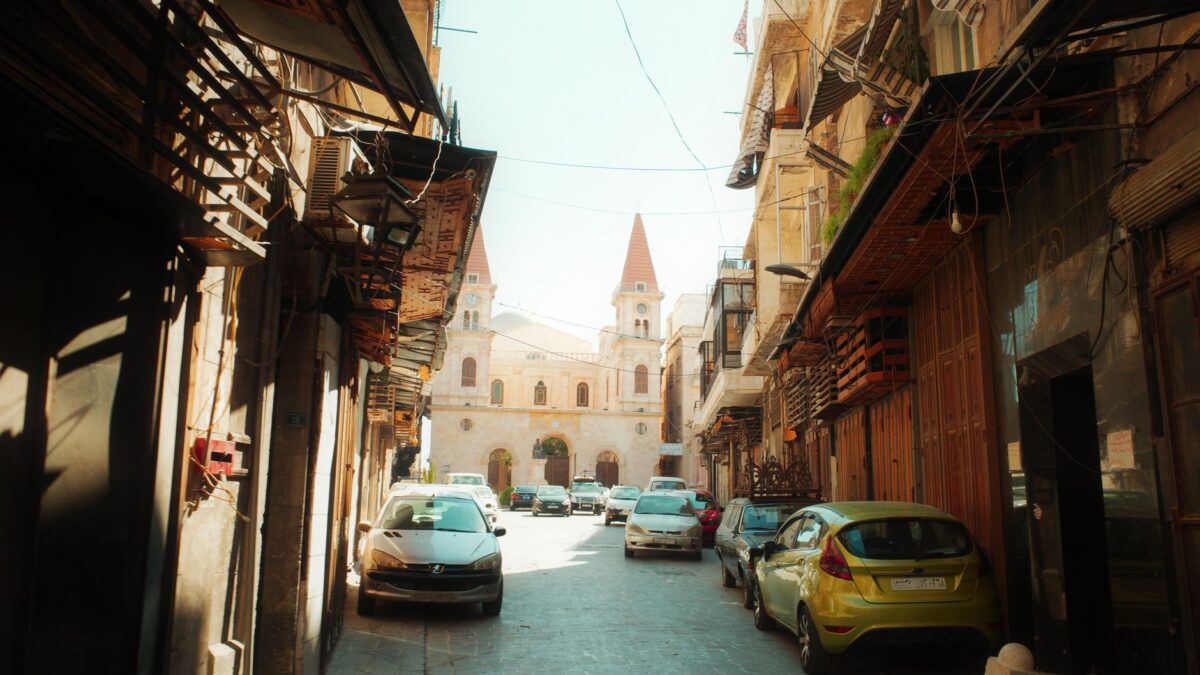
It is still deep summer in Nicosia, even as the calendar nudges toward autumn. The air holds that specific Cypriot heat—22 to 37°C by day, cooling just enough for the evening festivals to bloom at Eleftheria Square. You have arrived with your passport stamped and your mind full of questions about how to actually live here, not just visit. Moving to Cyprus is less about packing boxes and more about navigating a bureaucracy that is efficient but particular. I am going to walk you through the first week: getting your residence sorted, opening a bank account, grabbing a SIM card, and understanding the rhythm of the city.
The Pink Slip and the Yellow Slip
Your first priority depends entirely on where you are from. If you are an EU, EEA, or Swiss citizen, the entry barrier is virtually non-existent; you can land and start working immediately with just your ID or passport. However, if you plan to stay longer than three months, you must register. This is the “yellow slip” (form MEU1), and it is your golden ticket for daily life. You need to apply in person at the Civil Registry and Migration Department on Archbishop Makarios III Avenue. It is a walk-in service starting at 08:00, so go early. Expect to pay around €20 for the fee.
What do you need to bring? Your passport, two recent photos, a certified rental contract stamped for tax purposes covering at least one year, and proof of income or self-sufficiency. If you are not employed locally, you must also show private health insurance. For non-EU nationals, the process is more involved, leading to the “pink slip” (temporary residence permit) via the same department. Allow days for straightforward EU files, but budget two to six weeks for complex cases involving source-of-funds checks. Do not skip this step; your bank account and lease validity often hinge on it.
Banking: The Strict Gatekeeper
In many countries, opening a bank account is a five-minute digital task. In Cyprus, it is a test of patience and documentation. The big three banks—Bank of Cyprus, Hellenic Bank, and Astrobank—have their head offices in the Strovolos district, which is a good hint at where the administrative heart beats. Eurobank Cyprus is also a major player. You will likely visit branches like the Bank of Cyprus Makariou Branch or the Kantaras Branch in central Nicosia.
Prepare for strict Anti-Money Laundering (AML) checks. You cannot simply walk in with a passport. You will need your passport, your yellow slip (or pink slip application receipt), proof of address, and a documented source of funds. If you are depositing amounts above roughly €10,000–€15,000, expect to provide payslips or detailed statements explaining where the money came from. Deposits are insured up to €100,000 under the Central Bank of Cyprus scheme, so your money is safe, but the paperwork is real. Some banks offer online quick-account setups via apps like Bank of Cyprus’s 1bank, but the initial verification usually requires a physical presence. Be patient; this is the most common hurdle for new residents.
SIM Cards and Connectivity
You need a local number quickly. Prepaid SIM cards require passport or ID registration, so bring your travel documents. The main operators are Cyta (with their Soeasy prepaid option), Epic (formerly MTN), and PrimeTel. Plans start at roughly €10 per month and offer solid 4G and 5G coverage across the city. eSIMs from these carriers also work seamlessly if your phone supports it. Avoid relying on roaming data from home; the costs add up, and local numbers are essential for verifying bank accounts and booking services.
Navigating the City: Transport and Neighborhoods
Nicosia is walkable, but distances can deceive you. The public bus network, run by Cyprus Public Transport, is paid using the national Motion smart card—a reusable plastic card you tap on board. After the August 2026 fare adjustment, a single daytime ride costs €2.70 if you pay cash, but drops to €2.00 with the Motion card. You can buy and top up the card via the Cyprus Bus / Motion app, which also provides live tracking. A monthly urban pass (OSEL Nicosia) runs about €40, making it a sensible choice if you are commuting daily.
Where should you live? That depends on your lifestyle. If you want prestige and proximity to embassies (US, Russia, France) and international schools, look at Engomi. If you prefer family-friendly suburbs with the Mall of Cyprus and major hospitals, Strovolos is the default choice. For a bohemian, creative vibe with cheaper rents and historic charm, consider Kaimakli or Pallouriotissa. Aglantzia offers a leafy, academic atmosphere near the University of Cyprus and Athalassa National Forest Park. Rents in Nicosia have risen sharply, with modest one-bedroom flats averaging between €675 and €€690 per month, but the city remains the most affordable of Cyprus’s major towns.
Living Costs and Local Flavor
Daily life in Nicosia is moderate by Western European standards. A cappuccino in a local cafe will set you back around €3.20–€3.50. Lunch menus, including a drink, typically cost €13–€15. For a mid-range dinner for two without drinks, budget roughly €60. Street food is a staple; a souvlaki or gyros pita ranges from €5 to €8. If you want to experience true hospitality, a traditional meze meal in a taverna costs about €20–€25 per person.
Explore the Old Town inside the Venetian walls. The restored pedestrian quarter, Laiki Geitonia, feels like a village within a city. Visit the Leventis Municipal Museum for free history lessons, or climb Shacolas Tower for a panoramic view of the Green Line snaking below. Cross into North Nicosia on foot at Ledra Street—you must carry your passport for this crossing. There, you will find the Selimiye Mosque and the Büyük Han, a restored Ottoman caravanserai turned cultural hub. Nicosia is Europe’s last divided capital, yet the division feels routine here, woven into the daily fabric of life. Enjoy the wine-grape harvest season, the evening jazz in Aglantzia, and the steady rhythm of a city that is both ancient and rapidly modernizing.
Frequently asked questions
How much does it cost to open a bank account in Cyprus?
There is no direct fee to open an account, but you must meet strict AML requirements. Expect to provide a passport, residence permit (yellow/pink slip), proof of address, and documented source of funds for deposits over €10k-€15k.
Do I need a visa to move to Cyprus as an EU citizen?
No, EU/EEA/Swiss citizens can enter with just an ID or passport and work immediately. However, you must register for the 'yellow slip' (MEU1 form) at the Civil Registry within four months if staying longer than three months.
What is the best way to pay for buses in Nicosia?
Use the Motion smart card. A single fare is €2.00 with the card versus €2.70 cash. You can top up the card and track buses using the Cyprus Bus / Motion app.
How much does a one-bedroom apartment rent for in Nicosia?
Modest one-bedroom flats in Nicosia average between €675 and €690 per month. Rents have been rising, but the city remains cheaper than other major Cypriot towns.
Can I cross the Green Line into North Nicosia as a tourist?
Yes, the Ledra Street checkpoint is open to pedestrians. You must carry your passport or ID for identification when crossing the UN buffer zone.


