
How much does a trip to Malta cost?
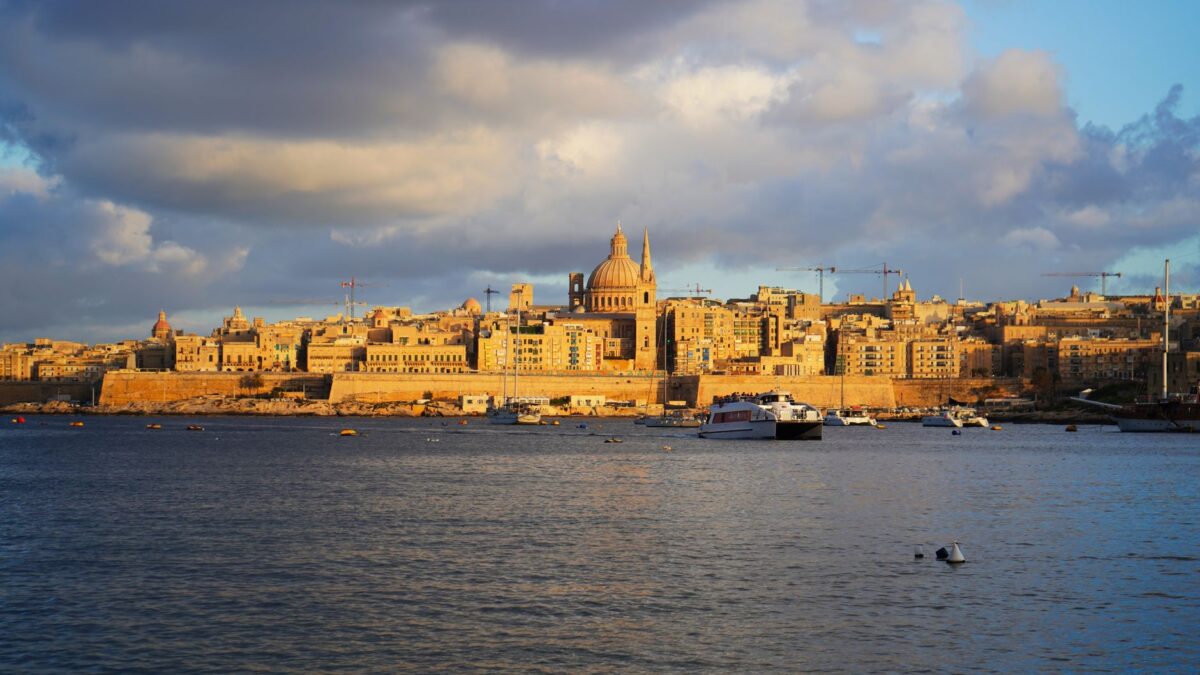
Valletta in early September is a study in golden light and lingering heat. The air still holds that heavy, Mediterranean warmth—feeling closer to 39°C even when the thermometer reads 25–33°C—but the frantic energy of August has finally ebbed. You walk down Republic Street, past the historic Caffè Cordina where locals sip espresso under vaulted ceilings, and feel the city breathe easier. This is the mellow tail end of summer: the sea is warm enough for a daily dip, the big crowds have thinned, and the cultural calendar is kicking into gear with festivals at Floriana’s Granaries and Teatru Manoel. But before you book your flight, you need to know what this stone jewel actually costs. Malta isn’t cheap, but it isn’t London or Paris either. It’s a place where you can eat like a king on street food or dine overlooking the Grand Harbour for a fraction of Western European prices. Let’s break down the real cost of visiting Valletta, based on what I see every day.
Where You’ll Stay: Accommodation Realities
Accommodation in Valletta varies wildly depending on whether you want boutique charm or budget practicality. If you’re looking at monthly rents, which gives you a sense of baseline pricing, a modest one-bedroom flat in the city centre runs about €1,100–1,500 per month. For tourists, short-term stays are higher. You’ll find charming options like Casa Asti or the artistic 1926 La Galerie, but expect to pay a premium for location.
For a realistic budget, look just outside the walls. The Three Cities (Birgu, Senglea, Cospicua) across the harbour offer a quieter, more authentic “old Malta” experience. A ferry ride takes you there in minutes, and rates are often lower. If you prefer staying within the UNESCO-listed walled city, mid-range hotels like The Capital Boutique Hotel or Osborne Hotel will set you back significantly more than hostels or guesthouses in Sliema. Budget travelers should aim for shared spaces or smaller apartments, while those seeking comfort in the heart of the capital should budget €100–€180 per night for a solid private room or studio.
Eating Like a Local vs. Tourist
Food is where you can stretch your euro or watch it vanish quickly. Maltese cuisine is hearty, Mediterranean, and deeply rooted in tradition. The most iconic way to eat here is from a pastizzeria. A pastizzi—a flaky pastry filled with either ricotta cheese or mushy peas—costs roughly €0.60–0.80 each. Two pastizzi and a hot chocolate make a classic Maltese breakfast or lunch for under €3. If you’re hungrier, grab an ftira, a traditional flatbread sandwich loaded with toppings, available at market stalls like Is-Suq tal-Belt for about €5–6.
However, dining out in Valletta can be pricey relative to local wages. An inexpensive meal at a local restaurant or daily special runs around €15. If you want a proper three-course meal at a mid-range restaurant, expect to pay about €40 per person. Drinks add up fast: a cappuccino at a café is approximately €2.50, and a local beer like Cisk lager on a terrace costs around €3.00. For a splurge, rooftop spots like O’Sole Rooftop Garden or Angela’s Valletta offer stunning views but come with a higher price tag. My advice? Enjoy the street food for sustenance and save your dinner budget for a special evening overlooking the harbor.
Getting Around: Buses and Ferries
Valletta itself is pedestrianized, so once you’re in the city center, you don’t need transport. However, to explore the rest of the island—from the Blue Grotto to Dingli Cliffs—you’ll rely on the Tallinja bus network. Single bus fares are about €2–2.50 during the day, though note that cash fares paid to the driver are currently €2.50 in the summer season. Night buses cost slightly more, around €3.
If you plan to move around frequently, the visitor’s 7-day Explore Card is a must-buy. It costs roughly €25 and offers unlimited travel. Be careful: you must tap your card on entry and exit. Failing to do so can result in a hefty €50 fine. For longer stays, residents get a personalized Tallinja card for free travel after a one-off €25 fee, but tourists are limited to the Explore Card or contactless tap-to-pay. The buses are hub-and-spoke from City Gate, so getting lost is easy; use apps or ask locals. Alternatively, ride-hailing via Bolt or eCabs is readily available if you prefer door-to-door convenience without the hassle of transfers.
Attractions and Hidden Gems
Malta’s history is etched into its stone, and many attractions are reasonably priced compared to major European capitals. St John’s Co-Cathedral, with its gilded interior and Caravaggio masterpiece, charges a small entry fee. Fort St Elmo and the National War Museum are also affordable highlights. Don’t miss the Upper & Lower Barrakka Gardens for panoramic views of the Grand Harbour, or the Lascaris War Rooms, where Operation Husky was planned underground.
Some of the best experiences are free or low-cost. Wander through Manderaggio, Valletta’s hidden lower-quarter warren, to see the less-restored, more local side of the city. Stroll along Strait Street (il-Belt), once the red-light district and now a vibrant hub for jazz bars and wine shops. In September, check the schedule for events like the Valletta Guitar Festival at Teatru Manoel or improv shows at Spazju Kreattiv. Science in the City transforms Triton Square in late September with free hands-on exhibits. While entrance fees add up, the sheer density of history means you can easily spend days exploring without breaking the bank.
Daily Budget Breakdown
So, how much do you need per day? Here’s a rough guide based on current prices:
- Budget Traveler (€50–€70/day): Stay in a hostel or shared apartment in Sliema or the Three Cities. Eat pastizzi, ftira, and supermarket snacks. Use the bus pass. Visit free sites like gardens and churches. Drink water or cheap coffee.
- Mid-Range Traveler (€120–€160/day): Private room in Valletta or nearby. Mix street food with one mid-range restaurant meal. Buy the 7-day bus pass. Pay for museum entries. Enjoy a few beers and coffees. Take occasional taxis.
- Comfortable Traveler (€200+/day): Boutique hotel in Valletta. Fine dining experiences, rooftop dinners. Private transfers or frequent ride-hailing. Guided tours. Shopping and entertainment.
Remember, inflation in Malta is around 2.4%, so prices are stable but not falling. The currency is the Euro (EUR). With a GDP per capita of nearly $48,000, Malta is affluent, but tourism drives up costs in peak areas. By eating locally and using public transport, you can experience the magic of Valletta without emptying your wallet. Welcome to the island—enjoy the sun, the history, and the pastizzi.
Frequently asked questions
How much does a single bus ticket cost in Malta?
A single daytime bus fare is approximately €2.50 if paid in cash to the driver. Contactless tap-to-pay may vary slightly, but the standard rate is around €2–2.50. Night buses cost about €3.
What is a typical cost for a meal at a mid-range restaurant in Valletta?
Expect to pay around €40 for a three-course meal for one person at a mid-range restaurant in Valletta. Inexpensive local meals or daily specials cost about €15.
Is there a monthly bus pass for tourists in Malta?
No, there is no true monthly pass for visitors. Tourists can buy a 7-day Explore Card for approximately €25, which allows unlimited travel on the Tallinja bus network.
How much do pastizzi cost in Malta?
Pastizzi, the classic flaky pastry snack, typically cost between €0.60 and €0.80 each at a local pastizzeria. They are an affordable and popular street food option.
Do I need a visa to visit Valletta, Malta?
Malta is in the Schengen Area. EU/EEA/Swiss nationals enter freely. Most other nationalities get visa-free short stays of 90 days in any 180-day period. Longer stays require a national D visa.
Things to do in Malta
 Malta: Private Boat Trip to Comino, Blue Lagoon & Gozo
 Photo Tour in Malta's Most Iconic Spots (Valletta /Mdina /Other)
 Mysteries and Histories of Mdina - Walking Tour
 2hr Gozo Segway Tour
 Special offer
Private Full-Day Yacht Tour in Maltese Islands
Special offer
Private Full-Day Yacht Tour in Maltese Islands
 Malta: Luxury Private Taxi Tours, Customize your itinerary