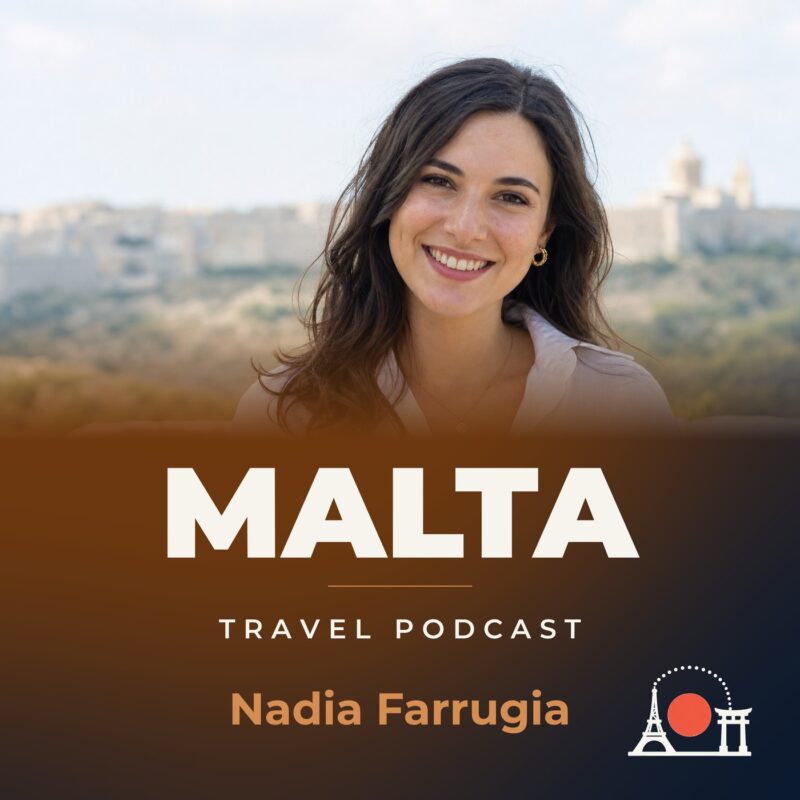
Malta Travel Podcast with Nadia Farrugia
Hosted by Nadia Farrugia — a new episode every day from Malta.
This podcast is about living in Malta slowly enough to notice how the island works: the rocky terraces, the winter rains on the coast, the ferries that tie the three inhabited islands together. Travelling here means adjusting to a small archipelago where history is visible in walls and fortified harbours rather than in museums alone.
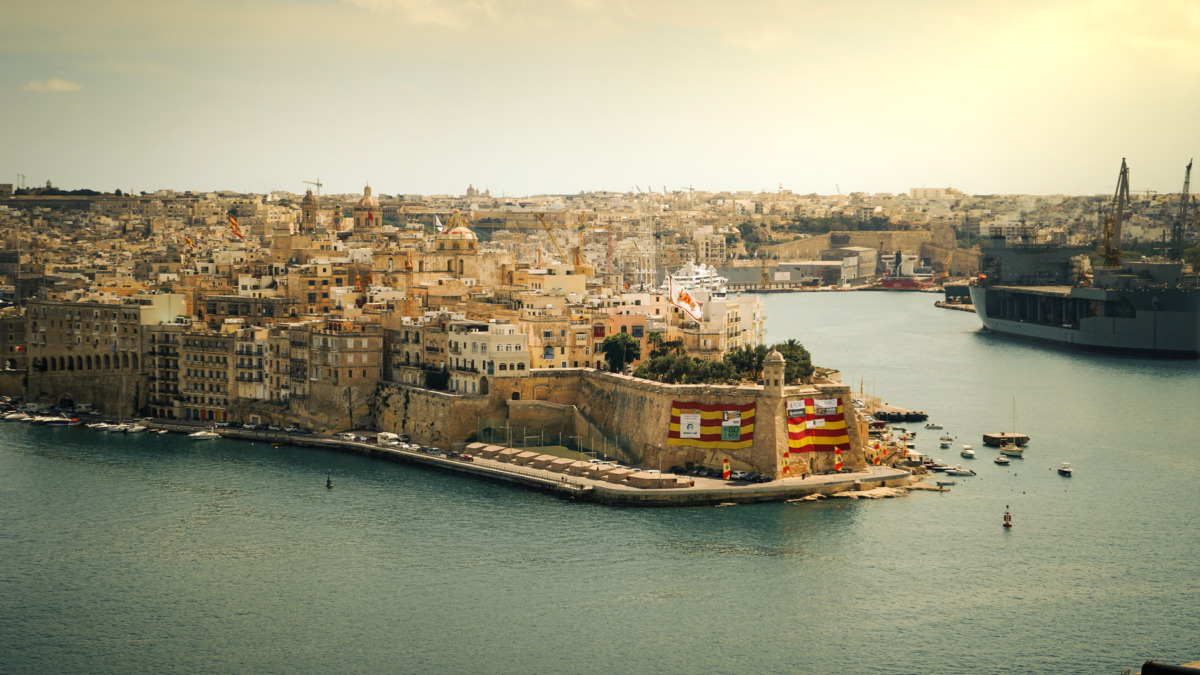
She covers places beyond the main harbours: Valletta’s grid of streets, the walled city of Mdina, Marsaxlokk’s fishing boats on the south-east coast, and the cliffs at Dingli. Each place is treated as somewhere to return to, not just a stop on a tour.
The show follows a longer rhythm: winter rains on the eastern coast, summer heat on the stone, ferry crossings that change with the season. Nadia returns to the same bays and villages, letting each visit add a layer. Knowing a place properly in Malta means learning its weather, its harbours, and the routes between them.
Recent episodes
Things to do in Malta
 Malta: Private Boat Trip to Comino, Blue Lagoon & Gozo
 Photo Tour in Malta's Most Iconic Spots (Valletta /Mdina /Other)
 Mysteries and Histories of Mdina - Walking Tour
 Special offer
Private Full-Day Yacht Tour in Maltese Islands
Special offer
Private Full-Day Yacht Tour in Maltese Islands
 2hr Gozo Segway Tour
 Malta: Luxury Private Taxi Tours, Customize your itinerary
 Comino Blue Lagoon and Gozo Private Boat Charter: Lucky Lady Boat
 Private Boat charter to Crystal & Blue Lagoon, Caves & Comino
Plan your trip to Malta
Getting around
Staying connected
Malta at a glance
Malta in depth
Reference data on the country — geography, people, history, economy and transport.
Geography and climate
Location
Southern Europe, islands in the Mediterranean Sea, south of Sicily (Italy)
Terrain
Mostly low, rocky, flat to dissected plains; many coastal cliffs
Climate
Mediterranean; mild, rainy winters; hot, dry summers
Elevation
- Highest point
- Ta'Dmejrek on Dingli Cliffs 253 m
- Lowest point
- Mediterranean Sea 0 m
Area
- Total
- 316 sq km
- Land
- 316 sq km
- Water
- 0 sq km
Size comparison
Slightly less than twice the size of Washington, D.C.
Coastline
196.8 km (excludes 56 km for the island of Gozo)
Land borders
Total 0 km
Natural resources
Limestone, salt, arable land
Land use
- Agricultural land
- 25.9% (2023 est.)
- Arable land
- 22.8% (2023 est.)
- Permanent crops
- 3.2% (2023 est.)
- Permanent pasture
- 0% (2022 est.)
- Forest
- 1.5% (2023 est.)
- Other
- 66.4% (2023 est.)
Natural hazards
Occasional droughts
Note
The country is an archipelago, with only the three largest islands (Malta, Ghawdex or Gozo, and Kemmuna or Comino) inhabited; numerous bays provide good harbors
People and society
Population
- Total
- 521,828 (2025 est.)
- Male
- 271,180
- Female
- 250,648
Nationality
- Noun
- Maltese (singular and plural)
- Adjective
- Maltese
Ethnic groups
Maltese (descendants of ancient Carthaginians and Phoenicians with strong elements of Italian and other Mediterranean stock)
Languages
Maltese (official) 90.1%, English (official) 6%, multilingual 3%, other 0.9% (2005 est.)
Religions
Roman Catholic (official) more than 90% (2006 est.)
Median age
- Total
- 42.1 years (2025 est.)
- Male
- 42.4 years
- Female
- 44.7 years
Life expectancy
- Total population
- 83.6 years (2024 est.)
- Male
- 81.5 years
- Female
- 85.8 years
Urbanisation
- Urban population
- 94.9% of total population (2023)
- Rate of urbanization
- 0.28% annual rate of change (2020-25 est.)
Where people live
Most of the population lives on the eastern half of Malta, the largest of the three inhabited islands
Largest cities
213,000 VALLETTA (capital) (2018)
Background and government
Background
With a civilization that dates back thousands of years, Malta boasts some of the oldest megalithic sites in the world. Situated in the center of the Mediterranean, Malta’s islands have long served as a strategic military asset, with the islands at various times falling under the control of the Phoenicians, Carthaginians, Greeks, Romans, Byzantines, Moors, Normans, Sicilians, Spanish, Knights of St. John, and French. Most recently a British colony (since 1814), Malta gained its independence in 1964 and declared itself a republic 10 years later. While under British rule, the island staunchly supported the UK through both world wars. Since the mid-1980s, the island has transformed itself into a freight transshipment point, a financial center, and a tourist destination, as its key industries moved toward more service-oriented activities. Malta became an EU member in 2004 and joined the eurozone in 2008.
Government
Parliamentary republic
Capital
Valletta
Time zone
UTC+1 (6 hours ahead of Washington, DC, during Standard Time)
Local name
Repubblika ta' Malta
Independence
21 September 1964 (from the UK)
National day
Independence Day, 21 September (1964); Republic Day, 13 December (1974)
Economy and cost of living
Overview
High-income, EU-member European economy; diversified portfolio; euro user; dependent on food and energy imports; strong tourism, trade, and manufacturing sectors; high North African immigration; large welfare system; educated workforce
GDP per capita
- Real GDP per capita 2024
- $60,500 (2024 est.)
- Real GDP per capita 2023
- $59,300 (2023 est.)
- Real GDP per capita 2022
- $57,800 (2022 est.)
Inflation
- Inflation rate (consumer prices) 2024
- 1.7% (2024 est.)
- Inflation rate (consumer prices) 2023
- 5.1% (2023 est.)
- Inflation rate (consumer prices) 2022
- 6.2% (2022 est.)
Unemployment
- Unemployment rate 2024
- 2.8% (2024 est.)
- Unemployment rate 2023
- 3.2% (2023 est.)
- Unemployment rate 2022
- 3% (2022 est.)
Exchange rate
- Currency
- Euros (EUR) per US dollar -
- Exchange rates 2024
- 0.924 (2024 est.)
- Exchange rates 2023
- 0.925 (2023 est.)
- Exchange rates 2022
- 0.95 (2022 est.)
- Exchange rates 2021
- 0.845 (2021 est.)
- Exchange rates 2020
- 0.876 (2020 est.)
Main industries
Tourism, electronics, ship building and repair, construction, food and beverages, pharmaceuticals, footwear, clothing, tobacco, aviation services, financial services, information technology services
Agriculture
Milk, tomatoes, onions, potatoes, chicken, cauliflower/broccoli, cabbages, pork, pumpkins/squash, watermelons (2023)
Transport and connectivity
Airports
1 (2025)
Ports
- Total ports
- 2 (2024)
- Large
- 0
- Medium
- 1
- Small
- 1
- Very small
- 0
- Ports with oil terminals
- 0
- Key ports
- Marsaxlokk, Valletta Harbors
Internet domain
.mt
Internet users
Percent of population 92% (2023 est.)
Mobile subscriptions
- Total subscriptions
- 767,000 (2024 est.)
- Subscriptions per 100 inhabitants
- 142 (2024 est.)
Environment
Environmental issues
Limited natural freshwater resources; deforestation; wildlife preservation
Fresh water
50.5 million cubic meters (2022 est.)
Country reference figures are periodically revised. Check anything time-sensitive or safety-critical against an official source before you travel.
Malta travel guides
 News & Updates
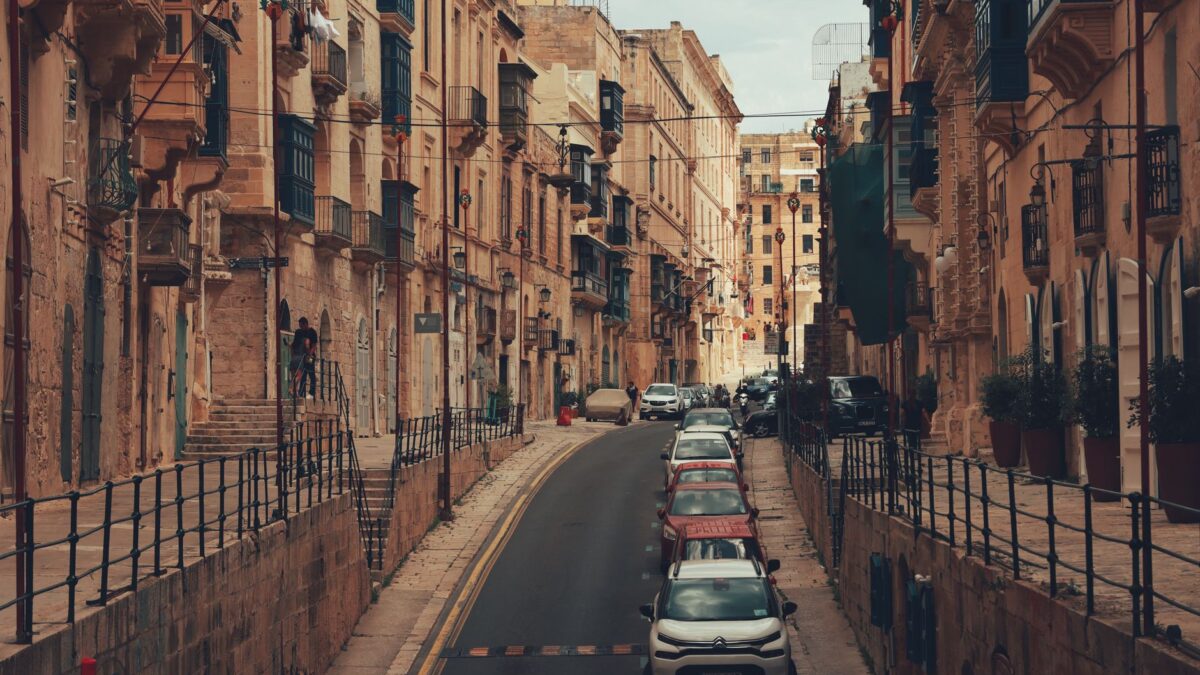
Malta in September 2026: what travelers should know now
Malta in September 2026: weather, festivals, costs, and insider tips for Valletta travelers navigating the post-summer lull.
 Culture & Etiquette
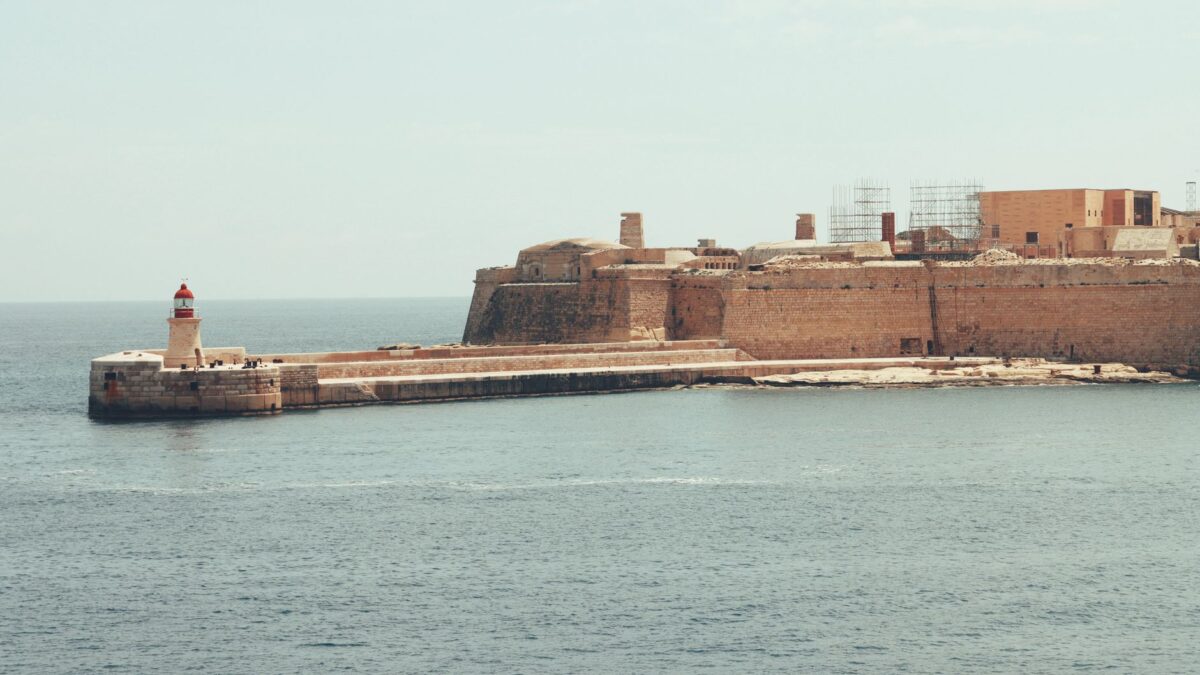
Malta etiquette: the dos and don’ts
Learn Maltese etiquette tips for Valletta: greetings, dining manners, dress codes, and tipping customs for respectful travel.
 Travel Tips
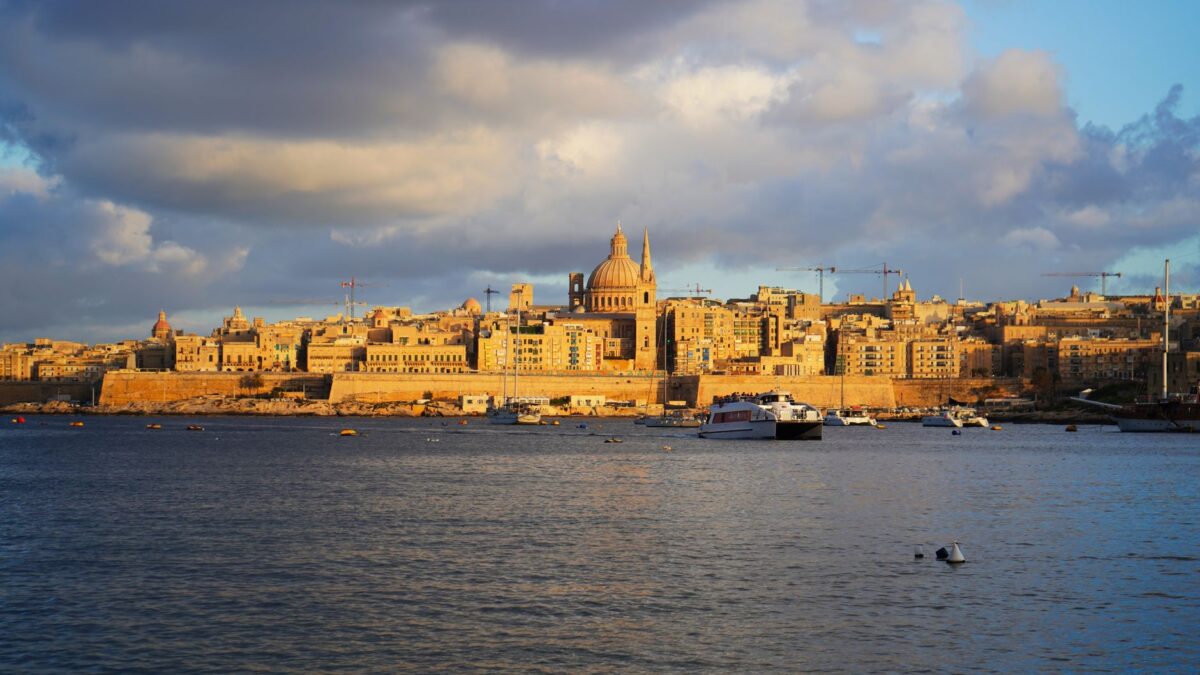
The best time to visit Malta
Discover the best time to visit Malta. From summer regattas to autumn festivals, Nadia Farrugia breaks down weather, crowds, and prices season by season.
 Costs & Money
How much does a trip to Malta cost?
Discover the real cost of a trip to Malta in 2026. Budget breakdown for accommodation, food, transport, and attractions in Valletta. Plan your visit…
Southern Europe
 Spain
SpainSpain Travel Podcast with Mateo Herrera
The Pyrenees run along the northern border; Madrid and Barcelona anchor Spain's largest urban settlements, and the interior summers are hot and…
 Italy
ItalyItaly Travel Podcast with Sofia Romano
The Po River Valley, with its dense population and plains, contrasts sharply with the mountainous terrain that dominates most of Italy.
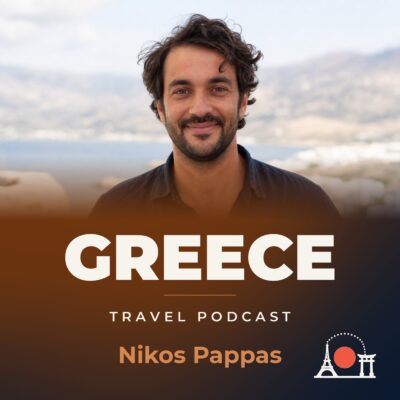 Greece
Greece Travel Podcast with Nikos Pappas
The Peloponnese is a mountainous peninsula with ranges that reach into the Aegean as island chains, while Athens holds one third of…
 Portugal
Portugal Travel Podcast with Inês Carvalho
The westward sweep of the Tagus River divides Portugal’s mountainous north from the rolling southern plains, shaping two distinct worlds in one…