
Iceland in September 2026: what travelers should know now
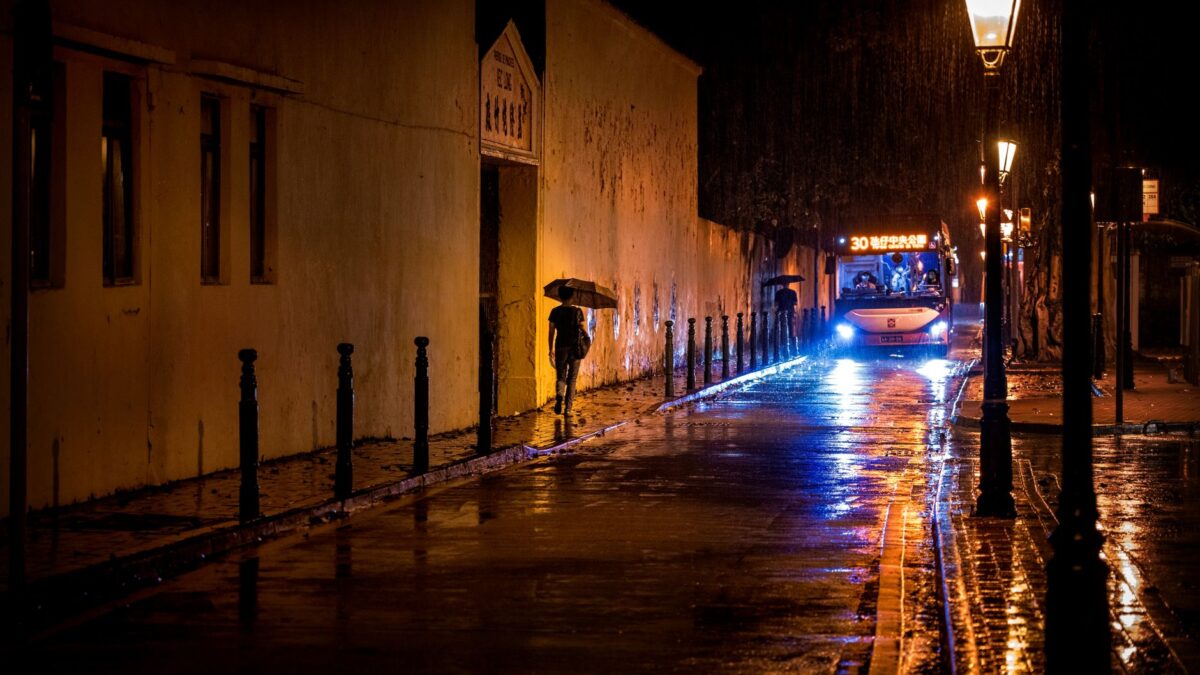
There is a specific smell to Reykjavík in early September. It’s not just the damp wool of your coat or the briny air off the Atlantic; it’s the scent of woodsmoke rising from chimneys as the long summer days begin to shrink. The tourist crush that defined August has finally broken, leaving the streets quieter, the light sharper, and the city ready for its autumn shift. If you are arriving now, you are stepping into the real Iceland—the pivot point where the landscape turns from vibrant green to deep gold, and the cultural calendar snaps shut indoors.
The Seasonal Shift: Weather and Packing
As of today, 6 September 2026, the weather here is holding a steady, moody line between 5°C and 14°C. The thermometer reads around 11°C when you factor in the wind chill, and skies are predominantly overcast. This is classic Icelandic transition weather: cool enough to require layers, but rarely freezing. Days are shortening rapidly, with daylight stretching from roughly 06:24 to 20:25, giving you plenty of time for exploration but demanding respect for the darkening hours.
Packing should prioritize warmth and waterproofing. The countryside is undergoing réttir, the traditional sheep round-ups, which means muddy tracks and brisk winds if you venture outside the capital. Inside Reykjavík, the indoor cultural scene is taking over. You will need a sturdy coat, waterproof boots, and layers that can handle the sudden drop in temperature once the sun dips below the horizon after 8 PM. The city itself is heated by geothermal energy, so indoor spaces are warm, but stepping out into the grey afternoon requires preparation.
Festivals and Cultural Currents
This week, downtown Reykjavík is pulsing with two distinct cultural events that define the local artistic temperament. First, the Extreme Chill Festival runs through this weekend (2–6 September). This is not a mainstream pop event; it is an experimental, ambient, and electronic music gathering spread across iconic venues like Gamla Bíó, Iðnó, Tjarnarbíó, and Space Odyssey. If you enjoy immersive soundscapes and avant-garde performance art, this is the place to be.
Simultaneously, Erlendur Fashion Week Iceland is hosting its third edition inside the Whales of Iceland Museum in the harbour district (3–6 September). This event showcases both local and international designers, turning the museum’s industrial space into a runway. For visitors, these events signal that Reykjavík’s nightlife and cultural offerings are shifting from outdoor festivals to intimate, venue-based experiences. Check tickets immediately, as these niche events sell out quickly among locals who value supporting the domestic arts.
Political and Social Context
You cannot walk through Reykjavík this month without sensing the weight of recent political shifts. On 29 August, Iceland held a referendum on restarting EU accession talks. The national result was a narrow ‘no’ vote at 52.8%, with high turnout at 82.5%. However, the conversation here is nuanced: urban constituencies in Reykjavík actually voted ‘yes’. This divide is dominating news cycles and dinner conversations right now, reflecting a broader tension between the capital’s cosmopolitan outlook and the rest of the country.
Locally, there are practical changes affecting daily life. As of 5 September, the city executive approved cuts to downtown parking fees and revised rules. If you are driving, expect to see new meters and signs around the centre changing in the coming weeks. Additionally, the Sævarhöfði caravan settlement near the airport is in the news; facilities are closing, with utilities cut off from 1 November. While this does not impact most tourists, it is a significant local story regarding housing and urban planning.
Costs, Transit, and Practical Tips
Reykjavík remains one of Europe’s priciest capitals, though costs are slightly more stable now than in the peak of August. A modest one-bedroom flat in the city centre rents for approximately 230,000–330,000 ISK per month. For travelers, hotel rates have softened compared to last month, with mid-range options averaging around 22,000–30,000 ISK ($190) per night. Dining out is expensive: a meal at Hlemmur Mathöll or Grandi Mathöll runs about 2,500–3,500 ISK ($22), while a classic lamb soup (kjötsúpa) is roughly 2,500–3,000 ISK ($20).
Transportation is straightforward but cashless. Strætó buses are the primary public transit option. Since June 2025, cash is no longer accepted on board. You must pay using the Klappið app, a Klapp card, or tap your contactless debit/credit card directly. A single adult fare is 690 ISK ($5), and a 30-day pass is 11,600 ISK ($85). For short stays, paying per ride is usually sufficient unless you are moving constantly between districts like Miðborg and Grandi.
Visa-free entry applies for US, UK, and EU citizens for up to 90 days. Remember, Iceland is nearly cashless. Carry cards everywhere—even for a hot dog at Bæjarins Beztu (~600 ISK/$4) or coffee (~700 ISK/$5). If you need mobile data, tourist SIMs are available at the Keflavík arrivals hall or via eSIM apps like Airalo before you land. Note that EU roaming rules do not apply here, so avoid surprise charges.
Safety and Local Etiquette
Reykjavík is exceptionally safe. Violent crime is rare, and walking at night in areas like Laugavegur or Vesturbær is generally fine. However, always check vedur.is (the Icelandic Met Office) if you plan day trips outside the city. Weather changes instantly, and roads can become impassable within minutes. The emergency number is 112.
A somber note: recently, a tragic car accident south of Reykjavík claimed three young lives, prompting national mourning. This serves as a reminder to drive cautiously, especially on rural roads like Krýsuvíkurvegur where conditions can be deceptive. Respect local customs: do not step on rocks or grass outside marked paths, and always shower before entering any geothermal pool, including the popular Laugardalslaug.
In the coming weeks, embrace the grey skies and the cozy interiors. Visit Harpa for a concert, wander the Sun Voyager sculpture at sunset, and find a quiet corner in Café Babalú to watch the rain fall. This is the best time to experience Reykjavík not as a backdrop for photos, but as a living, breathing city settling into its winter rhythm.
Frequently asked questions
Is it safe to travel to Iceland in September 2026?
Yes, Reykjavík is very safe with low crime rates. However, weather conditions can change rapidly, so always check vedur.is before traveling outside the capital. Recent road safety concerns highlight the need for cautious driving.
What major events are happening in Reykjavík this week?
The Extreme Chill Festival (ambient/electronic music) runs until 6 September at venues like Gamla Bíó and Iðnó. Erlendur Fashion Week is also taking place at the Whales of Iceland Museum from 3–6 September.
Do I need cash for public transport in Reykjavík?
No. Cash is no longer accepted on Strætó buses. You must pay using the Klappið app, a Klapp card, or by tapping a contactless credit/debit card on board. Single fares are approximately 690 ISK.
How much does a typical meal cost in Reykjavík now?
Meals are pricey. Expect to pay around 2,500–3,500 ISK ($22) for a meal at a food hall like Hlemmur Mathöll, or 2,500–3,000 ISK ($20) for a bowl of lamb soup at an inexpensive local restaurant.
Is the EU referendum result affecting tourism?
The recent 'no' vote in the national referendum is a dominant topic in local news and conversation, reflecting urban-rural divides. It does not affect travel logistics, visas, or safety for visitors.
Things to do in Iceland
 Private Jökulsárlón Glacier Lagoon 2 Day Tour & Glacier Hike
 Private 2-Day Glacier Lagoon, Ice Cave and Northern Lights
 Glacier Adventure at Sólheimajökull Private Tour
 Reykjavík Bay Jet ski tour
 Reykjavik Private Northern Lights Tour with Pro Photographer
 Reykjanes Peninsula Private Day Tour - up to 9 passengers