

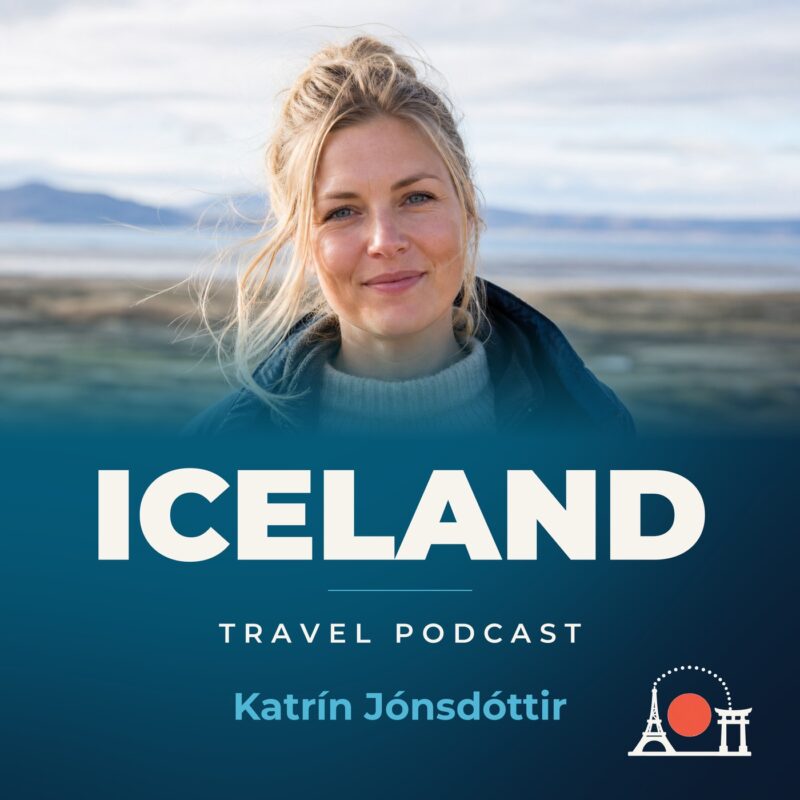
Iceland Travel Podcast with Katrín Jónsdóttir
Hosted by Katrín Jónsdóttir — a new episode every day from Iceland.
This podcast tracks one resident across Iceland over a couple of years, learning each area before moving on. The terrain is mostly plateau, with icefields, mountain peaks, and fiords deeply indenting a coast that holds almost the entire population. Half of that population is around Reykjavík, the capital and largest city.
The host’s range moves from the capital, Reykjavík, north to Akureyri, out to the Snæfellsnes peninsula, and up to Hornstrandir. Askja, in the highland interior, is a reminder of the volcanic history that shaped migration. Around the coast, the North Atlantic Current moderates the climate and opens the land into bays and fiords.
The series unfolds slowly, returning to the same Icelandic places as the seasons change. A damp, cool summer turns into a mild, windy winter, and the short daylight changes how the plateau and fiords appear. Each return adds a layer, until knowing a place properly feels like a resident’s knowledge.
Recent episodes
Things to do in Iceland
 Private Jökulsárlón Glacier Lagoon 2 Day Tour & Glacier Hike
 Private 2-Day Glacier Lagoon, Ice Cave and Northern Lights
 Glacier Adventure at Sólheimajökull Private Tour
 Reykjavík Bay Jet ski tour
 Reykjavik Private Northern Lights Tour with Pro Photographer
 Reykjanes Peninsula Private Day Tour - up to 9 passengers
 Hidden Trails of Iceland
 Hiking with Husky in Akureyri
Plan your trip to Iceland
Getting around
Staying connected
Iceland at a glance
Iceland in depth
Reference data on the country — geography, people, history, economy and transport.
Geography and climate
Location
Northern Europe, island between the Greenland Sea and the North Atlantic Ocean, northwest of the United Kingdom
Terrain
Mostly plateau interspersed with mountain peaks, icefields; coast deeply indented by bays and fiords
Climate
Temperate; moderated by North Atlantic Current; mild, windy winters; damp, cool summers
Elevation
- Highest point
- Hvannadalshnukur (at Vatnajokull Glacier) 2,110 m
- Lowest point
- Atlantic Ocean 0 m
- Mean elevation
- 557 m
Area
- Total
- 103,000 sq km
- Land
- 100,250 sq km
- Water
- 2,750 sq km
Size comparison
Slightly smaller than Pennsylvania; about the same size as Kentucky
Coastline
4,970 km
Land borders
Total 0 km
Natural resources
Fish, hydropower, geothermal power, diatomite
Land use
- Agricultural land
- 16.2% (2023 est.)
- Arable land
- 1.2% (2023 est.)
- Permanent crops
- 0% (2022 est.)
- Permanent pasture
- 15% (2023 est.)
- Forest
- 0.6% (2023 est.)
- Other
- 82.6% (2023 est.)
Natural hazards
Earthquakes and volcanic activity
Volcanism: Iceland is situated on top of a hotspot and experiences severe volcanic activity; Eyjafjallajokull (1,666 m) erupted in 2010, sending ash high into the atmosphere and seriously disrupting European air traffic; scientists continue to monitor nearby Katla (1,512 m), which has a high probability of eruption; Grimsvoetn and Hekla are Iceland's most active volcanoes; other historically active volcanoes include Askja, Bardarbunga, Brennisteinsfjoll, Esjufjoll, Hengill, Krafla, Krisuvik, Kverkfjoll, Oraefajokull, Reykjanes, Torfajokull, and Vestmannaeyjar
Note
Strategic location between Greenland and Europe; westernmost European country; Reykjavik is the northernmost national capital in the world; more land covered by glaciers than in all of continental Europe
People and society
Population
- Total
- 364,036 (2024 est.)
- Male
- 182,268
- Female
- 181,768
Nationality
- Noun
- Icelander(s)
- Adjective
- Icelandic
Ethnic groups
Icelandic 78.7%, Polish 5.8%, Danish 1%, Ukrainian 1%, other 13.5% (2024 est.)
Languages
Icelandic, English, Polish, Nordic languages, German
Religions
Evangelical Lutheran Church of Iceland (official) 58.6% Roman Catholic 3.8%, Independent Congregation of Reykjavik 2.6%, Independent Congregation of Hafnarfjordur 1.9%, pagan worship 1.5%, Icelandic Ethical Humanist Association 1.4%, other (includes Zuist and Pentecostal) or unspecified 18.7%, none 7.7% (2024 est.)
Median age
- Total
- 38.2 years (2025 est.)
- Male
- 37.4 years
- Female
- 38.6 years
Life expectancy
- Total population
- 84 years (2024 est.)
- Male
- 81.8 years
- Female
- 86.3 years
Urbanisation
- Urban population
- 94% of total population (2023)
- Rate of urbanization
- 0.74% annual rate of change (2020-25 est.)
Where people live
Iceland is almost entirely urban, with half of the population located in and around the capital of Reykjavik; smaller clusters are primarily found along the coast in the north and west
Largest cities
216,000 REYKJAVIK (capital) (2018)
Background and government
Background
Settled by Norwegian and Celtic (Scottish and Irish) immigrants during the late 9th and 10th centuries A.D., Iceland boasts the world's oldest functioning legislative assembly, the Althingi, which was established in 930. Independent for over 300 years, Iceland was subsequently ruled by Norway and Denmark. Fallout from the Askja volcano of 1875 devastated the Icelandic economy and caused widespread famine. Over the next quarter-century, 20% of the island's population emigrated, mostly to Canada and the US. Denmark granted limited home rule in 1874 and complete independence in 1944. The second half of the 20th century saw substantial economic growth driven primarily by the fishing industry. The economy diversified greatly after the country joined the European Economic Area in 1994, but the global financial crisis hit Iceland especially hard in the years after 2008. The economy is now on an upward trajectory, primarily thanks to a tourism and construction boom. Literacy, longevity, and social cohesion are first-rate by world standards.
Government
Unitary parliamentary republic
Capital
Reykjavik
Time zone
UTC 0 (5 hours ahead of Washington, DC, during Standard Time)
Local name
None
Independence
1 December 1918 (became a sovereign state under the Danish Crown); 17 June 1944 (from Denmark; birthday of Jon SIGURDSSON, leader of Iceland's 19th-century independence movement)
National day
Independence Day, 17 June (1944)
Economy and cost of living
Overview
High-income North Atlantic island economy; not an EU member but market integration via European Economic Area (EEA); dominant tourism, fishing, and aluminum industries vulnerable to demand swings and disruption from volcanic activity; inflation remains above target rate; barriers to foreign business access and economic diversification
GDP per capita
- Real GDP per capita 2024
- $65,600 (2024 est.)
- Real GDP per capita 2023
- $67,200 (2023 est.)
- Real GDP per capita 2022
- $65,500 (2022 est.)
Inflation
- Inflation rate (consumer prices) 2024
- 5.9% (2024 est.)
- Inflation rate (consumer prices) 2023
- 8.7% (2023 est.)
- Inflation rate (consumer prices) 2022
- 8.3% (2022 est.)
Unemployment
- Unemployment rate 2024
- 3.2% (2024 est.)
- Unemployment rate 2023
- 3.6% (2023 est.)
- Unemployment rate 2022
- 3.8% (2022 est.)
Exchange rate
- Currency
- Icelandic kronur (ISK) per US dollar -
- Exchange rates 2024
- 137.958 (2024 est.)
- Exchange rates 2023
- 137.943 (2023 est.)
- Exchange rates 2022
- 135.28 (2022 est.)
- Exchange rates 2021
- 126.989 (2021 est.)
- Exchange rates 2020
- 135.422 (2020 est.)
Main industries
Tourism, fish processing; aluminum smelting; geothermal power, hydropower; medical/pharmaceutical products
Agriculture
Milk, chicken, lamb/mutton, barley, potatoes, pork, beef, eggs, other meats, cucumbers/gherkins (2023)
Transport and connectivity
Airports
82 (2025)
Ports
- Total ports
- 43 (2024)
- Large
- 0
- Medium
- 2
- Small
- 2
- Very small
- 17
- Size unknown
- 22
- Ports with oil terminals
- 5
- Key ports
- Grundartangi, Reykjavik, Seydhisfjordhur, Vestmannaeyjar
Internet domain
.is
Internet users
Percent of population 100% (2023 est.)
Mobile subscriptions
- Total subscriptions
- 478,000 (2023 est.)
- Subscriptions per 100 inhabitants
- 123 (2022 est.)
Environment
Environmental issues
Water pollution from fertilizer runoff
Fresh water
170 billion cubic meters (2022 est.)
UNESCO Global Geoparks
- Total global geoparks and regional networks
- 2
- Global geoparks and regional networks
- Katla; Reykjanes (2023)
Country reference figures are periodically revised. Check anything time-sensitive or safety-critical against an official source before you travel.
Iceland travel guides
 News & Updates
Iceland in September 2026: what travelers should know now
Iceland travel briefing September 2026: weather, festivals, EU referendum context, and practical tips for Reykjavík.
 News & Updates
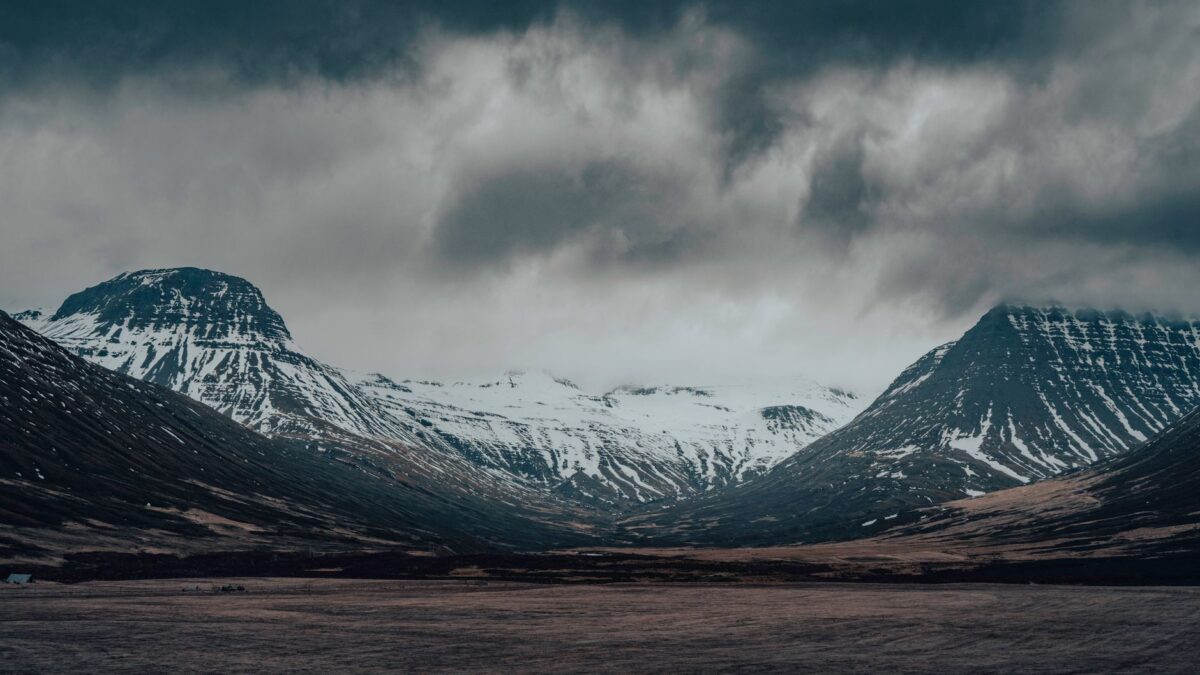
Iceland in August 2026: what travelers should know now
Iceland in August 2026: current weather, bus fares, costs, and local tips for Reykjavík from a local. Plan your late-summer trip now.
 Getting Around
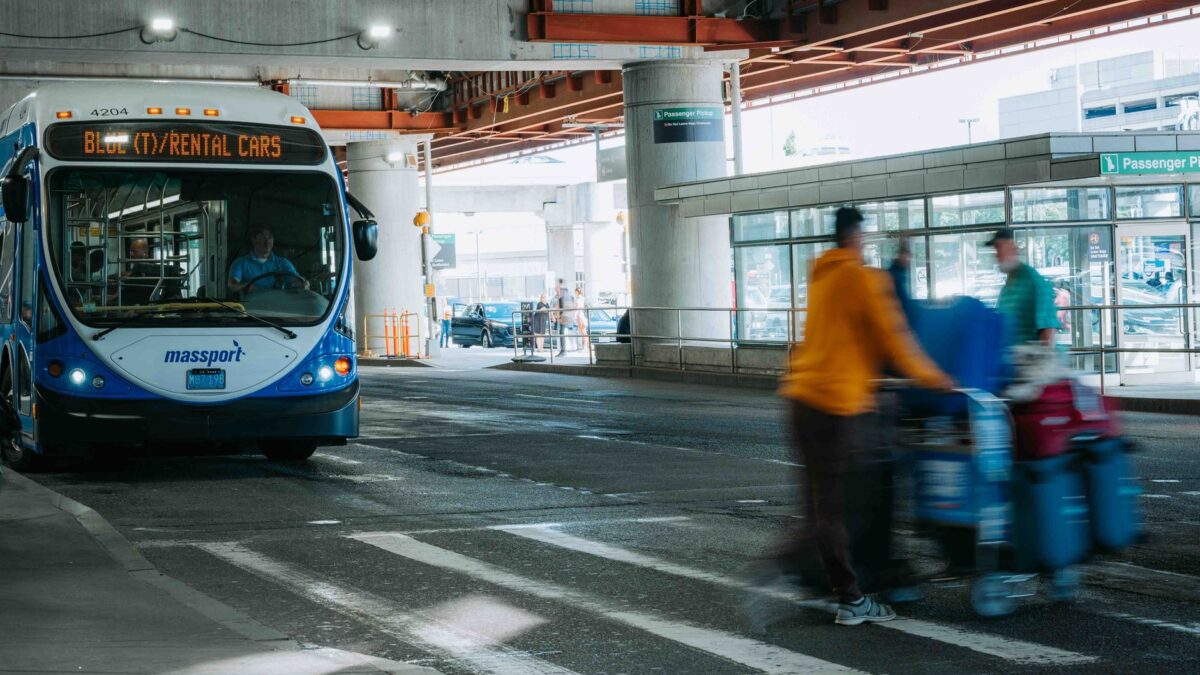
From the airport into Reykjavík: every option and what it costs
From Keflavík Airport to Reykjavík: bus, taxi, or transfer? Real 2026 fares in ISK, journey times, and my local pick for every traveler.
Northern Europe
 United Kingdom
United Kingdom Travel Podcast with Oliver Hughes
The Scottish lowlands between Edinburgh and Glasgow sit under overcast skies brought by the North Atlantic Current and prevailing southwest winds.
 Ireland
Ireland Travel Podcast with Saoirse Byrne
The western seaboard's sea cliffs face the North Atlantic, while over 40% of the population lives within 100 km of Dublin.
 Denmark
Denmark Travel Podcast with Freja Andersen
The Danish Archipelago's low, gently rolling terrain means no point in the country lies far from the coast, and its more than…
 Sweden
Sweden Travel Podcast with Anton Lindqvist
The Baltic coast holds most of Sweden's population clusters, while the interior north remains sparsely populated and subarctic, and the Danish Straits…