

A week in Dodoma on a mid-range budget
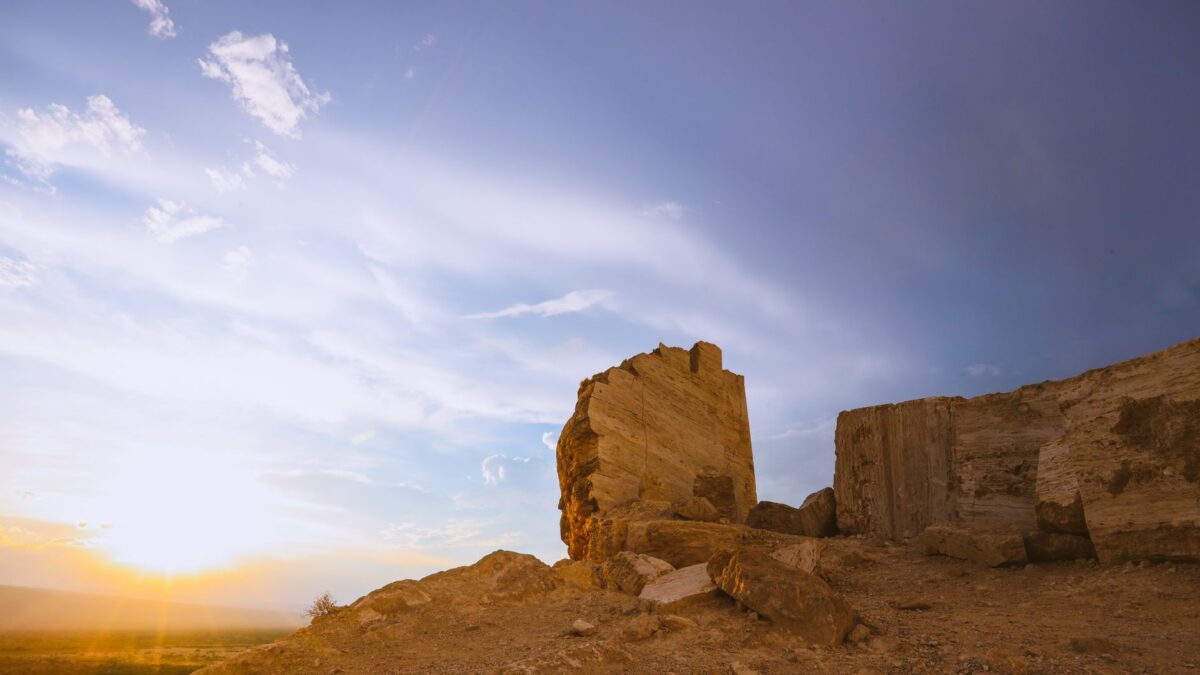
Dodoma does not whisper; it announces itself in heat and dust. By mid-morning, the sun bakes the red earth of the central plateau until the air shimmers above Nyerere Square. Yet, as the afternoon wears on and the temperature drops from that fierce 29°C high to a cool 16°C evening, the city reveals its true rhythm: a quiet, administrative heartbeat slowing down for the night. This is the tail end of the long dry season, where the dust settles into every crease of your clothes but the nights are refreshingly crisp. For the traveler willing to trade the coastal humidity for this arid clarity, Dodoma offers a grounded, authentic slice of Tanzania’s political and cultural heart—without the price tag of Dar es Salaam.
Where You Sleep: The Area D Comfort Zone
Your base camp should be in Area D. Unlike the bustling chaos of Majengo or the student-energy of Mlimwa, Area D is the planned, upscale residential quarter. It is quiet, secure, and blessed with reliable electricity—a luxury not always guaranteed in older parts of town. Here, you will find cafes like Bao Café and the grounds of the Morena Hotel, where life moves at a measured pace.
For accommodation, you do not need to break the bank. A night in a mid-range hotel here, such as The Residence Hotel Dodoma or Spring Hills Hotel Dodoma, typically runs between 80,000 and 120,000 TZS (about $40). This gets you a standard single room with clean sheets, hot water, and Wi-Fi that actually works. If you are feeling frugal, budget guesthouses in the same area can drop that cost to around 30,000–40,000 TZS ($13), though amenities may be simpler. Avoid guessing prices for transit or entry fees elsewhere; stick to these verified lodging rates, as they anchor your week’s budget firmly.
Eating Like a Local: Under 10,000 TZS
Culinary exploration in Dodoma is affordable and deeply satisfying. You can eat well without spending more than a small fortune. An inexpensive local restaurant meal—think ugali, beans, and fresh greens—will set you back roughly 7,000 to 12,000 TZS, averaging around 9,500 TZS ($4). Head to Waswanu Pub or Golden Fork for hearty portions that fuel you against the dry wind.
If you wish to celebrate an evening with a proper dinner, a three-course meal for two at a mid-range spot like The Baobab Restaurant By Multi Cable Ltd or Chef’s pride will cost between 50,000 and 100,000 TZS ($29). Do not forget to try Dodoma’s claim to fame: wine. As Tanzania’s wine capital, home to vineyards producing famous reds from Tanganyika Vineyards and CETAWICO, pairing your nyama choma with a local bottle is a must. A domestic draft beer, like Safari or Kilimanjaro, costs about 2,000–3,000 TZS ($1.0). Even a cappuccino at Kahawa Cafe is reasonably priced at around 5,000 TZS ($1.9).
Moving Through the City: Cash is King
Dodoma has no branded city transit card. Your mobility depends on cash, mobile money, and negotiation. While I could not corroborate exact current fares for daladala minibuses due to their fluid nature, you should carry small TZS notes. Bajaji tuk-tuks are ubiquitous and convenient for short hops within Area D or toward the government quarter. For intercity travel, the Standard Gauge Railway (SGR) connects you to Dar es Salaam in about three to four hours, offering a smooth alternative to the dusty roads.
Safety-wise, Dodoma is calm and generally safer than larger metropolises, but keep your eVisa copies handy. Immigration checks can be strict, and power cuts still occur. Use Vodacom’s M-Pesa or Airtel/Tigo mobile money for larger transactions, but keep physical cash for market stalls and small vendors. Buy a local SIM from any major provider at an official shop upon arrival; registration requires your passport.
A Week of Sights: From Geology to Government
Your itinerary should balance the grandeur of state architecture with the intimacy of local culture. Start your mornings at Lion Rock (Simba Hill). It is a short hike from the center, and the granite dome offers a panoramic view of the city waking up. The early morning light here, before the dust fully rises, is spectacular.
In the city center, walk through Nyerere Square. The public gardens are ringed by hawkers selling Maasai beadwork and Makonde ebony carvings. Just nearby stands the Anglican Cathedral, an octagonal stone structure with a tiled dome that dominates the skyline. For a different perspective, visit the Gaddafi Mosque. Opened in 2010 with Libyan funding, its pink and white domes and minaret provide 360-degree views if you climb to the top.
The political landscape is visible everywhere. The Bunge (National Assembly) complex sits austere and imposing near Nyerere Square. Public access is limited during sessions, but the exterior is worth photographing. Note that with Parliament adjourned until late October, the Bunge area is quieter, giving you space to reflect on Dodoma’s role as the new capital since 2006.
For a touch of science, visit the Museum of Geosciences opposite the post office. It is a quick, cheap stop for mineral and fossil enthusiasts. In the evenings, take a drive toward Msalato, famous for its Saturday meat market and string of family-run wineries. The energy here is raw and commercial, a stark contrast to the serene government quarters.
Practicalities for the Smart Traveler
Before you arrive, ensure your eVisa is approved via visa.immigration.go.tz. A single-entry visa is about $50. If you are staying longer or working, you will need a Class C residence permit arranged through the Prime Minister’s Office, along with a TIN from the TRA for banking. Opening an account at CRDB or NMB Bank requires your passport, permit, TIN, and proof of address.
Be prepared for the climate. September is hot and dry, but nights are cool. Pack layers. The city is undergoing massive transformation with the Mtumba Government City project, so expect construction noise and dust. However, this also means new infrastructure and a sense of forward momentum. Whether you are watching Jiji FC play at the stadium or simply enjoying the silence of Area D at dusk, Dodoma rewards those who look beyond the surface. It is a city of contrasts: dusty yet dignified, quiet yet busy, traditional yet modernizing. Come for the week, stay for the perspective.
Frequently asked questions
How much does a mid-range hotel cost in Dodoma?
A standard single room in a mid-range hotel like The Residence Hotel or Spring Hills costs between 80,000 and 120,000 TZS (approx. $40).
What is the best area to stay in Dodoma?
Area D is recommended for travelers seeking a quiet, upscale residential zone with reliable power, safe streets, and easy access to cafes and hotels.
Do I need cash or can I use cards in Dodoma?
Cash (TZS) is essential for markets and small transport. Mobile money (M-Pesa/Airtel Money) is widely accepted for larger transactions, while cards work mainly at big hotels.
Is Dodoma safe for tourists?
Yes, Dodoma is generally calm and has lower crime rates than Dar es Salaam, though visitors should keep copies of their immigration documents handy.


