The best time to visit Slovakia
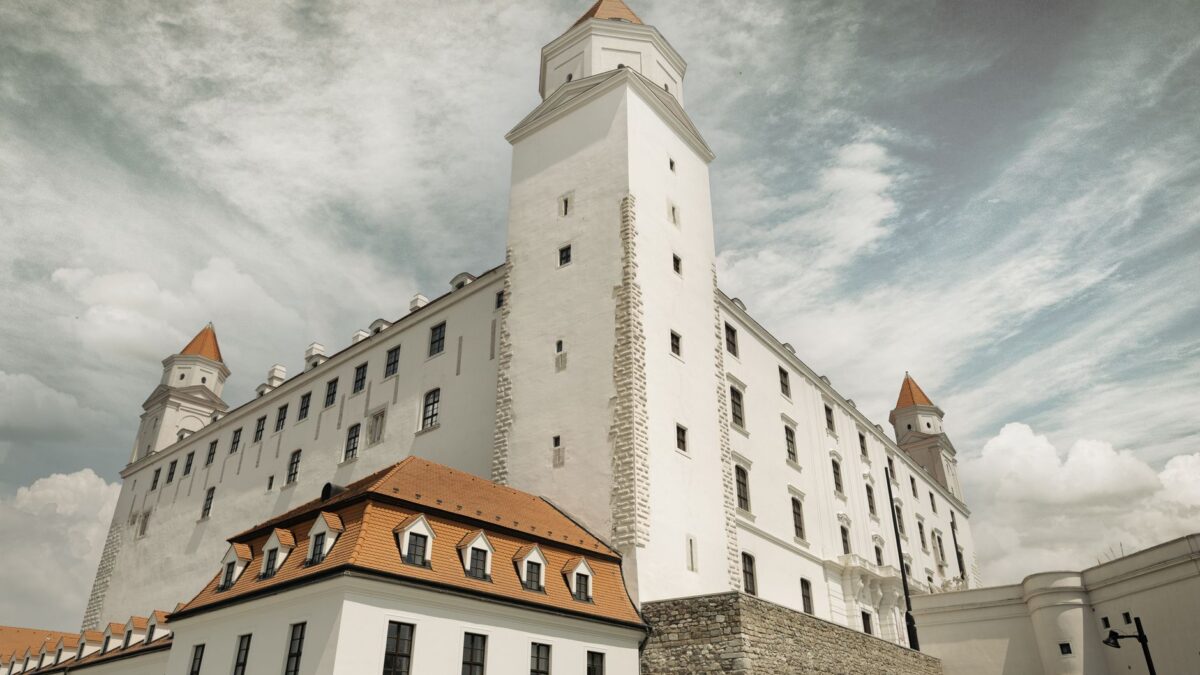
There is a specific, golden quality to Bratislava in early September that feels like the city is holding its breath. The heat of July has broken, but the chill of November hasn’t yet arrived. As I walk from my apartment in Nové Mesto toward the Danube, the air smells of roasted coffee and the faint, yeasty promise of burčiak—the young, sparkling wine that signals the grape harvest is just around the corner. It is a transitional month where the tourist crowds thin out, the locals reclaim their parks, and the city shifts from summer tourism mode to autumn rhythm. If you are planning your trip, this is arguably the sweet spot.
Early Autumn: The Sweet Spot (September)
September offers the most balanced experience for visitors. The weather is mild, typically hovering between 14°C and 27°C, though overcast skies can roll in quickly off the Little Carpathians. It is perfect walking weather for navigating the cobblestones of Staré Mesto without breaking a sweat. This is also when the cultural calendar wakes up. Just a few days into the month, you might catch the specialty-coffee festival Fest Čierny Deň at the Mlynica hall, or head to Bratislava Castle for the Castle Flow rap festival, which brings local hip-hop energy to the historic grounds.
Prices here are reasonable for a Western European capital. You can expect a meal at an inexpensive local restaurant to cost about €10, while a set lunch (denné menu) runs roughly €9. For a proper evening out, a three-course meal for two at a mid-range spot will set you back around €60. Public transport remains incredibly affordable; a single 30-minute tram or bus ticket is just €1.20, or €1.09 if you buy via the app. However, be aware that this is school start month. Trams 3 and 4 return to Špitálska, and traffic patterns shift as commuters adjust to new timetables. Also, keep an eye on local notices; major works at the main station may truncate some regional trains until December, so check connections if you plan day trips to Nitra or Trnava.
Winter Magic and Holiday Cheer (December–February)
If you love snow and market stalls, December is when Bratislava transforms. The Old Town squares fill with wooden chalets selling mulled wine, gingerbread, and crafts. The atmosphere is festive, especially leading up to Christmas, but it is also the coldest time of year. Temperatures often drop below freezing, and daylight hours are short. Crowds peak during the week before Christmas, so book accommodation well in advance.
Costs remain stable, but winter activities require layering. A cappuccino in a cozy café like Foxford or Doppio Café costs around €3.10, a small comfort against the chill. Domestic draft beer in a pub is still a bargain at approximately €3.00 for 0.5 liters. While the city is safe, the wet cold can make walking the hill to Bratislava Castle slippery. Consider taking the funicular or a taxi if the ice is thick. February is quieter, colder, and cheaper, making it ideal for budget travelers who don’t mind bundling up.
Spring Awakening (March–May)
March is unpredictable. You might see snow melting on Kamzík ridge or feel sudden warmth. By April, Sad Janka Kráľa park in Petržalka begins to bloom, offering a peaceful escape from the city center. May is lovely, with temperatures rising and gardens in full swing. This is a great time to visit Devín Castle, perched on the cliff at the Danube-Morava confluence, where peregrine falcons nest and the view into Austria is clear.
Spring prices are moderate. A loaf of bread costs about €1.50, and milk is roughly €1.20 at supermarkets like Lidl or Kaufland. Transit passes are cheap, with a monthly pass costing only €40.50 for residents, though tourists can opt for daily tickets. Be cautious of lingering rain; the Little Carpathians can trigger sudden downpours. This season is less crowded than summer, allowing for easier access to attractions like the Blue Church or Michael’s Gate without long queues.
Summer Heat and High Season (June–August)
Summer brings heat and crowds. July and August can see temperatures exceeding 30°C, making midday sightseeing uncomfortable. The city fills with international tourists, particularly around Hlavné námestie and near the UFO Bridge. Nightlife along Obchodná and Ventúrska streets is vibrant but noisy. Prices for accommodation spike, and restaurants are busier, though food costs remain similar to other seasons.
This is the best time for outdoor festivals and riverside picnics. The Danube banks come alive with activity. However, pickpocketing is more common in crowded areas, so stay vigilant. If you visit, consider staying in Ružinov or Nové Mesto for better value and easier access to Miletičova Market, where you can buy fresh produce and local specialties. Summer is also peak season for vineyard tours in Rača, where the Vinobranie harvest festivals celebrate the end of the grape picking season.
Practical Tips for Any Season
Slovakia uses the Euro, and inflation has kept prices steady but noticeable. A modest one-bedroom flat rents for around €850 monthly, reflecting the city’s growing popularity. For visitors, note that Slovakia is in the Schengen area. US, UK, Canadian, Australian, and New Zealand citizens enter visa-free for 90 days, but the EU’s ETIAS pre-travel authorization (€7) rolls out in 2026, so check requirements before booking. Passports must be valid for at least three months beyond your stay.
Transport is efficient. The IDS BK system integrates trams, buses, and trolleybuses. Buy tickets via the app to save money. For day trips, Vienna is just an hour away by train from Hlavná Stanica. Safety is generally high, but report any incidents to the police. If you stay longer than 90 days, register with the Foreigners’ Police on Tomášikova street. Banking is easy with Tatra banka or Slovenská sporiteľňa, and mobile SIM cards are available at Orange or O2 shops with ID registration.
Frequently asked questions
Is September a good time to visit Bratislava?
Yes, September is ideal. Weather is mild (14–27°C), crowds thin, and prices remain moderate. Local festivals like Fest Čierny Deň and harvest events add cultural richness.
How much does a meal cost in Bratislava?
An inexpensive meal costs about €10, a set lunch around €9, and a three-course meal for two at a mid-range restaurant is approximately €60. Beer is ~€3.00.
Do I need a visa for Slovakia in 2026?
US, UK, Canadian, Australian, and NZ citizens enter visa-free for 90 days. However, the EU’s ETIAS pre-travel authorization (€7) launches in 2026 for these nationals, so apply beforehand.
What is the cheapest way to get around Bratislava?
Public transport via DPB/IDS BK is cheapest. Single tickets are €1.20 (€1.09 via app). Monthly passes for residents are €40.50. Tourists can use daily tickets or the City Card.
When is the best time to see Devín Castle?
Spring (April-May) and early autumn (September) offer mild weather and fewer crowds. Summer is hot but lively; winter can be icy and cold. The site is accessible year-round.
Things to do in Slovakia
 Private Hiking Tour Visit to Slovakia with Licensed Guide
 Military Guns Shooting Experience with GunMates Bratislava
 Special offer
5-Course Traditional Bratislava Food Tour with Local Guide
Special offer
5-Course Traditional Bratislava Food Tour with Local Guide
 Bratislava Off the Beaten Path Tour - recommended also by Rick Steves
 Likely to sell out
Private Day Trip to Banska Stiavnica Unesco Site
Likely to sell out
Private Day Trip to Banska Stiavnica Unesco Site
 Kalashnikov, Pistol & Sniper Rifle Shooting in BratislavaShootingClub PLUS