

How much does a trip to China cost?
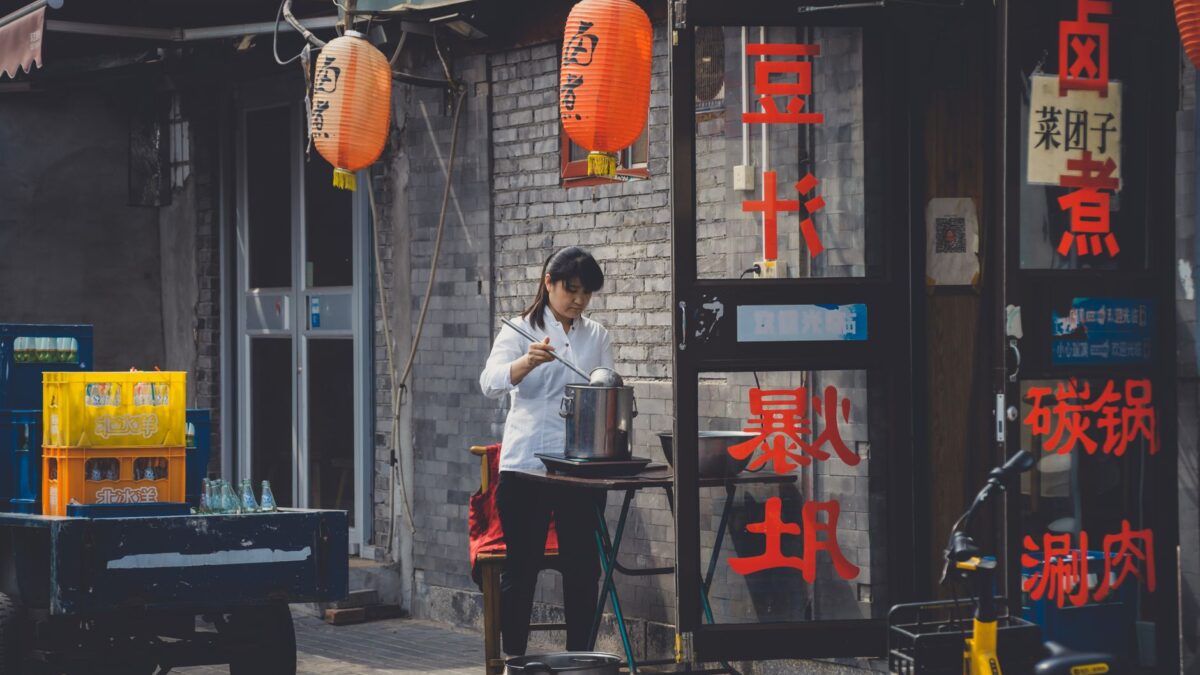
Beijing in early September is a city holding its breath. The heavy summer humidity finally breaks, replaced by the crisp, golden air of the Bailu solar term. You can smell osmanthus blooming in the parks and see fresh jujubes piled high in market stalls. It is a beautiful time to walk the hutongs, but before you pack your bags, you need to know what this experience actually costs. Beijing is not Paris or New York; it is surprisingly affordable if you know where to look, yet it has its own expensive traps for the unprepared.
The Daily Budget Breakdown
To give you a realistic picture, let’s break down the daily spend into three tiers. These figures assume you are staying in central districts like Dongcheng or Chaoyang, using a mix of metro and taxi, and eating a blend of street food and sit-down meals. All prices are in Renminbi (RMB), with rough US dollar equivalents provided occasionally for context.
Budget Traveler: ~150–250 RMB ($21–$35) per day
If you are traveling on a shoestring, Beijing is generous. You can survive comfortably on less than $35 a day. Your accommodation will likely be a hostel dorm or a budget hotel chain like Home Inn, costing around 100–150 RMB per night. For food, you skip the tourist traps and eat like a local. A bowl of zhajiangmian (noodles with fried soybean paste) at a neighborhood shop is about 25 RMB. A jianbing (savory egg crepe) from a street vendor is just 7–10 RMB. Even a traditional breakfast of douzhi and jiaoquan runs only 5–8 RMB. Transit is cheap; a single metro ride starts at 3 RMB, and an unlimited one-day metro pass is 20 RMB. If you stick to free sights like walking through Nanluoguxiang or visiting the Temple of Heaven park grounds (excluding the main halls), your daily total stays low.
Mid-Range Traveler: ~400–600 RMB ($55–$83) per day
This is the sweet spot for most visitors. You stay in a solid 3-star or boutique hotel, such as the Holiday Inn Express locations in Dongzhimen or Shangdi, which typically cost 300–400 RMB per night. Meals become more varied. You might grab a snack-heavy lunch at Wangfujing Snack Street for 30–60 RMB, then enjoy a proper dinner at a mid-range restaurant for 80–150 RMB per person. A bowl of luzhu huoshao (stewed pork offal with bread) is a hearty local option around 35 RMB. Transport shifts slightly; you might take taxis for short trips (base fare around 14 RMB) rather than waiting for the metro during rush hour. This budget allows for two paid attractions per day, such as the Summer Palace or the Forbidden City ticket.
Comfortable Traveler: 800+ RMB ($110+) per day
For those who want ease and luxury, costs rise quickly but remain reasonable compared to Western capitals. Hotels in the CBD or near Sanlitun run 600–900 RMB per night. Dining includes Peking duck at places like Siji Minfu or Da Dong, which can cost 300–500 RMB per person including drinks. Coffee culture is thriving; a cappuccino at a café like Voyage Coffee or Maan Coffee is about 21 RMB. Transport becomes hassle-free with Didi (ride-hailing) apps, where a cross-city trip might cost 50–80 RMB. At this level, you are paying for convenience, private guides, and premium experiences.
Where Your Money Goes: Big Costs vs. Small Treats
Accommodation is usually the biggest fixed cost. In Beijing, rent for a modest one-bedroom flat averages 4,300 RMB per month, so hotel rates reflect this urban density. Staying in Dongcheng puts you in the imperial core, close to Tiananmen Square and the Forbidden City, but expect higher prices. Xicheng offers a quieter, old-Beijing feel around Shichahai Lake, often with better value. Chaoyang is the expat hub, home to the 798 Art Zone and Sanlitun nightlife, with plenty of international hotel options.
Food, however, is where you save money. Beijing remains affordable for everyday eats. You can fill up on street snacks for under 35 RMB. A cup of coffee at a chain like Berrybeans or Tian Roast Coffee Co. is roughly 21 RMB, comparable to global standards. If you visit Panjiayuan Antique Market on weekends, remember that while browsing is free, buying “antiques” is risky; most items are modern reproductions, so treat it as a cultural experience, not a shopping spree.
Transportation: Navigating the Capital
Beijing’s public transport is world-class and incredibly cheap. The subway is the backbone of the city. Fares are distance-based, starting at 3 RMB for the first 6 kilometers. You can buy a Yikatong smart card with a 20 RMB deposit, or simply use Alipay’s integrated Beijing Metro QR code. Avoid the morning (7:30–9:00 am) and evening (5:30–7:00 pm) crush hours if you hate being pressed against strangers. For longer distances, such as going to the Mutianyu Great Wall in Huairou district, buses or tour transfers are cheaper than taxis, though a private car offers comfort for roughly 200–300 RMB round-trip.
Taxis are abundant. The base fare for the first 3 kilometers is about 14 RMB, including a fuel surcharge. Always insist on the meter. Ride-hailing apps like Didi are generally more reliable for foreigners, as they handle payment automatically via linked cards. Note that during major events, such as the upcoming CIFTIS trade fair at Shougang Park or Fashion Week at Wangfujing, traffic may be congested, and ride-hailing pickup points may shift due to security checks.
Hidden Costs and Practical Tips
Before you arrive, consider the digital ecosystem. You cannot rely on cash alone. Most vendors, even small noodle shops, prefer WeChat Pay or Alipay. Since March 2024, you can link foreign Visa or Mastercard cards directly to these apps without needing a Chinese bank account. This saves you the hassle of opening an account at the Bank of China or ICBC, which requires a residence permit and physical branch visits.
Internet access is another consideration. Google, WhatsApp, and Instagram are blocked. You will need a VPN to access these services, which is a common practice but legally grey. Many travelers purchase an eSIM from providers like Airalo before arrival to ensure connectivity. For local calls and data, prepaid SIMs from China Mobile or China Unicom cost 50–100 RMB and require real-name registration with your passport.
Finally, do not overlook visa requirements. Many nationalities now enjoy unilateral visa-free entry for up to 30 days until December 31, 2026. Alternatively, the 240-hour visa-free transit policy applies if you are passing through to a third country. If you must get a visa, apply well in advance. Upon arrival, ensure your accommodation registers you with the police within 24 hours. Hotels do this automatically, but if you stay in an Airbnb, you and your host must visit the local police station together. Failure to register can result in fines up to 2,000 RMB and complications for future travel.
Frequently asked questions
How much does a meal cost in Beijing?
Street snacks like jianbing cost 7–10 RMB, while a bowl of zhajiangmian is about 25 RMB. A mid-range restaurant dinner runs 80–150 RMB per person.
Is it expensive to travel around Beijing?
No. Metro fares start at 3 RMB, and a one-day unlimited pass is 20 RMB. Taxis have a base fare of about 14 RMB for the first 3 km.
Do I need cash or a Chinese bank account?
Cash is rarely used. You should link your foreign credit card to Alipay or WeChat Pay, which now support international cards directly without a local bank account.
Are there extra costs during September events?
Yes. Events like CIFTIS at Shougang Park or Fashion Week at Wangfujing may cause traffic delays and require specific ride-hailing pickup zones, potentially increasing transport time and cost.
Things to do in China
 Beijing: Mutianyu Great Wall Private Tour
 Beijing to Xi'an See Terracotta Warriors with Bullet Train Round Trip Transfer
 Beijing Capital Airport Layover Mutianyu Great Wall Private Tour
 Shanghai Breakfast Walking Tour of Former French Concession
 All-inclusive Private Day Tour to Mutianyu Great Wall
 Jinshanling Private Tour with Night View of Simatai and Gubei Water Town from Beijing