

Fiji in September 2026: what travelers should know now
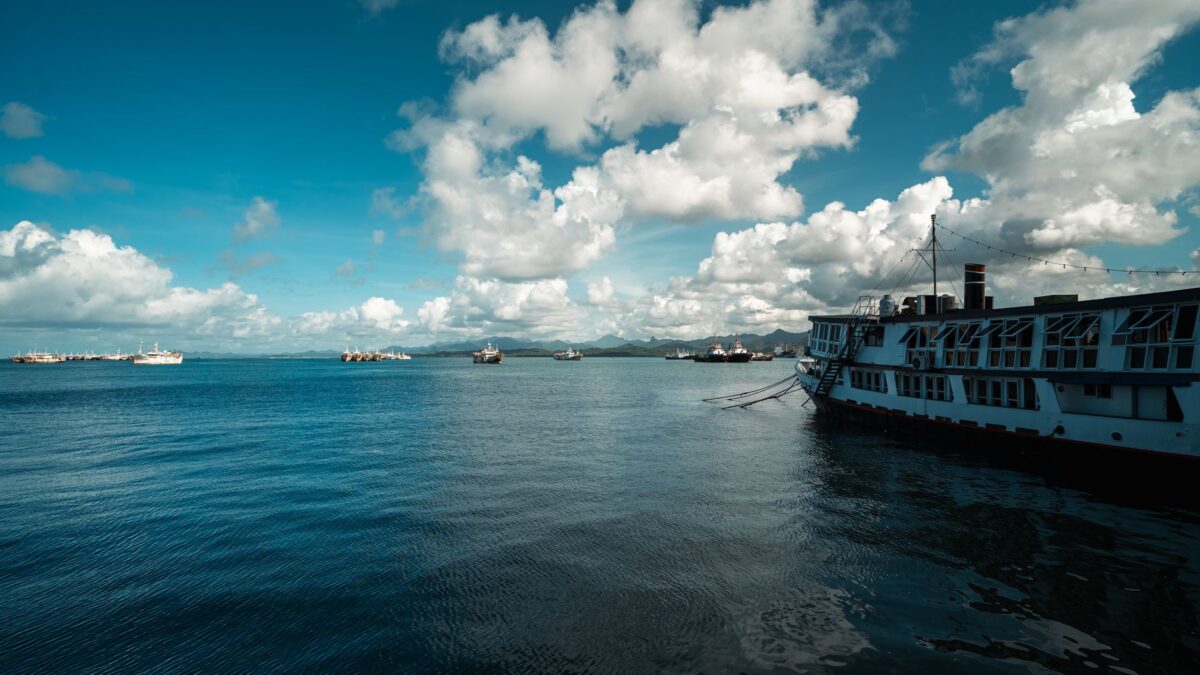
There is a specific kind of quiet that settles over Suva in early September. The humid, sticky grip of the wet season has loosened its hold, and the air carries the faint, sweet scent of hibiscus petals that have just been swept off Albert Park’s lawns. If you are arriving now, you are stepping into a city exhaling after its biggest party of the year. The festive energy of the Hibiscus Festival lingers in the cobblestones, but the rhythm of daily life has shifted back to a steady, productive hum. It is a transitional month—cool enough for light layers, bright enough for beach days, and alive with local conversations about paddling races and football semi-finals.
The Weather: Tail End of the Dry Season
Right now, as of this week, Suva is sitting in that sweet spot before the heat ramps up again. The verified forecast for today shows temperatures hovering between 20°C and 25°C, though the humidity makes it feel closer to 28°C. You might see a light drizzle; we logged about 3mm of rain over ten hours earlier this morning. This is typical for September. It is not the heavy, relentless downpour of January or February, but rather short, refreshing showers that often pass quickly.
Pack accordingly. A light rain jacket or a compact umbrella is essential, not just for comfort but because the ground gets slick fast. You do not need heavy winter gear—the evenings are mild—but if you are sensitive to damp chill, a light sweater for indoor spaces with strong air-conditioning will serve you well. The UV index remains high despite the cloud cover, so sunscreen is non-negotiable. This weather pattern means you can plan outdoor activities for the morning and expect clear skies by afternoon, making it an ideal time for exploring without the exhaustion of peak summer heat.
Events & Local Happenings: What’s On Now
You have arrived at a fascinating moment in the capital’s calendar. The 70th FMF Hibiscus Festival wrapped up on 5 September at Albert Park, crowning Sala Korosaya as Miss Hibiscus 2026. Because this was the first edition back at Albert Park in twelve years, the city is still buzzing with residual excitement. While the floats are gone and the stalls are being dismantled, the spirit of the event is palpable. If you wander through the CBD, you might catch locals discussing the parade routes or the cultural displays that defined the week-long celebration.
For those interested in active culture, the waterfront is currently hosting the “Paddle for Hope” campaign. Launched on 1 September from the Suva waterfront, two stand-up paddleboarders are undertaking a 500 km journey around Viti Levu. They stop in coastal communities along the way for beach clean-ups and plastic-reduction talks. You can join them for a wave or simply watch their progress from the boardwalk—it adds a layer of purposeful engagement to your visit. Meanwhile, sports fans are fixated on the “Battle of the Giants” football semi-finals. While the matches themselves are played in Ba, the anticipation is felt here in Suva, with Suva FC set to face Ba. Keep an eye on local social feeds for match-day gatherings.
Costs & Economy: Where Your Money Goes
Fiji remains remarkably affordable for everyday expenses, especially when compared to Western price levels. The currency is the Fijian Dollar (FJD), and while exchange rates fluctuate, it generally holds steady around 2.27 FJD to 1 USD. Inflation is currently negative, which helps keep local goods accessible.
Your food budget will stretch far. A meal at an inexpensive local restaurant costs about FJ$13. If you head to the Suva Municipal Market food court, you can find a hearty roti wrap and curry for just FJ$5–10. For a mid-range dining experience—a three-course meal for two at a nice spot—you should budget around FJ$100. Drinks are cheap too; a domestic draft beer runs about FJ$8, and a cappuccino is roughly FJ$6.60. Groceries are similarly reasonable: a litre of milk is about FJ$2.93, and a loaf of fresh white bread is under FJ$1.25.
Transport is also low-cost. A single bus ride within the city is FJ$2.05. However, be aware that rents and utilities are the rising costs. If you are staying longer, modest one-bedroom flats outside the centre cost between FJ$650 and FJ$900 per month. Air-conditioning drives utility bills up, so factor that into your long-term planning. Overall, however, you can live and eat like royalty on a modest budget here.
Neighbourhoods & Practical Tips
Suva is walkable, but knowing where to go—and where to avoid late at night—is key. The Central Business District (CBD) along Victoria Parade is the heart of action, home to the Suva Municipal Market, banks, and nightlife. It is vibrant during the day but requires caution after dark due to petty crime. For a safer, more residential vibe, consider the Domain or Muanikau areas near the University of the South Pacific. These leafy suburbs are pleasant for strolls and host many embassies.
If you want harbour views and a slightly quieter expat-friendly atmosphere, look toward Suva Point or Tamavua. The latter is also known as the “embassy belt” and offers spectacular vistas. For dining, the Grand Pacific Hotel remains a colonial landmark worth visiting for high tea, while the nearby Thurston Gardens offer free entry and a chance to see roosting fruit bats in the fig trees.
Practicalities: Most nationalities receive a Visitor Permit on arrival for up to 120 days visa-free. You must have a passport valid for six months and proof of onward travel. If you plan to work, you need a Work Permit and must register for the Fiji National Provident Fund (FNPF). Banking is straightforward with major branches of BSP, ANZ, Westpac, and HFC Bank all present in Suva. For connectivity, buy a prepaid SIM from Vodafone or Digicel; real-name registration with your passport is mandatory. Cash is king for buses and taxis—there is no rechargeable transit card system yet.
Coming Up: What to Watch For
In the coming weeks, keep an eye out for the Fiji Outrigger V1 Marathon (Regatta #8), scheduled for 12 September. Registration closes soon, but even if you do not race, the event draws crowds to the water. Additionally, as we move deeper into September, the weather will gradually warm. The “dry” season is ending, and you may notice the humidity creeping back up. This is the last window of comfortable coolness before the intense heat of the wet season sets in. Plan your hikes in Colo-i-Suva Forest Park or trips to Pacific Harbour now, while the trails are dry and the air is crisp. Enjoy the post-festival calm; it is the best time to connect with the real pace of Fijian life.
Frequently asked questions
What is the weather like in Suva in September 2026?
September marks the tail end of the cooler, drier season. Expect temperatures of 20–25°C with occasional light drizzle. It is pleasant but humid, so pack light rain gear and sunscreen.
Are there any major festivals happening right now?
The 70th FMF Hibiscus Festival ended on September 5, 2026. While the main events are over, the city is still clearing stalls and the festive atmosphere lingers. Look out for the Paddle for Hope campaign launching from the waterfront.
How much does it cost to eat in Suva?
Food is very affordable. Local market meals cost FJ$5–10, inexpensive restaurant meals are around FJ$13, and a mid-range dinner for two is approximately FJ$100. Beer and coffee are also reasonably priced.
Is it safe to walk around Suva at night?
Exercise caution. Petty theft occurs in the CBD and nightlife strips. Avoid quiet streets after dark and use metered taxis rather than walking alone late at night.
Do I need a visa to visit Fiji in 2026?
Most nationalities get a visa-free Visitor Permit on arrival for up to 120 days. Ensure your passport is valid for 6 months and carry proof of onward travel and funds.
Things to do in Fiji
 Vavavi - Fijian Cooking & Cultural Experience
 Private Arrival Transfer - Nadi Airport to Hotel
 CFC Approved Private Arrival Transfer - Nadi Airport to Maui Bay Properties
 Coral Coast, Fiji - Airport to hotels. Transfer
 Extreme 12000ft Tandem Jump (45 seconds free fall)
 Private Roundtrip Transfer - Nadi Airport to Fiji Marriott Momi Bay Resort