
Fiji Travel Podcast with Salote Waqa
Hosted by Salote Waqa — a new episode every day from Fiji.
Fiji Travel Podcast with Salote Waqa is a slow, place-based guide to living and travelling in Fiji. The archipelago is made up of 332 islands, around 110 of them inhabited, with interior mountains of volcanic origin and a tropical marine climate that varies only slightly through the year.
Salote covers Suva, the capital on Viti Levu, the highland interior of that same island, Levuka on Ovalau, and Savusavu on Vanua Levu. Her aim is to understand each place by staying and returning, not by passing through, and to trace the connections between them.
Across the series, Salote returns to places she has already visited as the wet and dry seasons shift. She records what changes and what remains: the condition of a reef, the rhythm of a market, the way a landscape looks after rain. Knowledge accumulates slowly, episode by episode.
Recent episodes
Things to do in Fiji
 Vavavi - Fijian Cooking & Cultural Experience
 Private Arrival Transfer - Nadi Airport to Hotel
 CFC Approved Private Arrival Transfer - Nadi Airport to Maui Bay Properties
 Coral Coast, Fiji - Airport to hotels. Transfer
 Extreme 12000ft Tandem Jump (45 seconds free fall)
 Private Roundtrip Transfer - Nadi Airport to Fiji Marriott Momi Bay Resort
 ''Coral Coast Adventure: Biausevu Waterfall & Natadola Beach !''
 CFC Approved - Private Arrival Transfer Nadi Airport to Doubletree Resort
Plan your trip to Fiji
Getting around
Staying connected
Fiji at a glance
Fiji in depth
Reference data on the country — geography, people, history, economy and transport.
Geography and climate
Location
Oceania, island group in the South Pacific Ocean, about two-thirds of the way from Hawaii to New Zealand
Terrain
Mostly mountains of volcanic origin
Climate
Tropical marine; only slight seasonal temperature variation
Elevation
- Highest point
- Tomanivi 1,324 m
- Lowest point
- Pacific Ocean 0 m
Area
- Total
- 18,274 sq km
- Land
- 18,274 sq km
- Water
- 0 sq km
Size comparison
Slightly smaller than New Jersey
Coastline
1,129 km
Land borders
Total 0 km
Natural resources
Timber, fish, gold, copper, offshore oil potential, hydropower
Land use
- Agricultural land
- 17.1% (2023 est.)
- Arable land
- 4.2% (2023 est.)
- Permanent crops
- 3.4% (2023 est.)
- Permanent pasture
- 9.5% (2023 est.)
- Forest
- 61.7% (2023 est.)
- Other
- 21.2% (2023 est.)
Natural hazards
Cyclonic storms can occur from November to January
Note
Consists of 332 islands, approximately 110 of which are inhabited, and more than 500 islets
People and society
Population
- Total
- 951,611 (2024 est.)
- Male
- 482,304
- Female
- 469,307
Nationality
- Noun
- Fijian(s)
- Adjective
- Fijian
Ethnic groups
ITaukei 56.8% (predominantly Melanesian with a Polynesian admixture), Indo-Fijian 37.5%, Rotuman 1.2%, other 4.5% (European, part European, other Pacific Islanders, Chinese) (2007 est.)
Languages
English (official), iTaukei (official), Fiji Hindi (official)
Religions
Protestant 45% (Methodist 34.6%, Assembly of God 5.7%, Seventh Day Adventist 3.9%, and Anglican 0.8%), Hindu 27.9%, other Christian 10.4%, Roman Catholic 9.1%, Muslim 6.3%, Sikh 0.3%, other 0.3%, none 0.8% (2007 est.)
Median age
- Total
- 32 years (2025 est.)
- Male
- 31.4 years
- Female
- 31.8 years
Life expectancy
- Total population
- 74.8 years (2024 est.)
- Male
- 72.2 years
- Female
- 77.6 years
Urbanisation
- Urban population
- 58.7% of total population (2023)
- Rate of urbanization
- 1.37% annual rate of change (2020-25 est.)
Where people live
Approximately 70% of the population lives on the island of Viti Levu; roughly half of the population lives in urban areas
Largest cities
178,000 SUVA (capital) (2018)
Background and government
Background
Austronesians settled Fiji around 1000 B.C., followed by successive waves of Melanesians starting around the first century A.D. Fijians traded with Polynesian groups in Samoa and Tonga, and by about 900, much of Fiji was in the Tu’i Tongan Empire’s sphere of influence. The Tongan influence declined significantly by 1200, while Melanesian seafarers continued to periodically arrive in Fiji, further mixing Melanesian and Polynesian cultural traditions. The first European spotted Fiji in 1643 and by the 1800s, European merchants, missionaries, traders, and whalers frequented the islands. Rival kings and chiefs competed for power, at times aided by Europeans, and in 1865, Seru Epenisa CAKOBAU united many groups into the Confederacy of Independent Kingdoms of Viti. The arrangement proved weak, however, and in 1871 CAKOBAU formed the Kingdom of Fiji in an attempt to centralize power. Fearing a hostile takeover by a foreign power as the kingdom’s economy began to falter, CAKOBAU ceded Fiji to the UK in 1874.
The first British governor set up a plantation-style economy and brought in more than 60,000 Indians as indentured laborers, most of whom chose to stay in Fiji rather than return to India when their contracts expired. In the early 1900s, society was divided along ethnic lines, with iTaukei (indigenous Fijians), Europeans, and Indo-Fijians living in separate areas and maintaining their own languages and traditions. ITaukei fears of an Indo-Fijian takeover of government delayed independence through the 1960s; Fiji achieved independence in 1970 with agreements to allocate parliamentary seats by ethnic groups. After two coups in 1987, a new constitution in 1990 cemented iTaukei control of politics, leading thousands of Indo-Fijians to leave. A reformed constitution in 1997 was more equitable and led to the election of an Indo-Fijian prime minister in 1999, who was ousted in a coup the following year. In 2005, the new prime minister put forward a bill that would grant pardons to the coup perpetrators, leading Josaia Voreqe "Frank" BAINIMARAMA to launch a coup in 2006. BAINIMARAMA appointed himself prime minister in 2007 and retained the position after elections in 2014 and 2018 that international observers deemed credible. BAINIMARAMA's party lost control of the prime minister position after elections in 2022 with former opposition leader Sitiveni Ligamamada RABUKA winning the office by a narrow margin.
Government
Parliamentary republic
Capital
Suva (on Viti Levu)
Time zone
UTC+12 (17 hours ahead of Washington, DC, during Standard Time)
Local name
Republic of Fiji (English)/ Matanitu ko Viti (Fijian)
Independence
10 October 1970 (from the UK)
National day
Fiji (Independence) Day, 10 October (1970)
Economy and cost of living
Overview
Upper-middle income, tourism-based Pacific island economy; susceptible to ocean rises; key energy and infrastructure investments; post-pandemic tourism resurgence; improved debt standing; limited workforce
GDP per capita
- Real GDP per capita 2024
- $14,100 (2024 est.)
- Real GDP per capita 2023
- $13,700 (2023 est.)
- Real GDP per capita 2022
- $12,800 (2022 est.)
Inflation
- Inflation rate (consumer prices) 2024
- 4.5% (2024 est.)
- Inflation rate (consumer prices) 2023
- 2.3% (2023 est.)
- Inflation rate (consumer prices) 2022
- 4.3% (2022 est.)
Unemployment
- Unemployment rate 2024
- 4.4% (2024 est.)
- Unemployment rate 2023
- 4.4% (2023 est.)
- Unemployment rate 2022
- 4.5% (2022 est.)
Exchange rate
- Currency
- Fijian dollars (FJD) per US dollar -
- Exchange rates 2024
- 2.268 (2024 est.)
- Exchange rates 2023
- 2.25 (2023 est.)
- Exchange rates 2022
- 2.201 (2022 est.)
- Exchange rates 2021
- 2.071 (2021 est.)
- Exchange rates 2020
- 2.169 (2020 est.)
Main industries
Tourism, sugar processing, clothing, copra, gold, silver, lumber
Agriculture
Sugarcane, cassava, taro, vegetables, chicken, coconuts, eggs, ginger, milk, sweet potatoes (2023)
Transport and connectivity
Airports
26 (2025)
Railways
- Total
- 597 km (2008)
- Narrow gauge
- 597 km (2008) 0.600-m gauge
Ports
- Total ports
- 5 (2024)
- Large
- 0
- Medium
- 0
- Small
- 2
- Very small
- 3
- Ports with oil terminals
- 4
- Key ports
- Lautoka Harbor, Levuka, Malai, Savusavu Bay, Suva Harbor
Internet domain
.fj
Internet users
Percent of population 79% (2023 est.)
Mobile subscriptions
- Total subscriptions
- 5.33 million (2024 est.)
- Subscriptions per 100 inhabitants
- 574 (2024 est.)
Environment
Environmental issues
Air pollution from waste incineration and vehicle emissions; deforestation and soil erosion; soil erosion from clearing land by bush burning
Fresh water
28.55 billion cubic meters (2022 est.)
Country reference figures are periodically revised. Check anything time-sensitive or safety-critical against an official source before you travel.
Fiji travel guides
 News & Updates
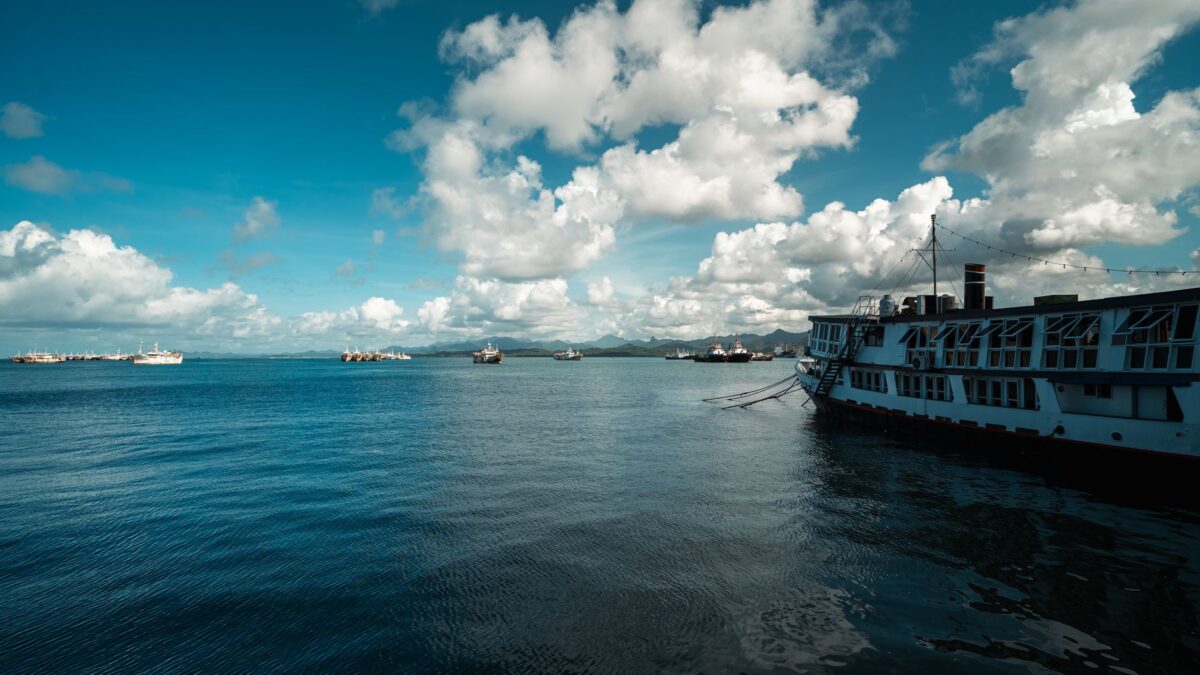
Fiji in September 2026: what travelers should know now
Fiji in September 2026: Weather, costs, and current events like the Hibiscus Festival aftermath and Paddle for Hope.
 Getting Around
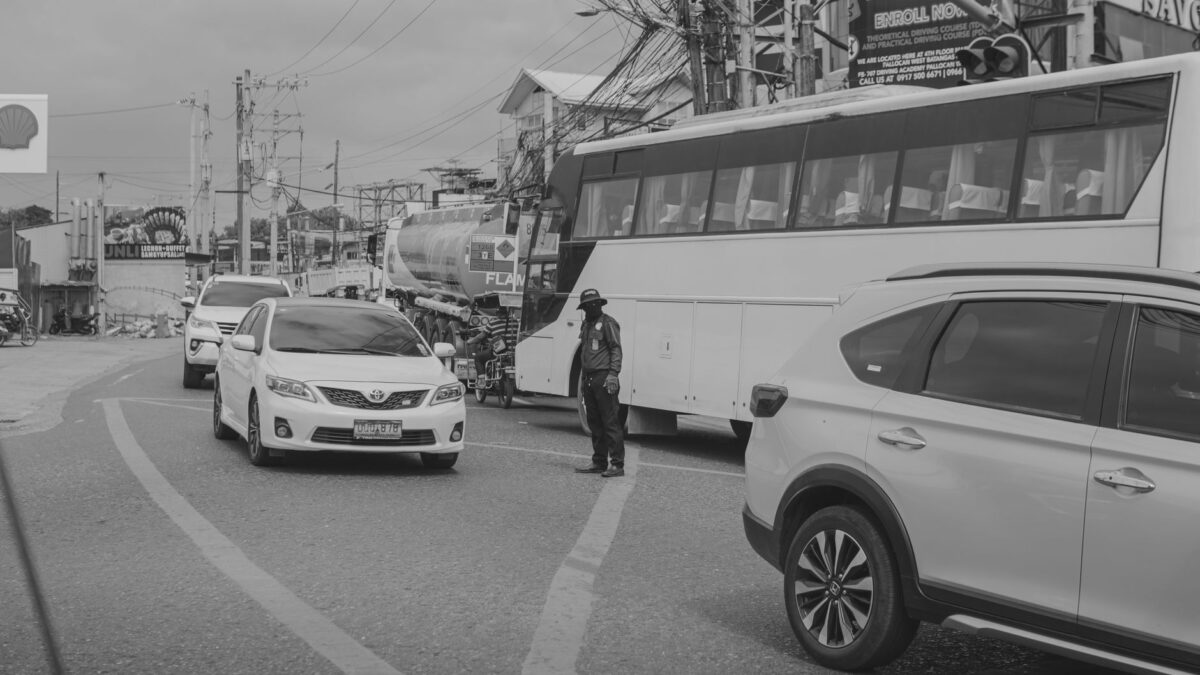
Getting around Suva: metros, taxis and passes
How to get around Suva, Fiji: minibuses, taxis, walking, and FJ$ fares. Local tips for the Hibiscus Festival and avoiding the Renwick Road stench.
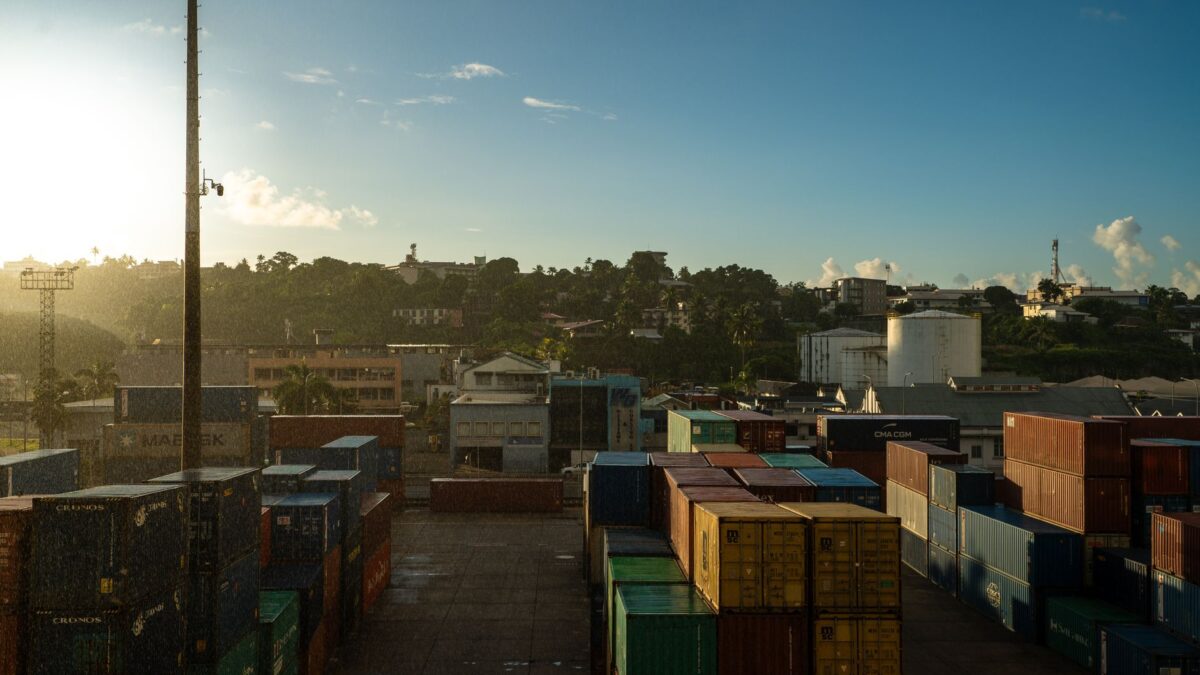 News & Updates
Fiji in August 2026: what travelers should know now
Fiji in August 2026: Suva weather, low inflation, cheap eats, and quiet crowds. What to pack, pay, and see this month.
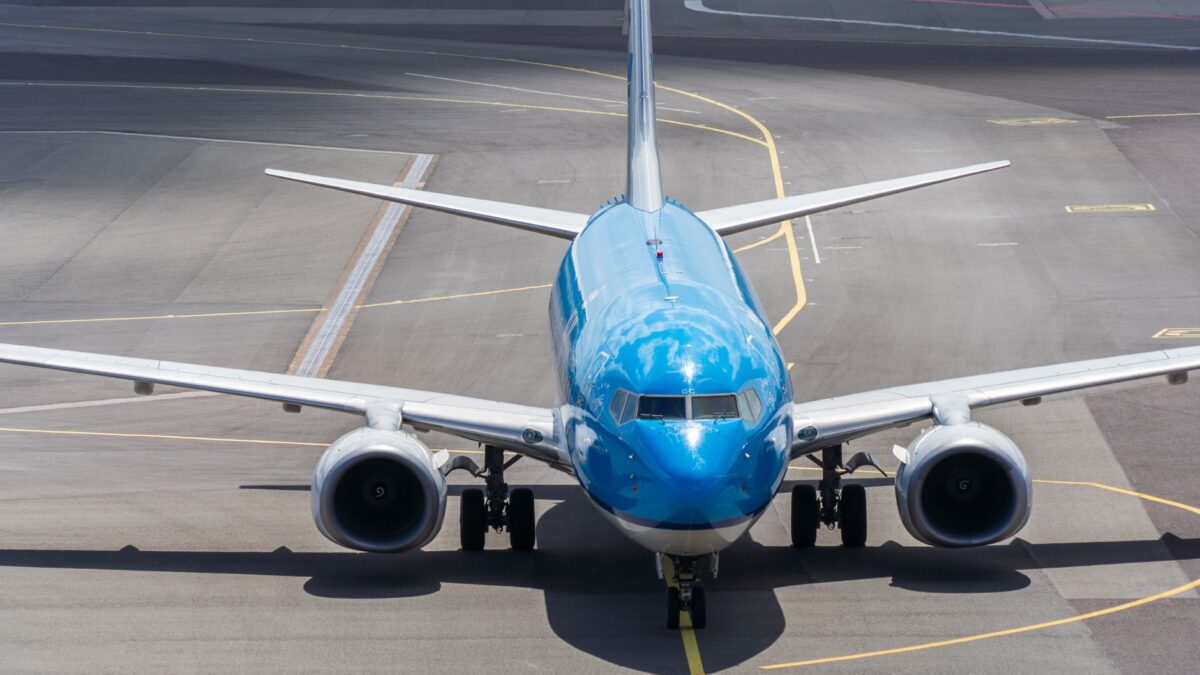 Getting Around
From the airport into Suva: every option and what it costs
From Nausori Airport to Suva: real bus, taxi, and private transfer fares (FJ$2–100), journey times, and the Wainibau Bridge detour — all from a…
Oceania
 Australia
Australia Travel Podcast with Jack Thornton
The Great Dividing Range runs along eastern Australia, separating the coastal fringe from the arid interior, a pattern that shapes where most…
 New Zealand
New Zealand Travel Podcast with Aroha Ngata
The Southern Alps divide the South Island along its length, while over three-quarters of New Zealanders live on the North Island.