
Getting around Seoul: metros, taxis and passes
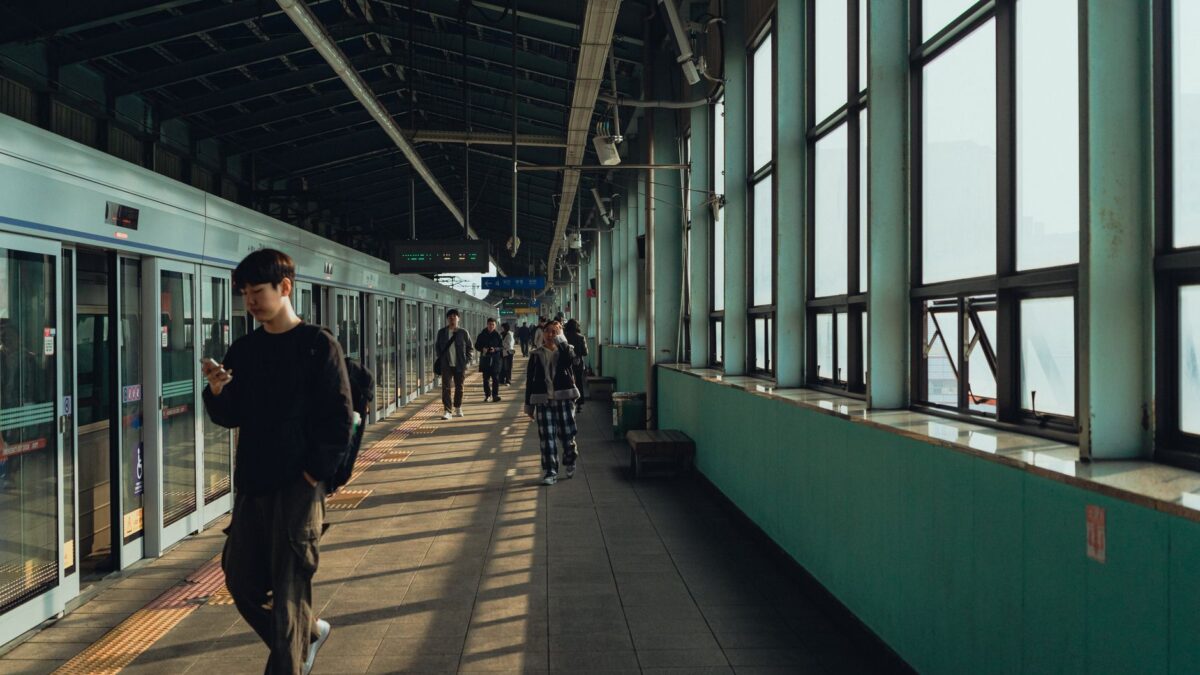
The humidity in Seoul doesn’t just sit on your skin; it has weight. It is early September, and the air hangs heavy at roughly 29°C as you step out of a station near Gangnam. You are surrounded by the hum of millions—corporate workers in sharp suits, students with backpacks, tourists clutching map apps. But beneath the sweat and the noise, there is an order so precise, so seamless, that navigating this city of over ten million people feels less like travel and more like sliding into a well-oiled machine. You don’t need to conquer Seoul; you just need to know how to move with it.
Mastering the Metro: The Veins of the City
If you want to understand Seoul, ride its subway. It is clean, safe, and arguably the most efficient transit system in Asia. As a local, I rarely drive unless I’m heading to Bukhansan National Park for a weekend hike or escaping the city gridlock toward the DMZ. For daily life, the metro is king.
Forget buying single-ride tickets at the counter unless you’re in a rush. The base fare for an adult using a transit card is about 1,550 KRW (roughly $1.1) for trips under 10 km. If you pay cash, it’s slightly higher at 1,650 KRW, but that’s money better spent on street food. The real secret is the transfer window: if you switch from subway to bus (or vice versa) within 30 minutes, the second leg is free. This allows you to hop on the blue/green trunk buses for a scenic ride along the Han River for just that initial 1,500 KRW base fare.
Getting your hands on a T-money card is your first ritual. You’ll find them at any convenience store for around 2,500–4,000 KRW, including the initial deposit. Tap in at Gangnam—the busiest interchange on Line 2—and watch the synchronized dance of thousands of commuters. Lines 1 through 8 cover the central districts, while the newer lines reach out to Incheon and beyond. Just remember: during rush hour (7:30–9:30 AM and 6:00–8:00 PM), Line 2 becomes a sardine can. Don’t fight it; embrace the flow.
Passes, Cards, and the Climate Shift
For long-term residents, the transit landscape shifted recently. The old unlimited monthly pass ended in September 2026. It was replaced by the Climate Companion Card Plus, which costs about 62,000 KRW per month for Seoul residents and integrates with national refund schemes. However, if you are visiting for a few days, look for the short-term “Climate Card” passes available at stations: one-day passes run about 5,000 KRW, scaling up to 15,000 KRW for five days.
Foreigners often ask about the Wowpass. It is a convenient prepaid card that combines payment and transit functions, eliminating the need to top up a separate T-money card. For those staying longer than 90 days, getting an Alien Registration Card (ARC) is mandatory. Once you have that ARC, you can open a local bank account at places like KEB Hana Bank in Myeongdong or Woori Bank in Itaewon, which unlocks access to KakaoPay and other digital wallets that locals use to tap their phones instead of plastic cards.
A quick note on currency: the won is currently hovering around 1,363 KRW to the US dollar. While everyday prices are climbing—with dining costs rising 3–5% last year—public transport fares remain stubbornly affordable compared to Western capitals. A single roll of gimbap from a street stall is about 3,700 KRW ($2.7), and a bowl of bibimbap is roughly 11,500 KRW ($8). You can eat well without breaking the bank, provided you stick to the local favorites rather than tourist-trap restaurants.
Taxis, Ride-Hailing, and the Art of Walking
When the rain starts falling—or when your legs ache after exploring Insadong—taxis are your best friend. Seoul has three main types: regular (black), deluxe (gold), and large (purple). The regular taxi is cheap and plentiful. Expect to pay a flag-fall rate of around 4,800 KRW, with increments every 140 meters or two minutes of idle time. Traffic in Gangnam or Yeouido can be brutal, so factor that into your budget.
Ride-hailing apps like Kakao T are ubiquitous. You will need a Korean phone number to register, which is why buying a SIM at Incheon Airport from KT or SK Telecom is non-negotiable. These apps verify via SMS before you can book a ride. If you don’t have a local number yet, hail a black taxi on the street or use the official Naver Map app, which shows real-time taxi availability.
But here is the local truth: walking beats all of them. Seoul is a city of neighborhoods, each with its own pulse. Take Seongsu-dong, known as the “Brooklyn of Seoul.” The factories have been converted into concept stores and warehouse cafes. You cannot rush this area; you must wander. Or try Hongdae, where the energy spikes around Hongik University. The weekend Free Market and the buskers on the walking street create a vibe that no car can replicate. Even in Itaewon, with its views of Namsan from Gyeongnidan-gil, the magic is in the narrow alleys filled with food from 50+ countries.
Navigating the Seasonal Shift
We are approaching Chuseok, the Korean Thanksgiving, which falls on September 24th. In the next few weeks, the city’s rhythm will change. Markets like Namdaemun and Gwangjang will stack high with gift sets of persimmons, chestnuts, and sesame oil. The Jongno Hanbok Festival will turn Gwanghwamun Square into a parade ground for traditional clothing, closing off traffic for setup days before Sep 11th.
If you are in town, catch the art scene while it transitions. The MMCA in Samcheong-dong is hosting a massive Do Ho Suh retrospective until February 2027, featuring a free audio guide narrated by Park Bo-gum. Meanwhile, the new Centre Pompidou Hanwha museum in Yeouido is showing Cubism works until October 4th. As the weather cools from its muggy late-summer peak, join the locals at Ttukseom Hangang Park for the opening of the Seoul Autumn Festa on September 18th. Bring a blanket, grab some tteokbokki (spicy rice cakes cost about 3,000–5,000 KRW), and watch the sun set over the river.
Seoul is not just a backdrop for K-dramas; it is a living, breathing entity that rewards those who slow down. Use the metro to get across town, walk to discover its soul, and let the seasons guide your pace. The city is waiting.
Frequently asked questions
How much does a Seoul metro ticket cost?
The base fare is about 1,550 KRW (roughly $1.1) using a transit card like T-money for trips under 10 km. Cash tickets cost 1,650 KRW.
Do I need a T-money card or can I use my credit card?
While some newer gates accept foreign credit cards, a T-money card is essential for easy transfers between subway and bus. It costs 2,500–4,000 KRW to buy at convenience stores.
What is the difference between regular and deluxe taxis?
Regular taxis are black and standard size. Deluxe (gold) taxis are larger, more comfortable, and cost about 20% more. Large (purple) taxis fit up to six passengers.
Can I use Uber in Seoul?
Uber does not operate locally in South Korea. Instead, download the Kakao T app, which connects you to local taxi services, though you will need a Korean phone number to register.
Is walking feasible in Seoul compared to taking the subway?
Absolutely. Many districts like Hongdae, Seongsu-dong, and Insadong are best explored on foot to discover hidden cafes and street culture. The subway is ideal for crossing long distances quickly.
Things to do in South Korea
 Busan Small Group 100% Guaranteed Sky Capsule with Hotel Pickup
 Private DMZ Tour with North Korean Defector + N Korean Lunch
 Royal Seoul Cooking Class in a 100-Year-Old Hanok
 Seoul Vegan & Vegetarian Gwangjang Market Food Tour (11 Tastings)
 Make Traditional Korean Rice Wine (Makgeolli)
 Private Seoul or DMZ Tour