

Namibia etiquette: the dos and don’ts
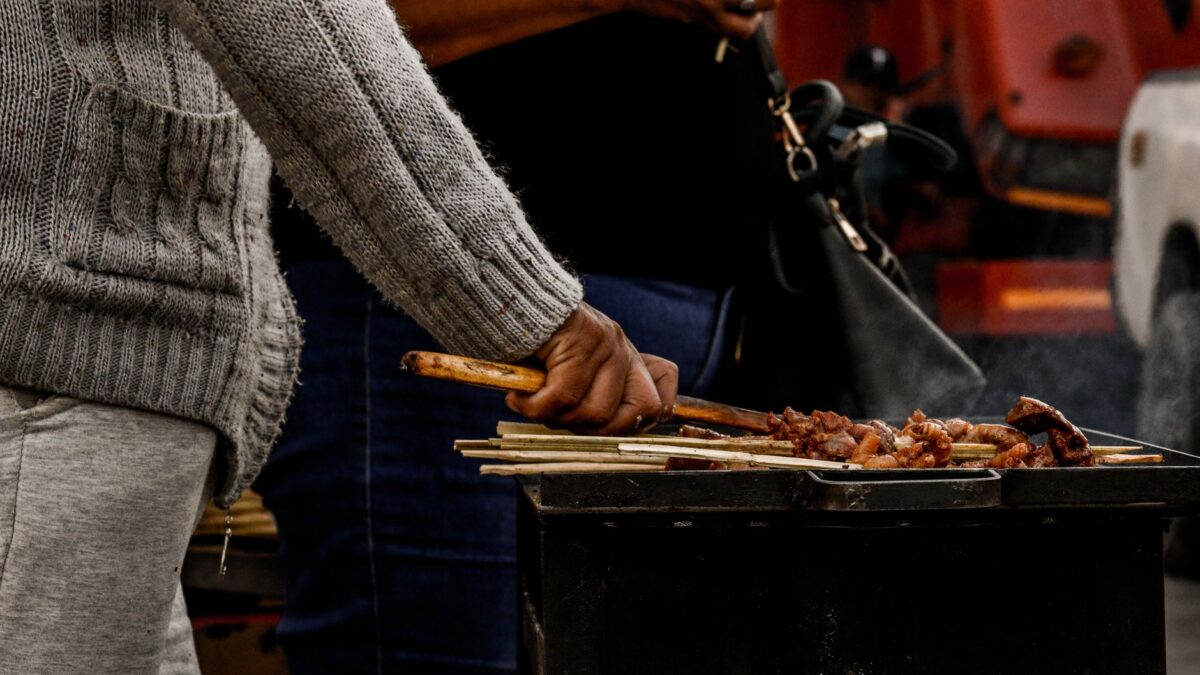
Windhoek hits you first as a sensory collision. The air is crisp, carrying the scent of burning coal from street grills and the faint, sweet dust of jacarandas beginning to bloom along Independence Avenue. It is early September, spring in the Khomas Region, and the city is shaking off its winter chill. As a local host, I often see visitors treat Namibia like a backdrop for safari photos, missing the rich, layered social fabric that makes this capital pulse with life. Being a considerate visitor here isn’t about memorizing rigid rules; it’s about understanding the rhythm of a nation that balances colonial history, indigenous heritage, and a rapidly modernizing present. Here is how you navigate those interactions with grace.
Greetings: The Art of ‘How Are You?’
In Namibia, rushing past someone without acknowledging them is considered rude, even if you are just walking down Post Street Mall. Greetings are not mere formalities; they are essential checks on well-being. When you meet someone, whether it is a shopkeeper at the market or a colleague, expect a handshake that lasts a few seconds longer than you might be used to. In many local languages, such as Oshiwambo or Herero, greetings can take ten minutes or more, involving inquiries about family, health, and work before any business is discussed.
Respect this time. Do not pull your hand away quickly. If you are visiting Katutura, the vibrant township known historically as ‘the place we do not want to live,’ greeting elders properly is crucial. Use titles like ‘Mama’ or ‘Tata’ (Mother/Father) for older individuals, even if you are strangers. This signals respect for community hierarchy. A simple, warm ‘Good morning’ or ‘How are you?’ goes further than any fluent phrase. Remember, eye contact should be steady but not aggressive, showing you are present and engaged.
Dining and Kapana: Eating Like a Local
You cannot talk about Namibian etiquette without talking about food, specifically kapana. This spiced, grilled beef strip is the soul of Windhoek’s street food culture. For around N$30–53 (approximately $2.3), you can grab a plate at the Oshetu Community Market in Katutura, often accompanied by a vetkoek—a fried dough ball costing about N$3 each. Eating kapana is informal, communal, and deeply social.
The etiquette here is simple: eat with your hands if you must, but always wash them first. Share the salsa, share the bread, and share the conversation. If you are dining in a mid-range restaurant, where a three-course meal costs roughly N$425 ($23), tipping is appreciated but not mandatory. However, in casual settings like Joe’s Beerhouse or Leo’s Garden Restaurant, leaving small change or rounding up the bill is a kind gesture. When drinking Windhoek Lager, which runs about N$30–40 in a bar, wait for everyone at the table to be served before taking your first sip. It is a subtle sign of unity.
Dress Code: Context is King
Namibia is generally relaxed about dress, but context matters immensely. In Klein Windhoek, the affluent suburb with embassies and upscale guesthouses, smart-casual attire is the norm. If you are heading to The Grove Mall in Kleine Kuppe or attending a business meeting, neat clothing is expected. However, when you venture into areas like Katutura or visit rural communities, modesty is key. Avoid overly revealing clothing out of respect for local values.
Footwear also tells a story. In many traditional settings, removing shoes before entering a home or certain cultural spaces is a sign of respect. If you are visiting the Christuskirche, the iconic sandstone church built between 1907 and 1910, dress neatly. While there is no strict uniform, respectful attire honors the sacred nature of the space. On hot days, light cottons are practical, but remember that evenings can drop to around 13°C, so layering is wise. Also, be mindful of jewelry and flashy accessories in less tourist-friendly neighborhoods; blending in is safer and more polite than standing out.
Tipping and Transactions: Showing Appreciation
Tipping in Namibia is not obligatory but is a widespread practice to show appreciation for good service. In restaurants, a tip of 10% is standard if service charge is not included. For tour guides, drivers, and lodge staff, tips are highly valued and often make up a significant portion of their income. Cash is king, especially in smaller establishments or when buying crafts at the Namibia Craft Centre. Having small denominations of Namibian dollars (NAD) is helpful.
When bargaining at markets, such as the Post Street Mall where wire-art traders display pieces made from Gibeon meteorite fragments, do so with a smile. Haggling is part of the culture, but be reasonable. If a vendor offers a price, try to meet in the middle rather than aggressively driving it down. Respect the artisan’s effort. Similarly, when using shared minibus taxis, pay the exact fare if possible. These ‘combis’ operate on tight margins, and being patient and polite while boarding helps keep the flow moving smoothly.
Safety and Spatial Awareness
Windhoek is one of Africa’s safer capitals, but awareness is still part of good etiquette. Walking in the city center during the day is pleasant, but central streets empty after dark. If you plan to explore Katutura, do not go alone. Hire a local guide or join an organized township tour. This respects the community’s privacy and ensures your safety. In residential areas like Ludwigsdorf or Avis, drive slowly and be mindful of pedestrians. Traffic congestion, particularly at intersections like Havana, can be frustrating, but patience is a virtue. Road rage is never justified.
Finally, ask permission before photographing people. In a country with a complex history, including the Herero–Nama genocide and the struggle for independence, images carry weight. A smile and a nod can open doors that technology cannot. By observing these small customs, you do more than just visit Namibia; you connect with it. You become a guest who is welcomed, not just tolerated.
Frequently asked questions
Is tipping mandatory in Namibia?
Tipping is not legally mandatory but is a common social expectation. In restaurants, 10% is standard for good service, and tips are highly appreciated for tour guides and drivers.
What should I wear in Windhoek?
Smart-casual is appropriate for suburbs like Klein Windhoek and business districts. Modest clothing is recommended in rural areas and townships like Katutura. Layering is essential due to temperature drops in the evening.
How do I greet people respectfully in Namibia?
Greetings are lengthy and important. Shake hands warmly, maintain eye contact, and ask about family and well-being. Use titles like 'Mama' or 'Tata' for elders to show respect.
Can I bargain at markets in Windhoek?
Yes, haggling is acceptable at places like Post Street Mall, but do so politely and reasonably. Respect the vendor’s prices and effort, especially for handmade crafts.
Is it safe to walk around Windhoek at night?
The city center is safe during the day but empties after dark. For areas like Katutura, always use a local guide or organized tour rather than exploring solo.


