

Hungary in September 2026: what travelers should know now
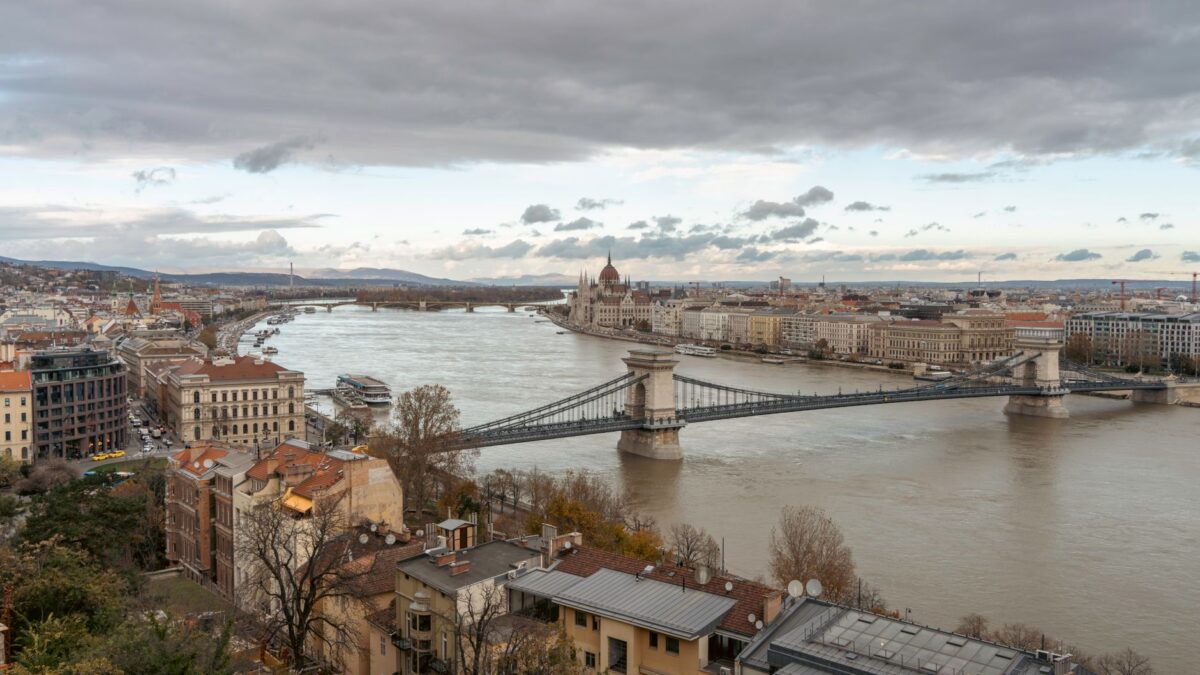
There is a specific light in Budapest right now, just after the long summer heat breaks but before the autumn chill sets in. As of September 8th, the city feels like it is holding its breath between seasons. The weather forecast for today shows overcast skies with temperatures hovering between 20°C and 32°C—a humid, lingering warmth that keeps the open-air terraces full while locals secretly hope for a crisp evening soon. This is szüret, grape-harvest season, and the city’s rhythm is shifting from lazy summer strolls to something more energetic and earthy.
If you are arriving this month, you are stepping into one of the most vibrant windows of the year. You will not find the dead quiet of November, nor the peak tourist crush of July. Instead, you get a local vibe: wine festivals spilling out of courtyards, jazz filling the streets of Józsefváros, and the palpable buzz of a city preparing for winter. Here is what is actually happening on the ground right now, and how to navigate it.
The Seasonal Shift: Packing for the In-Between
The weather data for this week is deceptive. With highs reaching 32°C, you might be tempted to pack only summer clothes. But the overcast conditions and the drop in temperature at night mean you need layers. Think light trousers, breathable shirts, but absolutely a warm jacket or cardigan for the evenings. When the sun dips below the horizon along the Danube promenade, the humidity drops, and the chill creeps in.
This seasonal transition is defined by food and drink. It is harvest time, so the menu boards outside restaurants are featuring fresh peppers, plums, and early grapes. If you are staying longer than a few days, consider looking at the rental market to see if a short-term stay suits you; a modest one-bedroom flat in outer districts like Zugló or Újbuda runs around 180,000 HUF (about $490) per month, though central prices climb higher. For daily living, the cost of living remains accessible. A cappuccino at a local café will set you back about 1,000 HUF ($2.7), and a loaf of fresh white bread is roughly 550 HUF ($1.5). You can still grab a weekday ‘napi menü’—a two-course lunch set—at inexpensive local spots for just 2,500–3,500 HUF ($8), which is easily the best value meal in the city.
What Is Happening Right Now: Festivals and Events
As a resident, I can tell you that the last few weeks of August and the first half of September are packed. You cannot walk through certain districts without feeling the impact of these events. First, the AI Summit is taking over City Park (Városliget) today and tomorrow. Billed as one of Central Europe’s largest AI conferences, it brings crowds and activity to the Városliget venues. If you plan to visit the Széchenyi Thermal Bath or take a walk near the Vajdahunyad Castle this weekend, expect extra foot traffic and noise.
Just across the river, the cultural calendar is equally dense. The Andrássy Avenue 150th-anniversary programme is running until mid-September. This means guided walks, exhibitions, and the TE!Feszt festival are active along the boulevard. It is a beautiful way to explore District V and the surrounding areas, but be prepared for busy sidewalks. Simultaneously, the PLACCC festival has installed site-specific art projects in unusual downtown spots from September 4th to 13th. Keep your eyes peeled in public spaces; you will come across temporary installations that transform ordinary corners into galleries.
Looking ahead to next week, the energy shifts toward wine and music. The 35th Budapest Wine Festival takes over the courtyards and terraces of Buda Castle from September 9th to 12th. This is the big event residents notice immediately. Hundreds of wineries, concerts, and street food vendors will fill the historic space. If you want to taste Tokaji dessert wine or local reds without leaving the city center, this is your moment. Following that, the Józsefváros Jazz Festival sets up free stages at Rákóczi tér and the Rákóczi Market Hall from September 11th to 13th. The neighborhood fills with jazz and world music in the evenings, creating a lively atmosphere in District VII.
Transport and Movement: Navigating the City
Moving around Budapest requires a bit of awareness this month due to recent and upcoming events. The 41st Wizz Air Budapest Half Marathon closed roads, quays, and bridges, forcing BKK tram and bus detours across the city on Sunday, September 6th. While those major disruptions have passed, road closures can still occur for smaller events, so always check the BKK app before heading out.
For transit, the system is run by BKK. The resident pass is the monthly Budapest pass, priced at approximately 8,950 HUF ($24) per month. This is significantly cheaper than buying single tickets, which cost 500 HUF ($1.4) each. A 24-hour ticket is 2,750 HUF, and a 72-hour ticket is 5,750 HUF. You can buy and validate tickets via the BudapestGO app using QR codes on boarding. Note that the airport express bus 100E requires a separate ticket costing around 2,500 HUF. Fines for traveling without a valid ticket are steep, ranging from 10,000 to 25,000 HUF, so keep your phone charged and ready.
If you are driving, be cautious. Unlicensed taxis are a common trap for tourists. Always use licensed services like Főtaxi or ride-hailing apps like Bolt. Safety in Budapest is generally high, but guard against pickpocketing in crowded tourist areas like Deák Ferenc tér, the metro, and the nightlife hubs of District VII.
Where to Stay and Eat: Local Recommendations
Your choice of district defines your experience. If you want the postcard view, District I – Várkerület (Castle District) offers UNESCO-listed cobbled lanes, Matthias Church, and Fisherman’s Bastion. It is romantic and quiet at night, but pricier. For the heart of the action, District VII – Erzsébetváros (Jewish Quarter) is the nightlife engine. Home to Szimpla Kert and the ruin bars, it is loud, central, and fun. If you prefer a calmer, expat-friendly vibe with tree-lined streets and Bauhaus architecture, look at District XIII – Újlipótváros, near Lehel market and Margaret Island.
When it comes to dining, Budapest offers incredible value. For a traditional experience, try the Great Market Hall (Nagyvásárcsarnok) for lángos. This deep-fried dough snack with sour cream and cheese costs between 800 and 1,500 HUF ($3) at street stalls. Goulash soup (gulyásleves) is another staple, running 2,500–3,500 HUF ($8). If you want a sit-down dinner, a mid-range restaurant meal for two with three courses will cost about 15,000–22,000 HUF ($50).
For coffee, skip the hotel lobby and head to specialty spots like Mantra Specialty Coffee Minibar or Cafe Muse. For a grander cafe experience, New York Café is iconic, though pricier. If you are looking for accommodation, options like the Carlton Hotel Buda Castle offer luxury views, while places like SOPHIA PALACE Hotel Budapest or Museum Hotel Budapest provide solid mid-range comfort near key attractions.
Practical Tips for September Arrivals
If you are planning a longer stay, note that Hungary is in the Schengen Area, allowing visa-free entry for US, UK, Canadian, and Australian citizens for up to 90 days. However, if you intend to live here, new residents must register their address within 3 working days (permanent) or 15 days (temporary) at the local government office (kormányablak). Non-EU newcomers start with a QR-coded accommodation slip, and eligible residents eventually get the physical address card (lakcímkártya), which costs about 3,700 Ft. This card is essential for opening a bank account, getting healthcare (TAJ), and signing up for a SIM.
Banking is straightforward with major banks like OTP, K&H, or Erste. English service is available at central branches. For mobile connectivity, buy a SIM from Yettel, Telekom, or Vodafone. Prepaid plans are cheap, and eSIMs are widely available. Remember, EU roaming is included if you are coming from elsewhere in Europe.
Finally, embrace the local culture. Visit the House of Terror on Andrássy út to understand the 20th-century history that shaped modern politics. Take a ride on Tram 4–6 along the Grand Boulevard for a free tour of the city’s architecture. And when you are tired, soak in the waters of Széchenyi Thermal Bath or Gellért Baths, where entry costs around 5,000–6,000 HUF ($15). It is the perfect way to unwind after exploring the bustling streets of a city that is fully alive this September.
Frequently asked questions
What is the weather like in Budapest in early September 2026?
Expect overcast skies with temperatures ranging from 20°C to 32°C. It is humid during the day but cooler in the evening, so pack layers.
Are there any major events happening in Budapest this week?
Yes, the AI Summit is in City Park today and tomorrow. Additionally, the PLACCC art festival runs until Sept 13, and the Andrássy Avenue anniversary events continue until mid-September.
How much does a monthly public transport pass cost in Budapest?
The monthly Budapest pass is approximately 8,950 HUF (about $24). Single tickets cost 500 HUF ($1.4).
What are the top festivals to attend in late September?
The 35th Budapest Wine Festival at Buda Castle (Sept 9-12) and the Józsefváros Jazz Festival at Rákóczi tér (Sept 11-13) are the main events.
Do I need a visa to visit Hungary as a US citizen in 2026?
No, Hungary is in the Schengen Area. US citizens can enter visa-free for up to 90 days in any 180-day period.
Things to do in Hungary
 3 Hours Budapest Segway Grand City Tour Buda, Margaret and Pest
 1 Hour Budapest Segway Tour - Parliament Hightails
 Private Sightseeing Tour using Electric Tuk Tuk Ride in Budapest
 Shooting Experience HOLLYWOOD Package in Budapest
 Budapest private sightseeing with Nelli & her local guides
 Hungarian Strudel Making Class: Stretch & Fill Two Ways