
The best time to visit Malta
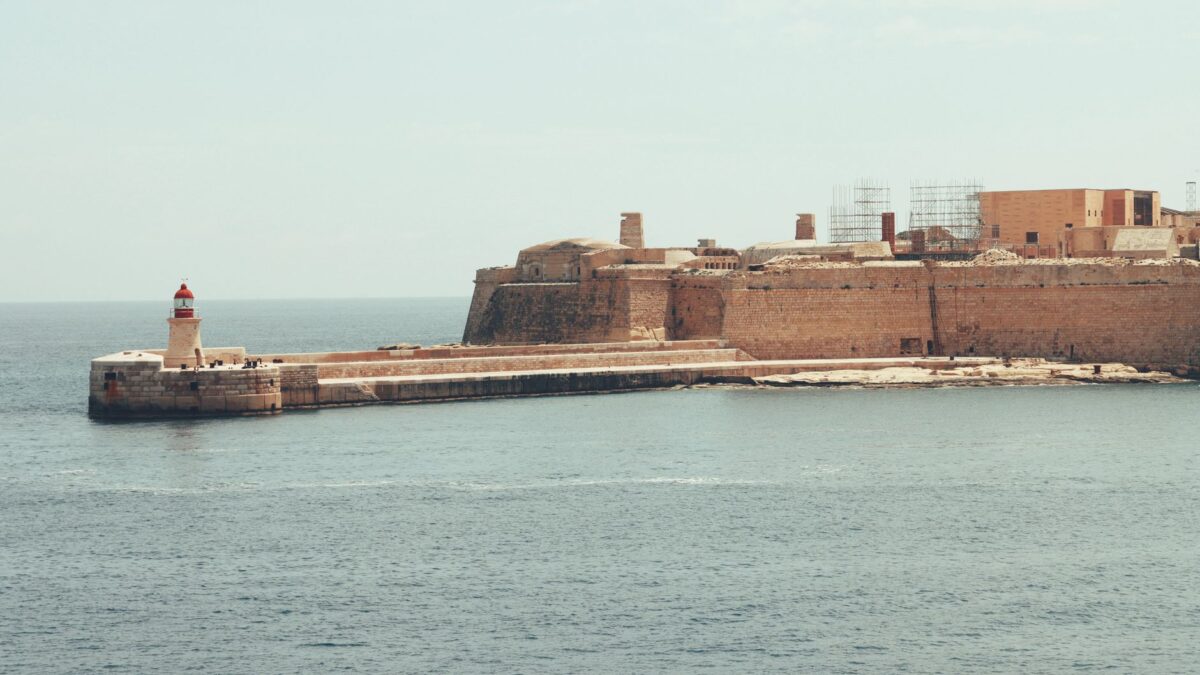
There is a specific kind of light that hits the limestone of Valletta in late September. The air loses its heavy, humid blanket, and the sun feels sharp rather than oppressive. You can stand on the bastions at Upper Barrakka Gardens and watch the Grand Harbour turn from a blinding mirror to a deep, inviting blue without sweating through your shirt. This is the sweet spot. It is the moment when Malta sheds its tourist skin, revealing the honest, textured life underneath.
As someone who has watched this island cycle through seasons for decades, I can tell you that picking the right month isn’t just about weather; it is about rhythm. Do you want the electric chaos of a village feast? The quiet contemplation of winter archives? Or the salt-spray energy of summer swimming? Here is how to choose your time, based on what actually happens here, not just what the brochures say.
Spring: The Awakening (March – May)
Spring in Malta is brief but vibrant. The weather is unpredictable—you might get a warm breeze one hour and a sudden shower the next—but the landscape turns green almost overnight. This is the best time for hiking the Dingli Cliffs or exploring the Blue Grotto sea caves at Wied iż-Żurrieq, where the water is clear enough to see the fish darting among the rocks.
Crowds are thin, and prices for accommodation drop significantly compared to summer. However, the sea is still chilly for swimming, so if your main goal is to dive in, you will likely end up disappointed. Instead, use this time to explore the interior. Visit the medieval city of Mdina, walk the quiet streets of Senglea, and enjoy the cultural scene. Valletta’s creative energy is palpable year-round, but spring offers a chance to sit outside cafes like De Bono Coffee Shop without fighting for space against tour groups.
Verdict: Best for history buffs, hikers, and budget travelers who don’t mind cooler evenings.
Summer: The Sun and the Crowds (June – August)
July and August are intense. Temperatures regularly soar past 30°C, and the island feels packed. If you love heat and energy, this is your season. The beaches at Mellieħa and Golden Bay are lively, and the nightlife in Strait Street—once known as ‘The Gut’—is buzzing with jazz bars and wine spots that stay open until dawn. But be warned: the heat can be exhausting, especially if you are walking around the UNESCO-listed walled city of Valletta without shade.
Prices peak during these months. A simple cappuccino at a café might cost around €2.50, but hotel rates double. Dining out adds up quickly; a mid-range three-course meal for one can run about €40, which is steep given local average wages. Public transport remains cheap—a single bus fare is roughly €2.50 in summer—but buses are often crowded and slow due to traffic.
If you must visit in summer, go early in the morning or late in the evening. Swim before noon. And never forget to tap your Tallinja card on the bus reader; failing to do so triggers a hefty fine. For those seeking respite, take the short ferry ride across to the Three Cities (Birgu, Senglea, Cospicua). They offer a quieter, more authentic glimpse into daily Maltese life away from the coastal resort crowds.
Verdict: Best for swimmers, party-goers, and those who thrive in high-energy environments.
Autumn: The Local Sweet Spot (September – October)
This is my favorite time, and likely yours too once you’ve been here a few years. Early September sees a final surge of activity, particularly around 8 September, Victory Day. The traditional Regatta rows in the Grand Harbour bring eight harbour-town clubs competing in traditional boats, and the crowds pack the Valletta bastions. It is a national crescendo, loud and proud. Shortly after, the first-ever Valletta Guitar Festival opens at the Manoel Theatre, followed by nights at Pjazza Teatru Rjal.
But by mid-to-late September, the tide turns. Schools reopen, families return home, and the tourist numbers thin out. The sea stays warm from the summer heat, perfect for swimming, but the air cools down to a pleasant 25–32°C. This is when the cultural season truly begins. Science in the City runs free workshops at the Valletta Design Cluster, and the Improvizza! Malta Improv Festival brings international performers to Spazju Kreattiv.
Prices begin to soften. You can find modest accommodations for less than in July, and dinner reservations are easier to secure. Try a ftira—a Maltese flatbread sandwich—at Is-Suq tal-Belt market hall for about €5–6, or grab a pastizzi (flaky cheese or pea pastry) for under €1. It is the most balanced season: good weather, fewer people, and a thriving local culture.
Verdict: Best for everyone. Ideal mix of weather, events, and value.
Winter: Quiet Contemplation (November – February)
Maltese winters are mild but wet. Rain falls in heavy bursts, and the wind off the Mediterranean can be biting. Yet, there is a profound beauty to a rainy day in Valletta. The streets are empty, allowing you to wander Merchant Street and view the palazzi without distraction. You can spend hours inside St John’s Co-Cathedral, admiring Caravaggio’s ‘The Beheading of Saint John the Baptist’ in the Oratory, or explore the Lascaris War Rooms, where Operation Husky was planned underground.
Hospitality costs hit their lowest point. Many restaurants offer set menus to keep locals dining out. However, some seasonal businesses close, and the sea is too cold for swimming unless you are brave (or Maltese). This is also the time of the village feasts (festas), where every parish celebrates its patron saint with fireworks, bands, and stalls selling arancini and sweets. These are intimate, community-focused events, far removed from the commercialized festivals of summer.
Verdict: Best for solo travelers, culture vultures, and those seeking peace and introspection.
Practical Tips for Any Season
Regardless of when you come, remember that Malta is part of the Schengen Area. Most nationalities get visa-free entry for 90 days. For getting around, rely on the Tallinja bus network. Visitors should buy the 7-day Explore Card for about €25; it pays for itself quickly if you move between Valletta, Sliema, and the airport. Avoid driving if you are unfamiliar with our narrow, chaotic streets.
Eating well doesn’t have to break the bank. Skip the tourist traps near the waterfront and head inland to places like Angela’s Valletta or O’Sole Rooftop Garden for better quality and price. And always carry cash for small purchases like pastizzi or beach towels, though cards are widely accepted in cities.
Malta changes character with the months. Choose your season wisely, and you won’t just visit an island; you’ll experience its soul.
Frequently asked questions
When is the best month to visit Malta for good weather and fewer crowds?
Late September to early October is ideal. The sea remains warm from summer, temperatures drop to a comfortable 25–32°C, and the tourist crowds thin out after schools reopen.
How much does a typical meal cost in Malta?
An inexpensive local meal or daily special costs around €15. A mid-range three-course meal for one is approximately €40. Street food like pastizzi costs €0.60–0.80 each.
Is public transportation reliable and cheap in Malta?
Yes, the Tallinja bus network is affordable. Visitors can buy a 7-day Explore Card for about €25, while single fares are roughly €2.50 in summer. Always tap your card upon boarding to avoid fines.
What major festivals happen in Malta in September?
Key events include Victory Day (8 September) with the traditional Regatta in the Grand Harbour, the Valletta Guitar Festival (mid-September), and the Improvizza! Malta Improv Festival.
Do I need a visa to visit Malta?
Malta is in the Schengen Area. EU/EEA/Swiss nationals enter freely. Most other nationalities receive visa-free short stays of 90 days within any 180-day period.
Things to do in Malta
 Malta: Private Boat Trip to Comino, Blue Lagoon & Gozo
 Photo Tour in Malta's Most Iconic Spots (Valletta /Mdina /Other)
 Mysteries and Histories of Mdina - Walking Tour
 2hr Gozo Segway Tour
 Special offer
Private Full-Day Yacht Tour in Maltese Islands
Special offer
Private Full-Day Yacht Tour in Maltese Islands
 Malta: Luxury Private Taxi Tours, Customize your itinerary