
Nepal in September 2026: what travelers should know now
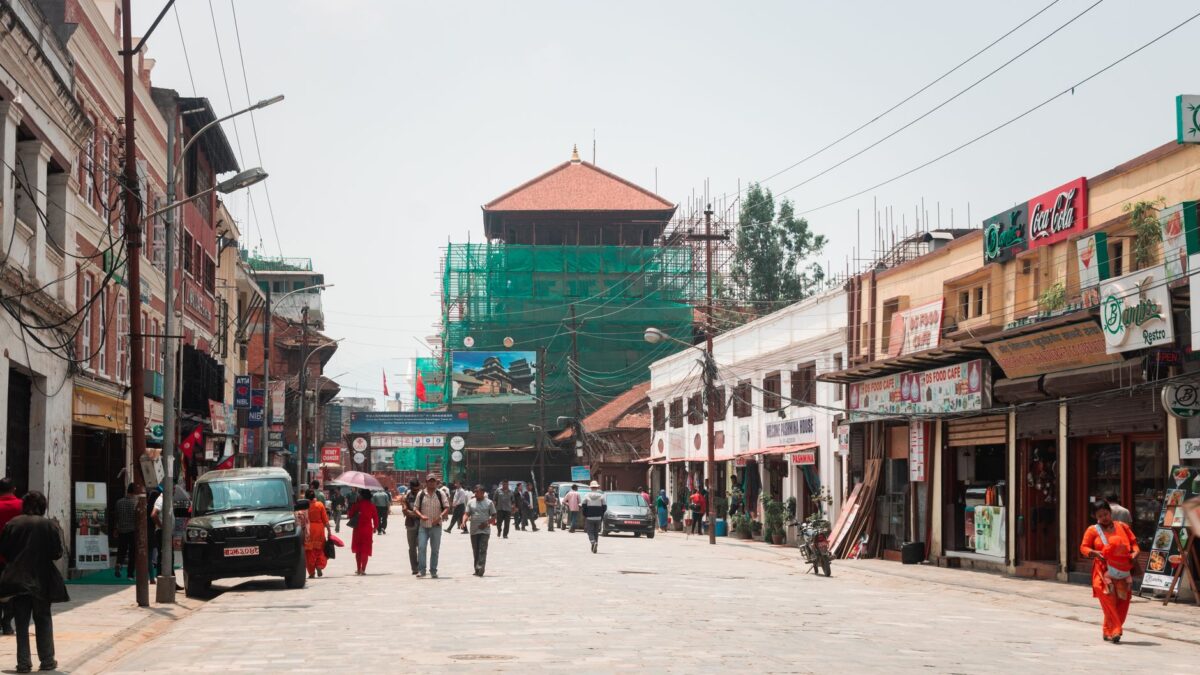
September in Kathmandu is a city holding its breath. The air hangs heavy with the scent of wet earth and burning incense, the monsoon’s grip finally loosening but leaving behind a landscape that feels both lush and bruised. If you are arriving this month, you are stepping into a moment of profound transition. The usual tourist buzz is tempered by a collective national mourning; the streets are quieter, the conversations more serious, yet there is an undeniable pulse of resilience as we prepare for Indra Jatra. This is not the time for a carefree holiday—it is a time to travel with presence, respect, and preparation.
The Weather: Sticky Heat and Sudden Storms
As of today, September 10, 2026, Kathmandu sits at a humid 20–27°C, though the heat index often makes it feel closer to 33°C. The sky is typically overcast, and while the constant downpours of July and August are fading, sudden thunderstorms with hail are still common. You might see 25mm of rain fall within a single day, turning our unpaved lanes into muddy tracks.
Pack accordingly. A lightweight, breathable shirt is essential, but so is a waterproof jacket or poncho. Your footwear must be sturdy enough to handle mud-slicked sidewalks and quick, unpredictable showers. Umbrellas are useful, but in the crowded alleys of Thamel or Asan, they can become a nuisance; a good raincoat is far more practical. Also, bring high-SPF sunscreen—the humidity masks the sun’s intensity until it hits you hard.
A Month of Mourning and Memory
You cannot visit Nepal in September 2026 without acknowledging the shadow cast by the disaster of late August. On August 26, a glacial-outburst flash flood devastated the Bhote Koshi and Trishuli corridors in Rasuwa, Nuwakot, and Dhading districts. The toll has been devastating, with over a thousand dead and thousands still missing. For us, this is not just news; it is a personal tragedy felt in every household.
Because of this, the mood in Kathmandu is somber. You will see donation appeals everywhere, from street corners to social media feeds. Many locals are absorbed in relief drives and searching for missing relatives. Travelers, please observe this with sensitivity. Avoid loud behavior in public spaces, especially near religious sites where prayers are being held. We ask that you engage with the local community not as spectators, but as respectful guests who understand that our recovery is ongoing.
This sentiment culminates in a major event later this month: a three-day memorial prayer ceremony at Boudhanath Stupa from September 14–16. Timed to the 21st day after the disaster, these sessions (7:30–10:00 a.m. daily) feature collective prayers and candle-lighting. If you choose to attend, do so quietly and respectfully. It is a powerful display of communal grief and healing.
Festivals and Cultural Shifts
Despite the mourning, life moves forward with ritual. The city is preparing for Indra Jatra, Nepal’s most vibrant festival, running from September 13–29. Crews are already cleaning and painting the heritage squares along the chariot routes. The atmosphere will shift dramatically as the city prepares to welcome the living goddess, Kumari.
The highlight is the main procession on September 25, when the giant wooden chariots of Ganesh and Bhairav are pulled through the old city. Expect Basantapur, Indra Chowk, and the surrounding lanes to be packed, noisy, and partially closed to traffic. This is a peak time for photography and cultural immersion, but also for congestion. Plan your movements around these closures.
For film enthusiasts, the inaugural Lichchhavi Cinema Festival is happening right now (September 10–15), organized by Lichchhavi House with support from the Kathmandu Metropolitan City and the EU. It screens ten international films and closes with Khyentse Norbu’s The Cup. It is a rare, quiet cultural counterpoint to the bustling streets—a chance to reflect on cinema and storytelling in the heart of Thamel.
Transport and Logistics: What You Need to Know Now
Travel logistics are currently complicated by the aftermath of the August floods. The Mugling–Malekhu stretch of the Prithvi Highway, which links Kathmandu to Pokhara and Chitwan, is blocked by toe-cutting and landslide damage. Long-distance buses and freight are heavily snarled. If you planned a road trip to Pokhara or Chitwan in the next few weeks, expect significant delays or cancellations. Flying is the only reliable alternative for long-distance travel right now.
Within Kathmandu, public transit remains cash-based and chaotic. Sajha Yatayat buses and micro-buses require exact change. Most residents and savvy travelers use app-based rides like Pathao or InDrive, or negotiate fares with metered taxis. There is no unified transit card, so keep small NPR notes handy. A short taxi ride across town costs about 300–500 NPR (≈ $3.0), while a bus fare is a mere 20–40 NPR (≈ $0.2).
If you are trekking, note that many agencies are redirecting routes due to the regional instability. Ensure you have all necessary permits, including TIMS cards and park entry permits, arranged through registered agencies in Kathmandu. Do not rely on last-minute bookings given the current transport disruptions.
Costs and Practical Tips for September
Kathmandu remains one of the world’s most affordable capitals for food, though rents and imported goods are seeing slight inflation. A meal at an inexpensive local restaurant, such as a khaja ghar serving dal bhat, costs around 150–300 NPR (≈ $1.7). For a mid-range dinner for two, budget about 3,100 NPR (≈ $23). Coffee lovers will find cappuccinos at places like Yala Cafe or Himalayan Arabica Beans costing roughly 240–250 NPR (≈ $1.8).
Housing costs vary significantly by district. A modest one-bedroom flat in areas like Jhamsikhel or Patan rents for 25,000–45,000 NPR per month (≈ $260). For short stays, mid-range hotels in Thamel or Lalitpur charge between 2,000–3,500 NPR (≈ $21) per night. Be aware that prices in tourist zones like Thamel run 30–50% higher than in local neighborhoods like Asan or Indrachowk.
Essential Tips:
- Safety: Watch for pickpockets in crowded areas like Durbar Square and Thamel. Be wary of trek offers that seem too cheap—they often cut corners on safety.
- Water: Never drink tap water. Stick to bottled or filtered water to avoid illness.
- Cash: Carry Nepalese Rupees. Many small vendors, temple booths, and local restaurants do not accept cards. Digital payments via eSewa or Khalti are growing but not universal.
- Visas: Most nationalities get a Visa on Arrival at Tribhuvan International Airport. Pre-fill your form online to skip queues. Bring USD cash for fees ($30 for 15 days).
September in Nepal is complex, layered with grief and celebration. Come with an open heart and flexible plans, and you will witness the true spirit of a people who endure, remember, and rejoice in equal measure.
Frequently asked questions
Is it safe to travel to Nepal in September 2026?
Yes, but exercise heightened caution and respect. The country is in a period of mourning following the August 26 floods, and transportation networks are disrupted. Avoid flood-affected regions and maintain a low profile.
Can I take a bus to Pokhara or Chitwan from Kathmandu in September?
Travel is severely impacted. The Mugling–Malekhu stretch of the Prithvi Highway is blocked by landslides from the August floods. Road trips will face major delays; flying is recommended.
What festivals are happening in Kathmandu in September 2026?
The main event is Indra Jatra (Sept 13–29), featuring chariot processions peaking on Sept 25. Additionally, the Lichchhavi Cinema Festival runs Sept 10–15, and a memorial ceremony is held at Boudhanath Sept 14–16.
How much does a meal cost in Kathmandu in September 2026?
Food is affordable. An inexpensive local meal (dal bhat) costs 150–300 NPR (~$1.7). A mid-range dinner for two is around 3,100 NPR (~$23). Tourist areas like Thamel may charge 30–50% more.


