
Nepal Travel Podcast with Bibek Shrestha
Hosted by Bibek Shrestha — a new episode every day from Nepal.
The show follows one resident as he learns Nepal by living in it, rather than passing through. Nepal rewards that slowness: the Tarai flatlands in the south, the central hills, and the Himalayan ridges all sit within one country but demand different rhythms of season and distance.
The host moves between Kathmandu, the Tarai plains, Ilam in the eastern hills, and Mustang on the edge of the Tibetan plateau. Each region changes the language, the architecture and the daily timetable. In Kathmandu he follows the old Newari trade routes; in Ilam he watches tea being picked and processed.
As the show progresses, the host returns to places in different seasons: winter mornings in Kathmandu, monsoon rain on the Tarai, spring rhododendrons in the hills. He learns the patterns of harvests and festivals, and the way each journey connects to the one before it.
Recent episodes
Things to do in Nepal
 Trekking in Annapurna/Langtang/Everest/Upper Mustang regions
 Kathmandu/Pokhara to Annapurna Base Camp (ABC) 5-Day Trek
 Everest Base Camp Trek
 Local Women Lead Nepali Cooking Class
 Everest Base camp Trek-12 days
 Special offer
Kathmandu: Private sightseeing Day Tour | Top 4 UNESCO Heritage
Special offer
Kathmandu: Private sightseeing Day Tour | Top 4 UNESCO Heritage
 7 Days Private Tour to Nepal
 Annapurna Circuit Trek
Plan your trip to Nepal
Getting around
Staying connected
Nepal at a glance
Nepal in depth
Reference data on the country — geography, people, history, economy and transport.
Geography and climate
Location
Southern Asia, between China and India
Terrain
Tarai or flat river plain of the Ganges in south; central hill region with rugged Himalayas in north
Climate
Varies from cool summers and severe winters in north to subtropical summers and mild winters in south
Elevation
- Highest point
- Mount Everest (highest peak in Asia and highest point on earth above sea level) 8,849 m
- Lowest point
- Kanchan Kalan 70 m
- Mean elevation
- 2,565 m
Area
- Total
- 147,181 sq km
- Land
- 143,351 sq km
- Water
- 3,830 sq km
Size comparison
Slightly larger than New York State
Coastline
0 km (landlocked)
Land borders
- Total
- 3,159 km
- Border countries
- China 1,389 km; India 1,770 km
Natural resources
Quartz, water, timber, hydropower, scenic beauty, small deposits of lignite, copper, cobalt, iron ore
Land use
- Agricultural land
- 26.1% (2023 est.)
- Arable land
- 12.6% (2023 est.)
- Permanent crops
- 1% (2023 est.)
- Permanent pasture
- 12.5% (2023 est.)
- Forest
- 43.5% (2023 est.)
- Other
- 27.7% (2023 est.)
Natural hazards
Severe thunderstorms; flooding; landslides; drought and famine depending on the timing, intensity, and duration of the summer monsoons
Note
Landlocked; strategic location between China and India; contains eight of world's 10 highest peaks, including Mount Everest and Kanchenjunga -- the world's tallest and third-tallest mountains -- on the borders with China and India, respectively
People and society
Population
- Total
- 31,334,402 (2025 est.)
- Male
- 15,352,706
- Female
- 15,981,696
Nationality
- Noun
- Nepali (singular and plural)
- Adjective
- Nepali
Ethnic groups
Chhettri 16.5%, Brahman-Hill 11.3%, Magar 6.9%, Tharu 6.2%, Tamang 5.6%, Bishwokarma 5%, Musalman 4.9%, Newar 4.6%, Yadav 4.2%, Rai 2.2%, Pariyar 1.9%, Gurung 1.9%, Thakuri 1.7%, Mijar 1.6%, Teli 1.5%, Yakthung/Limbu 1.4%, Chamar/Harijan/Ram 1.4%, Koiri/Kushwaha 1.2%, other 20% (2021 est.)
Languages
- Languages
- Nepali (official) 44.9%, Maithali 11.1%, Bhojpuri 6.2%, Tharu 5.9%, Tamang 4.9%, Bajjika 3.9%, Avadhi 3%, Nepalbhasha (Newari) 3%, Magar Dhut 2.8%, Doteli 1.7%, Urdu 1.4%, Yakthung/Limbu 1.2%, Gurung 1.1%, other 8.9% (2021 est.)
- Major-language sample(s)
- विश्व तथ्य पुस्तक,आधारभूत जानकारीको लागि अपरिहार्य स्रोत (Nepali)
Religions
Hindu 81.2%, Buddhist 8.2%, Muslim 5.1%, Kirat 3.2%, Christian 1.8%; less than 1%: Prakriti, Bon, Jains, Sikh (2021 est.)
Median age
- Total
- 28.1 years (2025 est.)
- Male
- 26.5 years
- Female
- 28.6 years
Life expectancy
- Total population
- 73 years (2024 est.)
- Male
- 72.2 years
- Female
- 73.7 years
Urbanisation
- Urban population
- 21.9% of total population (2023)
- Rate of urbanization
- 3.09% annual rate of change (2020-25 est.)
Where people live
Most of the population is divided nearly equally between a concentration in the southern-most plains of the Tarai region and the central hilly region; overall density is low
Largest cities
1.571 million KATHMANDU (capital) (2023)
Background and government
Background
During the late 18th and early 19th centuries, the principality of Gorkha united many of the other principalities and states of the sub-Himalayan region into a Nepali Kingdom. Nepal retained its independence after the Anglo-Nepalese War of 1814-16, and the subsequent peace treaty laid the foundations for two centuries of amicable relations between Britain and Nepal. In 1951, the Nepali monarch ended the century-old system of hereditary rule and instituted a cabinet system that brought political parties into the government. That arrangement lasted until 1960, when political parties were again banned, but it was reinstated in 1990 with the establishment of a multiparty democracy within the framework of a constitutional monarchy.
A Maoist-led insurgency broke out in 1996. During the ensuing 10-year civil war between Maoist and government forces, the monarchy dissolved the cabinet and parliament. In 2001, Crown Prince DIPENDRA first massacred the royal family and then shot himself. His uncle GYANENDRA became king, and the monarchy reassumed absolute power the next year. A peace accord in 2006 led to the promulgation of an interim constitution in 2007. After a nationwide Constituent Assembly (CA) election in 2008, the newly formed CA declared Nepal a federal democratic republic, abolished the monarchy, and elected the country's first president.
When the CA failed to draft a Supreme Court-mandated constitution, then-Prime Minister Baburam BHATTARAI dissolved the CA. An interim government held elections in 2013, in which the Nepali Congress (NC) won the largest share of seats. In 2014, NC formed a coalition government with the second-place Communist Party of Nepal-Unified Marxist-Leninist (UML). Nepal's new constitution came into effect in 2015, at which point the CA became the Parliament and Khagda Prasad Sharma OLI the first post-constitution prime minister (2015-16). He resigned ahead of a no-confidence motion, and Parliament elected Communist Party of Nepal-Maoist (CPN-M) leader Pushpa Kamal DAHAL as prime minister.
The parties headed by OLI and DAHAL ran in coalition and swept the parliamentary elections in 2017, and OLI was sworn in as prime minister in 2018. OLI's efforts to dissolve parliament and hold elections were declared unconstitutional in 2021, and the opposition-supported NC leader Sher Bahadur DEUBA was named prime minister. The NC won a majority of seats in the parliamentary elections in 2022, but DAHAL then broke with the ruling coalition and partnered with OLI and the CPN-UML to become prime minister. DAHAL's first cabinet lasted about two months, until OLI withdrew his support over disagreements about ministerial assignments. In early 2023, DAHAL survived a vote of confidence and formed a coalition with the NC to remain prime minister.
Government
Federal parliamentary republic
Capital
Kathmandu
Time zone
UTC+5.75 (10.75 hours ahead of Washington, DC, during Standard Time)
Local name
None
Independence
1768 (unified by Prithvi Narayan SHAH)
National day
Constitution Day, 20 September (2015)
Economy and cost of living
Overview
Low-income South Asian economy; post-conflict fiscal federalism increasing stability; COVID-19 hurt trade and tourism; widening current account deficits; environmentally fragile economy from earthquakes; growing Chinese relations and investments
GDP per capita
- Real GDP per capita 2024
- $5,000 (2024 est.)
- Real GDP per capita 2023
- $4,900 (2023 est.)
- Real GDP per capita 2022
- $4,800 (2022 est.)
Inflation
- Inflation rate (consumer prices) 2023
- 7.1% (2023 est.)
- Inflation rate (consumer prices) 2022
- 7.7% (2022 est.)
- Inflation rate (consumer prices) 2021
- 4.1% (2021 est.)
Unemployment
- Unemployment rate 2024
- 10.8% (2024 est.)
- Unemployment rate 2023
- 10.7% (2023 est.)
- Unemployment rate 2022
- 10.9% (2022 est.)
Exchange rate
- Currency
- Nepalese rupees (NPR) per US dollar -
- Exchange rates 2024
- 133.727 (2024 est.)
- Exchange rates 2023
- 132.115 (2023 est.)
- Exchange rates 2022
- 125.199 (2022 est.)
- Exchange rates 2021
- 118.134 (2021 est.)
- Exchange rates 2020
- 118.345 (2020 est.)
Main industries
Tourism, carpets, textiles, small rice, jute, sugar, oilseed mills, cigarettes, cement and brick production
Agriculture
Rice, vegetables, potatoes, sugarcane, maize, wheat, bison milk, milk, mangoes/guavas, bananas (2023)
Transport and connectivity
Airports
51 (2025)
Railways
- Total
- 59 km (2018)
- Narrow gauge
- 59 km (2018) 0.762-m gauge
Internet domain
.np
Internet users
Percent of population 56% (2023 est.)
Mobile subscriptions
- Total subscriptions
- 29.6 million (2024 est.)
- Subscriptions per 100 inhabitants
- 100 (2024 est.)
Environment
Environmental issues
Deforestation (overuse of wood for fuel and lack of alternatives); forest degradation; soil erosion; contaminated water from human and animal wastes, agricultural runoff, and industrial effluents; unmanaged solid waste; wildlife conservation; air pollution from vehicular emissions
Fresh water
210.2 billion cubic meters (2022 est.)
Country reference figures are periodically revised. Check anything time-sensitive or safety-critical against an official source before you travel.
Nepal travel guides
 Getting Around
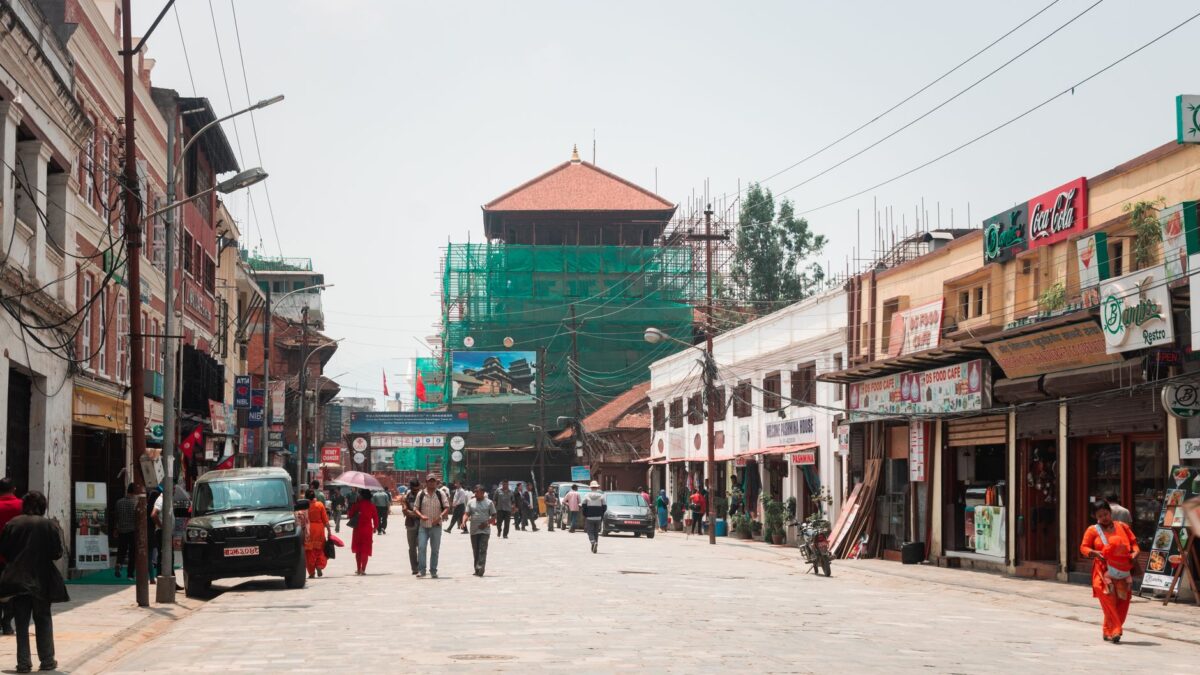
From the airport into Kathmandu: every option and what it costs
Navigate Kathmandu's airport transfer options: real taxi, bus, and app fares, journey times, and tips for September 2026.
 News & Updates
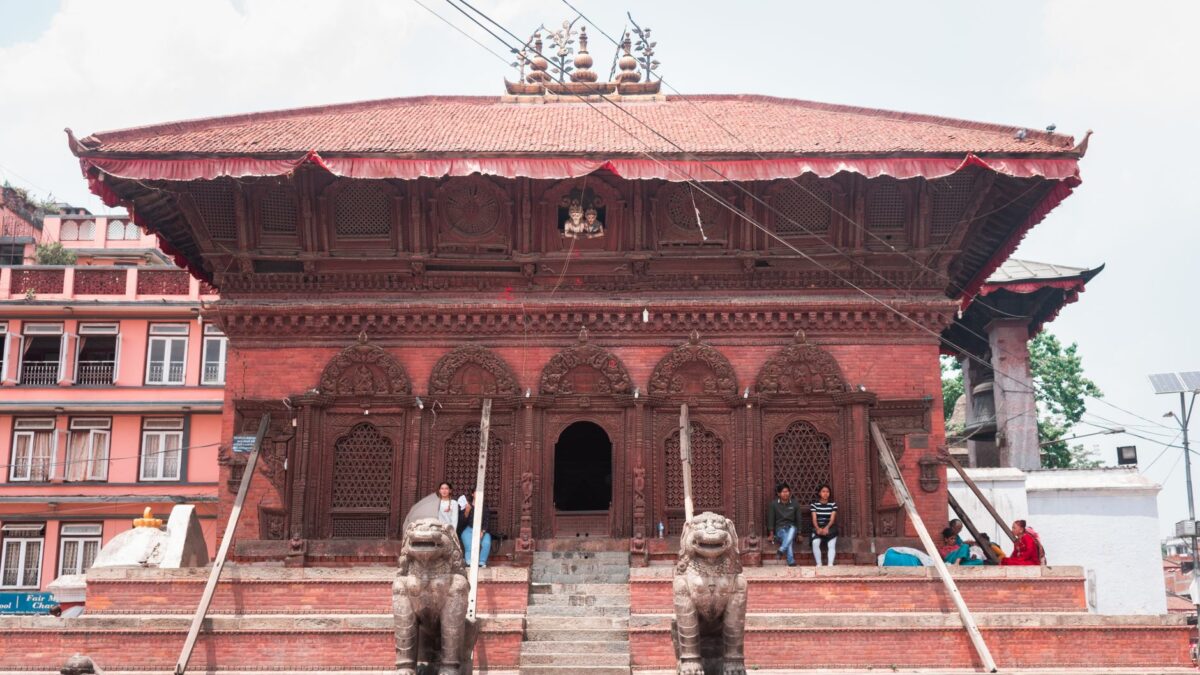
Nepal in September 2026: what travelers should know now
Nepal in September 2026: Navigate post-flood travel disruptions, Indra Jatra festivities, and essential cost & safety tips for Kathmandu visitors.
 Travel Tips
A first-timer’s guide to Nepal
First-timer's guide to Nepal: best time to visit, how long to stay, getting around, money, and insider tips from Kathmandu. Practical, honest, local.
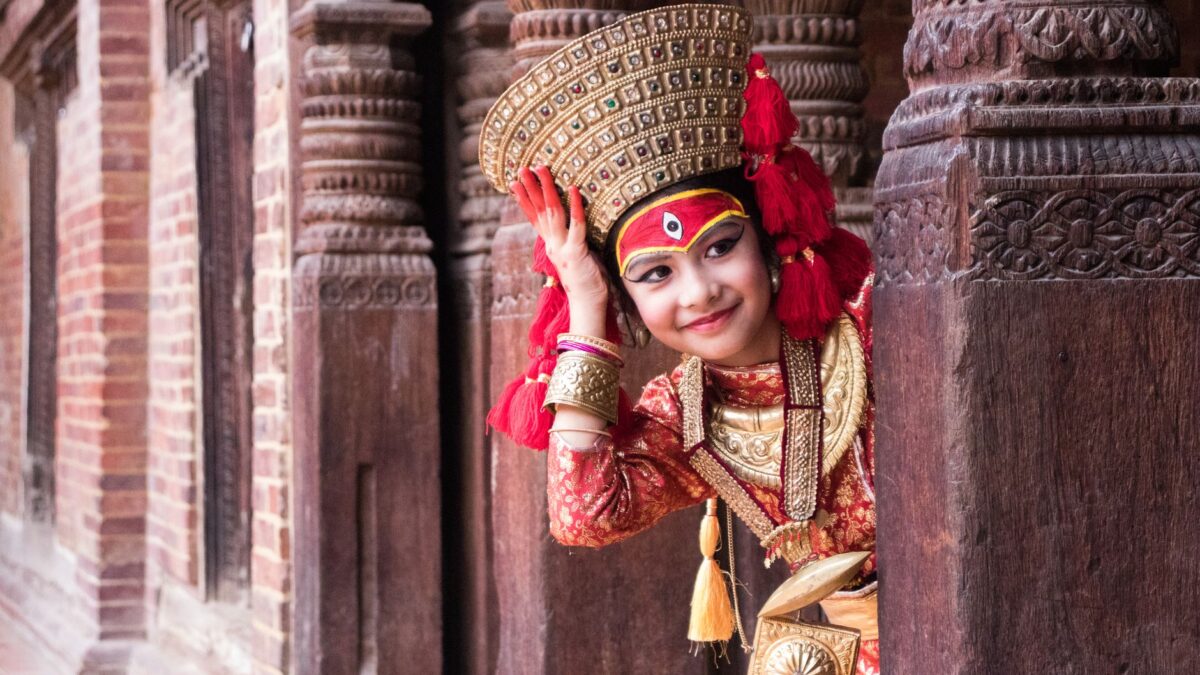 Culture & Etiquette
Nepal etiquette: the dos and don’ts
Nepal etiquette: greetings, tipping, dining, dress, and small customs that matter. Bibek Shrestha's local guide to being a considerate visitor in Kathmandu.
South Asia
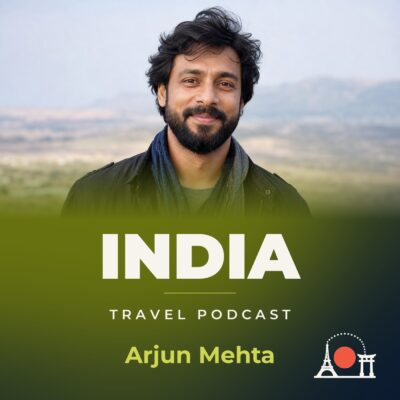 India
IndiaIndia Travel Podcast with Arjun Mehta
The Ganges plain holds India’s densest population, while the Deccan Plateau in the south and the Himalayan mountain fringe in the north…
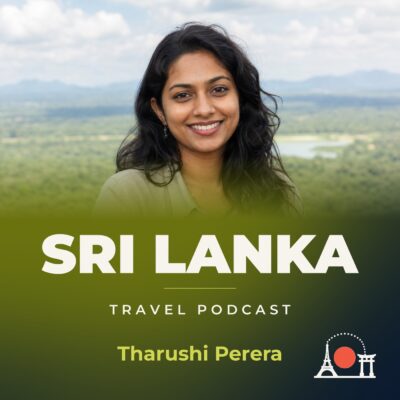 Sri Lanka
Sri Lanka Travel Podcast with Tharushi Perera
The northeast monsoon, arriving from December to March, brings rain to the northern and eastern shores before the southwest monsoon takes over…
 Maldives
Maldives Travel Podcast with Aishath Nazim
The northeast monsoon brings drier weather from November to March, when the archipelago’s flat coral atolls and white sandy beaches emerge from…
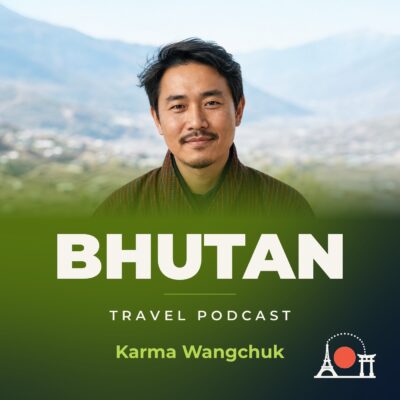 Bhutan
Bhutan Travel Podcast with Karma Wangchuk
The capital, Thimphu, sits in a central valley where summers turn hot and winters stay cool, while Himalayan passes control routes between…