
Getting around Podgorica: metros, taxis and passes
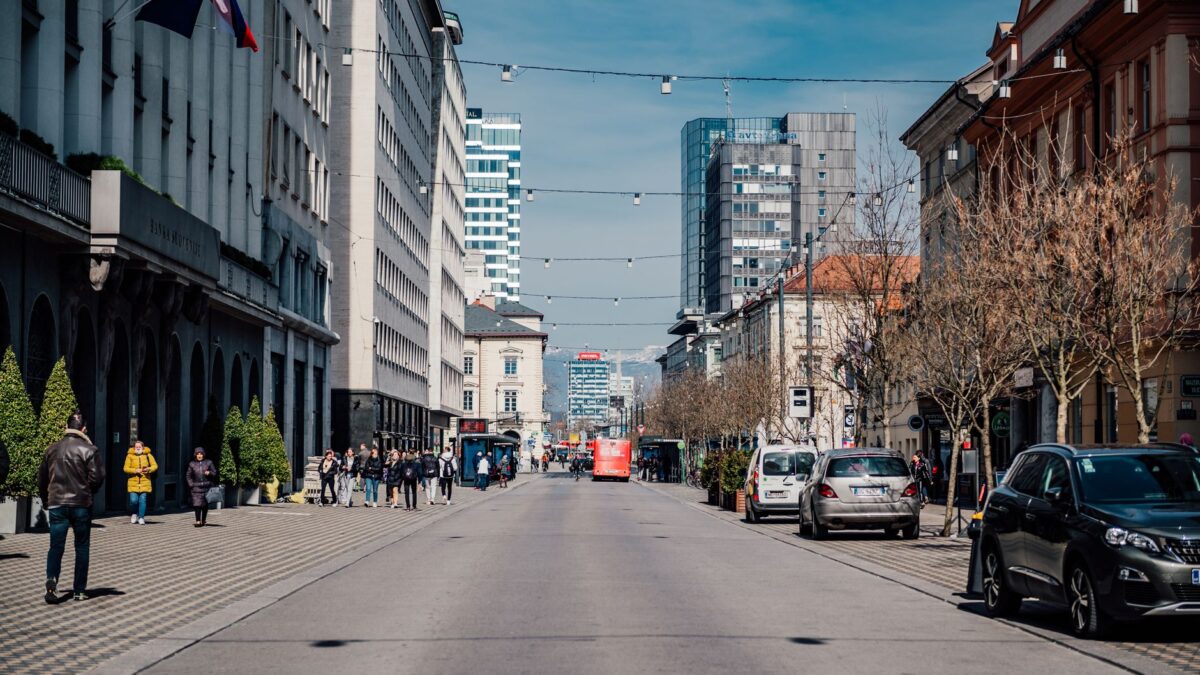
The heat in Podgorica doesn’t just sit on you; it rises from the asphalt. It is early September, and the city is caught in that breathless limbo between the peak of summer tourism and the crisp return of local routines. At 34°C, the air shimmers above the Ribnica River, but inside, life moves at a different pace. You might expect a sprawling transit network to handle a capital of nearly 240,000 people, but Podgorica offers something far more intimate. Getting around here isn’t about conquering distance; it’s about navigating a compact, walkable grid where the rhythm is set by the bus schedule, the taxi meter, and your own two feet.
Why Walking Is Your Best Ticket
Before you even think about buying a pass or hailing a cab, look at the map. Podgorica is remarkably flat and dense. The historic center, flanked by the modern boulevard and the old town, is designed for pedestrians. In fact, walking often beats public transport when you are staying near the core. The temperature today might be pushing 34°C, but once the sun dips below 19:00, the evenings become perfect for strolling.
Start at the Old Ribnica River Bridge, a stone relic that connects the bustling main streets to the quiet charm of the old quarter. From there, walk toward Gorica Park. It is a short, pleasant trek through shaded avenues that locals use daily. If you head north, you will eventually reach the Equestrian statue of King Nikola, a central landmark that anchors the civic heart of the city. These areas are so close together that hopping on a bus for a three-block journey feels inefficient. Instead, wander into the courtyards and side streets. You might stumble upon the Monument to A.S. Pushkin and Natalia Goncharova, a quiet tribute to literary history that is best appreciated on foot.
This walkability is part of why Podgorica feels safe and accessible. Even with the ongoing construction rerouting traffic on Vojislavljevića Boulevard or the closures on Vučedolska Street for reconstruction, the pedestrian zones remain intact. You can navigate the city without fighting the heavy vehicle traffic that snakes through the arteries of the town.
The Bus Network: Simple and Affordable
When you need to go further than walking allows—perhaps heading out toward the outskirts or crossing the river to the northern districts—the local bus system is your most reliable friend. It is not a metro; Podgorica does not have an underground rail system. What you have is a well-organized network of municipal buses that covers the urban sprawl efficiently.
The cost is negligible by Western standards. A single ticket runs approximately €0.90. You can pay the driver directly in cash (Euros), which makes boarding seamless. For those planning to stay longer or move frequently, a monthly public-transport pass costs around €27. This is a bargain, especially considering that a modest one-bedroom apartment outside the priciest center areas rents for roughly €400–€550 per month. The pass essentially pays for itself after just thirty rides.
Expect the buses to be clean and punctual during daylight hours. They are the lifeline for students and workers alike. As the season shifts back-to-school routines kick in, you will see a surge in younger passengers. However, service may thin out slightly late at night, so plan accordingly if you are returning from an evening event. The routes are straightforward, and drivers are generally helpful if you ask for confirmation before alighting.
Taxis and Ride-Hailing: The Comfort Option
When the humidity becomes too much, or you are carrying luggage, taxis are plentiful and affordable. You do not need to download a complex app to get a ride; simply flag one down on the street or call a local company. The base fare for a short ride starts around €1.30–€1.50. From there, the meter ticks up, but distances are short enough that fares rarely skyrocket.
If you prefer digital convenience, ride-hailing apps are available and widely used by both locals and visitors. This ensures transparent pricing and eliminates the need for haggling. Whether you are heading to the airport or just across town to Konoba ‘Lanterna’ for dinner, a taxi is a stress-free option. Just be aware that during peak hours or when major events are happening, such as the ongoing 41st FIAT (Festival of International Alternative Theatre) running across the city, demand spikes. Vehicles may be harder to find near the KIC ‘Budo Tomović’ or the Montenegrin National Theatre during performance times.
Navigating the Cultural Pulse
Your mode of transport will likely depend on what cultural activities you choose to attend. Podgorica is alive with events right now. The 13th International Puppet Festival has just wrapped up at KIC ‘Budo Tomović’, drawing troupes from six countries, but the energy remains. If you are visiting between September 17 and 20, the second Podgorica Street Food Festival takes over Podgorica Park. This is a prime example of why walking or taking a short taxi ride is superior to driving yourself; parking near the park becomes a nightmare during these festivals.
For theatre lovers, the 41st FIAT offers free admission to programmes at various venues, including the courtyard of the ‘Slobodan Škerović’ gymnasium. These locations are scattered across the city. Using the bus pass or a combination of walking and taxis allows you to hop between venues easily. Avoid driving if possible, given the roadworks on Vučedolska Street and the rerouting on Vojislavljevića Boulevard. These construction projects, while necessary for the city’s development, create bottlenecks that make a 10-minute drive take 30 minutes.
Practical Tips for the Local Move
To truly move like a local, embrace the café culture as a break point. After a morning of walking or bus riding, stop at Coffee Circus Drži Prži or Oliva Coffee for a cappuccino, which costs between €1.40 and €2.00. It is a ritual here. The city is affordable; a loaf of bread is roughly €0.90, and a litre of milk is about €1.20. If hunger strikes, a burek from a pekara bakery costs only €1.20–€2.00, while a plate of ćevapi ranges from €3 to €6.
Keep your wallet handy for small transactions. While cards are accepted at larger establishments like SPAGO or Babi Gourmet & Wine, smaller bakeries and bus drivers prefer cash. Carry Euros, as this is the official currency. The economy is stable, with inflation hovering around 3.9%, keeping prices relatively predictable compared to other European destinations.
Finally, stay informed about local news. Politics plays a role in daily life; recently, Parliament voted on stripping immunity for officials, a story dominating headlines. While this doesn’t directly impact tourists, it reflects the active civic engagement of the population. Being aware of the context helps you understand the mood of the city. Whether you are grabbing a draught beer (Nikšićko) for €1.50–€3.00 at a local bar or dining mid-range at Diplomat Restoran, moving through Podgorica is about flexibility. Use your feet for the center, the bus for the commute, and a taxi for the comfort. That is how you experience the real Montenegro.
Frequently asked questions
Does Podgorica have a metro or train system?
No, Podgorica does not have a metro or underground rail system. The primary public transport option is the municipal bus network, which is affordable and covers the city effectively.
How much does a local bus ticket cost in Podgorica?
A single local bus fare is approximately €0.90. For frequent travel, a monthly public-transport pass costs around €27.
Are taxis expensive in Podgorica?
Taxis are quite affordable. The base fare for a short ride starts around €1.30–€1.50. Ride-hailing apps are also available for transparent pricing.
Is it better to walk or take a bus in the city center?
Walking is often better in the historic center and near key attractions like Gorica Park and the Ribnica River, as distances are short and the area is pedestrian-friendly.
What are the current road closures affecting drivers?
Currently, Vojislavljevića Boulevard is suspended between Đure Jakšića and Princeze Ksenije Streets due to construction. Additionally, Vučedolska Street is closed to motor vehicles between Ulica slobode and Njegoševa Street until mid-September.
Things to do in Montenegro
 Nevidio Canyoning
 Private tour: Homemade food and wine tasting at my family home
 Private transfers from Podgorica Airport and city to Budva
 Exciting And Historical Perast - Private tour
 Kotor private cooking class with lunch and Old town guided tour
 Perast-Our Lady Of The Rocks &Blue Cave-Private Tour Black Pearl