

How much does a trip to France cost?
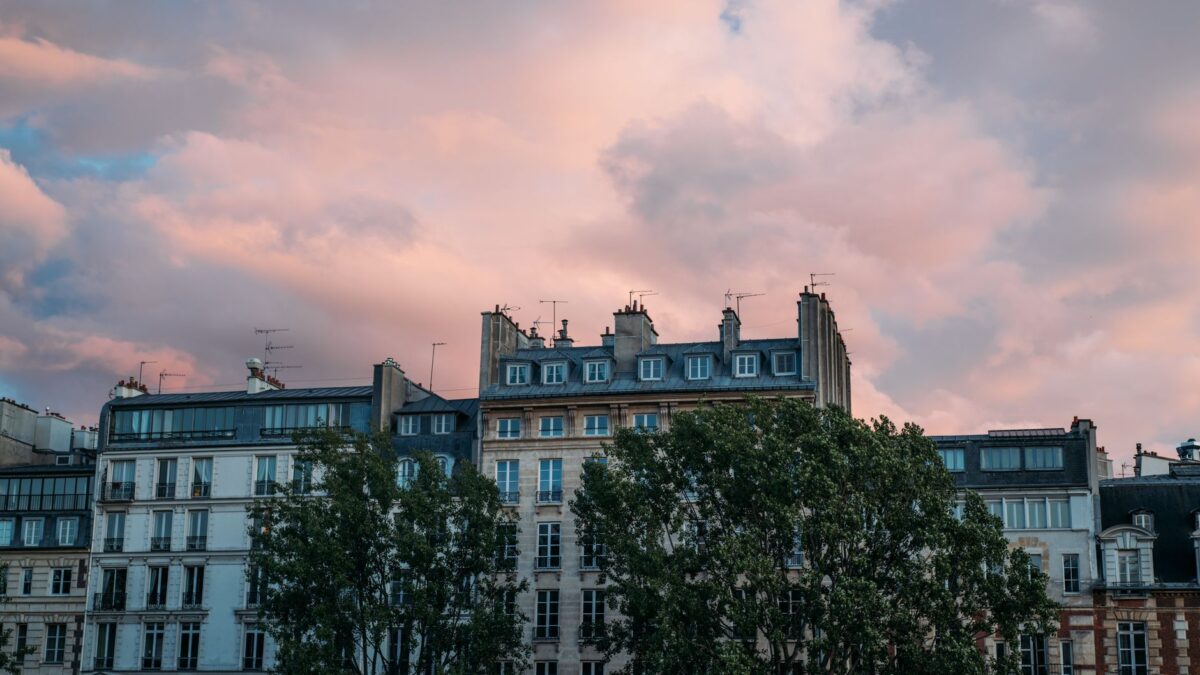
Mid-September in Paris is a specific kind of magic. The air has that crisp, 15–24°C bite to it, the light turns golden over the limestone facades, and the city exhales after the summer rush. You can smell the first grapes of the season and hear the crunch of cèpes being sorted at Marché d’Aligre. But as you plan your escape to this capital of design and history, one question always looms: will your wallet survive the Seine? The truth is, Paris is not a single price point; it is a spectrum from the affordable charm of Belleville to the high-stakes elegance of Saint-Germain-des-Prés. Let’s break down exactly what you need to budget for right now, using real local figures.
Accommodation: Where You Sleep Dictates Your Budget
Your hotel choice is the biggest variable. In the heart of Le Marais or near the Luxembourg Gardens, prices reflect the prestige. A mid-range boutique hotel like Hôtel Les Rives Oceanik or the charming Villa des iris will typically run you between €180 and €300 per night. These places put you within walking distance of major sights, saving you time and transit fares.
If you are watching your spend, look toward the edges. Novotel Paris 20 Belleville offers a reliable, modern stay for around €100–€130 a night. Belleville itself is scruffy, creative, and multicultural—far from the polished tourist trap—and you get excellent rooftop views of the city skyline from Parc de Belleville for free. For a truly local feel, consider apartments like Apartments WS Marais – République, which can offer better value for groups, though be wary of the extra cleaning fees often attached.
Budget tip: Avoid hotels directly on the Champs-Élysées unless luxury is no object. Instead, base yourself in the 10th arrondissement near Canal Saint-Martin. It is the locals’ “second Paris,” filled with natural-wine bars and indie cafés, yet Gare du Nord is just a short walk away if you need to catch a train.
Eating Out: From Falafel to Fine Dining
Food in Paris is an art form, but it doesn’t have to bankrupt you. The key is knowing where locals eat versus where tourists queue.
The Budget Eater (€15–€25/day): Start your day at BlackBird Coffee or Kozy Bosquet for a decent espresso and pastry (€6–€9). For lunch, skip the sit-down restaurants. Head to Marché des Enfants Rouges, the oldest covered market in Paris (est. 1615). You can grab a falafel from Rue des Rosiers or fresh seafood crepes for under €12. Dinner? A bottle of wine at a tabac shop and a picnic on the quays of Canal Saint-Martin costs roughly €15.
The Mid-Range Experience (€50–€75/day): This is the sweet spot. Enjoy a classic bistro meal in Bastille/Oberkampf. Look for places serving traditional coq au vin or steak-frites. A main course at a place like La Jacobine or Le Ju’ will set you back about €20–€25, plus a glass of wine (€7) and coffee. Afternoon treats, like a croissant from Clove or a slice of tart, add another €10.
The Comfortable Splurge (€120+/day): If you want to dine at Pink Mamma or Brasserie des Prés, expect to pay €60–€90 per person for a full dinner with wine pairing. Remember to budget for the service; while some places include it, many still leave a small tip for good service.
Moving Around: Navigating the City Efficiently
Paris is dense and walkable, but the metro is essential. Paper tickets are gone (phased out in late 2025), so you must use digital or card-based systems.
The Tourist Solution: Buy a Navigo Easy card for €2 (rechargeable). Load it with t+ tickets at €2.55 each. This works for metro, RER (within Paris), and buses. If you plan to move heavily, the Paris Visite pass might save money, but calculate carefully. Residents use the personal Navigo monthly pass (~€90.80 all-zones), but tourists cannot access this.
Critical Warning: As of September 2026, the RER B line is shut between Gare du Nord and Denfert-Rochereau for maintenance. If you are staying near Montparnasse or Luxembourg, do not rely on the RER B from the airport without checking alternative bus routes. Also, note that Saint-Michel station (Metro Line 4) is closed for renovation until December 2026; trains pass through without stopping. Plan your Latin Quarter visits accordingly.
Attractions: Free Views and Paid Masters
You do not need to spend money to see the best of Paris. The view from the Trocadéro esplanade frames the Eiffel Tower perfectly. Walking up the steps of Sacré-Cœur in Montmartre is free and offers a sweeping panorama rivaling any paid observation deck. Stroll through the Luxembourg Gardens or the dramatic cliff-top lake of Parc des Buttes-Chaumont—both free.
Paid Highlights:
- Louvre Museum: Book timed entry well ahead. Expect to pay around €22. Without booking, you will waste hours in line.
- Musée d’Orsay: Home to Impressionist masterpieces inside the old Gare d’Orsay. Roughly €16. Go early to avoid crowds.
- Eiffel Tower: Taking the elevator to the second floor costs approximately €18.30 for adults. The climb up the stairs is cheaper and less crowded.
- Père-Lachaise Cemetery: Free entry. Wander among the graves of Jim Morrison, Oscar Wilde, and Édith Piaf. It is a leafy, hilly park in its own right.
Seasonal Note: If you visit between September 10–19, Paris Design Week opens ~500 venues, including private hôtels particuliers, for free displays. This is a unique way to see interiors without paying gallery fees.
Hidden Costs & Practicalities
Safety: Pickpocketing is real, especially on Metro Lines 1, 2, 4, and 13, and around Montmartre/Sacré-Cœur. Carry little cash. Use emergency number 112.
Connectivity: Get a French SIM early. Banks and services require +33 SMS verification. Starter SIMs cost about €10 at tabac shops from Orange, SFR, Bouygues, or Free. eSIMs are also available.
Banking: If you are staying long-term, opening a branch account at BNP Paribas or Société Générale requires proof of address. For short trips, Revolut or Wise work fine for spending, but carry a chip-and-PIN card for small vendors who may reject contactless above €50.
Daily Budget Summary (Per Person)
- Budget Traveler: €80–€100/day (Hostel/cheap hotel, street food/picnics, metro/t+ tickets, free museums).
- Mid-Range Traveler: €150–€200/day (3-star hotel, bistro lunches/dinners, occasional taxi, paid museums).
- Comfortable Traveler: €300+/day (Boutique hotel, fine dining, guided tours, premium experiences).
Paris rewards those who wander. Whether you are catching the Techno Parade at Bastille on September 19th or simply watching grey herons fish along the Canal Saint-Martin, the cost is manageable if you know where to look. Bon voyage!
Frequently asked questions
How much does a mid-range hotel cost in Paris in 2026?
Expect to pay between €180 and €300 per night for a mid-range boutique hotel in central districts like Le Marais or Saint-Germain-des-Prés.
What is the best way to pay for public transport in Paris?
Paper tickets are phased out. Buy a Navigo Easy card (€2) and load it with €2.55 t+ tickets, or use the Bonjour RATP app for mobile tickets.
Are there free things to do in Paris during September?
Yes. Paris Design Week (Sept 10–19) opens ~500 venues for free displays. Parks like Luxembourg and Buttes-Chaumont, and views from Sacré-Cœur are also free.
Is the RER B train running from CDG Airport to Paris?
Be cautious: Between Sept 11–13, 2026, RER B is shut between Gare du Nord and Denfert-Rochereau. Check alternatives for central transfers.
How much should I budget for food per day in Paris?
Budget travelers can manage on €15–€25/day with market stalls and picnics. Mid-range diners should budget €50–€75/day for bistro meals and wine.
Things to do in France
 Family Friendly Louvre Museum Private Guided Tour
 Private guided American D-Day Tour from Bayeux
 Louvre Evening Tour Semi Private 6ppl Max BEST Avoid The Crowds
 The Essential Louvre Masterpieces Tour - Limited to Six Guests
 Likely to sell out
Paris Highlights: Half Day Private Walking Tour
 Hot Air Balloon Flight over the castle of Chenonceau / France