

A first-timer’s guide to United Arab Emirates
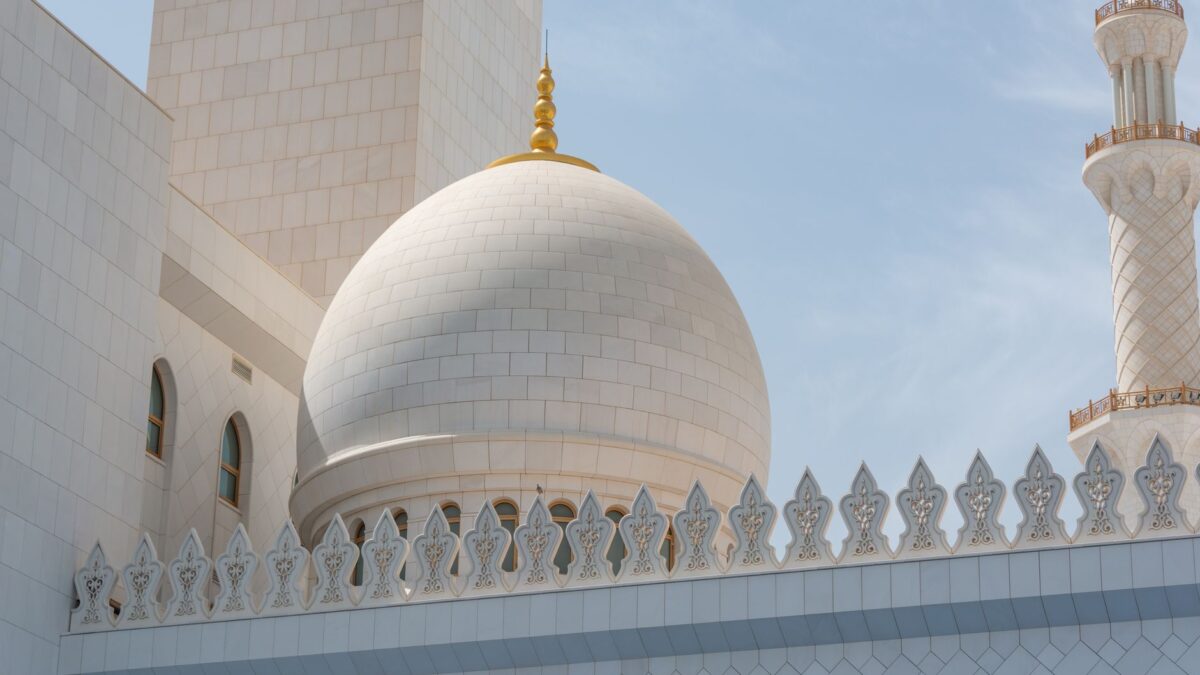
I still remember the first time I stepped out of my car in Abu Dhabi during the height of summer. The heat didn’t just sit on your skin; it pressed against you, a physical weight that turned the air into a shimmering haze. It was around 40°C, but with the humidity and sun angle, it felt closer to 45°C. That moment taught me the most important rule about this place: respect the climate, and the city will reward you with its magic. Abu Dhabi is not just a collection of skyscrapers and desert sands; it is a living, breathing capital that balances ancient Bedouin roots with hyper-modern ambition. If you are planning your first visit, here is how to navigate it like a local.
When to Visit: Timing Is Everything
The weather dictates everything here. As I noted, summer temperatures regularly hit 31–40°C, making outdoor exploration exhausting for anyone not acclimated to the Gulf. The best time to visit is between November and March, when daytime highs are a pleasant 20–25°C. You can walk along the Corniche, explore the Heritage Village, or sit at an outdoor cafe without feeling like you are melting.
If you must travel in the hotter months, plan your days indoors. The cultural districts on Saadiyat Island are fully air-conditioned sanctuaries. However, even then, evenings remain warm. Avoid scheduling heavy sightseeing between 11 AM and 4 PM from May to September. Instead, embrace the night life, which thrives after sunset when the sea breeze finally kicks in.
Getting Around: The Hafilat Card and Your Options
Abu Dhabi is spread out, and while taxis are plentiful, mastering the public bus system is a secret weapon for savvy travelers. The key is the Hafilat smart card. This cashless system runs by Abu Dhabi Mobility is incredibly efficient. An anonymous card costs roughly AED 10 (about $2.7), and you can load it with passes rather than paying per ride if you plan to move frequently.
- City Travel: A single bus fare is a flat AED 2 (about $0.5). For longer stays, a 30-day unlimited pass is only AED 95 (about $26).
- Intercity Travel: Want to hop over to Dubai? The intercity bus from Abu Dhabi to Dubai costs around AED 25 (about $7) one way. It’s reliable, cheap, and takes you right to the heart of the other emirate.
Taxis are also widely available and regulated, but for budget-conscious travelers, the Hafilat network covers most major tourist spots, including Yas Island and Al Reem Island. Download the official transit app to check real-time arrivals, as buses run on strict schedules.
Where to Stay: Districts Defined by Vibe
Your choice of neighborhood sets the tone for your trip. Abu Dhabi is not a monolith; it is a cluster of distinct islands and mainland areas, each with its own personality.
Saadiyat Island: Culture and Calm
If you want to immerse yourself in art, stay here. Saadiyat is the cultural district, home to the iconic Louvre Abu Dhabi, designed by Jean Nouvel with his famous ‘rain of light’ dome. You’ll also find the Zayed National Museum and the stunning Natural History Museum Abu Dhabi, featuring Stan the T-rex. Accommodation here is premium, ranging from luxury resorts to boutique hotels near NYU Abu Dhabi. It is quiet, green, and perfect for museum hoppers.
Yas Island: Entertainment Hub
This is the playground. If your idea of fun involves speed and thrills, Yas Island is your base. It hosts Ferrari World, Warner Bros. World, and Yas Waterworld. Even if you aren’t racing cars, the Yas Marina Circuit (home of the F1 Grand Prix) and the beach clubs are major draws. Hotels here are modern and concentrated, making it easy to zip between attractions.
Al Maryah & Al Reem Islands: Urban Pulse
For those who prefer a metropolitan feel, these two connected islands offer high-rise living, shopping at The Galleria, and dining scenes that rival any global city. Al Maryah is the financial hub, sleek and corporate, while Al Reem offers a more residential, community-focused vibe with parks like Reem Central Park. It’s ideal if you want to be close to business districts or enjoy a lively urban nightlife.
Money Matters: Costs and Currency
The currency is the Emirati Dirham (AED), pegged to the US dollar at roughly 3.672 per US$. Cash is rarely needed; card payments are accepted almost everywhere, from high-end malls to small cafes. However, carrying some dirhams is useful for tips or small vendors.
In terms of costs, Abu Dhabi is mid-to-high range, particularly for accommodation. A modest one-bedroom apartment in the city center rents for about AED 5,000–5,500 monthly, though tourists won’t pay rent. For visitors, a mid-range hotel in the city center runs around AED 580 (approx. $160) per night, while budget options start at AED 250–400 (approx. $90). Dining varies wildly; you can find affordable eats in local shawarma spots or splurge on international cuisine in The Galleria. Note that while I couldn’t verify exact restaurant prices due to low confidence in current data, expect to pay a premium for waterfront dining.
First-Timer Essentials: What Locals Wish You Knew
There are a few nuances that can make or break your experience. First, dress modestly in public spaces, especially near religious sites. The Sheikh Zayed Grand Mosque provides robes for visitors, but respecting local customs shows goodwill. Second, don’t miss the older side of Abu Dhabi. While the new museums are world-class, Qasr Al Hosn, the city’s oldest building from the 1760s, tells the story of the Baniyas tribe and the pearling era that preceded oil wealth.
Also, register your SIM card immediately upon arrival. Tourists can buy prepaid cards from e& (formerly Etisalat) or du at the airport using their passport. For residents, registration is tied to the Emirates ID, but for short-term visitors, the process is seamless. Finally, embrace the ‘slow pace.’ Abu Dhabi is not a rush-city like New York. It is a place for leisure, reflection, and enjoying the vastness of the desert and sea. Take time to visit the Heritage Village on the Corniche, watch the craft demos, and simply breathe in the atmosphere before rushing to your next appointment.
Frequently asked questions
What is the best time of year to visit Abu Dhabi?
The ideal time is between November and March when temperatures are mild (20-25°C). Summer months see extreme heat, often exceeding 40°C, which limits outdoor activities.
How do I get around Abu Dhabi without a car?
Use the Hafilat smart card for the extensive bus network. Single rides cost AED 2, and unlimited monthly passes are available for AED 95. Intercity buses to Dubai cost around AED 25.
Which area should I stay in for culture and museums?
Saadiyat Island is the cultural district, home to the Louvre Abu Dhabi, Zayed National Museum, and Natural History Museum. It offers premium beachfront accommodations and a quieter atmosphere.
Is Abu Dhabi expensive for tourists?
It is mid-to-high cost. Hotel rooms typically range from AED 250 for budget stays to AED 580+ for mid-range city-center hotels. Public transport is very affordable compared to many global cities.
Do I need a visa to enter Abu Dhabi?
Visitors from many countries, including the UK, EU, and US, receive a visa on arrival. Ensure your passport is valid for at least six months before traveling.


