
A week in Oslo on a mid-range budget
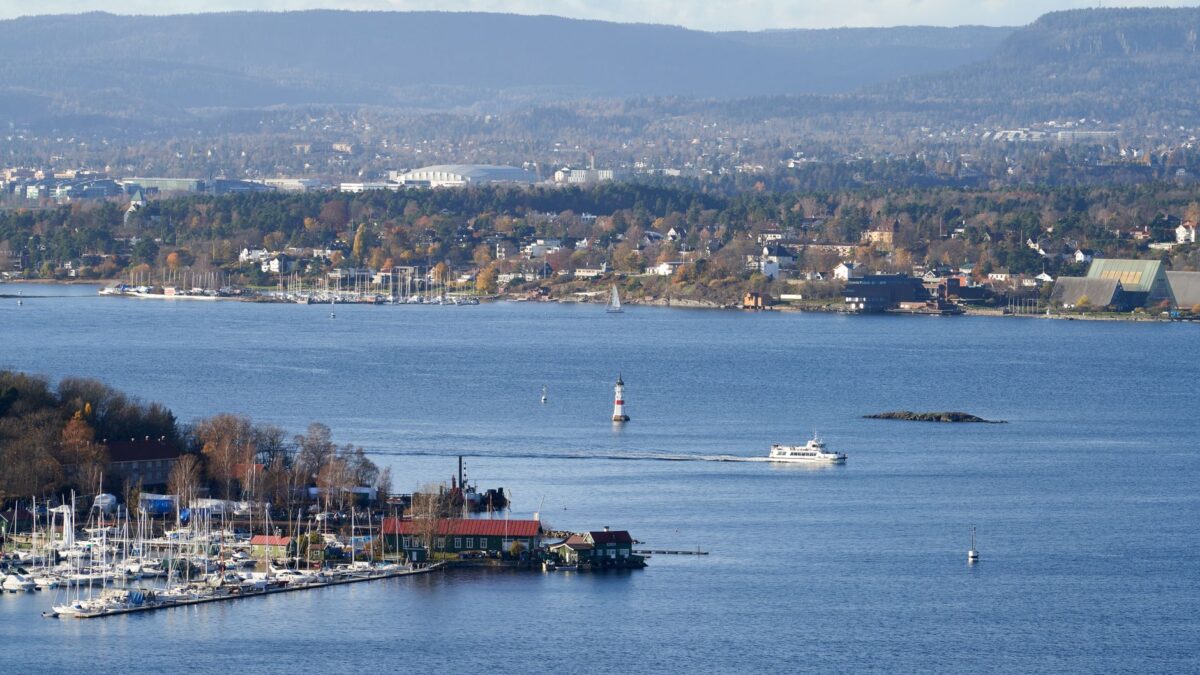
Oslo in September is a city holding its breath. The light has that heavy, golden slant that makes the fjord look like polished steel, but the mood is thick with national mourning as we approach the funeral of King Harald V. It’s a hinge-point week between summer’s warmth and autumn’s crisp bite, with temperatures hovering around 12–16°C and a persistent, gentle drizzle coating the streets. If you are here this week, you aren’t just visiting a capital; you are walking through a place where high culture meets deep sorrow, and where your wallet will feel every bit as significant as the weather.
I’ve lived in this city long enough to know that Oslo can be intimidatingly expensive, but it doesn’t have to be bankrupting. With a mid-range budget—roughly $100–$150 USD per day excluding accommodation—you can experience the soul of Norway without paying premium prices for everything. Here is how I would spend seven days in the capital right now, anchored to real costs and local rhythms.
Getting Around: The Transit Subsidy
Before you plan your days, you need to understand the transport system. Ruter runs everything in Oslo, and thanks to a temporary state subsidy enacted in May 2026, public transit is currently more affordable than it has been in years. A single ticket in Zone 1 (the entire city centre) is about 46 NOK ($4). However, if you are staying for a week, the math changes dramatically. The 30-day monthly pass (månedskort) has been slashed from 805 NOK down to roughly 655 NOK ($60).
This is a rare win for visitors. Instead of buying individual tickets or a 7-day pass (which runs about 379 NOK), grab that monthly pass at any Narvesen kiosk or via the app. It covers all buses, trams, and trains within the city limits. Just remember: fare evasion fines are steep, running between 1,250 and 1,530 NOK. Always validate your ticket. For the first few days, stick to Zone 1. You won’t need to venture further unless you’re heading into the Nordmarka forests, which require a separate ticket.
The Week That Was: A Day-by-Day Budget Breakdown
My itinerary assumes you are staying in a mid-range hotel like Home Hotel Gabelshus or Bob W Oslo Sentralen, where you might pay around 1,200–1,500 NOK per night. That leaves you with roughly 1,000–1,300 NOK daily for food, activities, and transit. Here is what that looks like in practice during this specific week in September.
Day 1: Bjørvika and the Waterfront
We start in Bjørvika, the reborn waterfront district. Walk up the sloping roof of the Oslo Opera House. It’s free, and on a drizzly day, the marble feels incredibly alive. From there, walk along the boardwalk to Aker Brygge. Grab lunch at Oslo Street Food (formerly Vippa); a burger or kebab combo runs about 150–190 NOK ($16). It’s hearty, cheap, and perfect for soaking up the atmosphere. In the evening, dinner at a mid-range spot like Seaport Restaurant will cost around 250–350 NOK ($28) for a main course. Total day cost: ~600 NOK.
Day 2: Art and Architecture
Head back toward the water to see MUNCH, the stunning 13-storey museum housing Edvard Munch’s works, including multiple versions of The Scream. Tickets are around 180 NOK. Afterward, stroll across the bridge to the National Museum (Nasjonalmuseet), opened in 2022, which also holds iconic pieces. Lunch at a café near the museum, perhaps Kuro Oslo, will set you back about 150–200 NOK ($16) for a meal. Evening coffee at Tim Wendelboe in Grünerløkka costs about 55 NOK for a cappuccino. Total day cost: ~550 NOK.
Day 3: The West Side and Vigeland
Take the tram to Frogner, one of the city’s grandest districts. Walk through Frognerparken to see the Vigeland Sculpture Park. This is free and open year-round. The 200+ bronze and granite sculptures, including the famous Sinnataggen (‘Angry Boy’), are mesmerizing even in the rain. Have a simple lunch of bread and cheese from a grocery store (milk is about 24 NOK, loaf is 39 NOK) or a quick bite at a nearby bistro. In the evening, explore the upscale Bogstadveien shopping area before returning to the centre. Total day cost: ~300 NOK (if self-catering) or ~600 NOK (if dining out).
3
Day 4: Culture Shock and Music
This week, Oslo is buzzing with arts. Check out the Ultima Oslo Contemporary Music Festival or the Oslo Fringe theatre festival. Many events are low-cost or free. Visit the Astrup Fearnley Museum in Tjuvholmen for contemporary art; entry is often free for temporary exhibitions. Dinner at Helt Vilt in Gamlebyen offers excellent Nordic cuisine for around 300 NOK. Enjoy a draft beer (110–120 NOK) at a local pub like Fuglen. Total day cost: ~500 NOK.
Day 5: History and Fortresses
Walk through Gamle Oslo (Old Town), the historic core. Visit Akershus Fortress; the grounds are free, and the Resistance Museum inside is affordable. Lunch at Elias mat & sånt provides quality food for about 200 NOK. Spend the afternoon exploring the narrow streets and medieval ruins. Total day cost: ~400 NOK.
Day 6: Nature and Markets
Take the T-bane to Grünerløkka, Oslo’s bohemian heart. Browse the vintage shops and street art. If it’s Sunday, visit the flea market at Birkelunden. Lunch at Den Glade Gris is a local favourite, costing around 250 NOK. Take a ferry ride on the inner-fjord islands (like Hovedøya) using your regular Ruter ticket for a swim or hike. Evening drink at a craft beer bar in Grünerløkka. Total day cost: ~450 NOK.
Day 7: Farewell Fjord
Start with a coffee at Supreme Roastworks AS (about 55 NOK). Walk along the fjord promenade. Have a final lunch at Oslo Street Food (190 NOK). Buy some souvenirs or last-minute gifts at a local store. Dinner at a slightly nicer restaurant, maybe Hotel Filip’s dining room, for a memorable 350 NOK meal. Total day cost: ~600 NOK.
Where to Stay and Eat Without Breaking the Bank
Accommodation is your biggest fixed cost. Mid-range hotels in central locations like Home Hotel Bastion or K7 Hotel Oslo typically run 1,200–1,500 NOK per night. Hostels or guesthouses can be cheaper, around 800–1,000 NOK. If you’re renting an apartment (though less common for short trips), expect modest one-bedroom flats in Oslo/Bærum to cost 15,000–16,700 NOK monthly, highlighting why daily rates are high.
For food, avoid the tourist traps near the Opera House. Head to Grünerløkka or Grønland for better value. Grønland, in particular, offers incredible multicultural eats at lower prices. Pakistani and Middle Eastern groceries provide affordable, delicious options. A simple meal at an inexpensive lunch spot averages 150–200 NOK. Dining at a mid-range sit-down restaurant usually costs 250–350 NOK per main course. Remember, alcohol is expensive: a 0.5L draft beer at a pub is 110–120 NOK ($11). Plan your evenings accordingly.
Practical Tips for Your Week in Oslo
Weather Prep: With temperatures around 12–16°C and frequent drizzle, pack waterproof layers. Umbrellas are useful, but a good rain jacket is essential. The light fades fast in September, so plan outdoor activities for the morning.
Currency and Payments: Norway uses Norwegian kroner (NOK). Credit cards are accepted almost everywhere. Use Vipps for peer-to-peer payments if you’re with locals, but tourists don’t need it. ATMs are widely available, but check fees.
Safety: Oslo is genuinely safe. Petty theft can occur around Oslo S/Jernbanetorget, so stay vigilant. Late nights in Grønland are generally fine, but keep an eye on your belongings.
Museums: Many museums offer free entry on certain days or times. Check websites like Ultima.no or festivalfinder.eu for event-specific discounts. The Oslo Pass can be worth it if you plan to visit many paid attractions, but for a relaxed week, paying as you go is often cheaper.
Oslo in September is not just about sights; it’s about feeling the pulse of a city in transition. The mix of mourning, music, and mild weather creates a unique atmosphere. By managing your transit wisely and choosing your dining spots carefully, you can experience this beautiful capital without financial stress. Enjoy the fjord, the art, and the quiet moments between the rain showers.
Frequently asked questions
How much does public transportation cost in Oslo?
A single Ruter ticket in Zone 1 is about 46 NOK ($4). However, due to a temporary subsidy, the 30-day monthly pass is reduced to approximately 655 NOK ($60), making it the most cost-effective option for visitors staying a week.
What is a realistic daily food budget in Oslo?
Expect to pay around 150–200 NOK ($16–$18) for a meal at an inexpensive lunch spot or café. A main course at a mid-range restaurant costs 250–350 NOK ($28–$32). Street food or food hall options like those at Oslo Street Food range from 150–190 NOK ($16).
Are there any major events happening in Oslo in September 2026?
Yes, key events include the King Harald V's funeral preparations (early Sept), the Ultima Contemporary Music Festival (Sept 10-19), Oslo Fringe Theatre Festival (Sept 9-13), and by:Larm music conference (Sept 10-12).
Is it safe to walk around Oslo at night?
Oslo is generally very safe. Main precautions involve petty theft around major hubs like Jernbanetorget and being aware of your surroundings in nightlife areas like Grønland late at night.
Which museums are closed for renovation in 2026?
The old Viking Ship Museum at Bygdøy is closed as the ships were moved to the new Museum of the Viking Age (opening 2027). The Oslo Jewish Museum is also closed for renovation until autumn 2028.
Things to do in Norway
 Northern Lights Adventure
 Likely to sell out
Northern Lights Expedition Tromsø - 6 people - Arctic Photo Guide
Likely to sell out
Northern Lights Expedition Tromsø - 6 people - Arctic Photo Guide
 Northern Lights Private tour with your special ones - Greenlander
 Special offer
Oslo's Scenic Fjord Hike & Chef's Norwegian Forest Waffle
Special offer
Oslo's Scenic Fjord Hike & Chef's Norwegian Forest Waffle
 Via Ferrata Åndalsnes West Wall
 Sleigh Ride w/ snacks - Experience Arctic Farm Life