
Norway Travel Podcast with Ingrid Solberg
Hosted by Ingrid Solberg — a new episode every day from Norway.
Travelling in Norway is unlike travelling anywhere else in Northern Europe. The show follows one route through a country of glaciated high plateaus, deep fjords and arctic tundra, where the west coast stays rainy while the interior grows colder. Each episode treats movement as a way of understanding how the terrain shapes Norwegian life.
The host moves from the Skagerrak coast in the south-east to Bergen on the west coast, then on to the Jotunheimen mountains and the arctic plateau of Finnmarksvidda. The listener hears how these places connect: coastal weather systems, mountain routes, and the sparsely populated interior of the north.
Each series of episodes follows one place over time, from the long darkness of winter to the midnight sun of summer. The host settles, learns the routines of a village or city, then moves somewhere connected to it. By returning to the same viewpoints and paths as the seasons change, the podcast builds a slow, layered portrait of Norway that no short visit could offer.
Recent episodes
Things to do in Norway
 Northern Lights Adventure
 Northern Lights Expedition Tromsø - 6 people - Arctic Photo Guide
 Northern Lights Private tour with your special ones - Greenlander
 Special offer
Oslo's Scenic Fjord Hike & Chef's Norwegian Forest Waffle
Special offer
Oslo's Scenic Fjord Hike & Chef's Norwegian Forest Waffle
 Via Ferrata Åndalsnes West Wall
 Sleigh Ride w/ snacks - Experience Arctic Farm Life
 Special offer
Small Group Northern Lights Chase with Campfire Meal and Photos
Special offer
Small Group Northern Lights Chase with Campfire Meal and Photos
 Private yacht Fjord and waterfalls cruise to Modal / Mostraumen
Plan your trip to Norway
Getting around
Staying connected
Norway at a glance
Norway in depth
Reference data on the country — geography, people, history, economy and transport.
Geography and climate
Location
Northern Europe, bordering the North Sea and the North Atlantic Ocean, west of Sweden
Terrain
Glaciated; mostly high plateaus and rugged mountains broken by fertile valleys; small, scattered plains; coastline deeply indented by fjords; arctic tundra in north
Climate
Temperate along coast, modified by North Atlantic Current; colder interior with increased precipitation and colder summers; rainy year-round on west coast
Elevation
- Highest point
- Galdhopiggen 2,469 m
- Lowest point
- Norwegian Sea 0 m
- Mean elevation
- 460 m
Area
- Total
- 323,802 sq km
- Land
- 304,282 sq km
- Water
- 19,520 sq km
Size comparison
Slightly larger than twice the size of Georgia; slightly larger than New Mexico
Coastline
25,148 km
Land borders
- Total
- 2,566 km
- Border countries
- Finland 709 km; Sweden 1,666 km; Russia 191 km
Natural resources
Petroleum, natural gas, iron ore, copper, lead, zinc, titanium, pyrites, nickel, fish, timber, hydropower
Land use
- Agricultural land
- 2.7% (2023 est.)
- Arable land
- 2.2% (2023 est.)
- Permanent crops
- 0% (2023 est.)
- Permanent pasture
- 0.5% (2023 est.)
- Forest
- 33.3% (2023 est.)
- Other
- 64% (2023 est.)
Natural hazards
Rockslides, avalanches
Volcanism: Beerenberg (2,227 m) on Jan Mayen Island in the Norwegian Sea is the country's only active volcano
Note
About two-thirds mountains; some 50,000 islands off its much-indented coastline; strategic location adjacent to sea lanes and air routes in North Atlantic; one of the most rugged and longest coastlines in the world
People and society
Population
- Total
- 5,509,733 (2024 est.)
- Male
- 2,780,972
- Female
- 2,728,761
Nationality
- Noun
- Norwegian(s)
- Adjective
- Norwegian
Ethnic groups
Norwegian 81.5% (includes about 60,000 Sami), other European 8.9%, other 9.6% (2021 est.)
Languages
- Languages
- Bokmal Norwegian (official), Nynorsk Norwegian (official), small Sami- and Finnish-speaking minorities
- Major-language sample(s)
- Verdens Faktabok, den essensielle kilden for grunnleggende informasjon. (Norwegian)
Religions
Church of Norway (Evangelical Lutheran - official) 67.5%, Muslim 3.1%, Roman Catholic 3.1%, other Christian 3.8%, other 2.6%, unspecified 19.9% (2021 est.)
Median age
- Total
- 41 years (2025 est.)
- Male
- 40.1 years
- Female
- 41.5 years
Life expectancy
- Total population
- 82.9 years (2024 est.)
- Male
- 81.3 years
- Female
- 84.6 years
Urbanisation
- Urban population
- 84% of total population (2023)
- Rate of urbanization
- 1.32% annual rate of change (2020-25 est.)
Where people live
Most people live in the south; population clusters are found along the North Sea coast in the southwest and Skaggerak in the southeast; the interior areas of the north remain sparsely populated
Largest cities
1.086 million OSLO (capital) (2023)
Background and government
Background
Two centuries of Viking raids into Europe tapered off after King Olav TRYGGVASON adopted Christianity in 994; conversion of the Norwegian kingdom occurred over the next several decades. In 1397, Norway was absorbed into a union with Denmark that lasted more than four centuries. In 1814, Norwegians resisted the cession of their country to Sweden and adopted a new constitution. Sweden then invaded Norway but agreed to let Norway keep its constitution in return for accepting the union under a Swedish king. Rising nationalism throughout the 19th century led to a 1905 referendum granting Norway independence. Norway remained neutral in World War I and proclaimed its neutrality at the outset of World War II, but Nazi Germany nonetheless occupied the country for five years (1940-45). In 1949, Norway abandoned neutrality and became a member of NATO. Discovery of oil and gas in adjacent waters in the late 1960s boosted Norway's economic fortunes. In referenda held in 1972 and 1994, Norway rejected joining the EU. Key domestic issues include immigration and integration of ethnic minorities, maintaining the country's extensive social safety net with an aging population, and preserving economic competitiveness.
Government
Parliamentary constitutional monarchy
Capital
Oslo
Time zone
UTC+1 (6 hours ahead of Washington, DC, during Standard Time)
Local name
Kongeriket Norge
Independence
7 June 1905 (union with Sweden declared dissolved); 26 October 1905 (Sweden agreed to the repeal of the union); notable earlier dates: ca. 872 (traditional unification of Norwegian kingdoms by HARALD Fairhair); 1397 (Kalmar Union of Denmark, Norway, and Sweden); 1524 (Denmark-Norway); 17 May 1814 (Norwegian constitution adopted); 4 November 1814 (Sweden-Norway union confirmed)
National day
Constitution Day, 17 May (1814)
Economy and cost of living
Overview
High-income, non-EU economy with trade links via European Economic Area (EEA); key role in European energy security as leader in oil, gas, and electricity exports; major fishing, forestry, and oil(?) extraction industries; oil sovereign fund supports generous welfare system; low unemployment; inflation moderating but remains above target level
GDP per capita
- Real GDP per capita 2024
- $91,100 (2024 est.)
- Real GDP per capita 2023
- $90,100 (2023 est.)
- Real GDP per capita 2022
- $91,100 (2022 est.)
Inflation
- Inflation rate (consumer prices) 2024
- 3.1% (2024 est.)
- Inflation rate (consumer prices) 2023
- 5.5% (2023 est.)
- Inflation rate (consumer prices) 2022
- 5.8% (2022 est.)
Unemployment
- Unemployment rate 2024
- 4% (2024 est.)
- Unemployment rate 2023
- 3.6% (2023 est.)
- Unemployment rate 2022
- 3.3% (2022 est.)
Exchange rate
- Currency
- Norwegian kroner (NOK) per US dollar -
- Exchange rates 2024
- 10.746 (2024 est.)
- Exchange rates 2023
- 10.563 (2023 est.)
- Exchange rates 2022
- 9.614 (2022 est.)
- Exchange rates 2021
- 8.59 (2021 est.)
- Exchange rates 2020
- 9.416 (2020 est.)
Main industries
Petroleum and gas, shipping, fishing, aquaculture, food processing, shipbuilding, pulp and paper products, metals, chemicals, timber, mining, textiles
Agriculture
Milk, barley, potatoes, oats, wheat, pork, chicken, beef, eggs, carrots/turnips (2023)
Transport and connectivity
Airports
146 (2025)
Railways
Total 3,848 km (2020) 2,482 km electrified
Ports
- Total ports
- 141 (2024)
- Large
- 1
- Medium
- 10
- Small
- 34
- Very small
- 90
- Size unknown
- 6
- Ports with oil terminals
- 54
- Key ports
- Bergen, Drammen, Hammerfest, Harstad, Horten, Karsto, Mongstad, Oslo, Stavanger, Tromso, Trondheim
Internet domain
.no
Internet users
Percent of population 99% (2023 est.)
Mobile subscriptions
- Total subscriptions
- 6.09 million (2022 est.)
- Subscriptions per 100 inhabitants
- 111 (2022 est.)
Environment
Environmental issues
Water pollution; acid rain damaging forests and affecting lakes and fish stocks; air pollution from vehicle emissions
Fresh water
393 billion cubic meters (2022 est.)
UNESCO Global Geoparks
- Total global geoparks and regional networks
- 5 (2025)
- Global geoparks and regional networks
- Gea Norvegica; Fjord Coast; Magma; Sunnhordland; Trollfjell (2025)
Country reference figures are periodically revised. Check anything time-sensitive or safety-critical against an official source before you travel.
Norway travel guides
 Travel Tips
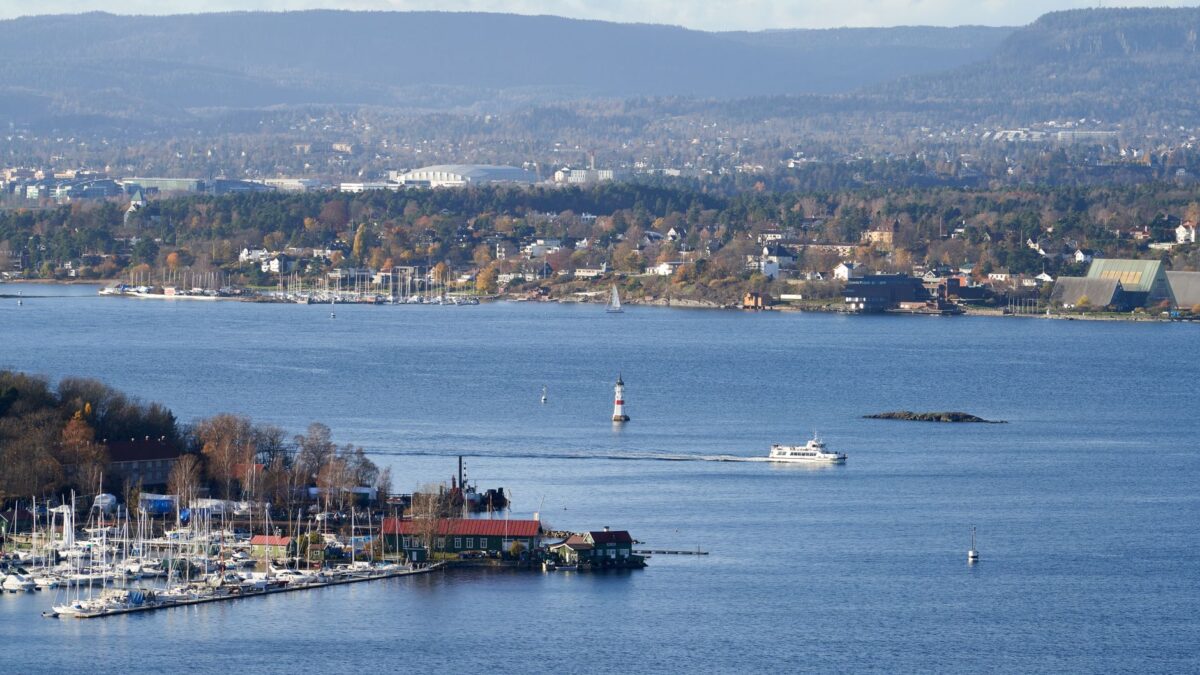
The best time to visit Norway
Discover the best time to visit Norway. From summer fjords to winter lights, Ingrid Solberg breaks down seasons, costs, and festivals for your perfect…
 Costs & Money
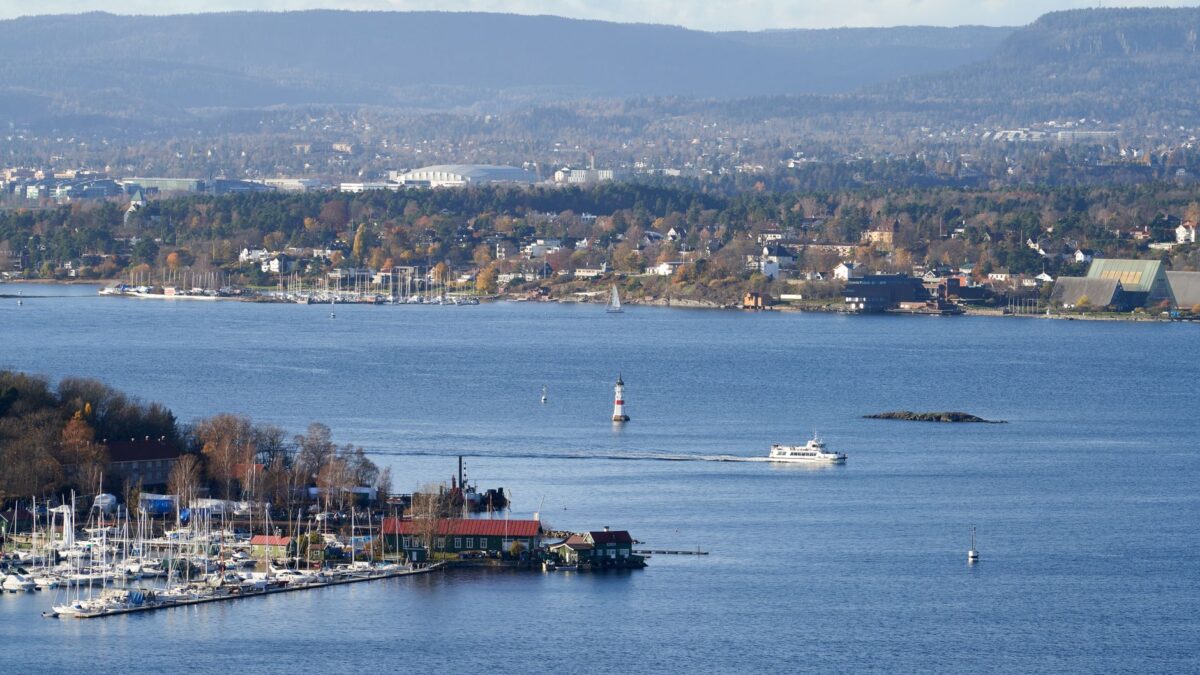
A week in Oslo on a mid-range budget
Plan a week in Oslo on a mid-range budget with real prices for transit, meals, and hotels. Discover local tips for September travel in…
 Food & Drink
What to eat in Norway — and what it costs
Discover what to eat in Norway and realistic costs. From street food in Grønland to fine dining in Oslo, get honest price guides and…
 News & Updates
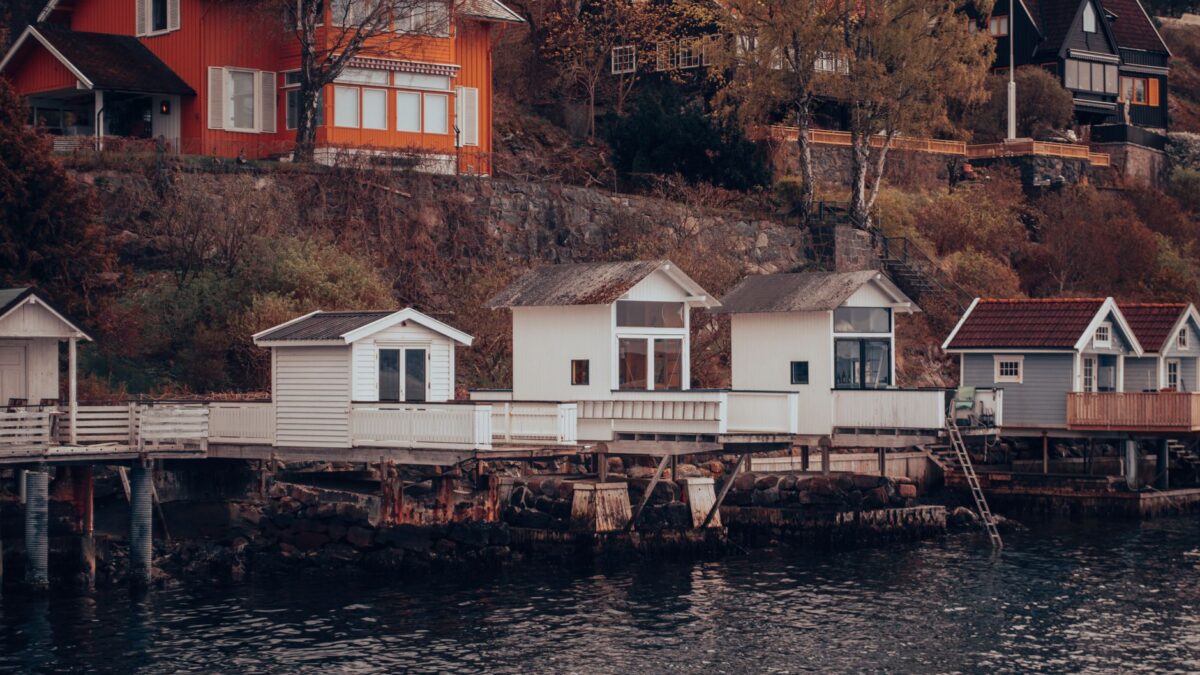
Norway in September 2026: what travelers should know now
Norway travel update for September 2026: King Harald V's funeral impacts, festival lineup, weather, and transit tips.
Northern Europe
 United Kingdom
United Kingdom Travel Podcast with Oliver Hughes
The Scottish lowlands between Edinburgh and Glasgow sit under overcast skies brought by the North Atlantic Current and prevailing southwest winds.
 Ireland
Ireland Travel Podcast with Saoirse Byrne
The western seaboard's sea cliffs face the North Atlantic, while over 40% of the population lives within 100 km of Dublin.
 Denmark
Denmark Travel Podcast with Freja Andersen
The Danish Archipelago's low, gently rolling terrain means no point in the country lies far from the coast, and its more than…
 Sweden
Sweden Travel Podcast with Anton Lindqvist
The Baltic coast holds most of Sweden's population clusters, while the interior north remains sparsely populated and subarctic, and the Danish Straits…