

Moving to Colombia: visas, banking and SIM cards
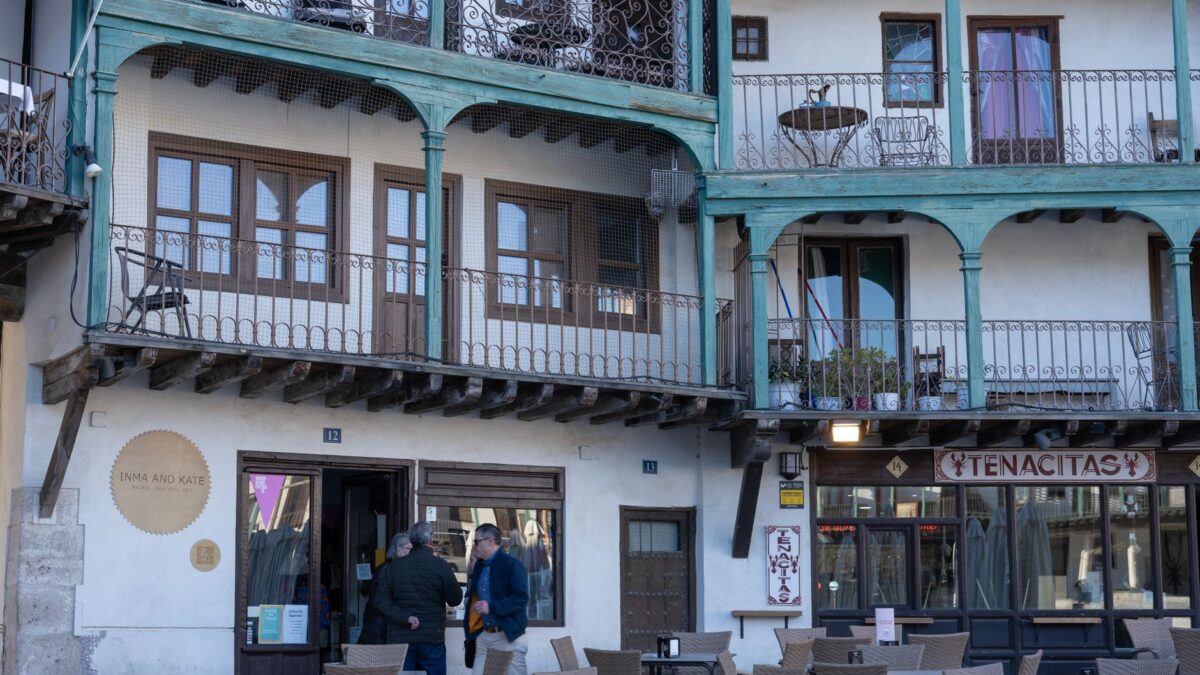
The air in Bogotá hits you first—a crisp, high-altitude chill that settles into your bones the moment you step off the plane at El Dorado. It is September, and the city is buzzing with the energy of early festival season. If you are arriving now, you might catch the tail end of the Más Cultura Local Fest spilling into La Candelaria or the opening notes of the International Sacred Music Festival at Teatro Colón. But while you are soaking in the colonial charm of Plaza de Bolívar or planning a weekend trip to the Catedral de Sal de Zipaquirá, there is a practical maze waiting for you: visas, banking, and SIM cards. Let’s cut through the bureaucracy so you can focus on finding the best ajiaco in town.
Navigating Entry and Residence Basics
For citizens of the US, Canada, UK, EU, Australia, and many others, entry is straightforward. You get a visa-free stamp for 90 days upon arrival. However, before you even board your flight, you must fill out the free Check-Mig form online. It is a simple digital questionnaire that speeds up immigration processing at Bogota’s terminal.
If you plan to stay longer than three months, the rules tighten. You cannot simply extend your tourist visa indefinitely; the system allows one online extension via Migración Colombia to reach 180 days per calendar year. For long-term living, you need to look at the V (Visitor, including digital nomads), M (Migrant), or R (Resident) visas under Resolución 5477/2022. These require documentation submitted well in advance, often from abroad.
Once you have secured your visa and settled into your apartment, two administrative steps become non-negotiable. First, you must register with Migración Colombia to obtain your cédula de extranjería, your foreigner ID card. This piece of plastic becomes your lifeline—it is required for formal leases, signing contracts, and proving your legal status. Second, you need to visit the DIAN (Colombia’s tax authority) to get your RUT (unique tax registration number). Without these two documents, you will find yourself knocking on closed doors. Most landlords will not sign a formal lease without seeing your cédula and proof of income, which is why newcomers typically start in furnished short-term rentals (apartamentos amoblados). A modest one-bedroom flat in a mid-market barrio like Chapinero or Teusaquillo runs about 1,570,000 COP monthly—roughly $390—but this is already a significant chunk of the minimum wage, so budget accordingly.
Banking and Digital Payments
Colombia is rapidly moving toward a cashless society, but it is not entirely there yet. While you can still pay with pesos everywhere, the real convenience lies in mobile wallets. Nequi (linked to Bancolombia) and DaviPlata (linked to Davivienda) dominate everyday peer-to-peer payments. You can split dinner bills, pay for street food, or transfer money to friends instantly using just a phone number. As a newcomer, you do not need a traditional bank account immediately. Open a Nequi or DaviPlata account with your passport; it is free, fast, and sufficient for daily survival.
When you are ready to open a formal resident account, the big players are Bancolombia, Davivienda, BBVA, and Banco de Bogotá. You will need your passport, your cédula de extranjería, and your RUT. Be prepared for paperwork; Colombian banks are notoriously thorough. Until then, rely on your digital wallets and carry a debit card from your home country for emergencies, though foreign transaction fees can add up quickly.
Understanding the local economy helps with budgeting. With inflation around 5.1% and a GDP per capita of roughly $8,562, Bogotá is pricier than the rest of Colombia but still affordable by North American standards. The exchange rate hovers around 4,074 COP to one US dollar. A lunch special (menú del día) at an inexpensive local spot costs between 12,000 and 15,000 COP—about $3—and includes soup, a main course, and a drink. A meal at a mid-range restaurant might set you back 40,000 to 80,000 COP ($10–$20). Even a cup of coffee, whether a quick tinto from the street or a cappuccino in a café like Azahar Coffee Parque 93, costs only about 5,000–6,000 COP. These small figures illustrate how far your dollars go when you eat and live locally.
Getting Connected: SIM Cards and Transit
Your first purchase after landing should be a local SIM card. Colombia has three major networks: Claro, Movistar, and Tigo. Claro generally offers the best coverage, especially if you plan to travel outside the city center. You can buy a prepaid chip at El Dorado airport or at kiosks in any major mall. Bring your passport; by law, they must register it to your name. Top-ups are easy via carrier apps, and data plans are incredibly cheap—you can get several gigabytes for just a few dollars.
Transportation is another area where connectivity matters. Bogotá’s public transit system is vast and integrated. You will need a TuLlave contactless card, which costs 8,000 COP and is sold at TransMilenio stations and the airport. The standard fare is approximately 2,950 to 3,200 COP per ride. If you personalize your TuLlave card, you unlock free transfers within a two-hour window, which is essential for navigating the city efficiently. For frequent riders, the TransMiPass monthly card offers 65 trips for 160,000 COP, though this is likely overkill for your first week.
The network covers TransMilenio bus rapid transit, blue SITP buses, the TransMiCable cable cars in Ciudad Bolívar, and even the TransMiBici bike-share. Always check your balance in the TransMiApp before heading out. Note that infrastructure changes are ongoing; for instance, permanent closures like Calle 76 station mean commuters are adjusting to new routes like Calle 72–Areandina. Stay alert to these shifts, as they affect commute times significantly.
Safety and Neighborhood Selection
Where you stay dictates your daily safety experience. Bogotá is generally safe, but opportunistic theft and phone snatching are real risks, particularly on crowded TransMilenio cars or when phones are held loosely in hand. Locals rarely flag street taxis at night; instead, they use ride-hailing apps like Uber, Cabify, DiDi, or inDriver. This is the safest approach for visitors.
Choose your neighborhood wisely. La Candelaria, the historic colonial center near Plaza de Bolívar, is stunning by day but thin on amenities and best avoided late at night. Usaquén, in the far north, offers a quiet, family-friendly atmosphere with cobblestone streets and a famous Sunday flea market. Chicó provides old-money calm near Parque de la 93, ideal for those seeking upscale dining and green spaces. Chapinero, specifically the stretch between Calles 39 and 72, is the expat and digital-nomad hub, offering excellent transit links, coworking spaces, and vibrant nightlife. Teusaquillo is an underrated, affordable option between Calle 26 and 45, featuring tree-lined streets and proximity to the National University.
Avoid areas south of Calle 26 unless you are familiar with the terrain, and always stay alert in busy commercial zones. The northern barrios are your everyday-safe zones. When in doubt, walk confidently, keep your phone tucked away, and trust your instincts.
Settling In: Culture and Community
Once your admin tasks are done, immerse yourself in the culture. Bogotá is the country’s cultural capital, home to world-class museums like the Museo del Oro, which holds the largest collection of pre-Hispanic goldwork, and the Museo Botero, which is always free. On Sundays, join the thousands of locals on the Ciclovía, which closes roughly 120 km of avenues to cars for cyclists and runners. It is a beautiful way to see the city from a different perspective.
Food is central to life here. Try the signature ajiaco, a hearty chicken and three-potato soup seasoned with guasca herb, at a traditional place like La Puerta Falsa or Restaurante el universo del principito. Visit Mercado de Paloquemao to see the real daily-life Bogotá, filled with stalls of lulo, granadilla, and fresh flowers. Whether you are hiking Cerro de Guadalupe for sunset views or enjoying a beer at a bar in Chapinero Alto, take time to connect with the rhythm of the city. The people are warm, the history is deep, and once you navigate the initial setup, Colombia rewards you with an unforgettable lifestyle.
Frequently asked questions
How long can I stay in Colombia as a tourist?
Visitors from the US, UK, EU, Canada, and Australia receive a 90-day visa-free entry. You can extend this once online for another 90 days, totaling 180 days per calendar year.
Do I need a Colombian bank account to live there?
Not immediately. Most newcomers use mobile wallets like Nequi or DaviPlata for daily transactions. A formal bank account requires your cédula de extranjería and RUT tax number.
What is the best way to pay for public transport in Bogotá?
Use the TuLlave contactless card. It costs 8,000 COP to issue and allows fare payment of roughly 3,000 COP. Personalizing the card grants free transfers within two hours.
Which neighborhoods are safest for expats?
Northern districts like Usaquén, Chicó, and Chapinero are considered the safest and most expat-friendly. Avoid La Candelaria at night and exercise caution south of Calle 26.
How much does a typical lunch cost in Bogotá?
A menú del día (lunch special) at an inexpensive local restaurant costs between 12,000 and 15,000 COP (approx. $3 USD), usually including soup, a main dish, and a drink.


