


Colombia Travel Podcast with Mariana Ospina
Hosted by Mariana Ospina — a new episode every day from Colombia.
Mariana Ospina settles in one part of Colombia, learns it properly, then moves somewhere connected to it. She travels the way a resident would. Colombia is the only South American country with coastlines on both the North Pacific Ocean and the Caribbean Sea, and between those coasts lie flat lowlands, high Andes and the open Llanos.
The show’s range covers Bogotá’s high Andean setting, Cali’s position in the country’s interior, the Caribbean port of Cartagena, and the sparsely populated Llanos grasslands to the south and east. Those last open plains are where the country’s population thins out, unlike the agricultural north and west.
The show unfolds over time. Mariana returns to places in different seasons, watches how the high Andes, the Caribbean coast and the Llanos change with rain and sun, and lets knowledge accumulate the way it does when you stay somewhere. That is how a stranger becomes a resident.
Recent episodes
Things to do in Colombia
 Likely to sell out
Comuna 4 Walking Tour Medellin
Likely to sell out
Comuna 4 Walking Tour Medellin
 Private Tour Comuna 13 with Cable Car Ride
 The Howling Trail Hike
 Private Guatape & Paragliding Tour: Epic Views & Thrills
 City Tour Medellin
 Bogota Private Custom Tour: Rent a Local Friend (4, 6 or 8 hrs)
 100-Year-Old family-run Finca: Horseback Riding & More
 Cartagena Jet Ski Adventure with Optional Drone Video
Plan your trip to Colombia
Getting around
Staying connected
Colombia at a glance
Colombia in depth
Reference data on the country — geography, people, history, economy and transport.
Geography and climate
Location
Northern South America, bordering the Caribbean Sea, between Panama and Venezuela, and bordering the North Pacific Ocean, between Ecuador and Panama
Terrain
Flat coastal lowlands, central highlands, high Andes Mountains, eastern lowland plains (Llanos)
Climate
Tropical along coast and eastern plains; cooler in highlands
Elevation
- Highest point
- Pico Cristobal Colon 5,730 m
- Lowest point
- Pacific Ocean 0 m
- Mean elevation
- 593 m
Area
- Total
- 1,138,910 sq km
- Land
- 1,038,700 sq km
- Water
- 100,210 sq km
Size comparison
Slightly less than twice the size of Texas
Coastline
3,208 km (Caribbean Sea 1,760 km, North Pacific Ocean 1,448 km)
Land borders
- Total
- 6,672 km
- Border countries
- Brazil 1,790 km; Ecuador 708 km; Panama 339 km; Peru 1,494 km; Venezuela 2,341 km
Natural resources
Petroleum, natural gas, coal, iron ore, nickel, gold, copper, emeralds, hydropower
Land use
- Agricultural land
- 36.5% (2023 est.)
- Arable land
- 2.3% (2023 est.)
- Permanent crops
- 2.2% (2023 est.)
- Permanent pasture
- 32% (2023 est.)
- Forest
- 53.8% (2023 est.)
- Other
- 9.7% (2023 est.)
Natural hazards
Highlands subject to volcanic eruptions; occasional earthquakes; periodic droughts
Volcanism: Galeras (4,276 m) is one of Colombia's most active volcanoes; it has been deemed a Decade Volcano by the International Association of Volcanology and Chemistry of the Earth's Interior, worthy of study due to its explosive history and close proximity to human populations; Nevado del Ruiz (5,321 m), 129 km (80 mi) west of Bogota, erupted in 1985, producing lahars (mudflows) that killed 23,000 people; the volcano last erupted in 1991; after 500 years of dormancy, Nevado del Huila reawakened in 2007 and has experienced frequent eruptions since then; other historically active volcanoes include Cumbal, Dona Juana, Nevado del Tolima, and Purace
Note
Only South American country with coastlines on both the North Pacific Ocean and Caribbean Sea
People and society
Population
- Total
- 49,842,298 (2025 est.)
- Male
- 24,320,959
- Female
- 25,521,339
Nationality
- Noun
- Colombian(s)
- Adjective
- Colombian
Ethnic groups
Mestizo and White 87.6%, Afro-Colombian (includes Mulatto, Raizal, and Palenquero) 6.8%, Indigenous 4.3%, unspecified 1.4% (2018 est.)
Languages
- Languages
- Spanish (official) 98.9%, indigenous 1%, Portuguese 0.1%; 65 indigenous languages exist (2023 est.)
- Major-language sample(s)
- La Libreta Informativa del Mundo, la fuente indispensable de información básica. (Spanish)
Religions
Roman Catholic 63.6%, Protestant 17.2% (Evangelical 16.7%, Adventist 0.3%, other Protestant 0.2%), Jehovah's Witness 0.6%, Church of Jesus Christ 0.1%, other 0.3%, believer, 0.2%. agnostic 1%, atheist 1%, none 14.2%, unspecified 1.8% (2023 est.)
Median age
- Total
- 33.1 years (2025 est.)
- Male
- 31.5 years
- Female
- 34 years
Life expectancy
- Total population
- 74.9 years (2024 est.)
- Male
- 71.3 years
- Female
- 78.7 years
Urbanisation
- Urban population
- 82.4% of total population (2023)
- Rate of urbanization
- 1.01% annual rate of change (2020-25 est.)
Where people live
The majority of people live in the north and west, where agricultural opportunities and natural resources are found; the vast grasslands of the llanos to the south and east, which make up approximately 60% of the country, are sparsely populated
Largest cities
11.508 million BOGOTA (capital), 4.102 million Medellin, 2.864 million Cali, 2.349 million Barranquilla, 1.381 million Bucaramanga, 1.088 million Cartagena (2023)
Background and government
Background
Colombia was one of three countries that emerged after the dissolution of Gran Colombia in 1830 -- the others are Ecuador and Venezuela. A decades-long conflict among government forces, paramilitaries, and antigovernment insurgent groups heavily funded by the drug trade -- principally the Revolutionary Armed Forces of Colombia (FARC) -- escalated during the 1990s. In the wake of the paramilitary demobilization in the 2000s, new criminal groups arose that included some former paramilitaries. After four years of formal peace negotiations, the Colombian Government signed a final accord with the FARC in 2016 that called for its members to demobilize, disarm, and reincorporate into society and politics. The accord also committed the Colombian Government to create three new institutions to form a 'comprehensive system for truth, justice, reparation, and non-repetition,' including a truth commission, a special unit to coordinate the search for those who disappeared during the conflict, and a 'Special Jurisdiction for Peace' to administer justice for conflict-related crimes. Despite decades of internal conflict and drug-trade-related security challenges, Colombia maintains relatively strong and independent democratic institutions characterized by peaceful, transparent elections and the protection of civil liberties.
Government
Presidential republic
Capital
Bogotá
Time zone
UTC-5 (same time as Washington, DC, during Standard Time)
Local name
República de Colombia
Independence
20 July 1810 (from Spain)
National day
Independence Day, 20 July (1810)
Economy and cost of living
Overview
Prior to COVID-19, one of the most consistent growth economies; declining poverty; large stimulus package has mitigated economic fallout, but delayed key infrastructure investments; successful inflation management; sound flexible exchange rate regime; domestic economy suffers from lack of trade integration and infrastructure
GDP per capita
- Real GDP per capita 2024
- $18,500 (2024 est.)
- Real GDP per capita 2023
- $18,400 (2023 est.)
- Real GDP per capita 2022
- $18,500 (2022 est.)
Inflation
- Inflation rate (consumer prices) 2024
- 6.6% (2024 est.)
- Inflation rate (consumer prices) 2023
- 11.7% (2023 est.)
- Inflation rate (consumer prices) 2022
- 10.2% (2022 est.)
Unemployment
- Unemployment rate 2024
- 9.7% (2024 est.)
- Unemployment rate 2023
- 9.6% (2023 est.)
- Unemployment rate 2022
- 10.6% (2022 est.)
Exchange rate
- Currency
- Colombian pesos (COP) per US dollar -
- Exchange rates 2024
- 4,074.434 (2024 est.)
- Exchange rates 2023
- 4,325.955 (2023 est.)
- Exchange rates 2022
- 4,256.194 (2022 est.)
- Exchange rates 2021
- 3,744.244 (2021 est.)
- Exchange rates 2020
- 3,693.276 (2020 est.)
Main industries
Textiles, food processing, oil, clothing and footwear, beverages, chemicals, cement; gold, coal, emeralds
Agriculture
Sugarcane, oil palm fruit, milk, rice, plantains, potatoes, bananas, maize, chicken, avocados (2023)
Transport and connectivity
Airports
661 (2025)
Railways
- Total
- 2,141 km (2019)
- Standard gauge
- 150 km (2019) 1.435-m gauge
- Narrow gauge
- 1,991 km (2019) 0.914-m gauge
Ports
- Total ports
- 14 (2024)
- Large
- 0
- Medium
- 2
- Small
- 8
- Very small
- 3
- Size unknown
- 1
- Ports with oil terminals
- 10
- Key ports
- Barranquilla, Buenaventura, Cartagena, Covenas, El Bosque, Mamonal, Pozos Colorados, Puerto Bolivar, Puerto Prodeco, Santa Marta
Internet domain
.co
Internet users
Percent of population 77% (2023 est.)
Mobile subscriptions
- Total subscriptions
- 92.1 million (2024 est.)
- Subscriptions per 100 inhabitants
- 174 (2024 est.)
Environment
Environmental issues
Deforestation from timber exploitation in the Amazon and the Chocó region; soil erosion; soil and water pollution from overuse of pesticides; air pollution, especially in Bogota, from vehicle emissions
Fresh water
2.36 trillion cubic meters (2022 est.)
Country reference figures are periodically revised. Check anything time-sensitive or safety-critical against an official source before you travel.
Colombia travel guides
 Living Abroad
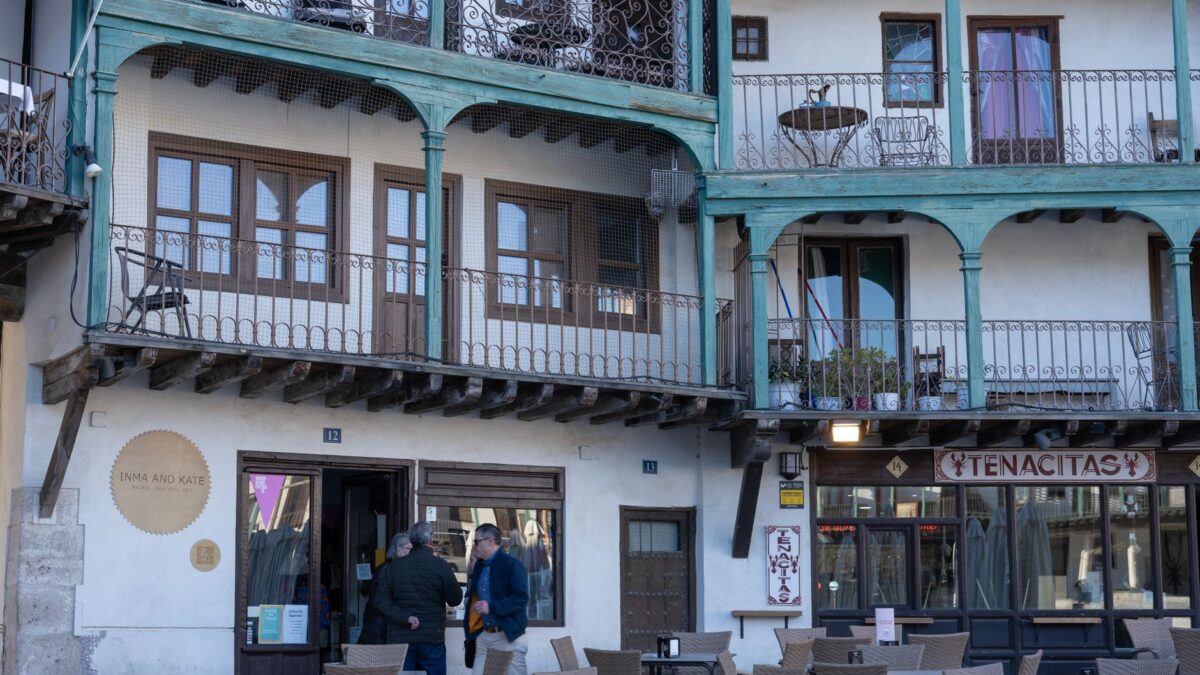
Moving to Colombia: visas, banking and SIM cards
Moving to Bogotá? Your guide to visas, banking, SIM cards, and neighborhoods for a smooth first-week setup in Colombia.
 News & Updates
Colombia in September 2026: what travelers should know now
Colombia travel briefing for September 2026: weather, festivals, transit changes, and costs in Bogotá.
 Getting Around
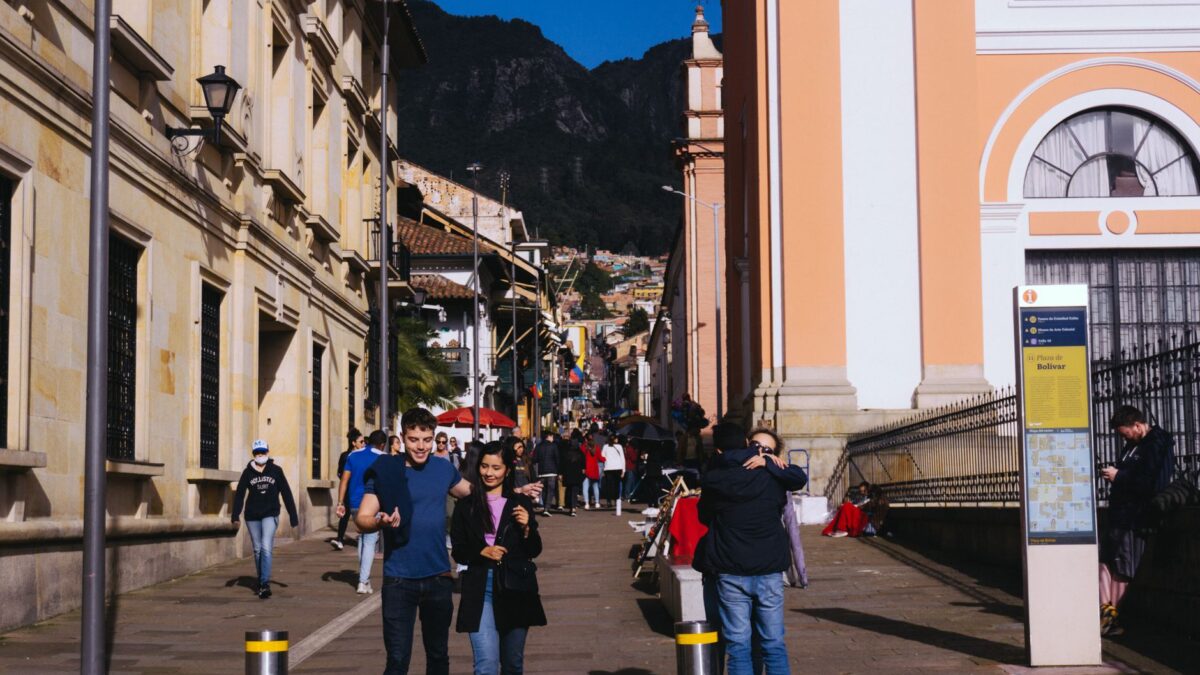
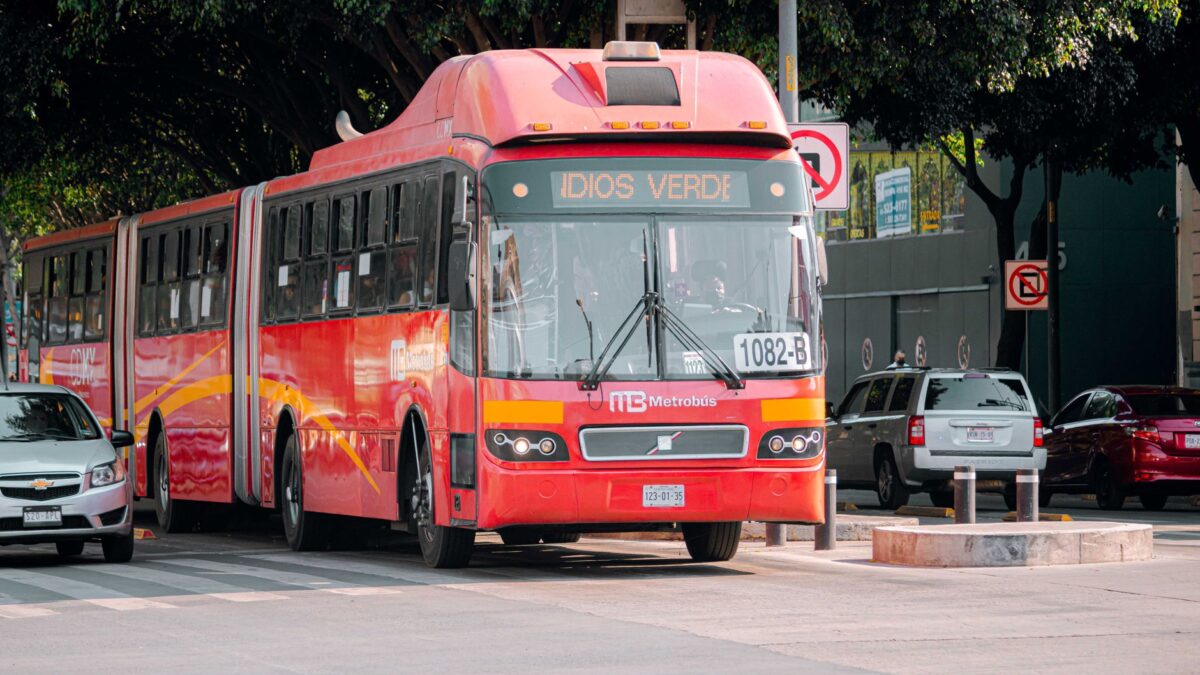
Getting around Bogotá: metros, taxis and passes
Master Bogotá's transit maze: TransMilenio fares, TuLlave tips, safe taxi advice, and why walking La Candelaria beats the gridlock.
 News & Updates
Colombia in August 2026: what travelers should know now
Colombia in August 2026: Bogotá events, transport changes, weather, prices, and tips from a local. What travelers should know now.
South America
 Brazil
Brazil Travel Podcast with Rafael Costa
The Pantanal, the world's largest tropical wetland, spreads across west central Brazil, a seasonal floodplain that rewards slow, repeated visits.
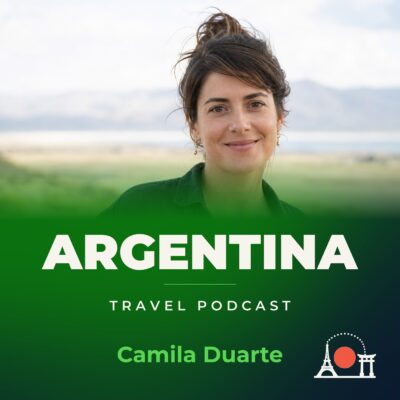 Argentina
Argentina Travel Podcast with Camila Duarte
The Pampas, Argentina's rich plains in the northern half, feed the country's cattle and wheat; Buenos Aires, home to a third of…
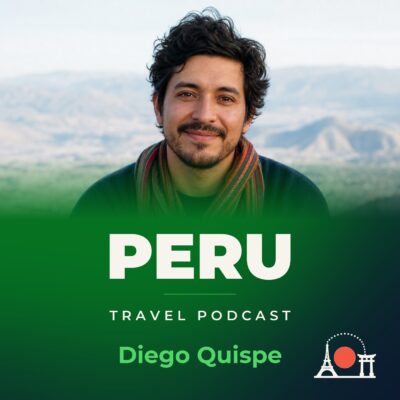 Peru
PeruPeru Travel Podcast with Diego Quispe
The Andean sierra holds roughly half of Peru's population, and Lago Titicaca, the world's highest navigable lake, is shared with Bolivia.
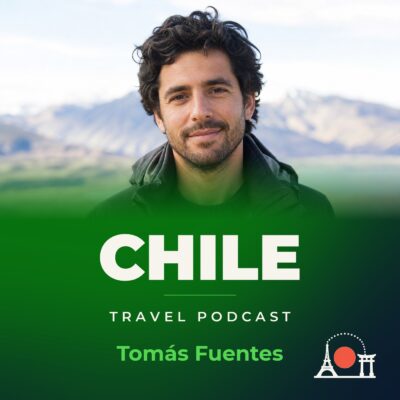 Chile
ChileChile Travel Podcast with Tomás Fuentes
For a listener, this podcast gives a resident’s slow route through Chile, from Santiago’s central valley to the Atacama desert, and the…