

Moving to Thailand: visas, banking and SIM cards
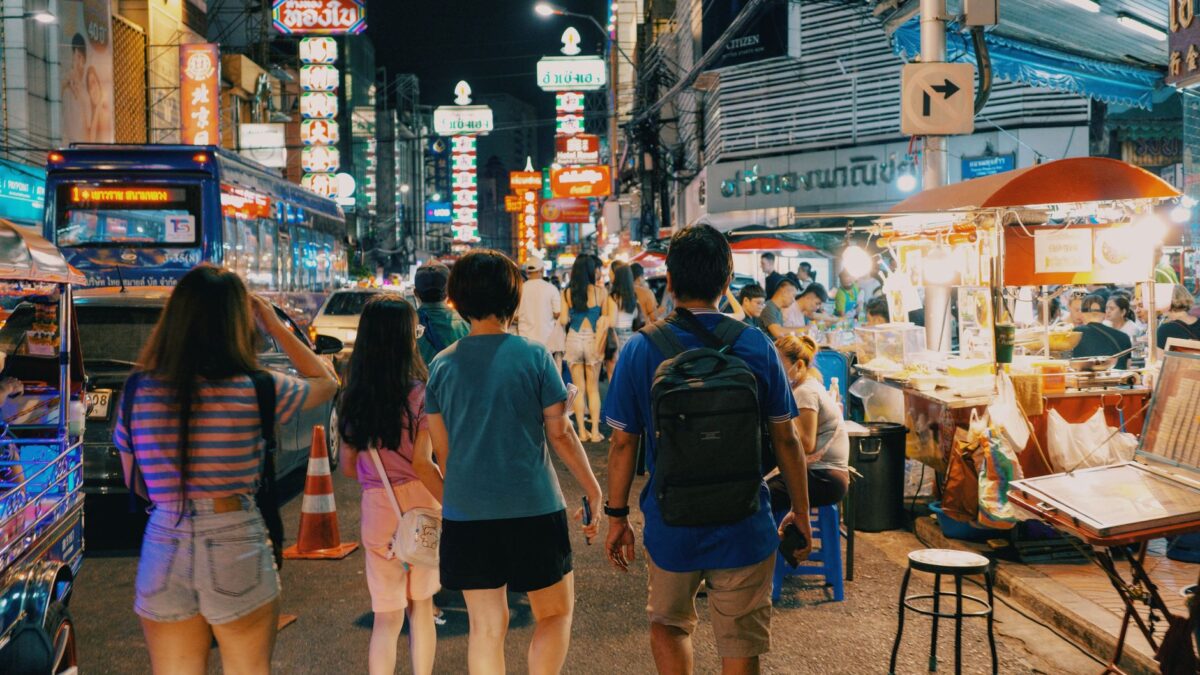
It is mid-September in Bangkok, and the air feels like a warm, wet towel wrapped around your shoulders. The temperature hovers around 32°C, but with the humidity, it feels closer to 39°C. Thunderstorms are rolling in by late afternoon, dumping rain that turns the streets of Sukhumvit into temporary canals for an hour or two. This is the tail end of the southwest monsoon—the back side of the rainy season where the heat lingers, the Chao Phraya River runs full and fast, and the city breathes heavily before the cool dry season arrives. If you are moving here for longer than a holiday, this weather is just the first lesson: resilience is required. But once you navigate the initial paperwork, the banking hurdles, and the digital setup, you will find a city that is surprisingly easy to live in, provided you know where to stand.
Entry Basics and Registration
The first thing you need to understand is that “visa-exempt” does not mean “no rules.” Most Western passport holders currently enter Thailand visa-exempt for 60 days—a significant doubling from the old 30-day rule implemented in July 2024. However, if you are planning a longer stay as a remote worker or digital nomad, you might look at the Destination Thailand Visa (DTV). While the DTV offers five years of multi-entry access with up to 180 days per visit, it is crucial to understand its limitations: it is classified as a tourist-type visa. It does not unlock banking benefits or long-term residence rights. For those purposes, you still need a non-immigrant visa, such as work, retirement, education, or family sponsorship.
Once you land, your immediate priority is address registration. Under Thai law, your landlord or hotel must file a TM30 address notification with immigration within 24 hours of your arrival. This document proves where you are living. Without a stamped TM30 form, you cannot open a bank account or extend your visa later. Keep this paper safe; it is your golden ticket for the next few months. If you plan to stay past 90 days, you will also need to file a 90-day report with Bangkok Immigration at their Chaeng Watthana office, though many people now use the online system for convenience.
Navigating the Banking Maze
Banking in Thailand has become significantly stricter since 2025. If you arrive on a tourist visa or even the new DTV, do not expect to open an account at the major banks—Bangkok Bank, Kasikorn (KBank), Siam Commercial (SCB), or Krungsri. They have tightened compliance measures and will refuse service to short-term visitors. You must hold a long-term non-immigrant visa (work, retirement, ED, or family) to proceed.
If you qualify, you must attend a branch in person. Bring your passport, your approved visa, and most importantly, your TM30 proof of address. There is one more hurdle that catches many newcomers off guard: your new bank account must be linked to a SIM card registered in your own name. Thai banks now perform biometric checks and verify that the mobile number tied to your account matches your passport details. This is part of a broader crackdown on mule accounts used for scams, so the system is unforgiving but necessary for security. Once you have an account, you will quickly adopt PromptPay QR payments. It is ubiquitous—you will pay for street food, BTS fares, and monthly rent using this system rather than cash or cards.
Getting Connected: SIM Cards and Data
You cannot function in Bangkok without reliable data. The three main carriers are AIS, True, and dtac. You can purchase a prepaid SIM or eSIM at the airport upon arrival, or pick one up at any 7-Eleven. Remember the banking rule above: you must register this SIM in your own name using your passport. Do not buy a pre-registered SIM from a street vendor; you will be unable to link it to your bank or essential apps like Line or Grab.
Data packages are affordable and plentiful. For roughly 300–500 THB a month, you can get unlimited data and decent local call rates. This connectivity allows you to navigate the city’s complex transit systems and communicate with landlords. In terms of daily costs, coffee at a chain like Amazon or an independent roaster in Ari will set you back about 60–100 THB ($2.3). You will likely spend time in these cafes working or planning your day, so factor in that small daily habit.
Districts and Daily Logistics
Where you live dictates how you move. The expat heartland stretches along the BTS Skytrain line in the Sukhumvit district. Asok is the busy interchange, Phrom Phong is known as ‘Little Tokyo’ with its high-end dining near EmQuartier, Thonglor (Soi 55) is the upscale bar strip, and Ekkamai is slightly quieter. If you prefer a slower, hipster vibe with indie coffee roasters and leafy sois, look north to Ari. For the financial district, Sathorn and Silom offer proximity to embassies, banks, and Lumphini Park, which is home to resident giant water-monitor lizards—harmless if you give them space.
Transportation is efficient but fragmented. The BTS Skytrain uses the Rabbit Card, which costs 200 THB (including a deposit) and works across the BTS, MRT Pink/Yellow lines, and the Chao Phraya tourist boat. Since November 2025, fares are distance-based, ranging from 17 to 65 THB. A typical central ride is 30–40 THB ($1.2). There is no true monthly unlimited pass, but a one-day unlimited pass is available for 150 THB ($4), which is great for sightseeing. The MRT Blue/Purple lines operate separately, accepting contactless Visa/Mastercard taps directly at the gates, which is convenient if you forget your transit card.
For meals, Bangkok remains a street-food capital. A modest noodle dish at an inexpensive stall in Yaowarat (Chinatown) or Talat Noi costs between 45–70 THB ($1.6). Boat noodles near Victory Monument can be as low as 15–25 THB per small bowl. If you dine in a mid-range air-conditioned restaurant or food court, expect to pay 150–180 THB ($5) for a main dish. Rents have climbed, too; a modest one-bedroom condo in areas like Rama 9 or Ari averages around 18,500 THB ($450) per month, though prices vary widely based on amenities and location.
Safety and Practical Tips
Bangkok is generally safe, but scams target the unprepared. Always insist on the meter in taxis, or better yet, use ride-hailing apps like Grab or Bolt. Be wary of tuk-tuk drivers who claim a temple is closed today and offer to take you elsewhere; this is almost always a setup for a gem shop commission. Keep a copy of your passport on you, never the original, unless staying at a hotel that holds it securely. When hunting for flats, be vigilant against fake-listing deposit scams on social media marketplaces. Verify listings in person and never transfer money before seeing the unit.
Currently, the city is navigating heavy rains due to Warning No. 6 from the Meteorological Department, with flash-flood risks affecting Bangkok and surrounding provinces. An oil spill cleanup under the Rama III Road elevated bridge has also caused traffic disruptions in Khlong Toei and Yan Nawa. Stay aware of local news, keep your documents secure, and embrace the rhythm of the city. With the right setup, your first weeks in Thailand will transition from logistical stress to genuine enjoyment.
Frequently asked questions
Can I open a Thai bank account on a tourist visa?
No. Since 2025, major banks like Bangkok Bank and KBank require a long-term non-immigrant visa (work, retirement, etc.). Tourist visas and the DTV do not qualify.
What is the cost of a BTS Skytrain ticket?
Fares are distance-based, ranging from 17 to 65 THB. A typical central ride is 30–40 THB. A one-day unlimited pass is 150 THB.
Do I need to register my SIM card?
Yes. All prepaid SIMs must be registered in your own name with your passport. Your bank account must be linked to this registered number.
How much does rent cost in Bangkok?
A modest one-bedroom condo in mid-areas like Ari or Rama 9 averages around 18,500 THB ($450) per month, though prices vary by location and amenities.
Things to do in Thailand
 Riverside Thai Cooking Class in Khao Lak with Market Tour
 Special offer
Private James Bond Island Speedboat Adventure Tour w/ Canoeing
Special offer
Private James Bond Island Speedboat Adventure Tour w/ Canoeing
 Chiang Mai Jungle Coffee Experience: Farm Trek, Roast & Brew.
 Bangkok: Floating Market & Train Tour with Michelin & Pickup
 Railway and Floating market & Ayutthaya Private Premium
 Half-Day Thai Cooking Class with organic ingredients