

A first-timer’s guide to Peru
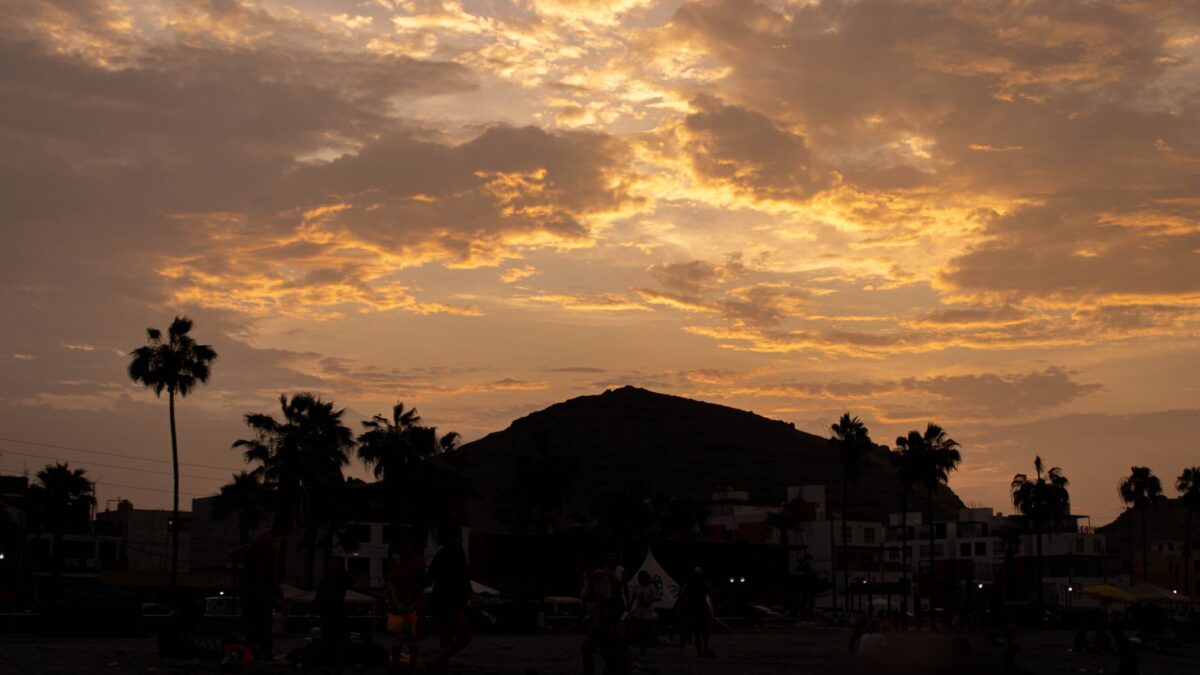
You step out of Jorge Chávez airport into the thick, grey humidity of Lima, and the first thing you notice is not the heat, but the lack of sun. It is September, and the sky is a uniform sheet of pearl, letting in only a diffused, soft light that makes the city’s colonial facades look like watercolor paintings left out in the rain. This is the ‘garúa,’ the seasonal drizzle that defines the Peruvian coast. At roughly 19–22°C, it is cool enough to require a light jacket, yet warm enough to feel comfortable as long as you stay dry. If you are arriving right now, you might see a mere 1mm of rain falling over a few hours, a gentle reminder that Lima is less a beach destination and more a misty, cultural labyrinth waiting to be navigated.
When to Go and How Long to Stay
Lima’s weather is deceptively stable year-round, but the quality of the light changes dramatically. The winter months (June through September) bring the garúa, creating moody, atmospheric days perfect for museum-hopping and cozy café culture. Summer (December to March) brings sun, blue skies, and beaches, though the air can feel heavier. For a first-timer, avoiding the peak of summer heat if you plan on hiking elsewhere in Peru is wise; spring and autumn offer the best balance of mild temperatures and clear visibility.
As for duration, do not rush. While many travelers treat Lima as a transit hub before heading to Cusco or Arequipa, it deserves at least four to five days. You need time to let the city reveal its layers: the pre-Columbian roots, the Spanish colonial spine, and the modern gastronomic explosion. If you are deep into your itinerary, three nights is the minimum to touch the surface, but I recommend staying longer. The rhythm here is slower than New York or London; you cannot sprint through the history.
Money, Costs, and Getting Around
Peru uses the Nuevo Sol (PEN). Cash is king in markets and small eateries, but cards are widely accepted in districts like Miraflores, San Isidro, and Barranco. Inflation has been low, around 1.5%, but rents have climbed, making daily living costs interestingly stratified. Here is what you need to know about your wallet.
Food: Eating out is incredibly affordable and often superior to cooking. A menú del día—a set lunch including soup, salad, main course, and drink—costs between S/15 and S/17 (about $4). This is the local way to eat. For a more upscale experience, a meal for two at a mid-range restaurant runs about S/113 ($30). If you crave ceviche, a plate at a neighborhood cevichería will set you back S/25–35 ($8). Even a simple cappuccino at a trendy spot like Colmena Café or Neira Café Lab is around S/10.70 ($2.90). Local beer is roughly S/10 at a bar.
Transport: Traffic in Lima is legendary, so use public transport where possible. The Metropolitano BRT and Metro Line 1 are efficient. A single fare on the Metropolitano troncal is S/3.20, while Metro Line 1 is just S/1.50. You will likely use a rechargeable card (like the upcoming Tarjeta Interoperable de Transporte) topped up via mobile wallets like Yape or Plin. Short taxi rides start at S/7–10, but always use apps like Uber or Cabify for safety and fixed prices. Avoid hailing taxis on the street, especially near the airport.
Accommodation: A mid-range hotel or guesthouse night averages S/150–250 ($55). If you are staying longer, monthly rents for modest one-bedroom flats outside the center range from S/1,200 to S/2,500, though this is rising faster than general inflation.
Navigating the Districts: Where to Stay and Explore
Lima is not a walkable city in the traditional sense; it is a collection of distinct districts connected by highways and tunnels. Your base should dictate your vibe.
Miraflores is the tourist hub. It is safe, green, and clifftop. Walk the malecón along the Pacific, visit Parque Kennedy with its resident cat colony, and explore Larcomar, an open-air mall built into the cliffside. Don’t miss Huaca Pucllana, an adobe pyramid from 500 CE sitting right in the middle of the modern district. For nightlife and dining, head to Barranco, the bohemian arts quarter. Cross the Puente de los Suspiros (Bridge of Sighs), wander the mural-covered Bajada de Baños, and enjoy dinner at Central, which ranked #1 in the World’s 50 Best Restaurants in 2023, or grab a drink on Bulevar Sáenz Peña.
If you prefer wealth and quiet elegance, San Isidro offers embassies, office towers, and Parque El Olivar, a massive ancient olive grove. It is home to top-tier dining like Maido and La Mar. For history, Pueblo Libre houses the Museo Larco, a stunning 18th-century mansion containing 45,000 pre-Columbian artifacts, including their famous erotic pottery gallery. Finally, the Centro Histórico (Cercado de Lima) is the UNESCO-listed colonial core. Here, you will find the Plaza Mayor, founded in 1535 by Francisco Pizarro, surrounded by the Government Palace and the Lima Cathedral. Visit the Monasterio de San Francisco to see its eerie catacombs and library.
Practical Essentials: Visa, Safety, and Daily Life
Visas: Most US, Canadian, UK, EU, and Australian passport holders enter visa-free. Your passport must be valid for six months with two blank pages. Entry is recorded digitally via TAM Virtual at the airport, so you won’t get a paper stamp. Officers typically grant up to 90 days within a 180-day period. Overstaying incurs daily fines, so keep track of your entry date.
Safety: Lima has a reputation for crime, but in districts like Miraflores, Barranco, and San Isidro, tourist police are visible and the risk is manageable. Keep valuables hidden, avoid flashing expensive electronics, and never use unofficial taxis. The emergency number is 911. Be aware that public sentiment is currently uneasy regarding crime rates, so stay alert in crowded areas.
Connectivity: Buy a prepaid SIM from Claro, Movistar, Entel, or Bitel at kiosks or malls. You will need your passport for registration. eSIMs are becoming widely available. Mobile payment apps like Yape and Plin are ubiquitous; even small vendors use them, so having a local number helps you navigate daily transactions smoothly.
Peru is a country of contrasts, and Lima is its beating heart. It is messy, beautiful, hungry, and deeply historic. Embrace the rain, eat the ceviche, and let the city surprise you.
Frequently asked questions
Is it safe to travel to Lima, Peru as a first-timer?
Lima is generally safe in tourist-friendly districts like Miraflores, Barranco, and San Isidro, where tourist police are present. However, petty crime exists; avoid flashing valuables, use ride-hailing apps like Uber instead of street taxis, and remain vigilant in crowded areas.
What currency does Peru use and how much should I budget?
Peru uses the Nuevo Sol (PEN). Budgeting roughly S/15-17 for a local lunch (menú del día) and S/150-250 per night for mid-range accommodation is typical. Many locals use mobile payment apps like Yape and Plin, which are increasingly common.
Do I need a visa to enter Peru for tourism?
Most US, Canadian, UK, EU, and Australian passport holders do not need a visa. You must have a passport valid for six months with two blank pages. Entry is recorded digitally, and you are typically granted up to 90 days within a 180-day period.
What is the best time of year to visit Lima?
Lima’s climate varies by season. Winter (June–September) brings cool temperatures (19–22°C) and coastal fog (garúa), ideal for museums. Summer (December–March) offers sunny, warmer days better for beach activities. Spring and autumn provide a balance of both.
How do I get around Lima efficiently?
Use the Metropolitano BRT or Metro Line 1 for mass transit, paying with a rechargeable card topped up via mobile apps. For short trips, use Uber or Cabify. Avoid hailing taxis on the street, especially near the airport, due to safety concerns.
Things to do in Peru
 Anthropologist-Led Horseback: Moon Temple & Mysticism (Max 5)
 Food and Culture Full day Tour in the Sacred Valley
 4-Day Inca Jungle Trek to Machu Picchu: Biking, Rafting & Zipline
 The Textile Workshop Experience in Cusco Region
 Half Day Private Tour Machu Picchu Cusco Peru
 Likely to sell out
Machu Picchu Full Day Tour
Likely to sell out
Machu Picchu Full Day Tour