

The best time to visit Bhutan
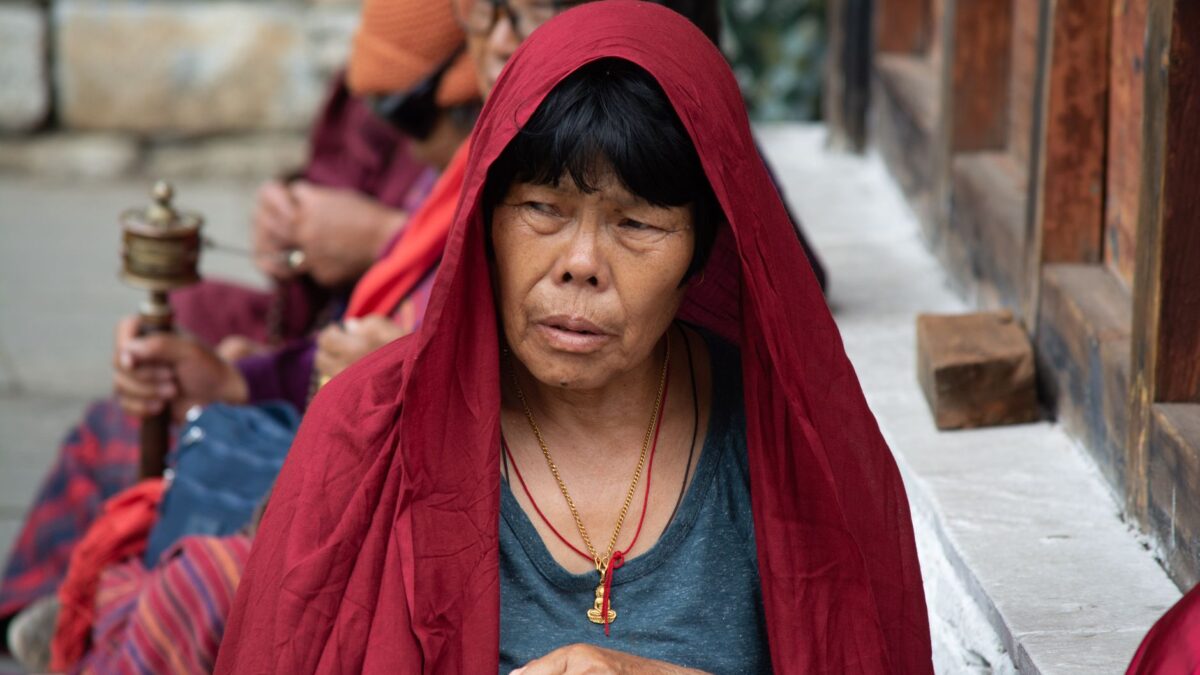
The air in Thimphu changes first. It loses that heavy, wet blanket of the monsoon and sharpens into something crisp, carrying the scent of burning juniper from kitchen chimneys and the faint, sweet aroma of chrysanthemums blooming along the ring road. If you are standing near the National Memorial Chorten this time of year, you can feel the city holding its breath. The streets are already buzzing with a specific kind of energy. Locals in their vibrant gho and kira are moving with purpose, not just to work, but toward the Tashichho Dzong, where the stage is being set for the year’s most significant cultural gathering.
As someone who has watched these seasons turn for years, I can tell you that choosing when to visit Bhutan is less about picking a “perfect” month and more about deciding what kind of experience you want to inhabit. Do you want silent trails and clear mountain views? Or do you want to lose yourself in the rhythm of masked dances and communal celebration? Let us walk through the seasons together, so you can find your perfect window.
Spring: The Awakening (March – May)
If your heart belongs to wildflowers, spring is your season. By March, the frost lifts from the valleys, and the rhododendrons begin their spectacular show, painting the hillsides in deep reds and pinks. This is a time of renewal, both in nature and in spirit. The weather is mild, typically ranging from comfortable to warm during the day, though evenings can still carry a chill.
Crowds are generally lighter in early spring compared to the autumn peak. You will find a sense of tranquility on the hiking trails leading up to Tiger’s Nest Monastery or along the paths near the Royal Botanical Garden Serbithang. Prices for accommodation are often more flexible, as you are visiting outside the major festival calendar. However, be prepared for occasional showers, especially in April and May, as the monsoon approaches.
Food prices remain accessible during this time. A simple meal at a local eatery, like a plate of ema datshi (chili-cheese) with red rice, costs around Nu 100–150 (about $1.5), while a mid-range dinner might run you Nu 750–1,350 (approx. $13). These consistent costs make spring an economically gentle time to explore the capital and its surroundings without feeling the pinch of high-season tourism.
Summer: The Monsoon Challenge (June – August)
I must be honest with you: summer in Bhutan is a test of patience. The monsoon arrives with force, bringing daily downpours that can last for hours. In Thimphu, we have seen days where over 18mm of rain falls within just 18 hours, turning roads into slippery hazards. The Phuentsholing–Thimphu highway and the new Rinchending bypass are particularly vulnerable to debris flows and surface damage, meaning your journey north could involve unexpected diversions or delays.
However, if you are willing to embrace the green, there is a unique beauty here. The landscapes are lush and vibrant, almost unreal in their saturation of color. Hotels and tour operators often offer discounted rates to attract visitors during this quiet period. You might pay less for lodging, and a short taxi ride in the city could cost between Nu 15–20 per kilometer (approx. $0.2).
But consider the trade-off. While food remains cheap—a bowl of thukpa noodle soup for Nu 100–150 (about $1.5)—the inconvenience of travel disruptions can outweigh the savings. If you choose summer, pack waterproof gear, allow extra buffer days in your itinerary, and monitor local news for road status updates. It is a season for introspection, not for rushing across the country.
Autumn: The Golden Peak (September – November)
This is why most travelers choose Bhutan. Autumn brings the clearest skies, the crispest air, and the most vibrant cultural life. September marks the transition, where the tail end of the monsoon gives way to sunshine. By October and November, the mountains reveal their full majesty, unobscured by clouds or haze.
It is also festival season. The Thimphu Tshechu, Bhutan’s biggest festival, typically runs for three days, filling the Tashichho Dzong courtyard with families and visitors. Imagine the dawn unfurling of the giant thongdrel (religious scroll), a moment of profound spiritual and visual grandeur. Just before the main event, you might catch the quieter Thimphu Drubchen, a rite dedicated to the protector deity Palden Lhamo. These events create a electric atmosphere in the capital.
Be aware that this popularity comes with logistical realities. With festivals and events like the Thimphu Marathon ‘Run for Global Peace’—which starts near the Buddha Dordenma and closes key routes—demand for hotels and transport spikes. You must book well in advance. Prices for accommodation rise, reflecting the high demand. A modest one-bedroom flat rent indicator suggests the housing market is tight, but for tourists, hotel rates reflect this seasonal surge.
Despite higher costs, the value is undeniable. The weather is ideal for trekking, and the social scene is lively. Enjoy a cappuccino at Bao Cafe or coffee at Ambient Cafe, watching the world go by. A local beer at a bar costs around Nu 250 (approx. $3.0), and a plate of momos for Nu 80–200 (about $1.7) makes for a perfect evening snack. The clarity of the autumn light makes every photograph worth taking, from the Ludrong Memorial Garden to the distant peaks.
Winter: The Quiet Retreat (December – February)
Winter in Bhutan is cold, particularly in the northern regions, but Thimphu and the central valleys remain manageable. Days are sunny and dry, with nights dropping below freezing. This is the low season for international tourism, which means fewer crowds and more availability.
If you prefer solitude, winter offers it. The streets of Thimphu are quieter, and you can enjoy attractions like Simply Bhutan or Khamsum Yulley Namgyal Chörten with a sense of privacy. Fuel costs can fluctuate due to global factors, affecting domestic transport prices slightly, but for tourists on fixed packages, this rarely impacts the bottom line significantly.
Warm clothing is essential. Layering is key. Food prices remain stable, so you can still enjoy inexpensive local meals. A loaf of bread might cost Nu 40–80 (about $0.7), and milk is around Nu 76 (approx. $0.9) per liter. It is a time for cozy cafes, perhaps visiting Elsewhere Art And Cafe or Solé, and immersing yourself in the slower pace of Bhutanese life.
Practical Tips for Your Visit
Regardless of when you come, keep these practicalities in mind. Bhutan uses the Ngultrum (BTN). As of recent reports, the exchange rate hovers around 83.669 BTN per US dollar, though this can vary. Inflation is relatively low at around 3.6%, keeping daily costs predictable.
Transport within Thimphu is affordable. City bus fares are roughly Nu 20–30 (about $0.3). For longer trips, pre-arranged transport through licensed tour operators is recommended, especially during festival weeks when road closures for events like the Tour of the Dragon bicycle race may disrupt normal traffic patterns.
Eating out is easy and varied. From the Chicken 65 RESTAURANT & Bar to Aroma Fine Dine & Bar, options abound. If you are looking for vegetarian specialties, Khamsum Inn is a notable choice. Remember that tipping is not mandatory but appreciated in the tourism sector.
Finally, respect the culture. Bhutan is a Buddhist kingdom with deep traditions. Dress modestly when visiting dzongs and temples. Remove shoes when required. Ask permission before photographing people, especially monks. This mutual respect enhances the connection you will form with the land and its people.
Whether you come for the spring blooms, the autumn festivals, or the winter silence, Bhutan welcomes you with open arms. Plan carefully, pack wisely, and leave room for the unexpected moments that make travel truly memorable.
Frequently asked questions
What is the best month to visit Thimphu for festivals?
September to November is ideal, particularly for the Thimphu Tshechu, Bhutan's largest festival featuring masked dances and the thongdrel unfurling at Tashichho Dzong.
Is it safe to travel to Thimphu during the monsoon season?
Travel is possible but challenging. Heavy rains can cause landslides and road closures on highways like the Phuentsholing–Thimphu route, so allow extra buffer days for transit.
How much does a typical meal cost in Thimphu?
Local meals are affordable. A set plate of ema datshi with red rice costs about Nu 100–150 ($1.5), while a mid-range restaurant meal is around Nu 750–1,350 ($13).
Are there road closures during major events in Thimphu?
Yes, events like the Thimphu Marathon and the Tour of the Dragon bike race often close stretches of the east-west highway and areas near the Buddha Dordenma.
What is the current currency exchange rate for Bhutan?
The currency is the Ngultrum (BTN). Recent rates hover around 83.669 BTN per US dollar, though this can fluctuate based on economic conditions.


