

Bhutan Travel Podcast with Karma Wangchuk
Hosted by Karma Wangchuk — a new episode every day from Bhutan.
This podcast follows travel in Bhutan as a resident might experience it: one valley at a time, one district at a time. The country is landlocked between China and India, mostly mountainous, with Dzongkha as the official language and Lamaistic Buddhism the main religion. A short visit cannot show how these shape daily life.
His range covers Thimphu and Paro, Bumthang’s high fields, the tropical southern plains around Phuentsholing, and the remote mountain settlements of Gasa. Each place has its own altitude, weather and language mix, from Sharchopkha in the east to Lhotshamkha near the southern border, so the show adapts to each region.
The show moves with the year. He returns to a valley in different seasons, watches the winter cold lift, and follows roads deeper into the Himalayas as he learns the steps between places. Knowledge accumulates slowly, through repeated visits and the connections a resident notices only over time.
Recent episodes
Things to do in Bhutan


Plan your trip to Bhutan
Getting around
Staying connected
Bhutan at a glance
Bhutan in depth
Reference data on the country — geography, people, history, economy and transport.
Geography and climate
Location
Southern Asia, between China and India
Terrain
Mostly mountainous with some fertile valleys and savanna
Climate
Varies; tropical in southern plains; cool winters and hot summers in central valleys; severe winters and cool summers in Himalayas
Elevation
- Highest point
- Gangkar Puensum 7,570 m
- Lowest point
- Drangeme Chhu 97 m
- Mean elevation
- 2,220 m
Area
- Total
- 38,394 sq km
- Land
- 38,394 sq km
- Water
- 0 sq km
Size comparison
Slightly larger than Maryland; about one-half the size of Indiana
Coastline
0 km (landlocked)
Land borders
- Total
- 1,136 km
- Border countries
- China 477 km; India 659 km
Natural resources
Timber, hydropower, gypsum, calcium carbonate
Land use
- Agricultural land
- 13.8% (2023 est.)
- Arable land
- 2.6% (2023 est.)
- Permanent crops
- 0.4% (2023 est.)
- Permanent pasture
- 10.8% (2023 est.)
- Forest
- 70.6% (2023 est.)
- Other
- 15.6% (2023 est.)
Natural hazards
Violent storms from the Himalayas are the source of the country's Bhutanese name, which translates as Land of the Thunder Dragon; frequent landslides during the rainy season
Note
Landlocked; strategic location between China and India; controls several key Himalayan mountain passes
People and society
Population
- Total
- 892,877 (2025 est.)
- Male
- 461,679
- Female
- 431,198
Nationality
- Noun
- Bhutanese (singular and plural)
- Adjective
- Bhutanese
Ethnic groups
Ngalop (also known as Bhote) 50%, ethnic Nepali 35% (predominantly Lhotshampas), indigenous or migrant tribes 15%
Languages
Sharchopkha 28%, Dzongkha (official) 24%, Lhotshamkha 22%, other 26% (includes foreign languages) (2005 est.)
Religions
Lamaistic Buddhist 75.3%, Indian- and Nepali-influenced Hinduism 22.1%, other 2.6% (2005 est.)
Median age
- Total
- 31.2 years (2025 est.)
- Male
- 31.1 years
- Female
- 30.3 years
Life expectancy
- Total population
- 73.7 years (2024 est.)
- Male
- 72.5 years
- Female
- 75 years
Urbanisation
- Urban population
- 44.4% of total population (2023)
- Rate of urbanization
- 2.52% annual rate of change (2020-25 est.)
Largest cities
203,000 THIMPHU (capital) (2018)
Background and government
Background
After Britain’s victory in the 1865 Duar War, Britain and Bhutan signed the Treaty of Sinchulu, under which Bhutan would receive an annual subsidy in exchange for ceding land to British India. Ugyen WANGCHUCK -- who had served as the de facto ruler of an increasingly unified Bhutan and had improved relations with the British toward the end of the 19th century -- was named king in 1907. Three years later, a treaty was signed whereby the British agreed not to interfere in Bhutanese internal affairs, and Bhutan allowed Britain to direct its foreign affairs. Bhutan negotiated a similar arrangement with independent India in 1949. The Indo-Bhutanese Treaty of Friendship returned to Bhutan a small piece of the territory annexed by the British, formalized the annual subsidies the country received, and defined India's responsibilities in defense and foreign relations. Under a succession of modernizing monarchs beginning in the 1950s, Bhutan joined the UN in 1971 and slowly continued its engagement beyond its borders.
In 2005, King Jigme Singye WANGCHUCK unveiled the draft of Bhutan's first constitution -- which introduced major democratic reforms -- and held a national referendum for its approval. The King abdicated the throne in 2006 in favor of his son, Jigme Khesar Namgyel WANGCHUCK. In 2007, India and Bhutan renegotiated their treaty, eliminating the clause that stated that Bhutan would be "guided by" India in conducting its foreign policy, although Thimphu continues to coordinate closely with New Delhi. In 2008, Bhutan held its first parliamentary election in accordance with the constitution. Bhutan experienced a peaceful turnover of power following a parliamentary election in 2013, which resulted in the defeat of the incumbent party. In 2018, the incumbent party again lost the parliamentary election. In 2024, of the more than 100,000 ethnic Nepali -- predominantly Lhotshampa -- refugees who fled or were forced out of Bhutan in the 1990s, about 6,500 remain displaced in Nepal.
Government
Constitutional monarchy
Capital
Thimphu
Time zone
UTC+6 (11 hours ahead of Washington, DC, during Standard Time)
Local name
Druk Gyalkhap
Independence
17 December 1907 (became a unified kingdom under its first hereditary king); 8 August 1949 (Treaty of Friendship with India maintains Bhutanese independence)
National day
National Day (Ugyen WANGCHUCK became first hereditary king), 17 December (1907)
Economy and cost of living
Overview
Hydropower investments spurring economic development; Gross National Happiness economy; sharp poverty declines; low inflation; strong monetary and fiscal policies; stable currency; fairly resilient response to COVID-19; key economic and strategic relations with India; climate vulnerabilities
GDP per capita
- Real GDP per capita 2023
- $14,600 (2023 est.)
- Real GDP per capita 2022
- $14,100 (2022 est.)
- Real GDP per capita 2021
- $13,500 (2021 est.)
Inflation
- Inflation rate (consumer prices) 2024
- 2.8% (2024 est.)
- Inflation rate (consumer prices) 2023
- 4.2% (2023 est.)
- Inflation rate (consumer prices) 2022
- 5.6% (2022 est.)
Unemployment
- Unemployment rate 2024
- 2.9% (2024 est.)
- Unemployment rate 2023
- 3.2% (2023 est.)
- Unemployment rate 2022
- 6% (2022 est.)
Exchange rate
- Currency
- Ngultrum (BTN) per US dollar -
- Exchange rates 2024
- 83.669 (2024 est.)
- Exchange rates 2023
- 82.599 (2023 est.)
- Exchange rates 2022
- 78.604 (2022 est.)
- Exchange rates 2021
- 73.918 (2021 est.)
- Exchange rates 2020
- 74.1 (2020 est.)
Main industries
Cement, wood products, processed fruits, alcoholic beverages, calcium carbide, tourism
Agriculture
Rice, milk, potatoes, root vegetables, maize, oranges, areca nuts, chillies/peppers, pumpkins/squash, carrots/turnips (2023)
Transport and connectivity
Airports
4 (2025)
Internet domain
.bt
Internet users
Percent of population 88% (2023 est.)
Mobile subscriptions
- Total subscriptions
- 790,000 (2024 est.)
- Subscriptions per 100 inhabitants
- 100 (2024 est.)
Environment
Environmental issues
Soil erosion; limited access to potable water; wildlife conservation; industrial pollution; waste disposal
Fresh water
78 billion cubic meters (2022 est.)
Country reference figures are periodically revised. Check anything time-sensitive or safety-critical against an official source before you travel.
Bhutan travel guides
 Travel Tips
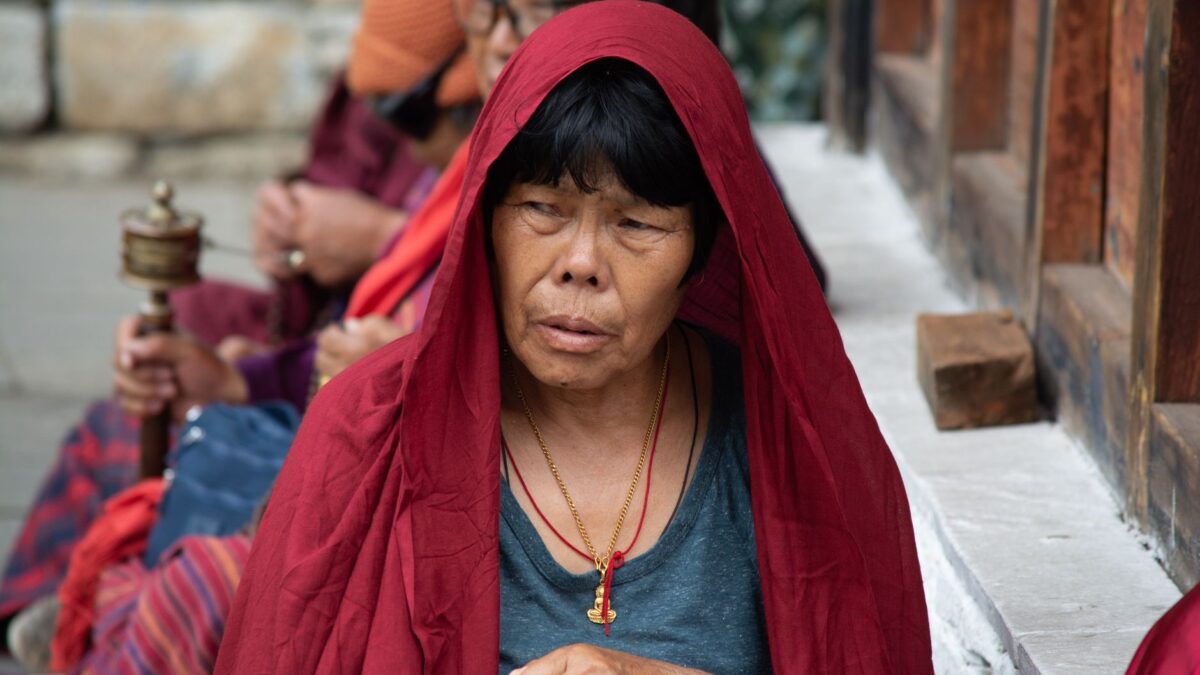
A first-timer’s guide to Bhutan
A first-timer's guide to Bhutan: best time to visit Thimphu, budget tips, transport, and cultural essentials for an authentic Himalayan experience.
 Travel Tips
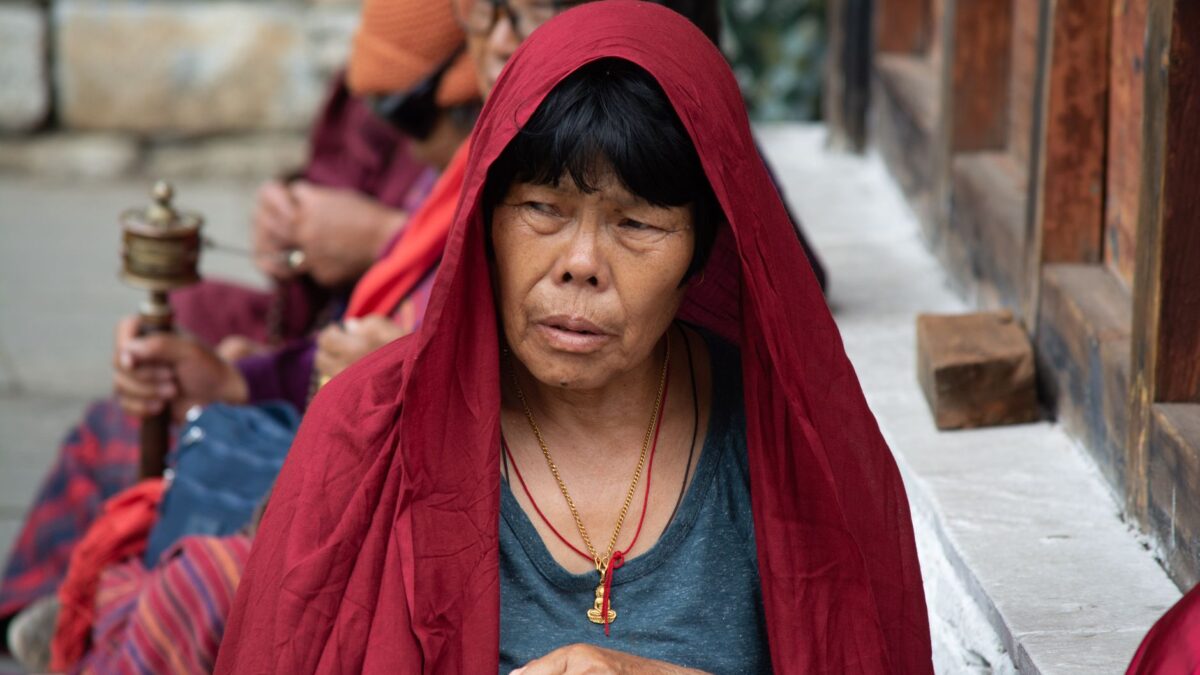
The best time to visit Bhutan
Discover the best time to visit Bhutan. Compare seasons for weather, crowds, prices, and festivals to plan your perfect trip to the Himalayas.
 News & Updates
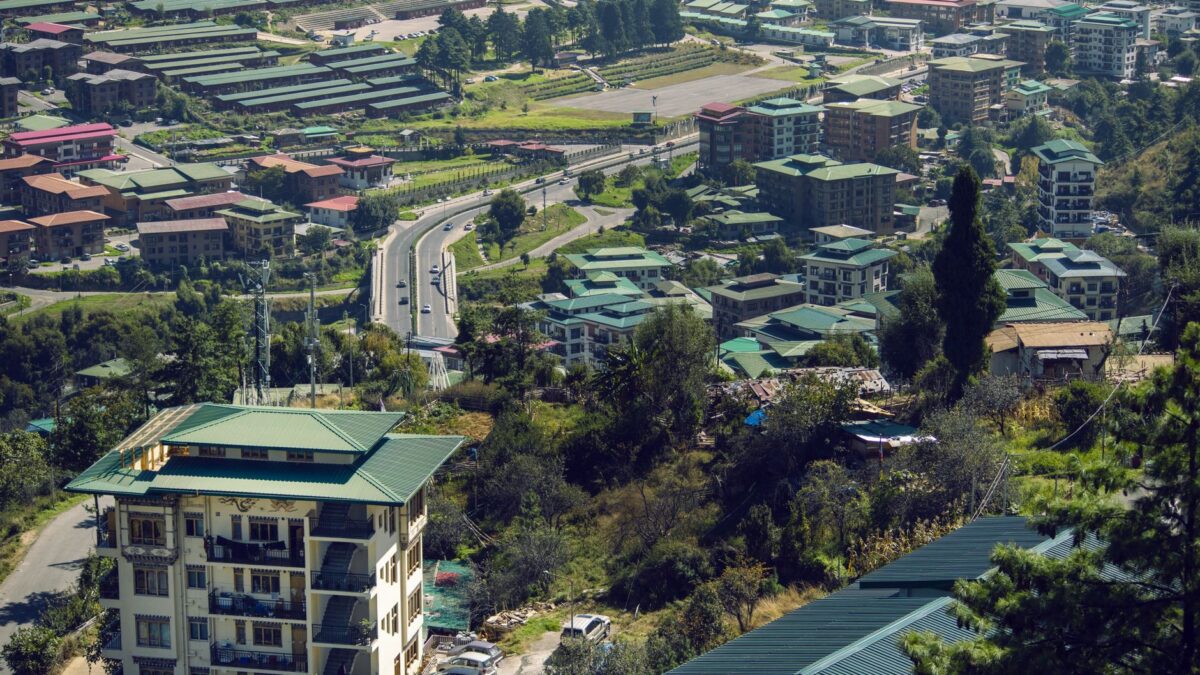
Bhutan in September 2026: what travelers should know now
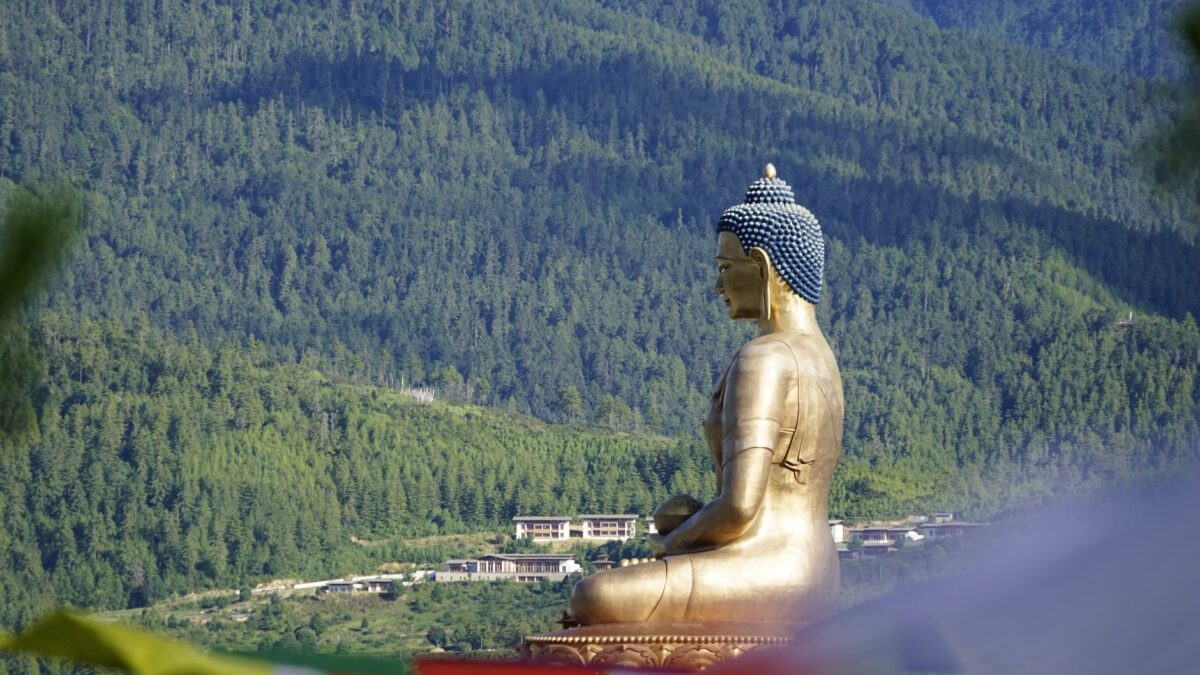
Bhutan travel briefing for September 2026: weather, Tshechu festival dates, road closures, and current costs in Thimphu.
 Costs & Money
A week in Thimphu on a mid-range budget
Plan a week in Thimphu on a mid-range budget. Real costs for meals, transit, and hotels in Bhutan's capital, plus tips for navigating festivals.
South Asia
 India
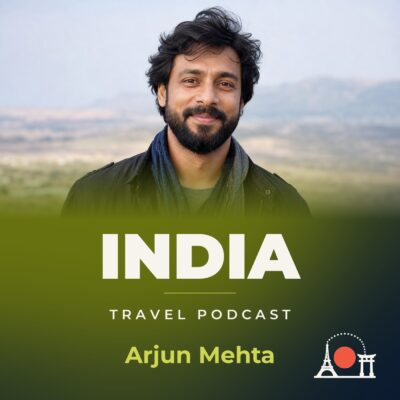
IndiaIndia Travel Podcast with Arjun Mehta
The Ganges plain holds India’s densest population, while the Deccan Plateau in the south and the Himalayan mountain fringe in the north…
 Sri Lanka
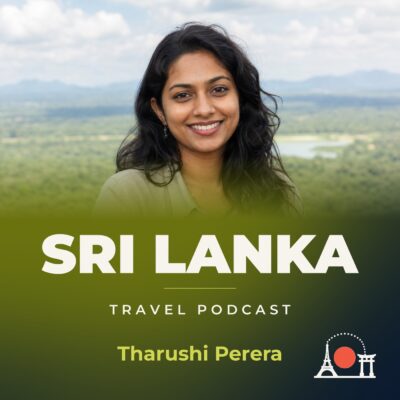
Sri Lanka Travel Podcast with Tharushi Perera
The northeast monsoon, arriving from December to March, brings rain to the northern and eastern shores before the southwest monsoon takes over…
 Nepal
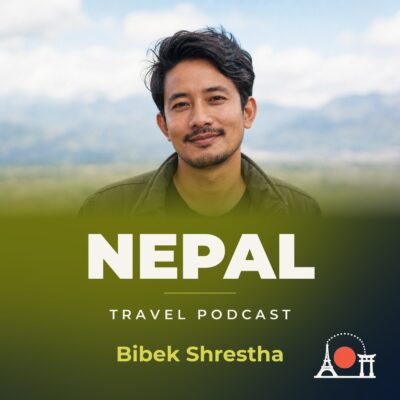
NepalNepal Travel Podcast with Bibek Shrestha
The Tarai plains hold nearly half the population and share a lowland geography with the Ganges river system that shapes life in…
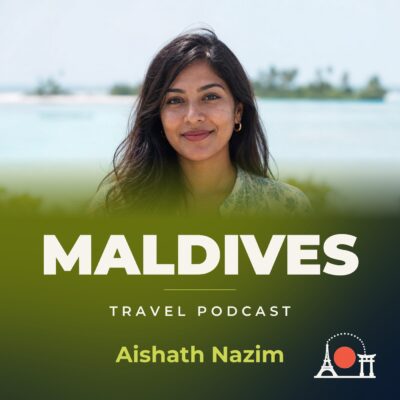 Maldives
Maldives Travel Podcast with Aishath Nazim
The northeast monsoon brings drier weather from November to March, when the archipelago’s flat coral atolls and white sandy beaches emerge from…