
A first-timer’s guide to Bhutan
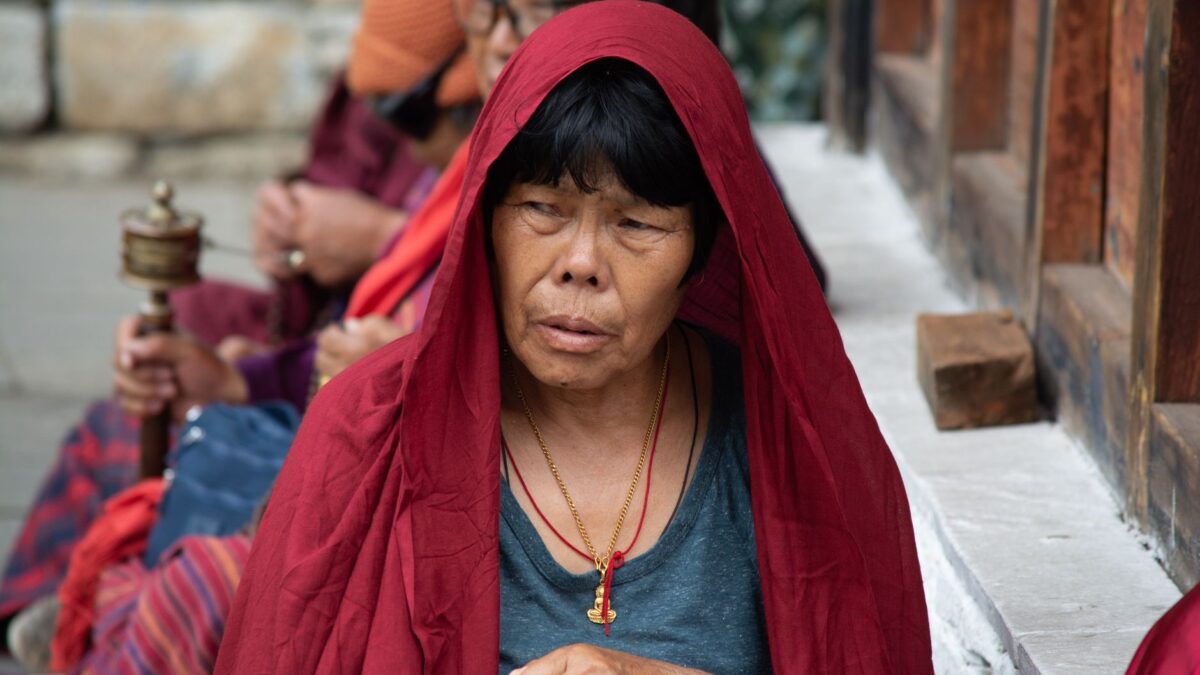
The air in Thimphu has a specific texture right now. It is that transitional moment when the heavy, wet breath of the monsoon finally lifts, leaving behind a crisp clarity that cuts through the morning mist. If you are standing near the Tashichho Dzong this week, you can feel the city holding its breath. The streets, usually calm, are swelling with families dressed in the vibrant reds and blues of the gho and kira, preparing for the Thimphu Tshechu. For a first-timer, arriving in Bhutan during this window offers a front-row seat to the soul of the kingdom, but it also requires a bit of savvy navigation. You are not just visiting a place; you are stepping into a rhythm that is deeply spiritual, surprisingly modern, and entirely unique.
When to Come: Chasing Clarity and Crowds
September is arguably one of the most dynamic times to arrive. The tail end of the rains gives way to what locals call “autumn days”—crisp, clear skies that make the mountain views from the capital genuinely breathtaking. However, this beauty comes with a logistical caveat. The city gears up intensely for the Thimphu Tshechu, Bhutan’s biggest festival. From late September (around the 21st), the three days of masked cham dances and the dawn unfurling of the thongdrel at Tashichho Dzong will close streets around the dzong. The city fills with pilgrims and visitors, creating a festive energy that is infectious but demands advance planning.
If your travel dates align with mid-September, be aware that other events may overlap. The Thimphu Drubchen, a quieter pre-festival rite dedicated to the protector deity Palden Lhamo, often occurs just before the main Tshechu. Furthermore, the capital often hosts sporting events like the “Run for Global Peace” marathon or the Tour of the Dragon mountain bike race. These events mean road closures and spikes in hotel demand. My advice? Book your accommodation early. The visual payoff of watching the thongdrel unfurl against the valley backdrop is worth the extra effort, but only if you have secured a room.
How Long to Stay and Getting Around
Do not rush. Bhutan is not a country you “do” in a weekend. A minimum of five to seven days allows you to acclimatize to the altitude and understand the pace of life here. While many itineraries head straight for Punakha or Paro, spending time in Thimphu reveals the contemporary side of the kingdom. You need at least two full days in the capital to wander without stress.
Getting around Thimphu is straightforward but requires local knowledge. The public bus system is efficient and incredibly cheap. A single ride on most routes will cost you about Nu 20–30 (roughly $0.3). It is a great way to see the city as locals do, though buses can get crowded during festival season. For shorter trips, taxis are available, but they rarely use meters. You will negotiate based on distance, typically paying Nu 15–20 per km (about $0.2). It is honest pricing, provided you agree on the fare before getting in. Avoid driving yourself unless you are an experienced mountain driver; the roads winding up to the capital from the south, particularly the Phuentsholing–Thimphu highway and the new Rinchending bypass, are prone to monsoon landslides and debris flows. Closures and diversions are ongoing realities that can turn a short drive into a long wait.
Money Matters: Navigating the Ngultrum
You will pay in Bhutanese ngultrum (BTN). The currency is pegged to the Indian Rupee, which simplifies things if you are coming from India, but most travelers will exchange US Dollars. As of recent data, the rate hovers around 83.669 BTN per US dollar. Inflation is low, sitting at roughly 3.6%, but costs can vary depending on where you eat and stay.
Budgeting is surprisingly manageable if you eat like a local. Your food bill can be very modest. A set plate of ema datshi (chili-cheese) with red rice at a local eatery costs about Nu 100–150 (approx. $1.5). A bowl of thukpa, a hearty noodle soup, runs Nu 100–150 ($1.5). Even a plate of momos, those delicious dumplings, is around Nu 80–200 ($1.7). If you prefer a mid-range restaurant for a three-course meal, expect to spend between Nu 750 and 1,350 (about $13).
However, there is a hidden cost in Thimphu: housing. The city’s rental market is tight. A modest one-bedroom flat on the outskirts might rent for Nu 8,000–12,000 monthly, while city-center options can hit Nu 15,000 (around $120). This affordability squeeze affects everyone, including service staff, so tips are appreciated but not expected in the same way they are in the West. Carry small denominations of ngultrum for bus fares and street snacks. ATMs are widely available at branches like Bank of Bhutan, Druk PNB Bank Ltd, and BOBL, but ensure your cards work internationally before you land.
Essentials First-Timers Wish They Knew
There are a few cultural and practical nuances that can make or break your trip. First, dress code matters. When entering dzongs (fortress-monasteries) or temples, you must cover your knees and shoulders. Men wear the gho, women the kira, but tourists are expected to respect the modesty norms even in casual settings. Second, alcohol is legal but regulated. A local draft beer at a bar like Solé or Aroma Fine Dine & Bar will cost around Nu 250 ($3.0). Coffee culture is growing too; a cappuccino at Bao Cafe or Ambient Cafe is about Nu 130 ($1.6).
Another crucial tip: fuel prices. If you rent a car, be aware that petrol prices have been volatile, recently jumping to about Nu 99.17 per litre due to global supply chain issues. The government subsidizes diesel, but gasoline costs impact everything, from tour operators to taxi drivers. This means transport costs can fluctuate more than usual. Also, keep your cash handy. While credit cards work in larger hotels like Hotel Druk or Lemon Tree, smaller eateries and shops prefer cash.
Finally, embrace the silence. Bhutan measures success by Gross National Happiness, not just GDP. The pace is slower. Take time to visit the National Memorial Chorten in the evening; locals come here to fly kites and pray, and it is a profound experience. Or walk up to the Buddha Dordenma statue for a view that puts the world in perspective. These moments are not “attractions” in the Western sense; they are part of daily life. Let them unfold naturally. Don’t try to check every box. Instead, find a bench at Ludrong Memorial Garden or sit by the river, watch the flow of people in gho and kira, and let the stillness of the Himalayas settle into your bones.
Frequently asked questions
What is the best time to visit Thimphu?
September to October offers clear autumn weather and vibrant festival seasons like the Thimphu Tshechu, but expect crowds and potential road closures. Spring (March-May) is ideal for rhododendrons and mild temperatures.
How much does a meal cost in Thimphu?
Local meals like ema datshi or thukpa cost approximately Nu 100–150 ($1.5–$1.8). Mid-range restaurants charge around Nu 750–1,350 ($13–$16) for a three-course meal.
Is it safe to drive in Bhutan during the monsoon?
Driving can be hazardous due to landslides and debris flows, especially on the Phuentsholing–Thimphu highway. Check local news for road closures and diversions before traveling.
What currency should I bring to Bhutan?
Bhutanese Ngultrum (BTN) is the official currency. It is pegged to the Indian Rupee. US Dollars are widely accepted for exchange, but carry small local notes for buses and street food.
Are there any major festivals in September?
Yes, the Thimphu Tshechu is a major event featuring masked dances and the thongdrel unfurling. It draws large crowds and causes street closures around Tashichho Dzong.


