

A first-timer’s guide to Romania
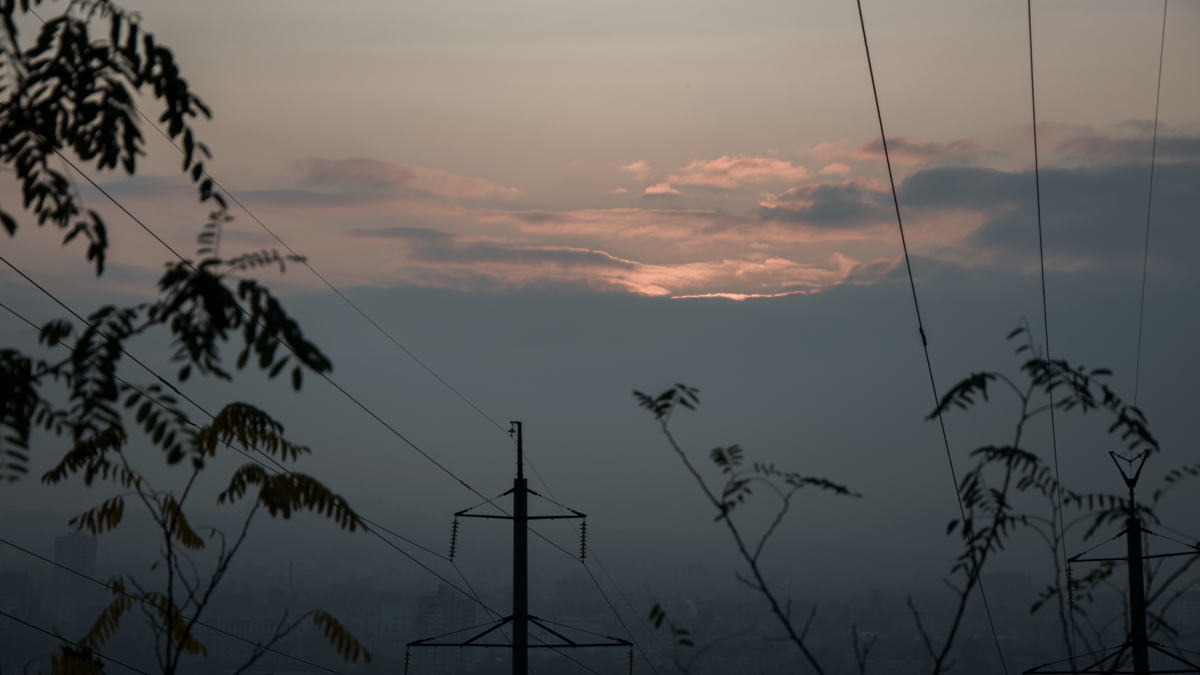
There is a specific quality to the light in Bucharest in September. It hangs heavy and golden over the Belle Époque facades, catching the dust motes dancing above the cobblestones of Lipscani before settling into the cool shadows of the Old Town. If you are arriving now, you have timed it perfectly. The city has just shaken off the summer heat, the schools have reopened, and the cultural pulse is at its fastest. But beneath the warmth, there is a rhythm you need to understand before you unpack your bags. This is not just a stopover; it is a place that demands you slow down, navigate carefully, and look closer.
The Rhythm of Arrival: When and How Long
Early to mid-September is arguably the sweet spot for a first visit. The weather is mild—currently hovering around 15–20°C with those sudden, refreshing thunderstorms that wash the streets clean. You will find terraces still bustling into the warm evenings, but without the July crowds. For how long? Give yourself at least four or five days. Two days is enough to see the Palace of the Parliament and drink too much coffee; five days allows you to actually live here. Stay long enough to take the train to the Southern Carpathians for a day hike in Sinaia, and long enough to wander through Delta Văcărești, one of Europe’s few natural wetland parks inside a capital.
If you are drawn to the arts, check the calendar. The Romanian Athenaeum is currently hosting the George Enescu International Competition, filling the halls with violin and cello recitals, many open to the public for free. Or perhaps you prefer visual art; the National Museum of Art is closing out the “Cotoșman & co” retrospective, while the new Art Safari season opens soon in Piața Amzei. The city is dense with programming right now.
Navigating the Concrete Jungle
Bucharest is a city of contrasts, and getting around requires a bit of local savvy. The metro is iconic, but be aware: Metrorex is currently facing a funding crisis. As of mid-September, there have been warnings about driver shortages, meaning fewer trains than usual on busy lines like M2. Do not panic, but do expect slightly longer waits. Buy an Activ or Multiplu card immediately upon arrival. A single integrated fare for metro, bus, or tram is roughly 7 lei (about $1.5). If you plan to move around heavily, the monthly pass is 160 lei (around $35), though tourists might prefer the 24-hour (20 lei) or 72-hour (40 lei) passes.
For surface transport, STB runs the buses and trams. If you land at Henri Coandă Airport, the Express Bus 100 is your best bet to reach the center. The M6 metro line to the airport is under construction, so avoid relying on rail for that final leg until it opens.
Safety is generally good, but watch your wallet. The Old Town is beautiful but notorious for “clip-joint” bars where bills can be inflated if you sit at a table without checking prices first. Stick to well-reviewed spots like Caru’ cu Bere for atmosphere or Nor Sky for modern views. Never hail a street taxi. Use Bolt or Uber exclusively. It is safer, cheaper, and saves you from the hassle of unlicensed drivers.
Where to Base Yourself
Your choice of neighborhood sets the tone for your trip. If you want energy, stay in Centrul Vechi (Old Town). The pedestrianized core between Piața Universității and Piața Unirii is alive with music and movement. Walk Strada Șelari to hear jazz spill out from historic cellars. But be warned: it gets loud.
For a more refined experience, look to Dorobanți or Floreasca. This is the leafy, diplomatic quarter. Embassies line the streets, and you will find the city’s best restaurant scene here, including Kaiamo and Kali. It is quieter, greener, and perfect for evening strolls in Floreasca Park. If you prefer quiet villas and history, Cotroceni is genteel and home to the Presidential Palace and the Botanical Garden. For the younger crowd or tech workers, the Grozăvești area near Politehnica University offers cheap bars and the legendary Control Club for techno nights.
Eating Like a Local
Romanian food is hearty, peasant-rooted, and deeply satisfying. You do not need to spend much to eat well. A bowl of ciorbă (sour soup) costs about 19–27 lei ($5). A portion of mici (grilled minced meat sausages) with mustard and bread is roughly 25–30 lei ($6). If you are hungry, get a large shaorma from a street vendor; a plate is 40–50 lei ($6) and will keep you full until dinner. Sarmale (stuffed cabbage rolls) run about 44 lei ($10).
Coffee culture is serious here. A cappuccino at a café like Saint Roastery Victoriei or Aerium Coffee Shop will cost you 10–15 lei ($2.7). Bread is cheap—a loaf is about 6 lei ($1.3)—and covrigi (pretzels) are a 5 lei ($1.1) snack found on every corner. Renting a modest one-bedroom flat for a month averages 2,500 lei ($540), making long-term stays affordable, though prices have risen sharply since late 2025.
Essentials and Etiquette
You enter visa-free under the Schengen rules (air/sea entry began in March 2024). Keep your passport handy. If you plan to work or study, you will need a Type D visa and eventually a CNP (personal numeric code) for banking. Major banks like BCR and ING Bank serve English speakers, but opening an account requires proof of address and your CNP. Get a prepaid SIM from Orange, Vodafone, or Digi; by law, you must register it with your passport.
Finally, speak slowly. Romanians are proud of their language, which is Latin in a sea of Slavic tongues. Locals appreciate effort, even if your accent is thick. And when you walk down Calea Victoriei on a weekend, you might find it closed for “Străzi Deschise” (Open Streets), a chance to breathe in the city’s heart without cars. Romania is not polished like Paris, but it is authentic, resilient, and endlessly fascinating. Come for the architecture, stay for the soul.
Frequently asked questions
Is Bucharest safe for tourists?
Yes, Bucharest is generally safe. The main risks are inflated bills in certain Old Town bars and pickpocketing on crowded trams. Always use ride-hailing apps like Bolt instead of hailing street taxis.
How much does a meal cost in Bucharest?
Street food is very affordable; a shaorma is 25–50 lei ($6), and a bowl of ciorbă is about 20–27 lei ($5). A mid-range restaurant meal costs around 60 lei ($13).
Do I need a visa for Romania?
Most Western visitors enter visa-free under the Schengen 90/180 rule. However, Romania joined Schengen for air and sea travel in March 2024, so check current border regulations before departure.
How do I get from the airport to the city center?
Take the Express Bus 100 from Henri Coandă Airport to the city center. The M6 metro line is currently under construction and not yet operational for this route.
What is the best time to visit Bucharest?
Early to mid-September offers mild weather (15–20°C) and a vibrant cultural season with festivals and concerts, avoiding the peak summer heat and crowds.
Things to do in Romania
 Bucovina Painted Monasteries Day Tour
 Timisoara All in One - Walking and Tram Tour
 Half-Day Private Food and Wine Walking Tour Oradea Romania
 Private Day Trip from Bucharest: Dracula’s Castle, Peles & Brasov
 Private Walking Tour: Essential Bucharest + Hidden Gems
 Bran (Dracula) Castle, Bear Sanctuary, Rasnov Fortress & Palinca Distillery