

The best time to visit India
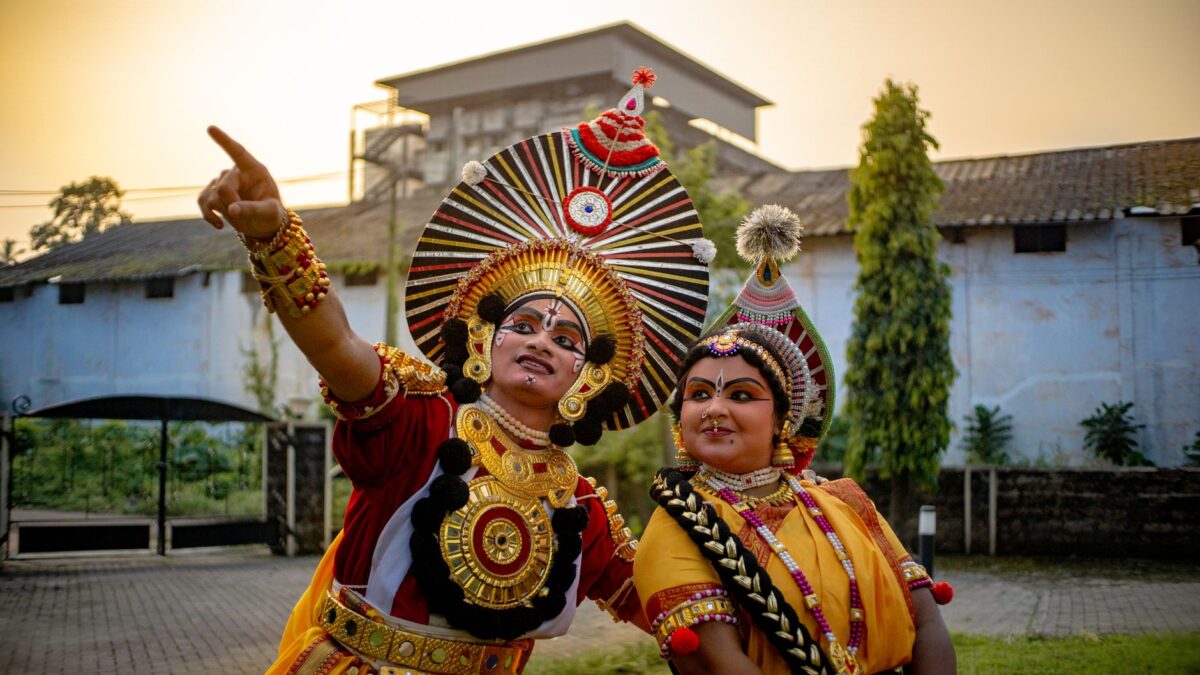
Imagine standing in the shadow of the Red Fort as the sun begins to dip, the air thick with the scent of wet earth and frying samosas. It is mid-September, and Delhi is holding its breath between two extremes: the lingering humidity of the monsoon and the electric buzz of impending festivals. If you are planning your first trip to India, or returning after a decade, knowing when to go is the single most important decision you will make. The country does not follow a simple ‘high season’ rule; it follows the rhythm of the seasons, which shift dramatically from the Himalayan north to the tropical south. Here is how to navigate the calendar, using Delhi—the gateway to the Golden Triangle—as our anchor.
The Winter Window: October to March
This is, without question, the best time to visit most of India. The scorching heat of summer has broken, and the winter chill has not yet set in fully. In Delhi, temperatures settle into a comfortable range, making walking tours through Lutyens’ Delhi or Old Delhi genuinely pleasant. You can wander through Chandni Chowk, inhaling the spice-laden air at Khari Baoli, without feeling like you are melting.
Crowds: This is peak tourist season. Popular sites like the Taj Mahal in Agra and the forts of Jaipur will be bustling. Book accommodations early, especially around Christmas and New Year’s.
Prices: Expect higher rates for flights and hotels. However, daily costs remain low. A modest meal at an inexpensive local place, such as a veg thali, runs about ₹120 (roughly $1.4). Even a mid-range dinner might cost ₹500–₹1,000 ($9). Public transport is incredibly cheap; a short ride on the Delhi Metro costs just ₹11, with the network maxing out at around ₹64 ($0.1).
Festivals: Diwali (the Festival of Lights) usually falls in October or November. The city glows with lamps, fireworks, and sweets. Holi, the vibrant festival of colors, typically occurs in March. It is chaotic, joyful, and unforgettable, though travel logistics can be tricky during the holiday week.
The months of April and May are brutally hot in the north, with temperatures often exceeding 40°C (104°F). Most locals retreat indoors or head to the hills. However, if you are willing to brave the heat, this is the cheapest time to travel, and crowds thin out significantly. Conversely, September and October mark the transition. The rains recede, leaving the landscape lush and green, but the air remains sticky.
Weather & Feel: In mid-September, you might experience thunderstorms and heavy humidity, as seen in recent forecasts where highs feel like 38°C. Yet, there is a unique energy. The city shifts into festive gear almost overnight.
Festivals: Early autumn brings Ganeshotsav. Across Delhi-NCR, elaborate pandals (temporary structures) go up. For instance, the 25th Delhi ka Maharaja Ganesh Mahotsav at Laxmi Nagar features massive idols and cultural events. If you are in Delhi around September 14–24, you can witness these celebrations, which blend religious devotion with street art and community feasting.
Practical Tip: Be aware that major international summits can disrupt travel. For example, large-scale events like the BRICS Summit have previously led to traffic diversions, closed metro stations, and temporary closures of key sites like the Rashtrapati Bhavan Museum. Always check current news before booking around major political dates.
The Monsoon: June to September
The monsoon brings relief from the heat but introduces its own challenges. Rainfall can be intense, sometimes causing flooding in low-lying areas. However, the greenery is spectacular, and the price of travel drops.
Weather: Expect high humidity and sporadic, heavy downpours. In Delhi, rain over 12 hours is common. Carry waterproof gear and plan indoor activities.
Crowds & Prices: Fewer tourists mean better deals on hotels. Street food prices may see slight increases due to supply chain issues, but a plate of chole bhature still costs around ₹80–₹150 ($1.4), and golgappa (pani puri) remains a steal at ₹30–₹40 for six pieces.
Safety Note: During the monsoon, be cautious of construction zones. Recent incidents, such as building collapses in residential areas, have led to stricter enforcement and sealing of unsafe structures. Stick to reputable accommodations and avoid unauthorized construction sites.
Practicalities: Money, Transit, and Staying Safe
India is affordable, but you need to know how to navigate its systems. The currency is the Indian Rupee (INR). As of recent data, inflation hovers around 2.4%, and the exchange rate is approximately 83.67 INR per US Dollar.
- Transport: The Delhi Metro is your best friend. It is clean, efficient, and covers ~390 km. Get a DMRC Smart Card for a 10% discount, or use mobile QR tickets via apps like Paytm or PhonePe. The first coach of every train is reserved for women. For shorter hops, auto-rickshaws are plentiful; ensure they use the meter or agree on a fare beforehand. An average ride might cost ₹150–₹200.
- Dining: Food is cheap and delicious. A cup of local chai costs about ₹15, while a cappuccino at a specialty cafe like Third Wave Coffee might be ₹190–₹280. For a full street-food crawl in Chandni Chowk, budget ₹300–₹600 per person.
- Visas: Most visitors apply for an e-Tourist Visa online. Ensure your details match your passport exactly. Long-term visas require registration with the FRRO within 14 days of arrival.
- Safety: Use app-based cabs (Uber/Ola) rather than unmarked taxis. Keep emergency number 112 handy. Women travelers should utilize the women-only metro coaches and be cautious in crowded areas like Paharganj.
Ultimately, the ‘best’ time depends on what you seek. Do you want crisp weather and festivals? Aim for October-November. Do you want fewer crowds and lower prices? Consider the shoulder months. India is vast, diverse, and endlessly engaging—there is no wrong time to visit, only different experiences waiting for you.
Frequently asked questions
What is the best month to visit India for good weather?
October to March is generally considered the best time, offering pleasant temperatures across most regions. Delhi and the North are particularly comfortable during this window.
How much does street food cost in India?
Street food is very affordable. A plate of chole bhature costs around ₹80–₹150 ($1.4), and a serving of golgappa (6 pieces) is roughly ₹30–₹40 ($0.4).
Is it safe to travel to India during the monsoon?
Yes, but be prepared for heavy rain and humidity. Flooding can occur, so check local forecasts. Recent building safety concerns mean sticking to verified accommodations is wise.
Do I need a visa to enter India?
Most tourists require an e-Tourist Visa applied for online at indianvisaonline.gov.in. Processing times vary, so apply well in advance of your trip.
What is the cost of public transport in Delhi?
The Delhi Metro is economical, with fares ranging from ₹11 to ₹64 ($0.1). Auto-rickshaw rides typically cost ₹150–₹200 depending on distance.
Things to do in India
 From Delhi: Taj Mahal & Agra Private Day tour by Car with 5* Meal
 The Chef @ 11:30 am (4 Main Dishes + 3 Breads)
 6-Day Private Tour of the Golden Triangle
 Private Guided Cooking Workshop Experience in Jodhphur
 Golden Triangle Tour: Private Delhi Agra Jaipur 5 Nights 6 Days
 3 Day Private Golden Triangle Tour Delhi Agra Jaipur