

Tanzania in September 2026: what travelers should know now
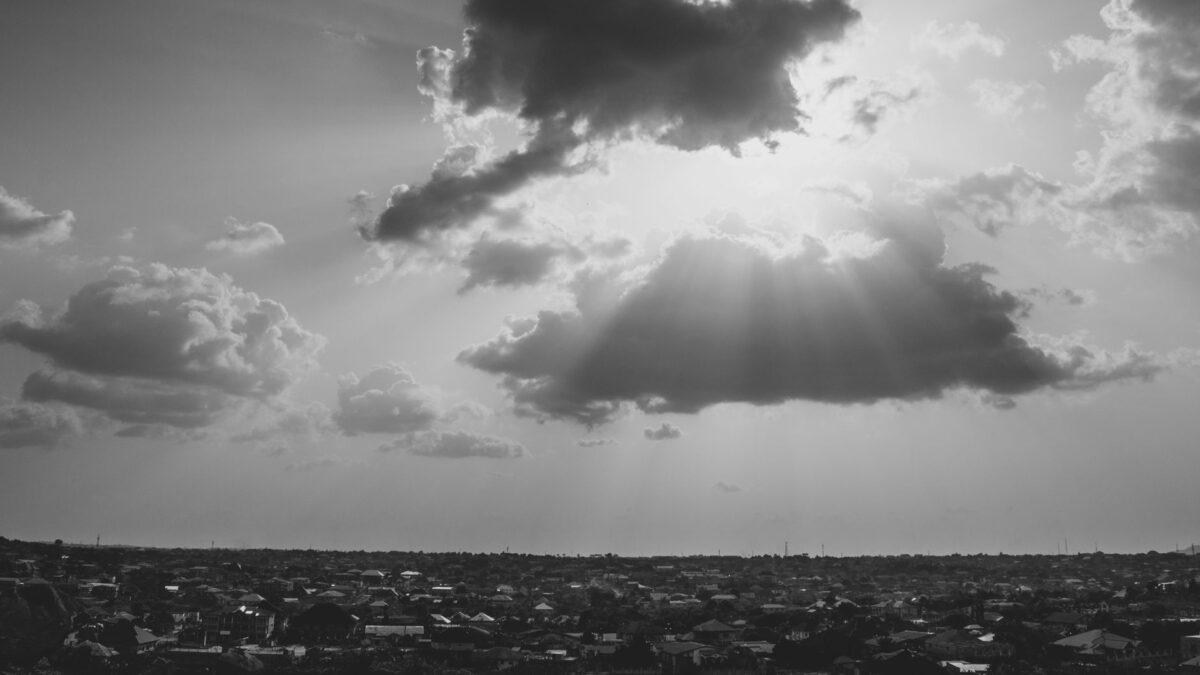
September in Dodoma feels like the world is holding its breath. The long dry season is finally exhaling, leaving behind a landscape of parched acacia savanna and dust that coats your boots before you’ve even left the airport. As of mid-September 2026, the air is hazy, the wind carries grit from the plains, and water tanks are running low across the city. But there is a quiet energy here, too. With the new government quarter rising around Mtumba and the capital’s infrastructure shifting under our feet, Dodoma feels less like a temporary administrative hub and more like a city claiming its own identity. If you are arriving now, you are stepping into a moment of transition—hot, dusty, but undeniably alive.
The Season: Dry Heat and El Niño Shadows
Right now, Dodoma is in the tail end of the dry season. You can expect temperatures hovering between 17°C at night and 29°C during the day, often under an overcast sky that traps the heat. The days are long, with light lasting from roughly 06:30 to 18:34, giving you plenty of time to explore before the sun beats down too hard. Because the rains have not yet come, the roads are dusty and the water supply is tight. Authorities are currently ramping up sanitation inspections and drainage preparations in anticipation of the expected El Niño rains later this year. This means you might see ward officers checking streets for cleanliness more frequently than usual, as the old Saturday “cleanliness day” has been scrapped to allow shops to open earlier and improve daily hygiene standards ahead of the floods.
Pack accordingly: lightweight, breathable cotton or linen for the day, and a light jacket for the cooler evenings. Dust is inevitable, so bring a scarf or mask if you have sensitive lungs, and ensure your luggage is sealed well against the grit. Hydration is non-negotiable; carry water at all times, as public taps may be unreliable in some areas due to the seasonal drawdown.
What’s Happening Now: Infrastructure and Local News
This month, the biggest news in Dodoma is the expansion of the government city. On September 8, President Samia Suluhu Hassan inaugurated the second phase of the Mtumba Government City, featuring 26 new ministry buildings and 57.1km of fresh paved roads. The event was marked by fireworks at Mtumba Centre, signaling that the capital’s shift from Dar es Salaam is accelerating. For travelers, this means more construction activity and potentially heavier traffic on routes leading toward the government quarter, but also a modernizing urban landscape.
In terms of transport, the new Msalato International Airport is in its final stages of completion, with runway and terminal work wrapping up. While it is not yet fully operational for commercial international flights, its imminent opening signals a major shift in how visitors might access the capital in the near future. Meanwhile, the Standard Gauge Railway (SGR) between Dar es Salaam and Dodoma has increased services to 14 trips weekly due to high demand, making train travel a more viable option for those moving between the coast and the capital.
On a somber note, safety remains generally good, but vigilance is advised. A recent collision on the Singida road highlighted the risks of long-distance bus travel, and authorities have emphasized strict immigration checks. Ensure your eVisa and registration papers are readily available, as police checks are common and unforgiving for those without proper documentation.
Costs and Economy: Budgeting for September
Dodoma remains significantly cheaper than Dar es Salaam, with price levels roughly a third of what you would pay in the coastal city. As of early September 2026, the Tanzanian shilling (TZS) trades at approximately 2,598 per US dollar. Inflation is steady at 3.3%, keeping daily costs predictable for budget-conscious travelers.
- Accommodation: A night in a budget guesthouse or lodge runs about 30,000–40,000 TZS ($13). Mid-range hotels, such as those in Area D, cost around 80,000–120,000 TZS ($40) per night. Modest one-bedroom rentals outside the center are available for 199,000–253,000 TZS ($85) monthly.
- Food: An inexpensive local meal, like ugali and vegetables, costs about 7,000–12,000 TZS ($4). A three-course meal at a mid-range restaurant for two is roughly 50,000–100,000 TZS ($29). Coffee lovers will find cappuccinos averaging 5,000 TZS ($1.9).
- Essentials: Basic groceries are affordable; a liter of milk is around 2,250–3,500 TZS ($1.1), and a loaf of white bread is about 2,000 TZS ($0.8). Domestic draft beer, such as Safari or Kilimanjaro, costs 2,000–3,000 TZS ($1.0) per half-liter.
Cash is king in the markets, though mobile money (M-Pesa via Vodacom or Airtel/Tigo) is widely accepted even for small transactions. Carry small denominations of TZS for daladala buses and street vendors, as change can be scarce.
Where to Go and What to See
With the dry weather, Dodoma’s landmarks are best visited in the early morning or late afternoon to avoid the peak heat. Start at Nyerere Square, the heart of the city, where hawkers sell Maasai beadwork and wood carvings under the shade of trees. Nearby, the Gaddafi Mosque dominates the skyline with its pink and white domes; climbing its minaret offers panoramic views of the sprawling city.
For a deeper dive into local life, head to Majengo, the old market district. Here, you will find bustling stalls selling spices, textiles, and fresh produce, alongside small eateries serving chapati and chai. If you prefer a quieter vibe, walk through Area D, the upscale residential zone where cafés like Bao Café and Mima Cafe offer respite from the dust. Don’t miss the Museum of Geosciences opposite the post office for a quick look at Tanzania’s mineral wealth, or hike up Lion Rock (Simba Hill) for a sunset view that stretches across the horizon.
If you have time for a day trip, Lake Hombolo is just outside the city, home to flamingos and pelicans. For wildlife enthusiasts, the nearby Tarangire National Park to the north or Ruaha to the south are accessible drives, though September is hot—start early to spot elephants and other animals before they retreat to the shade.
Practical Tips for Arriving This Month
Visas and Entry: Most visitors need an eVisa applied for online at visa.immigration.go.tz, costing about $50 for single entry. Visa-on-arrival is available at major airports, but Dodoma is primarily a domestic hub, so most international travelers arrive via Julius Nyerere International Airport in Dar es Salaam. Ensure your passport is valid for at least six months, and carry a yellow-fever certificate if arriving from an endemic country.
Connectivity: Buy a local SIM card from Vodacom, Airtel, Tigo, or Halotel upon arrival. Registration requires your passport, and these networks provide reliable coverage throughout Dodoma. Mobile money is essential for daily transactions, so set up M-Pesa or Airtel Money immediately.
Transport: There is no city transit card. Use cash-fare daladalas (minibuses), bajaji tuk-tuks, or taxis. For intercity travel, the SGR train is efficient and comfortable, taking about 3–4 hours to Dar es Salaam. If you choose to fly, keep an eye on the Msalato Airport opening for future convenience.
Safety: Dodoma is calm and low-crime compared to larger cities, but power and water cuts can occur. Keep copies of your immigration documents handy, as checks are frequent. Respect local customs, especially in religious sites, and be mindful of the dust and heat to stay healthy.
Frequently asked questions
What is the weather like in Dodoma in September 2026?
September marks the tail end of the dry season with temperatures ranging from 17°C to 29°C. It is hot, hazy, and dusty with strong winds, so pack light clothing and prepare for limited water availability.
How much does a meal cost in Dodoma right now?
An inexpensive local meal costs about 7,000–12,000 TZS ($4), while a mid-range restaurant meal for two is around 50,000–100,000 TZS ($29). Prices are generally lower than in Dar es Salaam.
Do I need a visa to enter Tanzania in September 2026?
Most visitors require an eVisa obtained online at visa.immigration.go.tz for about $50. Ensure your passport is valid for 6+ months and carry a yellow-fever certificate if arriving from an endemic region.
Is it safe to travel in Dodoma this month?
Dodoma is generally safe with low crime rates, but exercise caution regarding road accidents and occasional power/water cuts. Always carry copies of your immigration documents for police checks.
How do I get around Dodoma without a car?
Use cash-fare daladala minibuses, bajaji tuk-tuks, or taxis. There is no transit card, so carry small TZS notes. For longer trips, the SGR train connects to Dar es Salaam efficiently.


