

A week in New Delhi on a mid-range budget
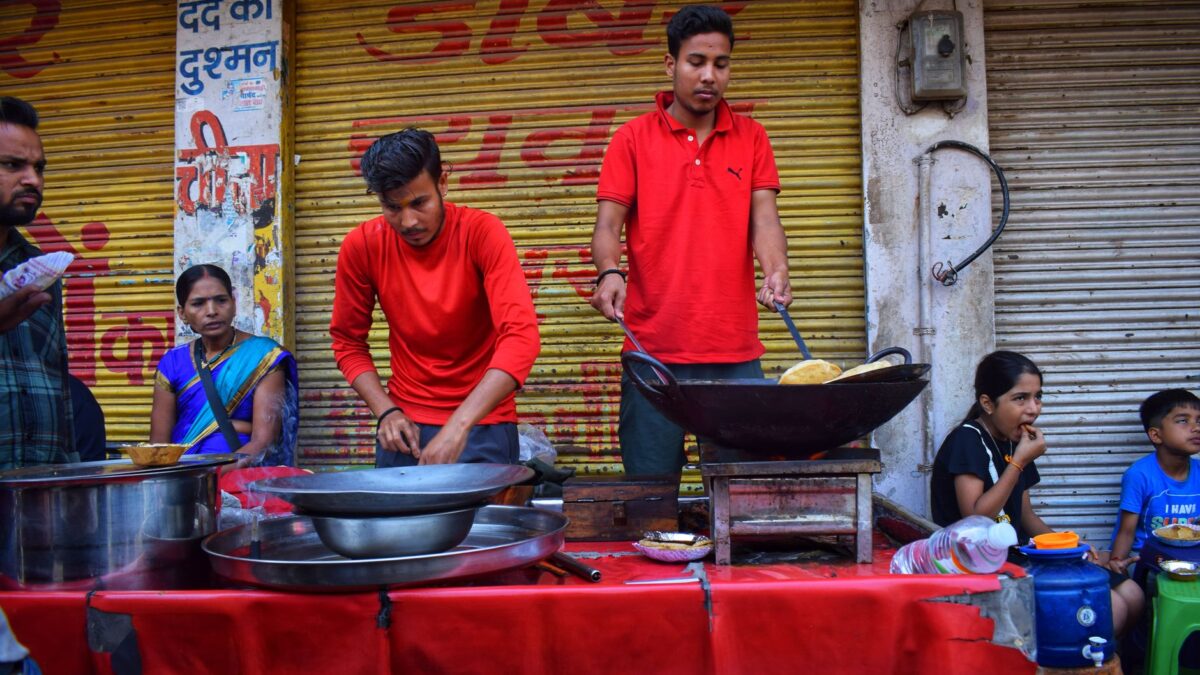
The air in Delhi doesn’t just sit; it presses. By mid-September, the monsoon has given up its ghost, leaving behind a humidity that feels like a warm, wet towel draped over your shoulders. The thermometer reads 35°C, but with the ‘feels like’ index pushing toward 42°C, you quickly learn that survival is less about endurance and more about rhythm. You are in the National Capital Territory, a city of eight historic layers where the Mughal grandeur of Old Delhi rubs shoulders with the Lutyens’ bureaucracy of New Delhi. If you are planning a week here on a mid-range budget, you will find that Delhi rewards the curious with incredible value, provided you know how to navigate its chaotic, festive, and fiercely affordable streets.
Day 1: Settling into Connaught Place
Your week begins in the geometric heart of the city: Connaught Place (CP). This colonial-era Georgian colonnade is not just a commercial hub; it is the city’s geographic anchor. For accommodation, look for heritage properties or boutique hotels in the surrounding lanes. While a modest one-bedroom flat rents for around ₹24,000 monthly if you were staying long-term, a traveler can find comfortable stays at places like Hotel Vedas Heritage or Hotel Palm View for a nightly rate that typically lands between ₹2,500 and ₹4,000 ($30–$48).
Once checked in, resist the urge to dine in the polished restaurants immediately. Instead, head to Gulati Restaurant on Pandara Road, a local favorite known for its no-frills efficiency. Order a veg thali. In Delhi, a thali—a platter with rice, dal, seasonal vegetables, roti, and pickle—is the ultimate budget hack. It costs about ₹120 ($1.4) and feeds you for hours. Afterward, walk off the meal through the CP arcades. Grab a chai from Cha Bar for just ₹15. The cost of living here is deceptively low; even a cappuccino at a specialty spot like Third Wave Coffee runs only ₹190 ($2.3), making caffeine an affordable luxury.
Day 2: The Metro Backbone and Street Food Crawl
To see Delhi, you must ride the Delhi Metro (DMRC). It is the city’s lifeline, running from roughly 06:00 to 23:00 across nine color-coded lines. For a tourist, the smartest move is buying a 3-day tourist card for ₹500 ($6). It saves time and money compared to single token rides, which start at ₹11 for short hops and max out at ₹64. If you are traveling off-peak (before 08:00 or after 21:00), use the MJQRT feature on apps like Paytm or PhonePe for a 20% discount.
Take the Yellow Line north to Chandni Chowk. Here, you enter Shahjahanabad, the Mughal walled city. The sensory overload is immediate. Your mission is a food crawl. Head straight to Kwality or any busy stall in the narrow lanes for chole bhature—Delhi’s signature spicy chickpea curry with fried bread. A plate costs ₹80–₹150 ($1–$1.8). Follow it with golgappa (pani puri); six pieces run ₹30–₹40 ($0.4). A full day of street eating across several stops will set you back roughly ₹300–₹600 ($3.6–$7.2). It is cheap, hygienic if you stick to busy stalls, and unforgettable.
Day 3: Lutyens’ Delhi and Festive Lights
2026 has brought specific events to the capital. Mid-September marks the beginning of Ganeshotsav, with pandals appearing across neighborhoods like Lal Bag Ka Raja in Pitampura. However, for a first-timer, focus on the imperial core. Walk from India Gate to the National War Memorial. These Lutyens’ avenues are wide, tree-lined, and designed to impress. The light-and-sound show at Rashtrapati Bhavan is usually a highlight, though check current schedules as security protocols shift frequently.
Lunch here is pricier. A mid-range restaurant near Khan Market or CP will charge ₹500–₹1,000 ($6–$12) per person. Consider a meal at Diggin Cafe or Somewhere Delhi for a relaxed atmosphere. If you want a drink, a domestic pint of beer at a restaurant averages ₹220 ($2.6). Be aware that gas-driven street food prices have crept up by ₹10–₹25 per item in 2026, so adjust your street-food budget slightly upward from historical norms.
Day 4: Heritage South and Arts
Cross the Yamuna River to South Delhi. Visit Hauz Khas Village, where 14th-century Tughlaq ruins sit beside trendy boutiques and rooftop bars. The Deer Park nearby is home to chital (spotted deer) and peacocks, offering a rare moment of nature within the urban sprawl. Lunch here is gentrified; expect to pay ₹600–₹800 ($7–$9.5) for a meal at a place like Seven Seeds Coffee or a nearby bistro.
In the evening, check the schedule for the India Habitat Centre Theatre Festival. Running from September 18–27, it features productions in Hindi, English, Tamil, and Punjabi. Tickets range from ₹200 to ₹500 ($2.4–$6). This is a high-value cultural experience. If you prefer spiritual ambiance, the Thursday evening qawwali at Hazrat Nizamuddin Dargah is a classic ritual, though entry is free and donations are voluntary.
Day 5: Monuments and Modernity
Start early at Humayun’s Tomb and the adjacent Sunder Nursery. The restored garden is a favorite morning-walk spot, cooler than the midday sun. Entry is nominal. Next, head to Akshardham Temple or the Lotus Temple. Both are free to enter, though you must pass through strict security. Akshardham’s water show is particularly stunning.
For dinner, try Cafe De Flora or Hotel Green Castle for a mix of ambiance and quality. If you are feeling adventurous, take an auto-rickshaw to Old Delhi again for night views of Jama Masjid. Remember, auto-rickshaw fares start at ₹25 minimum, then roughly ₹11/km. App-based cabs like Ola or Uber average ₹150–₹200 ($1.8–$2.4) for typical intra-city trips and are safer for tourists unfamiliar with negotiation.
Practicalities: Money, Safety, and Logistics
Visa & Registration: Most visitors use the Indian e-Visa. Note that under the Immigration and Foreigners Act, 2025, foreigners on long-term visas must register with the FRRO within 14 days. Short-term tourists do not need this.
Banking & SIM: Opening a bank account requires a PAN card and long-term visa, which tourists rarely have. Use cards or UPI-linked international cards where accepted. For connectivity, buy a prepaid SIM from Jio or Airtel at their branded stores; you’ll need your passport and visa. Activation takes up to 24 hours.
Safety: Delhi Police runs a Tourist Police unit. Use the emergency number 112. Women should utilize the women-only metro coaches and reserved seating. Be wary of touts near New Delhi Railway Station. Overall, the city is vibrant but demands situational awareness.
Weather Note: With feels-like temperatures hitting 42°C, hydrate constantly. Carry cash for small vendors who may not accept digital payments, though QR codes are ubiquitous in metros and malls.
Frequently asked questions
How much does a daily budget look like in New Delhi?
A mid-range traveler can expect to spend roughly ₹1,500–₹2,500 ($18–$30) per day, covering modest accommodation, three meals including street food, and metro travel.
Is the Delhi Metro safe and easy for tourists?
Yes, the DMRC is clean, air-conditioned, and has women-only first coaches. Tourists can buy a 3-day card for ₹500 or use mobile QR tickets via apps like Paytm for convenience.
What is the best way to pay for things in Delhi?
Cash is still king for street vendors and small shops, but UPI QR codes are widely accepted in cafes, malls, and taxis. Credit cards work in most mid-range restaurants.
Are there any major closures or events in September 2026?
Be aware that the BRICS Summit in early September caused temporary closures of sites like the Delhi Metro Museum and Rashtrapati Bhavan gardens. Ganeshotsav pandals open mid-month, adding festive crowds.
Things to do in India
 Taj Mahal and Agra Private Car Day Tour from Delhi with 5* Lunch
 The Chef @ 11:30 am (4 Main Dishes + 3 Breads)
 6-Day Private Tour of the Golden Triangle
 Private Guided Cooking Workshop Experience in Jodhphur
 Golden Triangle Tour: Private Delhi Agra Jaipur 5 Nights 6 Days
 3 Day Private Golden Triangle Tour Delhi Agra Jaipur