

What to eat in Spain — and what it costs
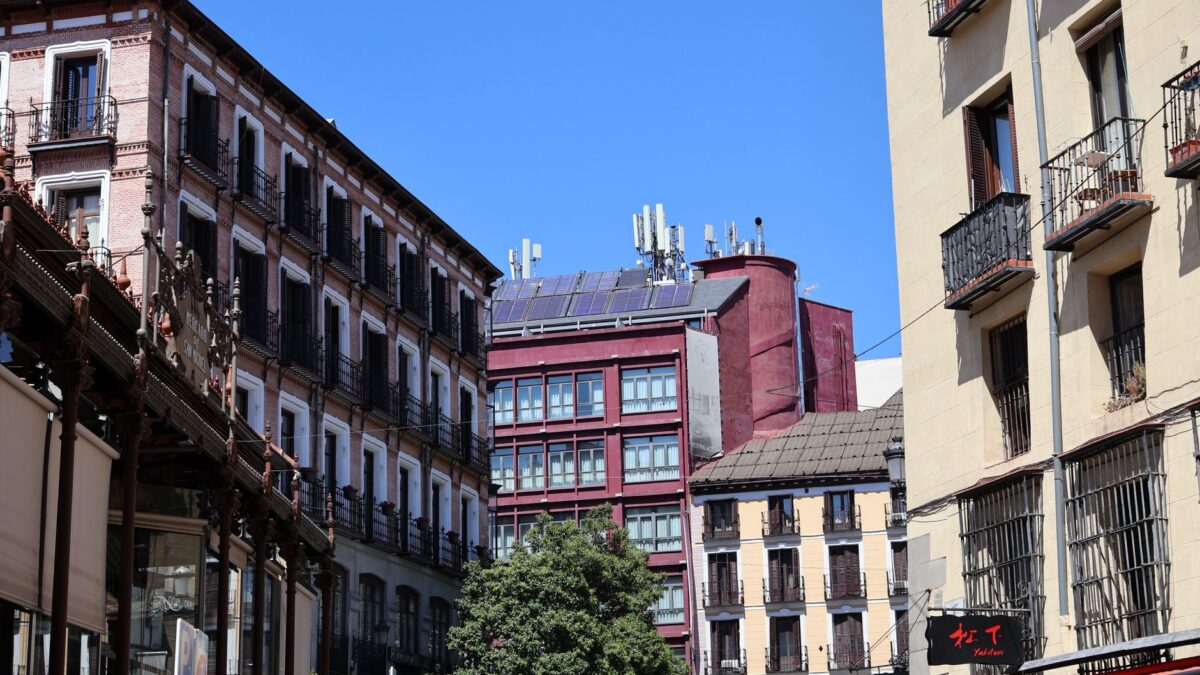
Madrid in mid-September hits a sweet spot. The summer heat has broken, leaving those crisp, golden afternoons where the sky is that specific shade of blue you only see when the air is clean and the city is awake. It’s the ‘rentrée’—the return to normalcy. The terraces are packed, the cultural calendar is exploding with everything from the 35th Festival de Cine de Madrid to the HONDO flamenco festival at Príncipe Pío, and the food scene is buzzing with energy. But let’s be honest: eating well here shouldn’t feel like a financial gamble. I’ve lived here long enough to know exactly where the value hides and where the tourist traps drain your wallet.
The Street Food Essentials: Quick, Cheap, and Iconic
You cannot come to Madrid and leave without trying the bocadillo de calamares. It is not just a sandwich; it is a rite of passage. You will find the definitive version at La Bocacalle, tucked away near Plaza Mayor. It looks unassuming—a small hole in the wall—but the squid rings are fried to order, served on a crusty baguette with nothing but a squeeze of lemon. It costs around €4–5, which is incredibly cheap for what you get. Pair this with a coffee or a beer, and you have a lunch that won’t break the bank.
If you need something sweeter, skip the fancy patisseries and head to Chocolatería San Ginés, open 24 hours near the Royal Palace. Yes, it is crowded with tourists, but the churros con chocolate are consistently excellent. A portion runs about €3–4. The chocolate is thick, dark, and warm—perfect for dipping. It is a classic for a reason, and at that price, it is hard to beat.
Lunch Like a Local: The Menú del Día
In Spain, lunch is the main event, but it doesn’t have to cost a fortune. The secret weapon is the menú del día. This is a fixed-price menu available Monday through Friday, typically between 1:00 PM and 3:00 PM. For roughly €12–15 (averaging around €14.80 across the city), you get a starter, a main course, bread, a drink (water, wine, or soda), and often dessert or coffee.
To find a good one, look for places in the business districts like Gran Vía or near the Prado Museum during weekdays. Rosi La Loca in the Sol/Centro area is a fantastic example of a spot that balances quality with reasonable pricing, though prices can creep toward the higher end of that range depending on the season. Avoid restaurants right next to major tourist sites if you want the true local experience; instead, wander into side streets in Malasaña or Chamberí. There, you will find authentic spots where Madrileños go for their daily reprieve. If you stick to this habit, you can eat very well for less than €15 a day.
Dinner and Drinks: Mid-Range Gems
When evening falls, the vibe shifts. Dinner in Madrid starts late—usually after 9:00 PM. For a sit-down meal at a mid-range restaurant, expect to pay around €25–40 per person if you are ordering à la carte. This gets you a nice appetizer, a solid main, and a couple of drinks.
I recommend exploring the Hotel Tapa Tour routes if you want to sample high-quality tapas in a more upscale setting. This annual event (currently running through late September) highlights 29 four- and five-star hotels offering curated tapas menus. While individual items might be pricier, the quality is guaranteed, and it is a great way to explore neighborhoods like Salamanca or Retiro. For a more casual night out, head to La Latina, specifically Cava Baja street. Here, you can hop from bar to bar, ordering small plates. Gloria Bendita is a historic favorite known for its traditional Spanish dishes and lively atmosphere. Expect to spend around €3–4 per tapa, so a few rounds will add up, but the experience is worth it.
For drinks, a caña (small draft beer) costs about €2.50–4, and a cup of coffee at a local café is roughly €1.50–2.50. If you are visiting during the Mercedes-Benz Fashion Week Madrid or other major events, prices in central areas may spike slightly, but sticking to neighborhood bars keeps costs predictable.
Budgeting Your Days: Beyond the Plate
Food is only part of the equation. Madrid is surprisingly affordable if you use its infrastructure wisely. Public transport is heavily subsidized. A single Metro or bus ride in Zone A is €1.50. If you are moving around a lot, buy a Tarjeta Multi (€2.50 to purchase) loaded with a 10-ride ticket for about €7.30. It is shareable among friends, which makes group travel cheaper. For longer stays, the monthly Abono pass for Zone A is €32.70, an incredible value that covers unlimited travel.
Accommodation, however, is where costs rise. Rents in Madrid are at record highs, with a modest one-bedroom flat in the center costing €1,300–1,365 per month. As a traveler, you will pay more per night, so budget accordingly. However, the cost of living for locals remains manageable thanks to these transit subsidies and the ubiquity of the menú del día.
Where to Eat: Specific Recommendations by District
- Sol / Centro: Best for quick bites and iconic sights. Grab a bocadillo at La Bocacalle and walk off dinner at Mercado de San Miguel (note: this is a gourmet market, so prices are higher, around €10–15 per dish, but great for sampling).
- Malasaña: The cool, indie heart of Madrid. Great for brunch and specialty coffee. Try Pascal Specialty Coffee & Brunch or Dale Café for a modern twist on local flavors. Prices are slightly higher here, reflecting the trendy vibe.
- La Latina: Tapas central. Spend your afternoon bar-hopping along Cava Baja. Gloria Bendita is a must-visit for traditional fare. The Sunday El Rastro flea market is also a great place to grab cheap street food.
- Chamberí: Where locals live. Calle Ponzano is a destination tapas street. Sala de Despiece offers a unique dining experience in a former butcher shop. Prices are fair, and the atmosphere is authentic.
- Lavapiés: Multicultural and vibrant. Great for diverse international cuisines alongside traditional Spanish spots. Mercado de San Fernando inside the district offers varied options at moderate prices.
Madrid rewards curiosity. Don’t just eat; explore the districts, talk to the locals, and enjoy the rhythm of the city. With a little planning, you can taste the best of Spain without spending a fortune.
Frequently asked questions
How much does a typical lunch cost in Madrid?
A typical lunch via the menú del día costs between €12 and €15, including a starter, main, drink, and dessert. This option is generally available Monday to Friday.
Where is the best place to try churros con chocolate in Madrid?
The most famous spot is Chocolatería San Ginés, located near the Royal Palace. A portion costs around €3–4 and is open 24 hours.
Is Madrid expensive for tourists compared to other European cities?
Madrid is mid-priced for Western Europe. While rents are high, daily costs like transit (€1.50 per ride) and meals (€12–15 for a menú) remain affordable.
What is the best district for tapas?
La Latina, specifically Cava Baja street, is the historic hub for tapas. Other great areas include Chamberí's Calle Ponzano and Lavapiés.
How much should I budget for dinner at a mid-range restaurant?
Expect to spend around €25–40 per person for a full meal à la carte, including appetizers, mains, and drinks.
Things to do in Spain
 Madrid Food Tour in a Neighborhood Market with Churros
 Private Tour With A Different Perspective of Alhambra
 RECREATIONAL DIVE (certified divers only) : Explore Canarian Sealife
 Likely to sell out
Montserrat Private Tour from Barcelona with Pick-up
Likely to sell out
Montserrat Private Tour from Barcelona with Pick-up
 Likely to sell out
90' Stand Up Paddle tour in a small group in Cala Ratjada
Likely to sell out
90' Stand Up Paddle tour in a small group in Cala Ratjada
 Canyoning Adventure Rio Verde in Granada