
What to eat in Iceland — and what it costs
Reykjavík in mid-September is a study in contrasts. The air turns crisp, hovering around 7–10°C with that characteristic light drizzle that makes you crave warmth, while the first dustings of snow begin to cling to the slopes of Mount Esjan. It is the perfect time to eat your way through Iceland before the long winter nights set in fully. As a local host, I often see visitors overwhelmed by the reputation of Icelandic food being either impossibly expensive or stuck in the past. The truth is far more nuanced: Reykjavík is one of Europe’s priciest capitals, but it is also home to some of the most honest, high-quality dining in the world. You just need to know where to look and what to expect.
The Street Food Essentials
If there is one ritual every visitor must participate in, it is the consumption of a pylsa (hot dog). This is not a joke; it is a culinary institution. Head straight to Bæjarins Beztu Pylsur, located right next to the iconic Hallgrímskirkja church. The queue is usually long, but it moves fast. Order yours “með öllu” (with everything)—that means raw onion, crispy fried onion, ketchup, remoulade, and their signature brown mustard. It costs about 600 ISK (roughly $4) and tastes like pure comfort. It is cheap, delicious, and deeply Icelandic.
For something slightly more substantial but still on the go, head to the Grandi district. Once an industrial dockland, it has transformed into a design and food hub. Here, you will find places like Icelandic Street Food or pop-ups near the Whales of Iceland museum. Expect to pay between 2,500 and 3,500 ISK (around $22) for a hearty meal from a food hall vendor like those at Hlemmur Mathöll or Grandi Mathöll. These are excellent value compared to sit-down restaurants, offering fresh fish, lamb burgers, or rye bread dishes without the premium price tag.
Traditional Dishes Worth Seeking Out
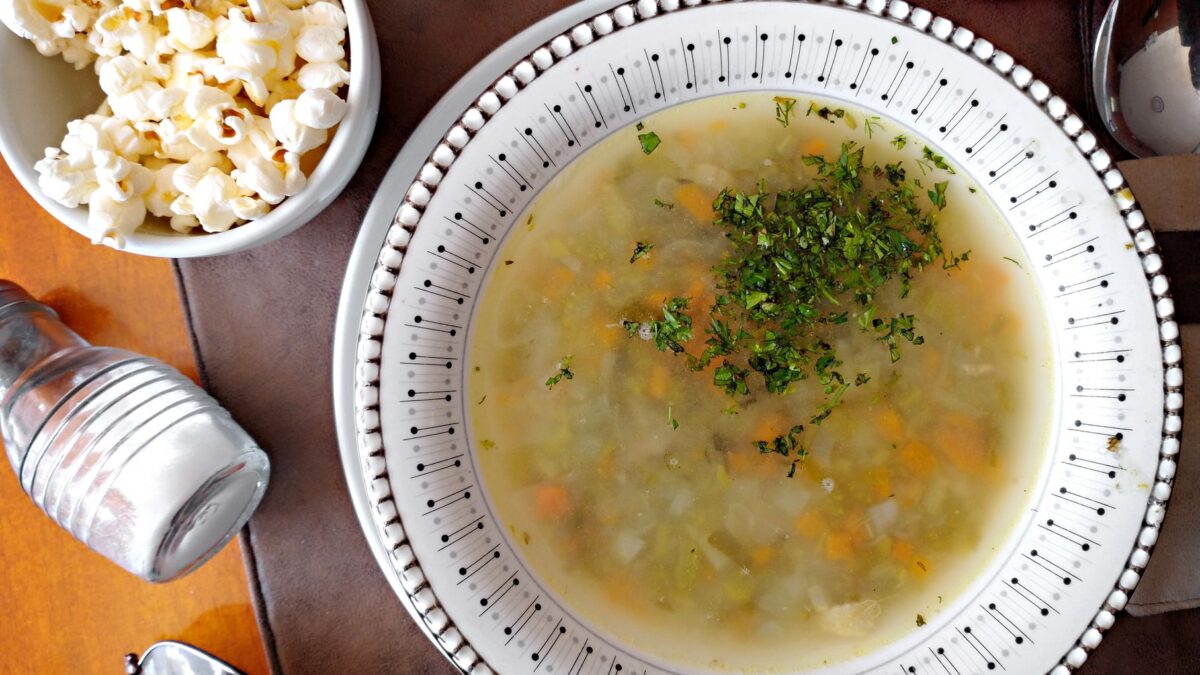
Icelandic cuisine is rooted in preservation and simplicity. The star ingredient is, unsurprisingly, lamb. Since September marks the start of the sheep round-up (réttir), the meat is at its most tender and flavorful. Seek out a bowl of kjötsúpa (lamb soup). It is a staple in almost every diner and café across the city. At a place like Íslenski Barinn or even a simple café like Kaffibrennslan, a bowl will run you approximately 2,500–3,000 ISK ($20). It is rich, clear, and filled with root vegetables—a perfect antidote to the drizzly weather outside.
Seafood is another non-negotiable. Fresh Atlantic cod, halibut, or langoustine are available daily. While tourist traps exist, locals know to look for places specializing in Nordic ingredients. Reykjavík Kitchen offers a modern take on traditional fare, where you can enjoy tasting menus featuring fermented foods and local herbs. A multi-course meal here will be pricey—expect to spend well over 10,000 ISK per person—but the quality is undeniable. For a more casual seafood experience, check out Le KocK or Forréttabarinn for small plates that highlight the day’s catch.
Café Culture and Coffee
You cannot talk about Iceland without mentioning coffee. Icelanders drink more coffee per capita than almost anyone else in the world. The culture is serious, with specialty roasters leading the charge. Reykjavik Roasters and Rúblan bókakaffi are two of the best spots to get a proper filter coffee or latte. Prices are consistent with Western European standards: about 700 ISK (roughly $5) for a cup. These cafes are great places to people-watch, especially if you are staying in the Miðborg district near Laugavegur shopping street.
Pair your coffee with a piece of rye bread baked in geothermal earth, known as hraunbrauð. It is sweet, dense, and unique to the island. You can buy loaves at any grocery store, but many cafes serve slices warm with butter. It is a simple pleasure that connects you directly to Iceland’s volcanic landscape.
Nightlife and Drinks
When evening falls, the nightlife scene comes alive. Harpa, the concert hall with its honeycomb-glass facade, often hosts events, but for a drink, locals prefer the cozy bars of the old town. A local draft beer will cost you between 1,200 and 1,500 ISK (about $10–$11). Alcohol is heavily taxed in Iceland, so drinks are significantly more expensive than in the US or mainland Europe. However, the atmosphere in places like Oddsson Downtown Hotel’s bar or Center Hotels Plaza’s lounge is lively and welcoming.
If you want to explore further, the Vesturbær district offers quieter pubs with sea views, while the Laugardalur area provides easy access to both nightlife and the famous Laugardalslaug pool complex. Remember, Reykjavík is very safe, so walking between venues at night is generally fine, but always keep your wits about you in crowded areas.
Practical Budgeting Tips
Let’s be honest: Reykjavík is expensive. Monthly rents for a modest one-bedroom flat in the city centre range from 230,000 to 330,000 ISK ($2,030+), which reflects the high cost of living for residents. As a visitor, this trickles down to your daily expenses. To manage costs, use the Strætó bus system. A single adult fare is 690 ISK (approx. $5), and if you are staying longer, a 30-day pass is 11,600 ISK ($85). Cash is rarely used; Iceland is nearly cashless. Ensure you have a debit card that works internationally, and download the Klappið app for easy bus payments.
Finally, embrace the seasonal rhythm. In September, you might catch the VAKA Folk Arts Festival or the Reykjavík International Film Festival. These events bring energy to the city and often feature food stalls that offer variety beyond the standard menu. Whether you are eating a hot dog near Hallgrímskirkja or enjoying a lamb stew in Grandi, remember that Icelandic food is about quality, tradition, and making the most of a short growing season. Eat well, stay warm, and enjoy the magic of the capital.
Frequently asked questions
How much does a hot dog cost in Reykjavík?
A pylsa (Icelandic hot dog) 'with everything' at popular spots like Bæjarins Beztu Pylsur costs about 600 ISK, which is roughly $4.
Is Reykjavík expensive for tourists?
Yes, Reykjavík is one of Europe's priciest capitals. A meal at a food hall costs around 2,500–3,500 ISK ($22), and a local draft beer is about 1,200–1,500 ISK ($10–$11).
What is the best traditional soup to try?
Kjötsúpa (lamb soup) is the national staple. It is widely available in cafés and inexpensive restaurants for about 2,500–3,000 ISK ($20).
Do I need cash in Iceland?
No, Iceland is nearly cashless. You should rely on a debit or credit card. Many places, including buses, do not accept cash.
Where can I get good coffee in Reykjavík?
Try Reykjavik Roasters, Rúblan bókakaffi, or Kaffibrennslan. A cup of coffee typically costs around 700 ISK ($5).


