Germany in September 2026: what travelers should know now
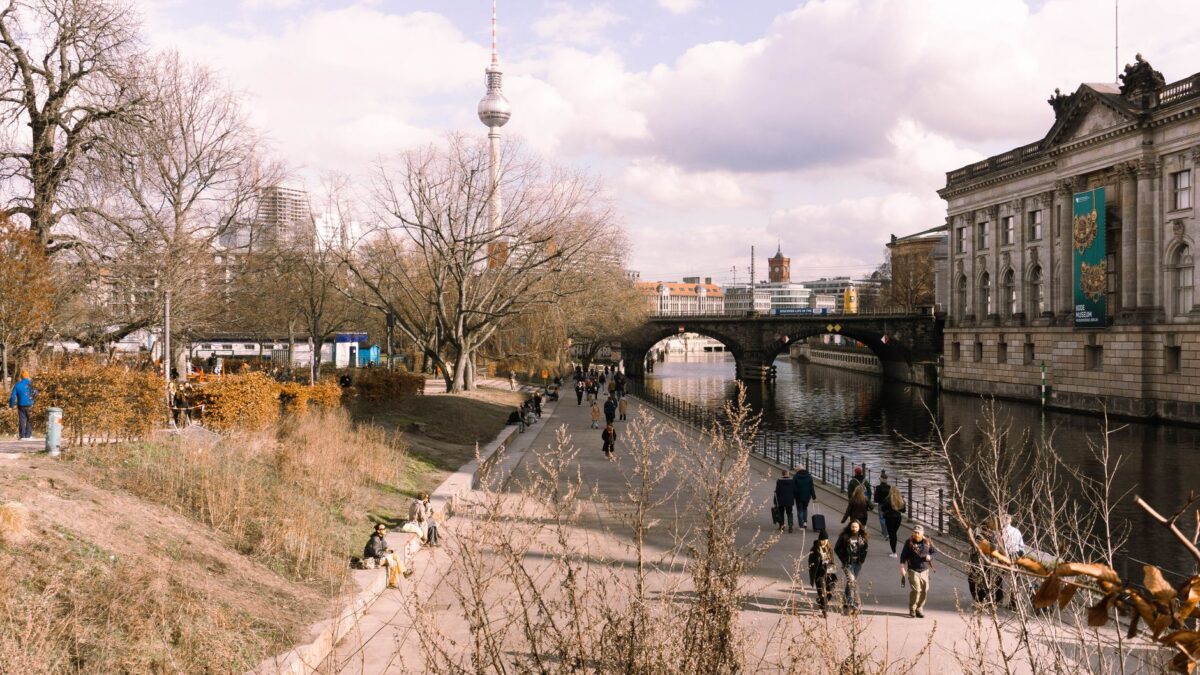
It is mid-September in Berlin, and the city is holding its breath between the golden warmth of late summer and the crisp bite of autumn. The mornings are chilly, hovering around 14°C, but if you stay out until the afternoon, you will catch those fleeting moments where the sun feels like it is wrapping around your shoulders at 20°C. It is a cusp season—literally and figuratively. The festival crowds are thinning, the tourists are still present but less frantic, and the air smells faintly of woodsmoke from outdoor fires and roasted potatoes.
If you are arriving now, or planning to spend these next few weeks here, you need to know that September 2026 is a month of logistical shifts and seasonal celebrations. From marathon road closures to harvest festivals, here is what is actually happening on the ground as of today, September 18.
The Seasonal Rhythm: Packing for the Cusp
Right now, the weather forecast calls for rain showers mixed with clear spells. You are walking through a transitional window. Mornings demand layers—a coat over a sweater is standard by 8 AM. By 4 PM, you might be unzipping that jacket entirely. This variability is the single most important thing to pack for. Do not assume it is still ‘summer’; it is not. But do not pack for winter either; it is not quite there.
This is arguably one of the best times to visit Berlin if you dislike the peak-season crush of July and August. You will find that outdoor dining spots are still open, but the queues for brunch have shortened. However, because the weather is so pleasant, locals flock to the parks. The Grunewald forest and the vast expanse of Tempelhofer Feld are packed with cyclists and families having barbecues on the old runways. If you want to enjoy these spaces without shoulder-to-shoulder congestion, aim for early morning or weekdays.
Holidays and Cultural Shifts Ahead
Two significant dates are approaching that will shape how the city operates and feels over the next three weeks.
First, World Children’s Day (Weltkindertag) falls on Sunday, September 20. While this is not a public holiday that shuts down businesses, it is a day marked by family-oriented events across the city. Many museums and cultural institutions offer special programming or free entry for children, making it a busy day for parents and a good time to observe local family culture if you have kids in tow.
Second, and far more impactful for travel logistics, is German Unity Day (Tag der Deutschen Einheit) on October 3. This is Germany’s only national public holiday. In Berlin, it is the centerpiece of the celebration, featuring a massive state ceremony in the government quarter near the Reichstag, followed by the ‘Fest for All’ (Fest für alle) at Brandenburger Tor and Potsdamer Platz. Expect heavy security, pedestrian-only zones, and significant crowd density in Mitte on that day. If you have plans to visit Museum Island or the Brandenburg Gate on October 3, check the closure schedules immediately, as the area will be transformed into a pedestrian festival zone.
Festivals, Events, and Road Closures
There is a lot happening right now, and some of it will disrupt your movement through the city. Here is what you need to navigate:
- Berlin Marathon Preparations: The city is gearing up for one of the world’s largest marathons. Starting September 19, major roads begin to close. Most notably, Straße des 17. Juni is shut between the Brandenburg Gate and Großer Stern. Over the following days, the shutdown widens, culminating in city-wide closures during race weekend (September 26–27). The marathon itself takes place on Sunday, September 27. Roughly 40 BVG bus and tram lines will have diversions. If you rely on public transit during these dates, download the BVG app and plan routes carefully. Walking or cycling is often faster than waiting for a detoured bus.
- Musikfest Berlin: The classical music festival is running its final stretch until September 23. If you appreciate orchestral music, this is a prime opportunity. The Berlin Philharmonic and international soloists are performing at the Philharmonie. Notably, Tokyo’s Kanze Nō Theatre is making a guest appearance, blending traditional Japanese performance with Western classical structures. Tickets are available, but this is a high-demand period for cultural venues.
- Harvest Festivals: For a taste of rural Germany within the city limits, head to the Domäne Dahlem open-air museum. On September 19–20, they are hosting the Potato Festival (Kartoffelfest). Visitors can dig their own crop from the fields and eat potatoes baked in the embers of a potato fire. It is a rustic, hands-on experience featuring historic farm machinery. Alternatively, the Pumpkin and Apple Festival at Britzer Garten opens on September 20, marking the start of the autumn harvest with giant pumpkins and family activities.
- PYRO Games: For something louder, PYRO Games is staging a fireworks spectacle in the Museumspark at Rüdersdorf, just outside Berlin, on September 19. It is a crowded, loud evening event that pulls people out of the city center. If you are staying in central hotels, expect traffic delays returning from this direction.
Costs and Practicalities: What to Budget Now
Berlin remains a mid-range destination for Western Europe, but costs are creeping up. Housing is the primary driver of expense here. A modest one-bedroom flat in the city centre (Mitte, Prenzlauer Berg) averages about €1,340 per month, while outside the centre, it drops to around €995. If you are staying in short-term accommodation, budget accordingly.
For travelers, transit costs have risen slightly. As of January 2026, the VBB fares jumped approximately 6%. A single local transit ticket (bus, metro, tram in Zones AB) is now €4.00. If you are staying for a few days, the 24-hour ticket at €11.20 offers better value than buying singles. For longer stays, the Deutschlandticket is a popular option at €63 per month, valid on all local and regional transport nationwide (excluding long-distance IC/ICE trains). Note that Zone C, which includes BER Airport and Potsdam, is not covered by the standard AB ticket; you will need a supplementary ticket or a Zone ABC pass.
Dining out is reasonably priced compared to Paris or London. A cup of coffee in a café runs about €3.80. Street food remains a staple and a budget-friendly option: a döner kebab, particularly in Kreuzberg, costs around €7, and a classic currywurst is roughly €4.50. Mid-range hotels or guesthouses typically charge around €120 per night including breakfast.
Neighborhood Notes: Where to Be
Your choice of district defines your experience in September. Mitte is the historic core, polished and tourist-heavy, home to the Brandenburg Gate, Museum Island, and the Reichstag. It is beautiful but can feel sterile at night. Kreuzberg (specifically Friedrichshain-Kreuzberg) is the counter-culture heart. Around Kottbusser Tor, you find ‘Little Istanbul,’ vibrant street art, and endless döner shops. The west side, Bergmannkiez, is leafier and filled with boutiques.
Prenzlauer Berg is gentrified East Berlin, known for its refurbished Altbau buildings, charming squares like Kollwitzplatz, and a strong family vibe. Friedrichshain is the nightlife mecca, home to Berghain and the East Side Gallery. Neukölln is rapidly gentrifying, rawer than Kreuzberg, with hip bars along Weserstraße and the bustling Maybachufer Turkish market. Finally, Charlottenburg-Wilmersdorf offers ‘City West’ luxury, with Kurfürstendamm shopping, KaDeWe department store, and Charlottenburg Palace—a quieter, upscale escape from the center.
As you navigate these streets this month, keep an eye on the sky. The golden afternoons are shortening, but they are still worth chasing. Enjoy the harvest, respect the road closures, and welcome the autumn.
Frequently asked questions
Are there road closures in Berlin in late September 2026?
Yes. Due to the Berlin Marathon, major roads like Straße des 17. Juni close starting September 19, with city-wide disruptions on race weekend (September 26–27). Approximately 40 bus and tram lines are diverted.
What is the weather like in Berlin this month?
Expect a mix of late summer and early autumn. Temperatures range from 14°C in the chilly mornings to 20°C in warm afternoons, with frequent rain showers. Layering is essential.
Is German Unity Day a public holiday in Berlin?
Yes, on October 3. It is Germany’s national holiday. Expect significant pedestrian restrictions, security, and crowds in Mitte, especially around the Brandenburg Gate and Reichstag.
How much does public transport cost in Berlin now?
A single ticket in Zones AB is €4.00. A 24-hour ticket is €11.20. The monthly Deutschlandticket is €63. Fares increased by ~6% in January 2026.
What harvest festivals are happening in Berlin this weekend?
The Potato Festival (Kartoffelfest) at Domäne Dahlem runs September 19–20, and the Pumpkin and Apple Festival at Britzer Garten begins September 20.
Things to do in Germany
 Likely to sell out
Neuschwanstein & Linderhof Castle Luxury Private Tour from Munich
 5hours: Guide, Chauffeur & Photographer in Berlin private Tour
 Bodyflying & Indoor Skydiving at FlyStation Munich
 Alsace wine tour and medieval villages. Small group guided tour
 Third Reich Walking Tour Munich - Nazi Origins - Max.16 per group
 2 hours Segway Elbe Mini Tour