The best time to visit Namibia
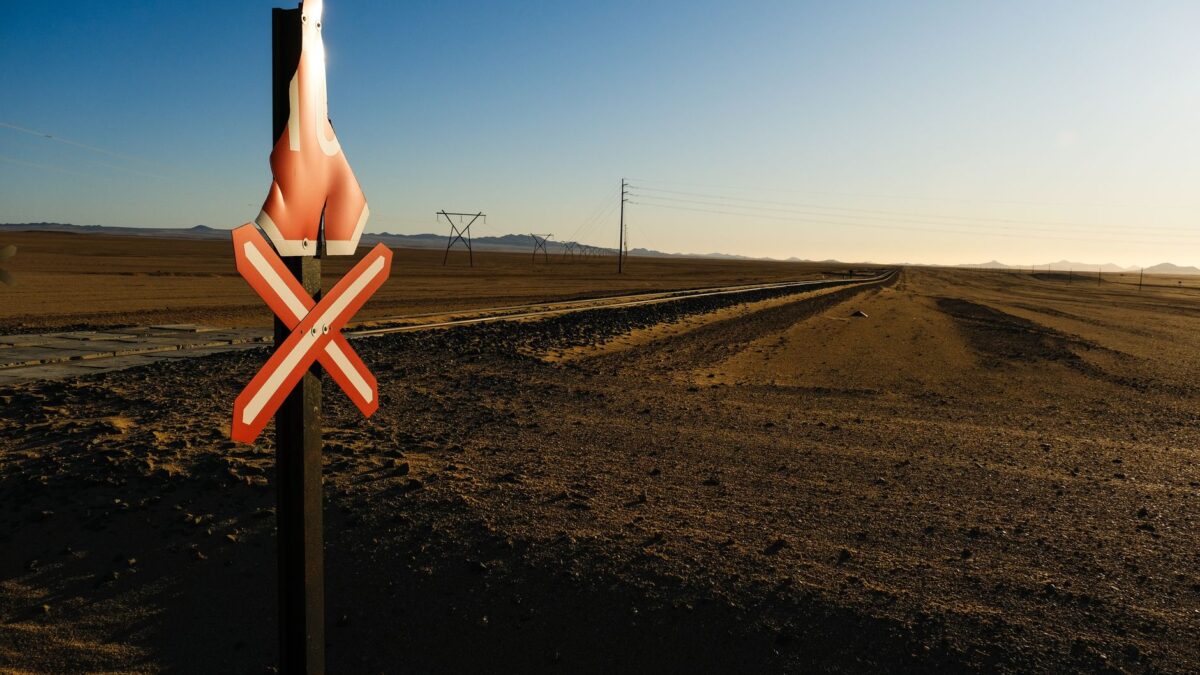
The air in Windhoek hits you first—a dry, dusty warmth that settles into your bones by mid-morning, only to drop sharply as the sun dips behind the Auas Mountains. It is late September here, the tail end of the long dry season. The jacarandas are just beginning to hint at their purple blooms, but the veld remains bare and golden. If you are standing on Independence Avenue right now, feeling that crisp evening chill while tourists sip cappuccinos for about N$38 ($2.1), you are experiencing the exact moment Namibia breathes easiest. But when is the *best* time to visit? The answer depends entirely on what kind of Namibia you want to see.
Spring (September–November): The Sweet Spot
For most travelers, spring is the ideal entry point. As we move from September into October and November, the weather stabilizes. The scorching heat of summer hasn’t arrived yet, and the winter cold has passed. This is when the landscape begins to wake up. Wildflowers start to dot the arid plains, and the birds return to the Khomas Hochland.
Visiting in this window means manageable crowds. You won’t be jostling for space at the Sossusvlei dunes or Etosha National Park gates like you might in July. Prices are moderate—expect to pay around N$1,200 ($65) for a night in a mid-range guesthouse, though boutique options like The Weinberg Hotel may run closer to N$2,000 ($109). Food costs remain friendly; a plate of kapana (spiced grilled beef strips) with vetkoek at the Oshetu Community Market in Katutura will set you back roughly N$30–53 ($2.3–$2.9). It’s affordable, authentic, and unforgettable.
Summer (December–February): Heat, Rains, and Festivals
If you don’t mind sweating, summer brings life to Namibia. Rain falls between December and February, turning the red dust green. This is peak tourist season for safari enthusiasts because the animals congregate around waterholes, making them easier to spot. However, the heat can be intense, especially in the north near Etosha and the Caprivi Strip.
This season also hosts major cultural events. Keep an eye on the calendar for the Windhoek Agricultural & Livestock Show, often held in late September or early October, which draws nearly 100,000 visitors for livestock judging and auctions. Later in the year, music festivals like the Balcony Mix Africa Namibia Edition bring international DJs and local talent to venues like the Wanderers Sports Club. Be aware that city rules regarding noise and entertainment events are currently under review by local authorities, so check specific venue policies if you plan to attend large outdoor concerts.
Autumn (March–May): Clear Skies and Good Deals
As the rains taper off in March and April, the skies clear up, offering some of the best photographic conditions in the country. The landscape is lush, and the temperatures are pleasant. By May, the days are warm, but the nights begin to cool down significantly.
This is a great time for budget-conscious travelers. With the rainy season over, many tour operators offer discounts before the high-season rush of June. You can find accommodation deals, and dining out remains inexpensive. A three-course meal at a mid-range restaurant like Joe’s Beerhouse or The BARN will cost approximately N$425 ($23) per person. Local beer, such as Windhoek Lager, runs about N$30–40 ($1.9) in bars. It’s a comfortable balance of good weather and lower costs.
Winter (June–August): Safari Peak and Cold Nights
June through August is the dry season proper. Days are sunny and mild, but nights can freeze, particularly in the central highlands and desert regions. Temperatures in Windhoek can dip to around 5°C, though daytime highs reach a comfortable 17°C. This is the absolute best time for wildlife viewing. In Etosha, animals gather at the few remaining water sources, providing spectacular sightings.
However, this is also the busiest and most expensive time. Accommodation prices rise, and book-in advance is essential. If you visit during this period, embrace the cold mornings with hot coffee and bundle up for game drives. The crisp air makes for excellent visibility, perfect for capturing the stark beauty of the Namib Desert.
Practicalities: Costs, Visas, and Getting Around
Namibia uses the Namibian Dollar (NAD), which is pegged 1:1 with the South African Rand. While inflation is low at around 3.5%, costs can add up quickly if you aren’t careful. A modest one-bedroom flat in Windhoek rents for about N$6,000 ($330) monthly, reflecting a housing squeeze that impacts locals, but for tourists, daily expenses are manageable. Street food is cheap and safe; a simple meal of kapana and vetkoek is a must-try experience in Katutura’s Eveline Street market.
Visa requirements have changed recently. Since April 1, 2025, nationals from Schengen, UK, and US countries need a visa. Apply online via eservices.mhaiss.gov.na selecting ‘Visa on Arrival’ or obtain it at Hosea Kutako International Airport. The fee is NAD 1,600 for non-AU citizens. Ensure your passport is valid for six months beyond your stay.
Transport-wise, public minibuses (‘combis’) are chaotic and cash-only. For freedom and safety, renting a car from Hosea Kutako International Airport is the practical default. There is no widely used reloadable transit card in Windhoek, so rely on metered taxis or self-drive. Safety in Windhoek is generally good, with walkable centers like Klein Windhoek, but avoid walking alone in Katutura after dark without a guide.
Final Thoughts
There is no single “best” month, only the best month for your priorities. Spring offers balance, summer brings energy and rain, autumn provides clarity and value, and winter delivers prime wildlife. Pack layers regardless of the season—the desert temperature swings are real. Whether you’re watching the sunset from Heroes’ Acre or eating fresh bread for N$15 ($0.8) at a local bakery, Namibia rewards those who come prepared. Plan wisely, respect the land, and let the silence of the dunes speak to you.
Frequently asked questions
What is the best month to visit Namibia for wildlife?
June to August is the best time for wildlife viewing, particularly at Etosha National Park, as animals congregate around limited water sources during the dry winter season.
Do I need a visa to visit Namibia in 2026?
Yes, since April 1, 2025, nationals from Schengen, UK, and US countries require a visa. You can apply online via eservices.mhaiss.gov.na or get a visa on arrival at the airport for NAD 1,600.
How much does a meal cost in Windhoek?
A meal at an inexpensive local restaurant costs around N$150 ($8), while a three-course meal at a mid-range restaurant is approximately N$425 ($23). Street food like kapana is very affordable at N$30–53 ($2.3–$2.9).
Is it safe to travel to Katutura in Windhoek?
Katutura is vibrant but should be visited with a guide or organized tour rather than solo, especially after dark. The city center and suburbs like Klein Windhoek are generally safer for walking.
What currency is used in Namibia?
Namibia uses the Namibian Dollar (NAD), which is pegged 1:1 with the South African Rand. Both currencies are accepted widely throughout the country.


