

What to eat in Belgium — and what it costs
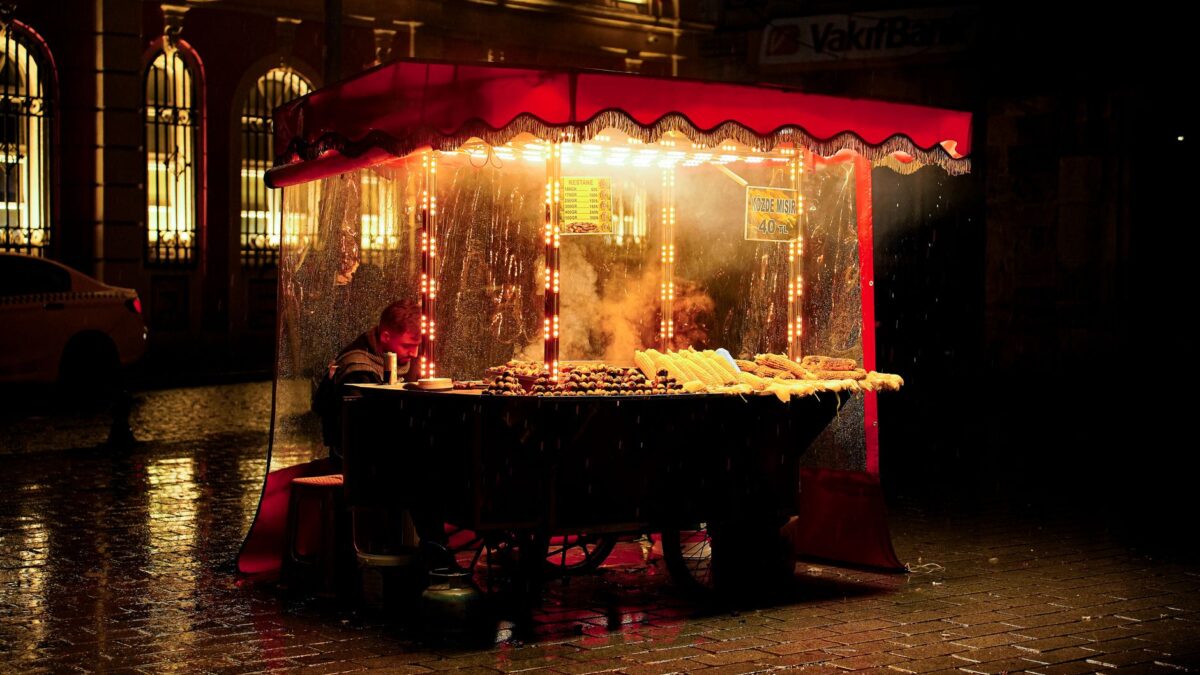
It is raining in Brussels again. Not a dramatic, cinematic downpour, but that persistent, damp drizzle that has been falling for nine hours straight, keeping the temperature comfortably around 14°C. If you are standing under the Gothic arches of the Grand Place right now, watching the tourists scramble for cover while locals duck into the nearest bistro, you are witnessing the true rhythm of the city. This is the ‘rentrée’—the cultural and political restart of the season. The terraces are still busy, but the air has turned cool, and the menus are shifting toward autumn fare: game, cèpes, and endives. To eat well in Brussels, you have to ignore the sticky-sweet traps designed for summer crowds and follow the locals into the rain.
The Street Food That Actually Matters
Let’s get the elephant in the room out of the way: yes, there are better moules frites in town, and no, you do not need to stand in a queue for twenty minutes for a waffle on the Grand Place. But street food in Brussels is an institution if you know where to look. Forget the tourist stalls; head to the Marolles district. Here, in the unpolished heart of old Brussels, the Place du Jeu de Balle flea market runs daily. It is chaotic, authentic, and the best place to grab a bite without breaking the bank.
While you are wandering through the secondhand shops on Rue Haute, stop for a classic Belgian fry. We call them ‘frites,’ and they are distinct from French chips because they are double-fried in beef tallow (or a blend) until they are shattering-crisp outside and fluffy inside. A portion will cost you about €3 to €5. Pair it with a proper sauce— Andalouse or samurai—and you have a meal for under €10. If you want something warmer, look for a ‘kaassoufflé’ (a cheesy pastry puff) at any local snack bar. It is comfort food in its purest form.
For a slightly more elevated street experience, check out the weekend market at Flagey square in Ixelles. This is Brussels’ most cosmopolitan commune, buzzing with energy. You can find everything from Vietnamese spring rolls to artisanal cheeses. Prices here are still reasonable, often around €8 to €12 for a substantial lunch bowl, making it perfect for a rainy Sunday when you want variety without committing to a sit-down restaurant.
Lunch: The Art of the Quick Bite
Brussels lunches are surprisingly affordable if you avoid the EU Quarter’s corporate cafes during rush hour. A meal at an inexpensive local place should set you back approximately €20. This gets you a solid starter, main, and maybe a coffee. The key is to find places that serve ‘plat du jour’ (dish of the day).
In Saint-Gilles, the creative quarter known for its Art Nouveau facades, you will find some of the city’s best independent restaurants. Places like Fin de Siècle or spots near the Parvis de Saint-Gilles market offer fresh, seasonal ingredients. Since it is mid-September, look for dishes featuring wild mushrooms or game birds. These markets are bustling with locals buying produce, and the nearby eateries often source directly from them. You can easily find a hearty stew or a fish dish for around €18 to €22. If you prefer coffee over a full meal, a regular cappuccino in these neighborhoods costs about €3.80 to €3.90. It is not cheap, but the quality of beans in Saint-Gilles is world-class.
Another excellent option is the Sablon district. While famous for its antiques market on weekends, the side streets hold gems. You might find a small bistro serving traditional Flemish cuisine. Be careful not to fall for the ‘tourist menu’ traps; look for the handwritten specials board. A simple carbonade flamande (beef stew with beer) will run you closer to €20 than €15, reflecting the current inflation rates which have kept food prices above the eurozone average.
Dinner: Sit-Down Experiences
When evening falls and the rain picks up, you want warmth. A mid-range restaurant meal for three courses, excluding drinks, costs roughly €40 per person. For two people sharing a bottle of wine, expect the total bill to hover around €80 to €100. Brussels dining is not as expensive as Paris or London, but it is certainly pricier than you might expect for a European capital.
If you are in the Marolles, try Le Bistro – Porte de Hal. Located near the last surviving 14th-century city gate, this spot offers a rustic atmosphere and generous portions. It is the kind of place where you can sit for hours, drinking local draft beer (which costs about €5.00 to €5.40 for 0.5L) and eating slow-cooked meats. Alternatively, head to Ixelles for Fritzguard or The blue. These venues blend modern culinary techniques with local ingredients. The vibe is lively, often filled with young professionals and artists escaping the workday.
For a special occasion, the Sablon is your destination. With chocolatiers like Pierre Marcolini lining the streets, dinner here leans towards elegance. A place like Le Vintage offers a refined experience. Expect to pay closer to the €40-per-person mark for a three-course meal, but the ambiance—the cobblestones, the galleries, the proximity to Notre-Dame du Sablon—justifies the cost. Remember, service is usually included by law in Belgium, so tipping is optional but appreciated for exceptional service.
Drinks and Desserts: The Local Way
You cannot talk about Brussels without talking about beer. There are over 1,500 Belgian beers, and the craft scene is exploding. In Saint-Gilles, Damn Good Café or BARKBOY offer more than just coffee; they curate excellent local brews. Order a saison or a lambic. If you are near the Grand Place, keep an eye out for the September Belgian Beer Weekend events, though even outside of festivals, the selection is impressive.
For dessert, skip the pre-packaged waffles. Go for speculoos or a slice of tart. In the Marolles, small bakeries often sell fresh speculoos cookies for €2 to €3. If you have a sweet tooth, the Sablon is paradise. A box of high-end chocolates from Pierre Marcolini will cost you around €15 to €20 for a modest assortment, but the flavor profile is unmatched. Alternatively, visit My Little Cup in Ixelles for a specialty coffee and a homemade pastry, costing around €6 to €8. It is a small price to pay for a moment of calm in the rainy afternoon.
One practical note on costs: Brussels rents and transit remain moderate by West-European standards, but food inflation has hit hard. A loaf of fresh white bread (500g) is about €2.40, and a monthly transit pass (STIB ‘Move Unlimited’) is €56. If you are staying longer, consider the reusable MOBIB card for public transport, which allows you to tap your bank card for rides at €2.40 each, capped at €8.50 per day. This saves money if you are moving between districts like Ixelles, Saint-Gilles, and the center frequently.
So, next time the rain starts in Brussels, don’t retreat to your hotel. Grab an umbrella, walk through the Marolles, buy some frites, and find a warm bistro. The city reveals its true character not in the sunshine, but in the shared warmth of a meal after a long, wet walk.
Frequently asked questions
How much does a meal cost in Brussels?
An inexpensive local meal costs around €20, while a mid-range three-course dinner averages €40 per person. Street food like frites typically ranges from €3 to €5.
Where is the best place to buy authentic frites in Brussels?
The Marolles district, particularly near the Place du Jeu de Balle flea market, offers the most authentic experience. Avoid stalls directly on the Grand Place for better quality and price.
Is tipping expected in Brussels restaurants?
Service is included by law in Belgium, so tipping is not mandatory. However, leaving a small tip for exceptional service is appreciated and common practice.
What are the best neighborhoods for food in Brussels?
Ixelles offers a cosmopolitan mix and great weekend markets; Saint-Gilles is ideal for independent cafes and creative dining; and the Marolles provides affordable, traditional street food and bistros.
How much is a beer in Brussels?
A local draft beer (0.5 L) costs approximately €5.00 to €5.40 in bars and restaurants. Craft beer selections may be slightly higher.
Things to do in Belgium
 Private Dinant Castles & Abbey Beer Tour from Brussels or Bruges
 European Quarter Comedy Tour
 Handcraft your own silver ring in Bruges
 Private Guided Historical Walking Tour in Bruges Belgium
 Private Liège, Aachen & Maastricht Tour from Brussels or Bruges
 Bruges Small-Group Guided Tour Including Boat and Praline