

A first-timer’s guide to Portugal
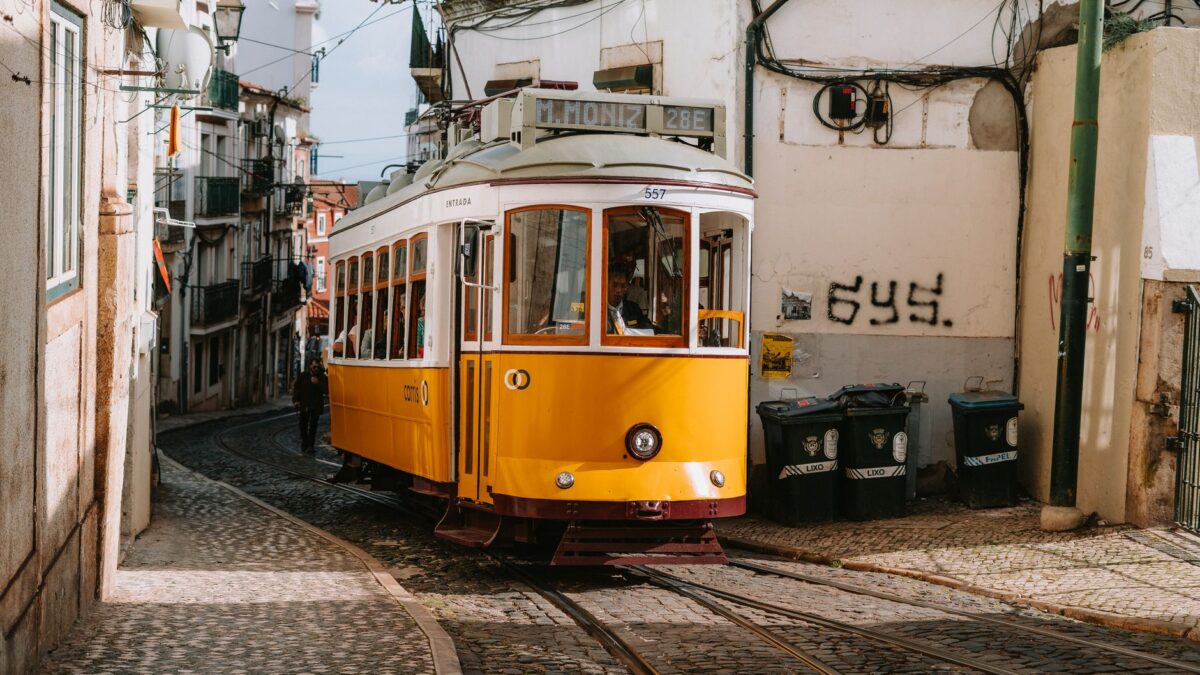
It is late September in Lisbon, and the city is exhaling. The suffocating heat of August has broken, leaving behind a crisp, golden light that turns the Tagus estuary into liquid copper. If you are arriving now, you are catching the tail end of summer before the rains return—temperatures hovering around 20–33°C, clear skies, and streets that are busy but no longer choked by peak-season crowds. This is the sweet spot. But beneath the postcard perfection of azulejo tiles and fado melodies, there is a practical reality you need to navigate if you want to experience Portugal like a local, not just a tourist.
When to Go and How Long to Stay
The best time to visit Lisbon is from May to October, with September and October offering the most comfortable weather. You avoid the intense heat of July and August while still enjoying long daylight hours—from sunrise at 07:23 to sunset at 19:35. Late September is particularly magical; the grape harvest is underway in the wine regions north and south of the city, and the energy is vibrant without being overwhelming.
For your first trip, aim for at least five to seven days. This allows you to cover the historic centre without rushing. Start in the medieval tangle of Alfama, where laundry strings crisscross between pastel buildings and Fado echoes from small tasca doors. Move next to the Baixa and Chiado, the flat Pombaline grid rebuilt after the devastating 1755 earthquake. Here, you can browse the world’s oldest operating bookshop, Livraria Bertrand (founded in 1732), or sip coffee at A Brasileira. Finally, head west to Belém to see the Mosteiro dos Jerónimos and Torre de Belém, both UNESCO-listed masterpieces of the Manueline style.
Getting Around: The Navegante Card
Lisbon is hilly, but you do not need to climb every step. The public transport system is efficient, and the key to unlocking it is the Navegante card, which replaced the old Viva Viagem. You cannot buy paper tickets anymore; everything is digital or card-based. For visitors, the anonymous occasional Navegante costs about €0.50, while a personalised one is €7.
Load it with a 60-minute Carris/Metro ticket for roughly €1.90, or consider the monthly Navegante Municipal pass at €30 if you plan to stay longer. The Metro has four colour-coded lines, and the Vermelha line connects Humberto Delgado Airport directly to São Sebastião. For surface travel, Carris operates the famous Tram 28E through Alfama and Baixa, though be warned: it is the primary hotspot for pickpockets. Stick to safe distances, especially near Rossio and Cais do Sodré.
Note that all Carris funiculars were suspended following the 3 September 2025 Ascensor da Glória crash, so plan alternative routes using the metro or walking. If you venture to Sintra, take the CP urban train from Rossio station; for Cascais, depart from Cais do Sodré. Ferries across the Tagus to Cacilhas are cheap and offer stunning views of the city skyline.
Money, Costs, and Banking Basics
Portugal uses the Euro (EUR). As of recent data, inflation sits around 2.3%, and the cost of living varies significantly depending on where you look. Rent is the major strain point; Lisbon was ranked Europe’s least affordable city for renters in 2026, with a modest one-bedroom flat in the centre averaging around €1,370 per month. However, daily expenses remain good value by Western European standards.
You can expect to pay about €13 for a meal at an inexpensive local restaurant, or €50 for a three-course mid-range dinner for two. A cup of espresso, or ‘bica’, will set you back €0.80–€1.00, and a local beer in a bar is roughly €1.50–€2.50. Groceries are reasonable: a litre of milk costs about €0.88–€1.05, and a loaf of fresh white bread is around €1.39–€1.58. Accommodation for a mid-range hotel or guesthouse typically runs €80–€150 per night.
If you plan to stay longer than a few weeks, opening a bank account requires a NIF (Número de Identificação Fiscal). You can get this free, same-day at a Serviço de Finanças or Loja do Cidadão. Banks like Millennium BCP and Caixa Geral de Depósitos (CGD) are known to onboard non-residents, though ActivoBank offers a zero-fee digital option via video call. Be aware that digital-only IBANs from services like Revolut may face ‘IBAN discrimination’ for certain official registrations, so having a traditional Portuguese account is often safer for long-term stays.
Essential Tips and Local Realities
First-timers often miss these nuances. Safety-wise, violent crime is rare, but pickpocketing is prevalent on Tram 28E and near Santa Justa lift queues. Always watch your belongings. When dining, note the ‘couvert’: bread, olives, and cheese placed on your table are charged automatically unless you refuse them before eating.
Visually, Lisbon is a layer cake of history. The 1755 earthquake flattened the downtown, leading to the neoclassical Baixa grid, while Alfama and Mouraria survived as medieval remnants. In Mouraria, once the birthplace of Fado, you will find some of the city’s most diverse food scenes, including South Asian and African cuisine. Nearby, the Feira da Ladra flea market operates on Tuesdays and Saturdays.
If you have extra time, explore the creative hub at Marvila and Beato. The Hub Criativo do Beato, housed in a former army bakery complex, hosts craft breweries like Dois Corvos and Musa. For nature lovers, the Reserva Natural do Estuário do Tejo is a protected wetland perfect for birdwatching, accessible via the cheap ferry from Cais do Sodré. Further afield, the cliffs of Arrábida and the trails of Sintra-Cascais Natural Park offer hiking and surfing opportunities at Carcavelos.
Finally, respect the housing crisis. Rents have risen sharply, and many locals feel squeezed by tourism. Be mindful of noise in residential areas, especially in Bairro Alto, where bars spill onto cobbles until 3am. By travelling responsibly and engaging with the city’s layers—from its ancient azulejos to its modern tech scene—you’ll find Portugal to be a welcoming, resilient, and deeply beautiful destination.
Frequently asked questions
What is the best time to visit Lisbon?
Late September to October offers the best balance of warm weather (around 20–33°C) and fewer crowds, avoiding the peak heat of August.
How much does a meal cost in Lisbon?
An inexpensive local meal costs about €13 per person, while a mid-range three-course dinner for two is approximately €50. Coffee is around €0.80–€1.00.
Do I need a visa to visit Portugal?
EU/UK/US nationals get 90 days visa-free under Schengen rules. Longer stays require national visas (D7/D8) applied for at a consulate, with fees around €90.
How do I pay for public transport in Lisbon?
Use the Navegante card. Load a 60-minute ticket for ~€1.90 or a monthly pass for €30 (city) or €40 (metro area). Paper tickets are no longer sold.
Is Lisbon safe for tourists?
Violent crime is rare, but pickpocketing is common on Tram 28E and near major landmarks. Watch your bags and be cautious of street sellers pushing drugs.
Things to do in Portugal
 Discover the hills and historic neighborhoods of Lisbon in tuk tuk
 PRIVATE Unforgettable Full Day Tour to Sintra from Lisbon
 Likely to sell out
Sintra Private Tour with All Tickets Included
Likely to sell out
Sintra Private Tour with All Tickets Included
 Private Terceira Island Full Day Tour
 Porto Private Douro River Yacht Cruise with Local Wine and Snacks
 Madeira 4x4 Jeep Safari : Porto Moniz, Lava Pools & Fanal Forest