


Portugal Travel Podcast with Inês Carvalho
Hosted by Inês Carvalho — a new episode every day from Portugal.
This podcast traces a slow path through Portugal, not a whistle-stop tour. The Tagus River splits the country into a mountainous north and a rolling southern plain, and the climate shifts from cool, rainy Atlantic air to warmer, drier conditions. Travelling here means reading those regional differences slowly.
The show ranges from Lisbon’s coastal hills and Porto’s riverfront to the granite villages of Serra da Estrela and the cork oak plains of Alentejo. Episodes also visit the Azores and Madeira, the Portuguese archipelagos that guard the western sea approaches to the Strait of Gibraltar. Each place is treated as a working landscape, not a backdrop.
The podcast unfolds over seasons rather than from a checklist. She returns to places after months away, watches the light change over the Tagus, and lets one region lead to the next. By the end of a series, the accumulated detail forms a portrait of Portugal that a short holiday could not provide.
Recent episodes
Things to do in Portugal
 Discover the hills and historic neighborhoods of Lisbon in tuk tuk
 PRIVATE Unforgettable Full Day Tour to Sintra from Lisbon
 Likely to sell out
Sintra Private Tour with All Tickets Included
Likely to sell out
Sintra Private Tour with All Tickets Included
 Private Terceira Island Full Day Tour
 Porto Private Douro River Yacht Cruise with Local Wine and Snacks
 Madeira 4x4 Jeep Safari : Porto Moniz, Lava Pools & Fanal Forest
 Private Rafting Experience in Melgaço
 Full Day Madeira Island Tour - Open Roof
Plan your trip to Portugal
Getting around
Staying connected
Portugal at a glance
Portugal in depth
Reference data on the country — geography, people, history, economy and transport.
Geography and climate
Location
Southwestern Europe, bordering the North Atlantic Ocean, west of Spain
Terrain
The west-flowing Tagus River divides the country: the north is mountainous toward the interior, while the south is characterized by rolling plains
Climate
Maritime temperate; cool and rainy in north, warmer and drier in south
Elevation
- Highest point
- Ponta do Pico (Pico or Pico Alto) on Ilha do Pico in the Azores 2,351 m
- Lowest point
- Atlantic Ocean 0 m
- Mean elevation
- 372 m
Area
- Total
- 92,090 sq km
- Land
- 91,470 sq km
- Water
- 620 sq km
Size comparison
Slightly smaller than Virginia
Coastline
1,793 km
Land borders
- Total
- 1,224 km
- Border countries
- Spain 1,224 km
Natural resources
Fish, forests (cork), iron ore, copper, zinc, tin, tungsten, silver, gold, uranium, marble, clay, gypsum, salt, arable land, hydropower
Land use
- Agricultural land
- 43.3% (2023 est.)
- Arable land
- 10.1% (2023 est.)
- Permanent crops
- 9.6% (2023 est.)
- Permanent pasture
- 23.6% (2023 est.)
- Forest
- 36.6% (2023 est.)
- Other
- 5.7% (2023 est.)
Natural hazards
Azores subject to severe earthquakes
Volcanism: limited volcanic activity in the Azores Islands; Fayal or Faial (1,043 m) last erupted in 1958; most volcanoes have not erupted in centuries; historically active volcanoes include Agua de Pau, Furnas, Pico, Picos Volcanic System, San Jorge, Sete Cidades, and Terceira
Note
Azores and Madeira Islands occupy strategic locations along western sea approaches to Strait of Gibraltar; they are two of the four North Atlantic archipelagos that make up Macaronesia; the others are the Canary Islands (Spain) and Cabo Verde
People and society
Population
- Total
- 10,194,277 (2025 est.)
- Male
- 4,831,166
- Female
- 5,363,111
Nationality
- Noun
- Portuguese (singular and plural)
- Adjective
- Portuguese
Ethnic groups
Portuguese 95%; citizens from Portugal’s former colonies in Africa, Asia (Han Chinese), and South America (Brazilian) and other foreign born 5%
Languages
Portuguese (official), Mirandese (official, but locally used)
Religions
Catholic 68.1%, not applicable 12.9%, no religion 12.0%, no response 2.2%, Protestant 1.8%, other 1.0%; less than 1%: other Christians, Orthodox, Muslim (2021 est.)
Median age
- Total
- 46.8 years (2025 est.)
- Male
- 44.3 years
- Female
- 48.3 years
Life expectancy
- Total population
- 81.9 years (2024 est.)
- Male
- 78.8 years
- Female
- 85.2 years
Urbanisation
- Urban population
- 67.9% of total population (2023)
- Rate of urbanization
- 0.44% annual rate of change (2020-25 est.)
Where people live
Concentrations are primarily along or near the Atlantic coast; both Lisbon and the second largest city, Porto, are coastal cities
Largest cities
3.001 million LISBON (capital), 1.325 million Porto (2023)
Background and government
Background
A global maritime power during the 15th and 16th centuries, Portugal lost much of its wealth and status with the destruction of Lisbon in a 1755 earthquake, occupation during the Napoleonic Wars, and the independence of Brazil, its wealthiest colony, in 1822. A revolution deposed the monarchy in 1910, and for most of the next six decades, repressive governments ran the country. In 1974, a left-wing military coup ushered in broad democratic reforms. The following year, Portugal granted independence to all its African colonies. Portugal is a founding member of NATO and entered the EC (now the EU) in 1986.
Government
Semi-presidential republic
Capital
Lisbon
Time zone
UTC 0 (5 hours ahead of Washington, DC, during Standard Time)
Local name
Republica Portuguesa
Independence
1143 (Kingdom of Portugal recognized); 1 December 1640 (independence reestablished after 60 years of Spanish rule); 5 October 1910 (republic proclaimed)
National day
Portugal Day (Dia de Portugal), 10 June (1580)
Economy and cost of living
Overview
High-income EU and eurozone economy; strong services sector led by tourism and banking; tight labor market; growth driven by private consumption, trade surplus, and public investment from EU funds; declining public debt
GDP per capita
- Real GDP per capita 2024
- $41,900 (2024 est.)
- Real GDP per capita 2023
- $41,600 (2023 est.)
- Real GDP per capita 2022
- $41,100 (2022 est.)
Inflation
- Inflation rate (consumer prices) 2024
- 2.4% (2024 est.)
- Inflation rate (consumer prices) 2023
- 4.3% (2023 est.)
- Inflation rate (consumer prices) 2022
- 7.8% (2022 est.)
Unemployment
- Unemployment rate 2024
- 6.4% (2024 est.)
- Unemployment rate 2023
- 6.6% (2023 est.)
- Unemployment rate 2022
- 6.1% (2022 est.)
Exchange rate
- Currency
- Euros (EUR) per US dollar -
- Exchange rates 2024
- 0.924 (2024 est.)
- Exchange rates 2023
- 0.925 (2023 est.)
- Exchange rates 2022
- 0.95 (2022 est.)
- Exchange rates 2021
- 0.845 (2021 est.)
- Exchange rates 2020
- 0.876 (2020 est.)
Main industries
Textiles, clothing, footwear, wood and cork, paper and pulp, chemicals, fuels and lubricants, automobiles and auto parts, base metals, minerals, porcelain and ceramics, glassware, technology, telecommunications; dairy products, wine, other foodstuffs; ship construction and refurbishment; tourism, plastics, financial services, optics
Agriculture
Milk, tomatoes, olives, grapes, maize, pork, potatoes, chicken, apples, oranges (2023)
Transport and connectivity
Airports
128 (2025)
Railways
Total 2,526 km (2020) 1,696 km electrified
Ports
- Total ports
- 18 (2024)
- Large
- 3
- Medium
- 2
- Small
- 4
- Very small
- 9
- Ports with oil terminals
- 5
- Key ports
- Aveiro, Funchal, Lagos, Lisboa, Sines
Internet domain
.pt
Internet users
Percent of population 86% (2023 est.)
Mobile subscriptions
- Total subscriptions
- 12.9 million (2024 est.)
- Subscriptions per 100 inhabitants
- 124 (2024 est.)
Environment
Environmental issues
Soil erosion; air pollution from industrial and vehicle emissions; water pollution, especially in urban centers and coastal areas
Fresh water
77.4 billion cubic meters (2022 est.)
UNESCO Global Geoparks
- Total global geoparks and regional networks
- 6 (2024)
- Global geoparks and regional networks
- Açores; Arouca; Estrela; Naturtejo da Meseta Meridional; Oeste; Terras de Cavaleiros (2024)
Country reference figures are periodically revised. Check anything time-sensitive or safety-critical against an official source before you travel.
Portugal travel guides
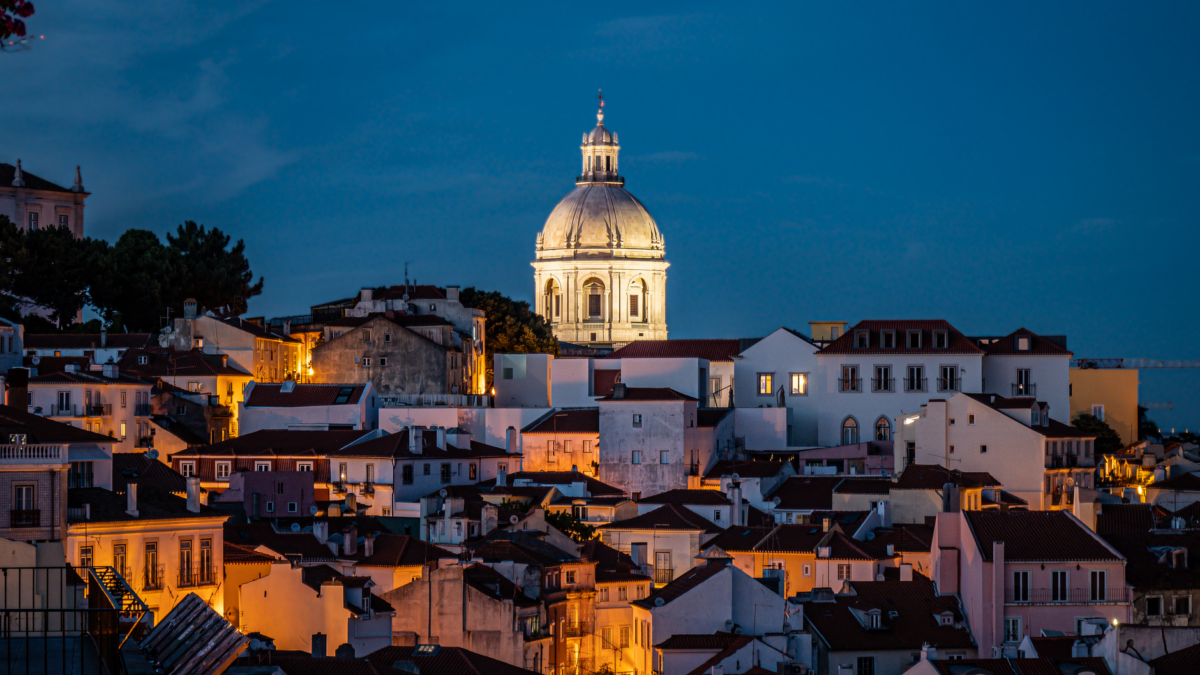 News & Updates
Portugal in September 2026: what travelers should know now
Portugal travel briefing for September 2026: weather, events, transport updates, and costs in Lisbon.
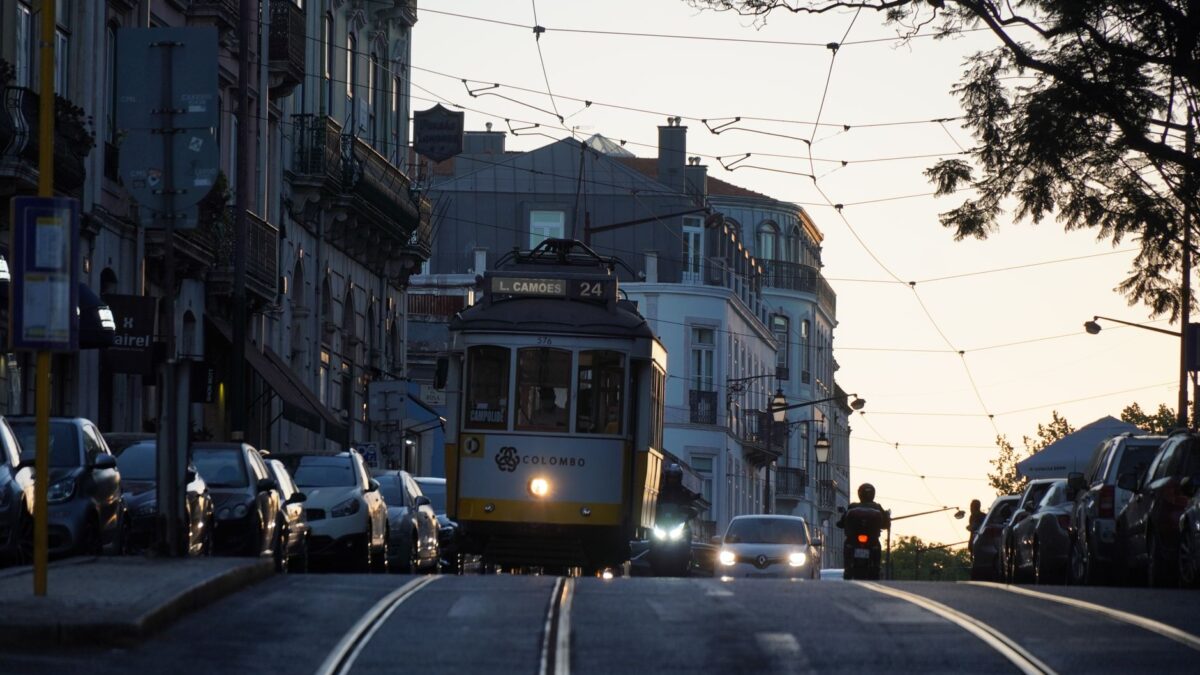 Getting Around
Getting around Lisbon: metros, taxis and passes
Discover how locals navigate Lisbon: metro fares, Navegante passes, trams, taxis, and when walking wins. Real prices and tips for Portugal's capital.
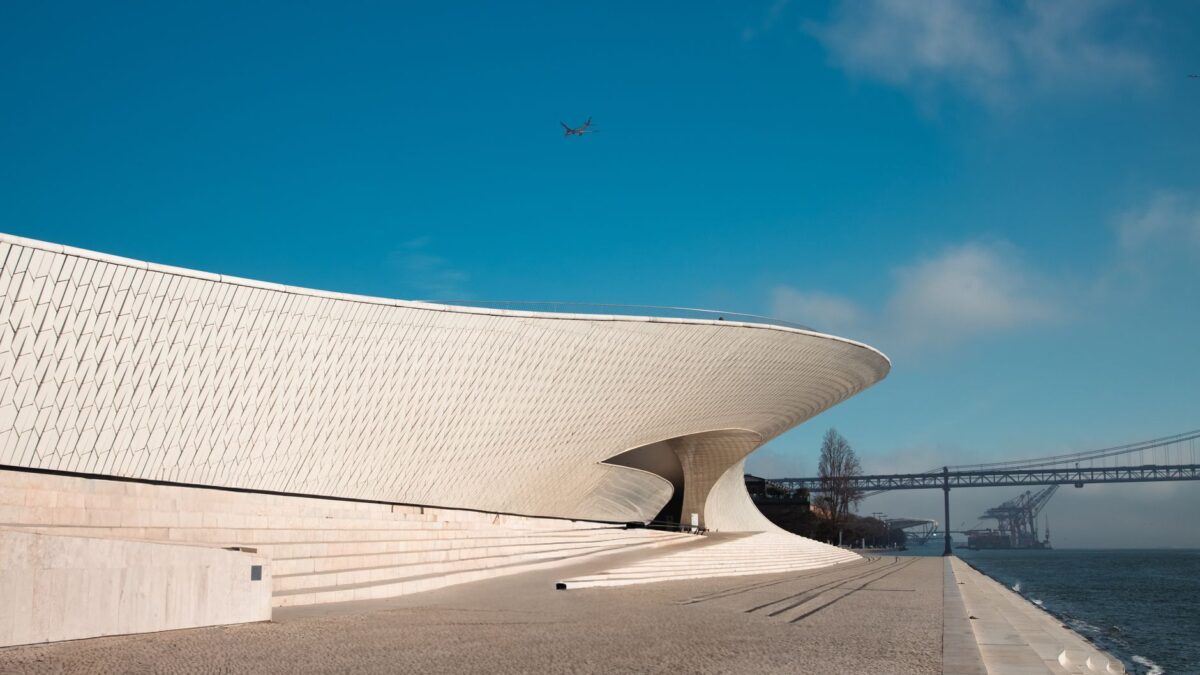 News & Updates
Portugal in August 2026: what travelers should know now
Lisbon in August 2026: transport closures, Assumption Day, OperaFest, safety tips, and local prices for your peak-season trip.
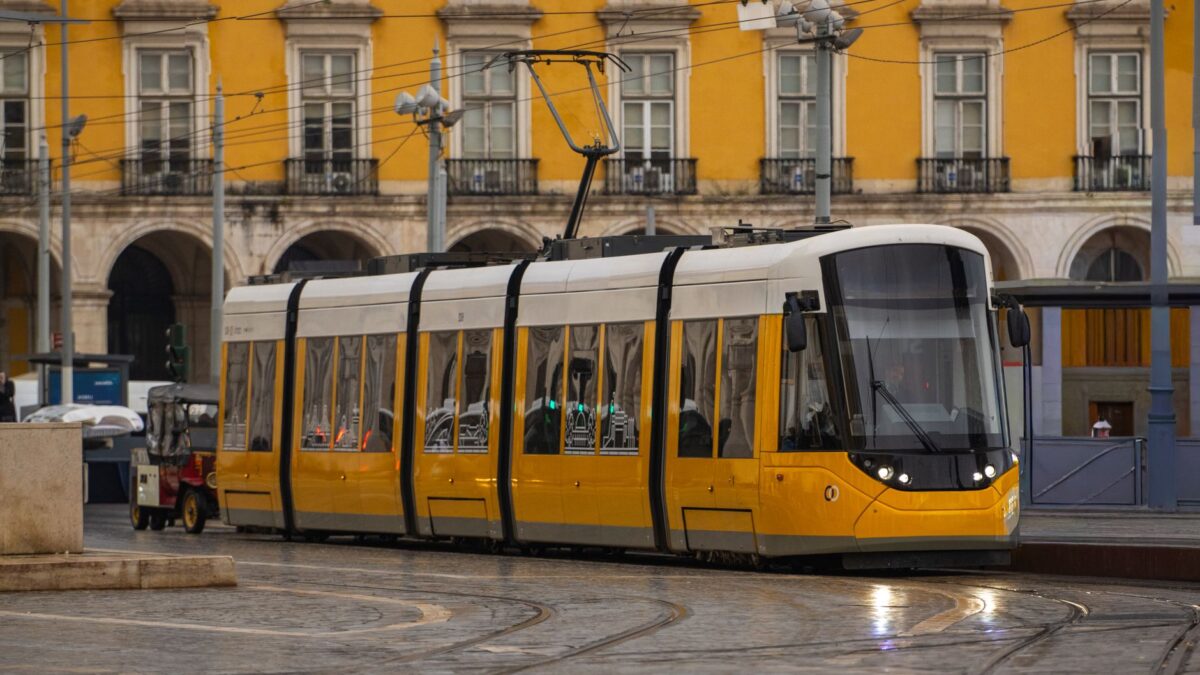 Getting Around
From the airport into Lisbon: every option and what it costs
Inês Carvalho breaks down every Lisbon airport transfer: metro, bus, taxi, and private car, with real prices and which to choose when.
Southern Europe
 Spain
SpainSpain Travel Podcast with Mateo Herrera
The Pyrenees run along the northern border; Madrid and Barcelona anchor Spain's largest urban settlements, and the interior summers are hot and…
 Italy
ItalyItaly Travel Podcast with Sofia Romano
The Po River Valley, with its dense population and plains, contrasts sharply with the mountainous terrain that dominates most of Italy.
 Greece
Greece Travel Podcast with Nikos Pappas
The Peloponnese is a mountainous peninsula with ranges that reach into the Aegean as island chains, while Athens holds one third of…
 Croatia
Croatia Travel Podcast with Ivana Marić
The Adriatic coast's low mountains and highlands rise behind scattered islands, while most of the country's population lives in the northern half,…