

A week in Guatemala City on a mid-range budget
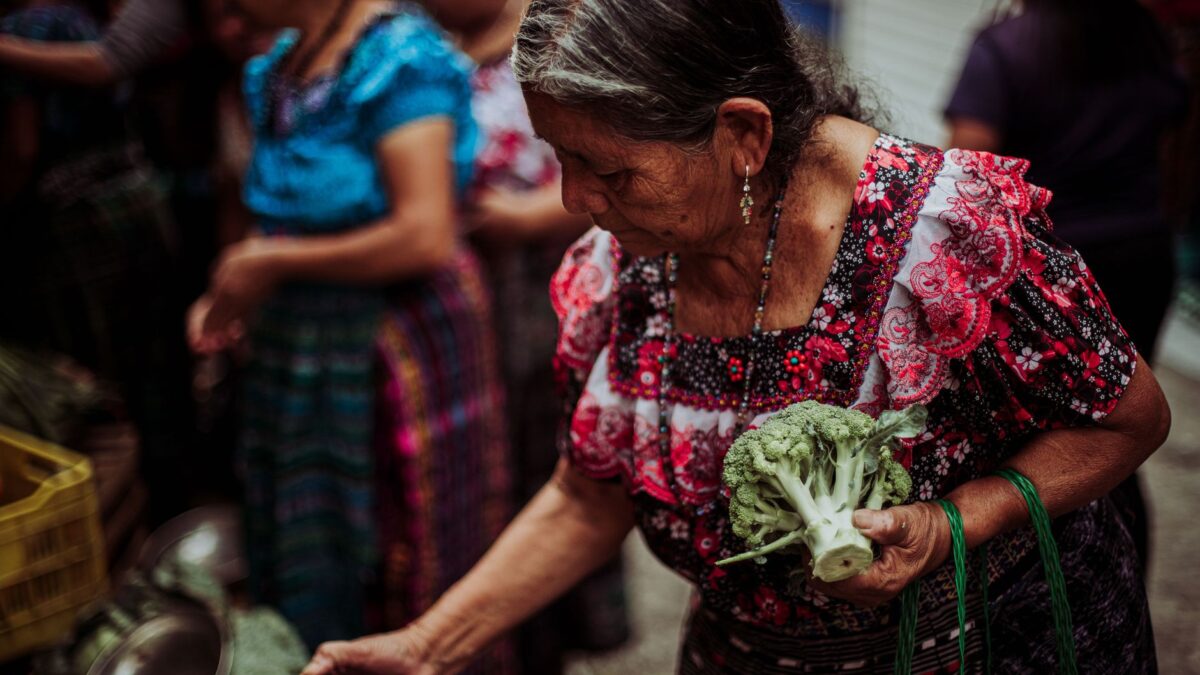
Guatemala City does not announce itself with a whisper. It hits you in the chest—the thin, crisp air of the highland valley, the sudden drop from twenty-four degrees to sixteen as the afternoon clouds gather, and the electric hum of a capital that refuses to sleep. I live here, in the rhythm of Zona 10’s traffic jams and the quiet dignity of La Aurora’s parks, and I can tell you this: your wallet stretches further here than almost anywhere else in the Western Hemisphere. But to navigate it without getting fleeced or lost requires knowing which zones to trust and which prices are fair.
We are at the tail end of the rainy season. The sky is currently holding about thirteen millimeters of rain over fourteen hours, feeling muggy despite the altitude. This is Independence Month, so the streets will be loud with marimba music and costume parades. You need to move smart. Let’s walk through seven days of what it actually costs to stay, eat, and see this city on a mid-range budget, using real numbers from the streets today.
Where You Sleep: Zone 10 vs. Cayalá
Your accommodation choice dictates your safety, your nightlife access, and your transport costs. For a mid-range traveler, Zona 10 (Zona Viva) is the pragmatic sweet spot. It is where the expat community, NGOs, and international offices cluster. You are safe walking to dinner, and you are close to the airport. Look at places like the Citadin Yurrita or the Hilton Garden Inn Guatemala City. A decent hotel room here will run you roughly Q350–Q600 ($45–$77) per night.
If you prefer something quieter and more residential, Zona 14 is the embassy zone—wide streets, gated communities, and very calm nights. However, you will likely need an Uber for everything. Alternatively, consider Ciudad Cayalá in Zona 16. This is a master-planned, pedestrian-friendly enclave. It feels like Europe transplanted to the tropics. Staying here means you pay a premium for the convenience and safety, but you rarely need to leave the complex for meals or shopping.
Avoid staying in Zona 1 (the historic center) unless you are visiting for a specific daytime event. While the Palacio Nacional de la Cultura and the Catedral Metropolitana are stunning, locals advise extreme caution after dark. The price difference between a safe zone and a risky one is worth paying.
Eating Like a Local: The Comedor System
The biggest mistake tourists make is eating only at restaurants with English menus. In Guatemala City, the king of value is the comedor—a small, family-run kitchen. Here, you will find the almuerzo or menú del día. This is a set lunch comprising soup, a main course (often chicken, beef, or fish with rice and salad), and a drink. In a genuine local spot, this costs between Q25 and Q40 ($4). It is hot, fresh, and fills you up for the day.
For a more polished experience, head to a mid-range restaurant in Zona 10 or Zona 4. A three-course meal for two people averages around Q382 ($50), which breaks down to about Q190 ($25) per person. If you are grabbing coffee, expect to pay Q15–Q25 ($2.6) for a cappuccino at places like Black Sheep Kaffee or El Injerto Coffee.
Street food is your friend if you have a sensitive stomach, but stick to busy stalls. The iconic shuco—a grilled street hot dog found along Sixth Avenue in Zona 1—costs about Q15–Q25 ($2.6). Steamed corn tamales (tamales/chuchitos) and tostadas are cheap snacks, ranging from Q5–Q15 each ($1.3). A local beer, whether bottled or on draft, runs Q13–Q25 ($2.4).
Getting Around: Transmetro, Shucos, and Uber
Transportation in Guatemala City is a study in contrasts. The official public transit system includes the Transmetro BRT, TuBus, and regular urban buses. The fare for a single ride on the Transmetro is approximately Q1–Q2 ($0.2). You need the Tarjeta Ciudadana (blue card, Q20 for five free trips) or a contactless Visa/Mastercard debit card to tap in. Regular city buses cost slightly more, capped at Q6–Q7 ($0.8) due to recent diesel price adjustments.
However, most mid-range travelers and expats default to Uber. It is affordable, reliable, and avoids the stress of navigating chaotic bus routes. An average Uber ride across town might cost you Q40–Q60 ($5–$8). If you take a traditional taxi, the base fare starts at Q40 ($5), but negotiate firmly before getting in.
Safety Note: Public transport fares were pushed up in mid-2026 due to a municipal cap tied to rising diesel prices. Additionally, be aware that ongoing transport-sector strikes and roadblocks occasionally disrupt the Atlantic route and Periférico. Check local news before heading out early in the morning.
Seven Days: A Budget Breakdown
Let’s anchor these prices to a realistic week. We assume you are staying in Zona 10, eating a mix of comedors and mid-range restaurants, and using Uber for longer distances.
- Accommodation: 7 nights at Q500/night = Q3,500 ($450).
- Food: Mix of Q35 lunches and Q190 dinners. Average daily food cost: ~Q150 ($19). Weekly total: Q1,050 ($135).
- Transport: 3 Uber rides/week + some Transmetro. Estimate: Q300 ($38).
- Attractions & Culture: Many museums have low fees or free entry on certain days. Let’s allocate Q200 ($26) for entry fees and a guided tour.
- Total Estimated Cost: Approximately Q5,050 ($649) for the week.
This is remarkably affordable compared to US or European capitals. You are living well, safely, and deeply immersed in the culture.
Cultural Must-Dos in Late September
You have arrived during a vibrant time. The city is buzzing with Independence-month fervor. Make sure to catch the Encuentro de Conviteros Guatemala 2026 on September 27th. This is a spectacular parade of costumed convite and mask-dance troupes marching down Sexta Avenida from Parque Jocotenango to the Plaza de la Constitución. It is free, loud, and deeply rooted in our folkloric identity.
For art lovers, the Museo Nacional de Arqueología y Etnología (MUNAE) in Zona 13 holds original Maya artifacts, including pieces from Tikal. Nearby, the Museo Ixchel del Traje Indígena and Museo Popol Vuh on the Universidad Francisco Marroquín campus offer profound insights into our textile traditions and pre-Columbian history.
Don’t miss the contemporary scene either. At the Centro Cultural Miguel Ángel Asturias, Spanish choreographer Luz Arcas performs her piece Morphine on September 22nd. Also open now is Criptoarte: territorios Latentes, Guatemala’s first crypto-art exhibition, free at Fundación Paiz in Zona 5. It features over 30 international digital artists and offers a fascinating look at where Guatemalan art is heading.
Finally, visit the Mapa en Relieve at Parque Minerva in Zona 2. This huge outdoor topographic model of Guatemala is the classic orientation point for visitors. Stand there, look at the volcanoes ringed around the valley, and understand why this city was moved here in 1776 after earthquakes destroyed Antigua. You are standing in the heart of a resilient capital.
Frequently asked questions
How much does a typical lunch cost in Guatemala City?
A 'menú del día' or set lunch at a local comedor typically costs between Q25 and Q40 ($4), including soup, a main course, and a drink.
Is it safe to use public transportation in Guatemala City?
The Transmetro BRT and authorized city buses are generally safe and affordable (Q1-Q7), but many travelers prefer Uber for convenience and safety, especially at night. Avoid unmarked taxis.
What is the best area to stay in for first-time visitors?
Zona 10 (Zona Viva) is recommended for its safety, concentration of restaurants, and proximity to attractions. Zona 14 and Ciudad Cayalá (Zona 16) are also excellent, safer alternatives.
Do I need a visa to enter Guatemala City?
Most Western passport holders (US, Canada, UK, EU, Australia) enter visa-free for up to 90 days under the CA-4 agreement. You must file a free electronic declaration (DVE/DJRV) online before arrival.
How do I get around the city without a car?
Use the Tarjeta Ciudadana for Transmetro/BRT rides (Q1-Q2), or rely on Uber for door-to-door service. Traditional taxis require negotiation and start at a base fare of Q40.
Things to do in Guatemala
 Guatemalan Cooking Class & Market Tour
 Coffee Tour Adventure Antigua Guatemala
 Private Ground Transfer From Antigua To Guatemala City Airport
 Antigua Coffee Tour by Local Producers
 Experience: Organic Coffee, Avocados, Honey & More!
 Tikal Full Day with Dedicated Exploration of the Archaeological Monuments.