

A first-timer’s guide to Sri Lanka
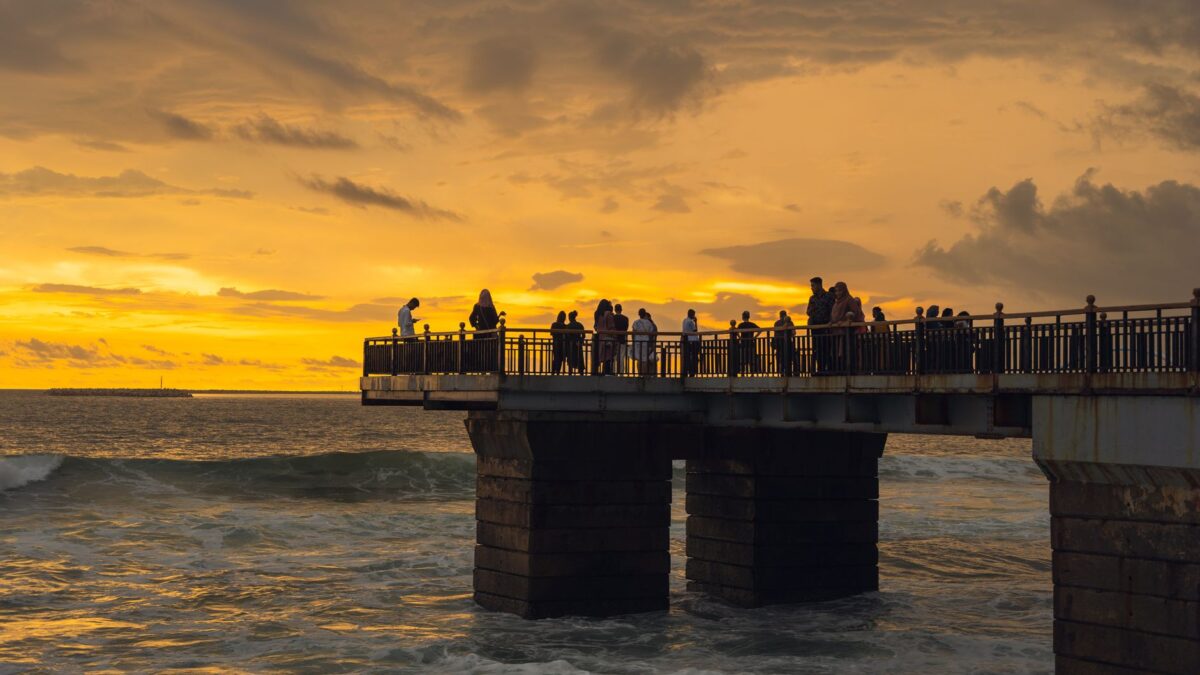
The humidity hits you first in Colombo—a thick, warm embrace that smells of salt spray from the Indian Ocean and frying spices. It is late September, and the city is caught in that restless transitional breath between monsoons. The sky is a bruised purple, heavy with rain that has just washed the dust off the colonial facades, leaving the streets of Fort gleaming under the streetlights. You are standing near Galle Face Green, watching kite-flyers dance against the twilight, while the scent of isso wade (prawn fritters) drifts from the evening stalls. This is not the postcard Sri Lanka you see on Instagram; it is raw, loud, and incredibly alive. If you have never been, or if your last visit was years ago, here is what you need to know to navigate this island gem without losing your way—or your wallet.
When to Visit and How Long to Stay
Sri Lanka’s weather is a puzzle of two different monsoon seasons affecting opposite coasts. Late September, as we are now, is the tail end of the Esala perahera season and the start of the inter-monsoon period. Expect high humidity, sudden heavy showers—roughly 27mm of rain can fall in a single day—and unsettled skies. Visitor numbers dip slightly during these transitional months, which means fewer crowds but more unpredictable weather. For the best balance of dry weather on both coasts, aim for January through March for the west and south, or July and August for the east coast.
As for duration, a minimum of ten days allows you to scratch the surface: Colombo for arrival/departure, a few days in the cultural triangle (Kandy/Polonnaruwa), and some beach time in the south. Two weeks is the sweet spot. It gives you room to breathe, to take the slow train along the coastal line, and to actually sit with the chaos rather than just running from it. If you are arriving for specific events like the AI Week hackathon or the fashion-forward scenes at City of Dreams, plan for an extra few days to soak in the city’s modern pulse before heading inland.
Getting Around: Buses, Trains, and Tuk-Tuks
Transport in Sri Lanka is an adventure in itself. The national rail network is scenic and cheap, particularly the coastal line from Fort Station down to Mount Lavinia, where you watch the ocean roll by from your window. However, for getting around Colombo and beyond, you will rely heavily on apps. Street-flagged tuk-tuks can be pricey for tourists; instead, download PickMe or Uber. These app-based services are safer, transparent about pricing, and widely used by locals too. A short ride might cost around ₨125 for the flagfall, plus roughly ₨115 per kilometer, so a quick hop across town won’t break the bank.
If you want to feel like a local, try the buses. They are air-conditioned and clean on main routes, costing as little as ₨56 for a single fare. The government has rolled out the ‘PassRe’ contactless tap card system, making it easier to pay without fumbling for small change. Just remember: buses run on cash or the new tap cards, and they stop relatively early in the evening. For longer distances between cities, book private vans or trains in advance, especially during peak tourist seasons when seats vanish quickly.
Money Matters: Currency, Costs, and Banking
You will need Sri Lankan Rupees (LKR). While credit cards are accepted in hotels and upscale restaurants in areas like Cinnamon Gardens or Kollupitiya, cash is king in Pettah, at local eateries, and for smaller purchases. The exchange rate fluctuates, but historically hovering around 327.5 LKR to one US dollar gives you a strong purchasing power for food and transport. Inflation has cooled recently, but prices in Colombo are creeping up, particularly in real estate and dining.
Eating out can be remarkably affordable if you know where to look. A plate of kottu roti—a chopped flatbread stir-fry with egg or meat—at a local shop runs about ₨500 to ₨900. An egg hopper (appa), a crispy bowl-shaped pancake, costs roughly ₨150 to ₨350. If you head to Galle Face Green for dinner, you can enjoy a meal of snacks like isso wade and hoppers for around ₨800 to ₨1,500. Conversely, a mid-range restaurant dinner for two might set you back around ₨8,463. Rent is another story; a modest one-bedroom flat in the city centre can cost upwards of ₨182,500 a month, which is steep compared to salaries outside the expat bubble. Always carry small notes for tips, parking, and restroom fees, which are common even in public spaces.
Neighborhoods: Where to Base Yourself
Colombo is not a monolith; it is a collection of distinct districts, each with its own personality. If you want history and commerce, stay in Fort (Colombo 1). Here, you are steps away from the Dutch Hospital precinct, where 17th-century warehouses now house trendy cafes and shops, and the Old Parliament building overlooking the sea. For the chaotic, sensory overload of wholesale trade, wander into Pettah (Colombo 11). Look for the candy-striped Jami Ul-Alfar Mosque, known locally as the Red Mosque, and lose yourself in Sea Street, where gold jewelry glitters in every window.
For a quieter, leafy vibe, choose Cinnamon Gardens (Colombo 7). This diplomatic quarter hosts the National Museum and Viharamahadevi Park, offering green respite from the heat. If you love nightlife and seaside views, Kollupitiya (Colombo 3) puts you right next to Marine Drive and the Gangaramaya Temple, whose eclectic architecture floats eerily on Beira Lake via the Seema Malaka shrine. Each area offers a different lens on Sri Lankan life, so consider splitting your stay if your schedule allows.
First-Timer Essentials: Visas, Safety, and Etiquette
Before you pack, sort your entry requirements. Most tourists enter on an Electronic Travel Authorization (ETA) via eta.gov.lk. While fees vary by nationality and policy changes occur frequently—recent suspensions and exemptions for certain Asian nations have been announced—check the official site close to your departure date. Standard ETAs are typically valid for 30 days. If you plan to stay longer, you must convert your visa to a Residence Visa at the Department of Immigration & Emigration in Battaramulla, bringing proof of employment or sponsorship.
Safety in Colombo is generally good, especially in well-lit, populated areas. However, petty theft exists. Keep a firm hand on your bag in crowded markets like Pettah. Beware of the classic scam where a friendly stranger insists a temple is closed and directs you to their friend’s gem shop; politely decline and keep moving. Dress modestly when visiting temples—shoulders and knees should be covered. And don’t forget your SIM card; passport-based biometric registration is mandatory, and Dialog Axiata offers the best coverage across the island, with tourist counters open 24/7 at the airport arrivals hall.
Finally, embrace the slowness. Sri Lankans value relationships over speed. Whether you are bargaining in Pettah or waiting for a bus, patience is your best currency. The island rewards those who linger, who taste the coconut milk in their rice curry, and who listen to the baila music drifting from Galle Face Green as the sun sets. Welcome to Sri Lanka—it will surprise you, challenge you, and likely steal your heart.
Frequently asked questions
How much does it cost to eat in Colombo?
Local meals are very affordable. A plate of kottu roti costs around ₨500–900, and an egg hopper is about ₨150–350. A full meal at Galle Face Green street stalls might total ₨800–1,500, while a mid-range restaurant dinner for two is roughly ₨8,463.
Do I need a visa for Sri Lanka?
Most tourists need an ETA (Electronic Travel Authorization) applied for online before travel. Fees vary by nationality, and policies such as fee-free entries for certain countries may apply. Check eta.gov.lk for current rules, as regulations can change rapidly.
What is the best way to get around Colombo?
Use app-based ride-hailing services like PickMe or Uber for safe, transparent tuk-tuk fares. Public buses are cheap (around ₨56) and use the new PassRe tap card system, while the coastal train is a scenic option for shorter hops.
Is Colombo safe for tourists?
Yes, Colombo is broadly safe in well-lit areas. Exercise standard caution in crowded markets like Pettah to avoid pickpocketing. Avoid unsolicited tours to gem shops, as this is a common tourist trap.
Which neighborhoods are best for first-time visitors?
Fort offers historic charm and dining; Pettah provides chaotic market energy; Cinnamon Gardens is quiet and leafy with museums; and Kollupitiya offers seaside views and nightlife near Galle Face Green.
Things to do in Sri Lanka
 Private City Day Tour in Anuradhapura
 Private Car & Driver for 07 Days Tour In Sri Lanka
 Chauffeur guide and Tour organizer
 Highly recommended multi day tour in Sri Lanka
 Udawalawe National Park Half Day Jeep Safari (Private Tour)
 Private Traditional Sri Lankan Cooking Class in Kandy with Hotel Transfers