

A first-timer’s guide to Netherlands
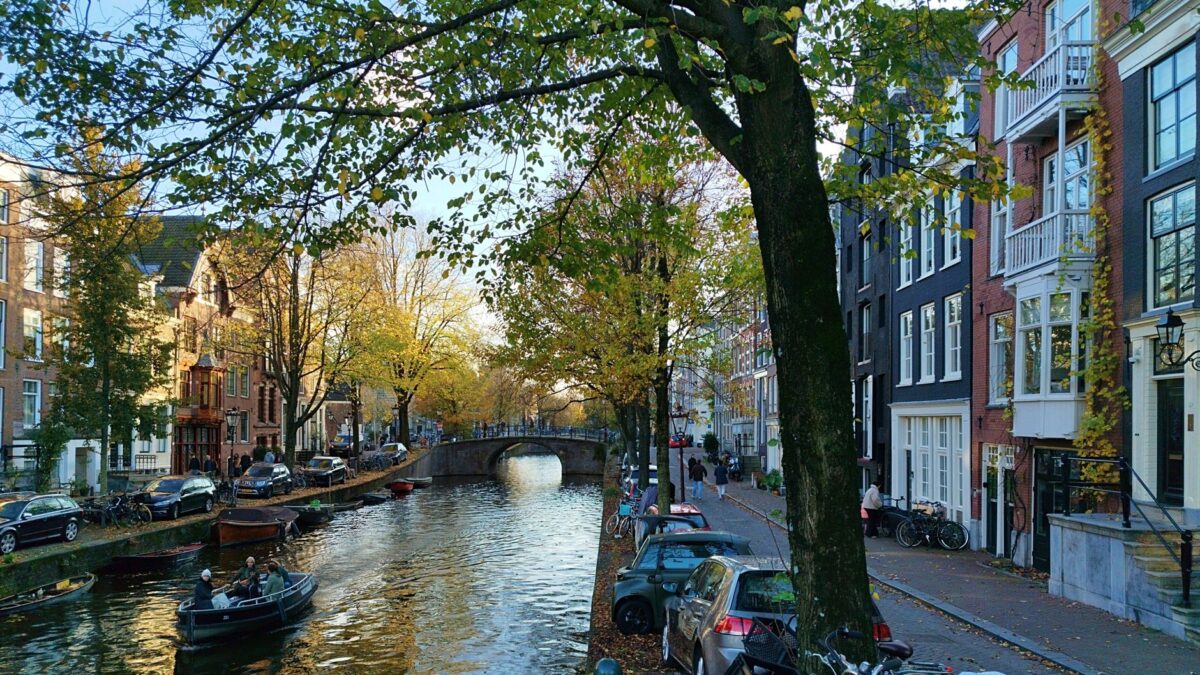
It is late September, and the light in Amsterdam has that specific, golden slant that only happens when summer finally lets go. The air is crisp, hovering around 15–21°C, with a gentle drizzle keeping the cobblestones of the Jordaan glistening. You are standing near the Herengracht, watching the last terrace crowds dissipate as the kruidnoten (spiced nuts) appear on supermarket shelves, signaling the shift to early autumn. This is not the chaotic peak of July; it is the season where the city breathes again. If you are planning your first trip to the Netherlands, this is the sweet spot—cool enough for long walks, warm enough for a beer outside, and real enough to feel like home.
When to Visit and How Long to Stay
The Netherlands changes dramatically with the seasons, but for a first-timer, late spring through early autumn offers the best balance. However, do not let the weather fool you. It can be unpredictable. As I write this, we are seeing light drizzle and mild temperatures, which is typical. Pack layers. A waterproof jacket is more valuable than any souvenir shop trinket.
For duration, aim for at least five days if you want to see Amsterdam without rushing, plus an extra two or three if you want to venture out to places like Zaanse Schans or Keukenhof (in spring). The city is dense, and trying to cram everything into three days leads to burnout. Give yourself time to get lost in the Grachtengordel, the UNESCO-listed Canal Ring, where the concentric waterways and gabled merchant houses were built on millions of wooden piles driven into marshy ground centuries ago.
Getting Around: Trams, Ferries, and Walking
Forget driving. The traffic is congested, parking is a nightmare, and the roads are designed for cyclists who have absolute right-of-way. Instead, embrace public transport. The system is run by GVB for city travel and NS for national trains. The easiest way to pay now is OVpay: simply tap your contactless debit card, phone, or smartwatch when boarding and again when leaving. Do this every time, using the same device. The system caps daily GVB city travel at about €10.50, making it very affordable for tourists.
Walking is essential. Most postcard sights lie within walking distance in the center. Take the free GVB ferries across the IJ river to reach Amsterdam-Noord. These run around the clock and offer stunning skyline views. In Noord, you will find the creative waterfront, NDSM Wharf’s street art, and the EYE Filmmuseum. It is a cheaper, cooler part of town with vibrant energy. If you prefer to stay central, stick to the tram lines that crisscross the nine main streets (De Negen Straatjes) between Singel, Herengracht, Keizersgracht, and Prinsengracht.
Money, Costs, and Daily Essentials
The Netherlands uses the euro (EUR). While rent here is among the highest in Western Europe—with a modest one-bedroom flat costing around €1,600–2,200 per month—day-to-day costs for visitors are manageable. You should budget carefully, though. Amsterdam is pricey compared to much of the rest of the country.
- Food: A meal at an inexpensive local place, like an eetcafé, runs about €12–18. For dinner at a mid-range restaurant, expect €25–40 per person. Groceries are reasonable; a liter of milk is roughly €1.00–1.40, and a loaf of bread is €1.40–2.20. Street food at markets like Albert Cuyp Market keeps costs down significantly.
- Drinks: A cup of specialty coffee will cost you €3.50–5.50. A pint of local beer in a traditional brown café is typically €4.50–6.50. Tipping is not mandatory but rounding up is appreciated.
- Museums: Entry to major institutions like the Rijksmuseum or Van Gogh Museum is around €22.50. Book these weeks in advance online; they sell out instantly.
Cash is rarely needed. The Dutch live by iDEAL for online payments and Tikkie for splitting bills with friends. Cards are accepted almost everywhere, even in small bakeries. Just ensure your card works internationally.
Neighborhoods Worth Exploring
Amsterdam is a collection of distinct villages. Avoid staying solely in the tourist trap zones if you want character. Consider these areas:
Jordaan: Formerly working-class, now one of the most desirable neighborhoods. It features narrow lanes, hidden hofjes (almshouse courtyards), and the Noordermarkt market on Saturdays. It is picturesque, quiet, and full of galleries.
De Pijp: Multicultural, lively, and anchored by the Albert Cuyp Market. This is where you go for brunch, cocktails, and the Heineken Experience. It is dense, energetic, and feels authentically urban.
Oud-West / De Baarsjes: Home to the Foodhallen inside a converted tram depot and the Ten Katemarkt. It offers good value restaurants and easy tram links to the center.
Oud-Zuid / Museum Quarter: Elegant and leafy, surrounding Vondelpark. Here you find the Rijksmuseum, Van Gogh Museum, and Concertgebouw. It is upscale, safe, and perfect for a leisurely stroll along P.C. Hooftstraat.
Practical Tips: What First-Timers Wish They Knew
There are cultural nuances that catch visitors off guard. First, bicycles rule the road. Cyclists can ride on sidewalks in some areas, and they always have priority. When crossing streets, watch for bikes coming from unexpected angles. Pedestrians must yield.
Second, respect the locals. Amsterdam is increasingly tourism-sceptical. The council has tightened short-term rental rules and banned new budget hotels in certain zones. “Stay away” campaigns target rowdy behavior. Be quiet in residential canals, do not litter, and treat the city as a living space, not just a playground. This attitude extends to the nightlife; the Red Light District is a regulated area, not a party zone for disrespectful tourists.
Third, book ahead. The Anne Frank House tickets are sold online only and vanish quickly. Similarly, the Rijksmuseum and Van Gogh Museum require timed entry slots. Walk-up tickets are rarely available. If you miss out, consider visiting satellite sites or exploring lesser-known museums like Foam, which recently reopened after sustainability renovations, or the Amsterdam Museum’s temporary locations.
Finally, safety. Amsterdam is generally safe, but pickpocketing is common around Centraal Station, Dam Square, Leidseplein, and busy trams. Keep your wallet in front pockets and phones secured. Emergency number is 112. Enjoy the beauty, the history, and the steady rhythm of this remarkable city. It rewards patience and curiosity.
Frequently asked questions
How much does a day of public transport cost in Amsterdam?
Using OVpay with a contactless bank card, daily travel on GVB trams, buses, and metros is capped at approximately €10.50. This includes all transfers within the hour-based validity window.
Do I need a visa to visit the Netherlands as a tourist?
Visitors from the US, UK, Canada, and Australia can enter visa-free for up to 90 days within any 180-day period under Schengen rules. Check if ETIAS pre-travel authorization is required before booking.
What is the best way to pay for things in Amsterdam?
Contactless cards are universally accepted. Digital payments like iDEAL dominate online, while Tikkle is used for splitting bills. Cash is rarely necessary, though having some euros helps for small vendors.
Are there any museum closures I should know about?
The Amsterdam Museum's main Kalverstraat building is closed for renovation. Check current status for Foam Photography Museum, which is undergoing sustainability works until October 2026, potentially affecting visitor routes.
Is it safe to walk around Amsterdam at night?
Yes, generally safe, but exercise caution against pickpocketing in high-traffic areas like Centraal Station, Dam Square, and the Red Light District. Watch out for cyclists, who have right-of-way even at night.
Things to do in Netherlands
 Amsterdam Free tour World War II and Anne Frank
 Amsterdam Highlights and Hidden Gems Walking Tour with Fun Guide
 Explore Amsterdam in 75 Minutes – Pedicab Rickshaw City tour
 Private All-Inclusive Cruise with Captain
 Amsterdam: Private Tour to Keukenhof and Flower-Farm with Ticket
 The Ultimate Craft Beer Adventure in Amsterdam!