

Ireland etiquette: the dos and don’ts
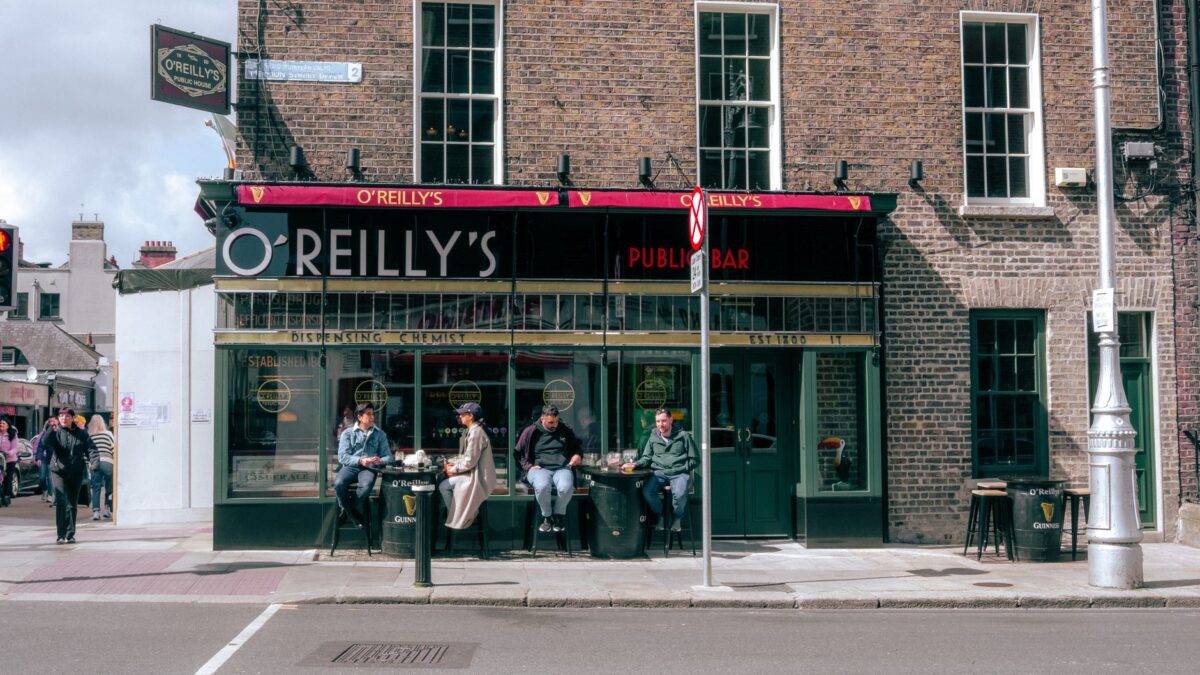
The rain in Dublin doesn’t fall; it hangs. It’s a fine, persistent mist that clings to your wool coat and makes the cobblestones of Temple Bar glisten under the amber glow of pub lights. If you’ve ever stood outside The Cobblestone in Smithfield, waiting for a trad session to start, you know this weather is part of the charm. But as a visitor, navigating the social rhythms of Ireland requires more than just an umbrella. It demands a bit of local know-how. I’m Saoirse Byrne, and I want to make sure your visit feels less like a tourist transaction and more like a friendly chat at the counter. Here is how to blend in, show respect, and enjoy the real Ireland.
Greetings and the Art of the Conversation
Irish hospitality is legendary, but it is not automatic. You don’t get a warm welcome just because you are foreign; you earn it by being polite and present. When you enter a pub, look around. There is often a queue for the bar. Do not hover near the bartender while they are serving someone else. Stand back, make eye contact, and wait your turn. This is a small courtesy that locals appreciate immensely.
Conversation is key. We love a chat, but keep it light initially. Avoid diving into heavy politics or religion unless invited. Instead, comment on the weather—it’s our universal icebreaker—or ask about the music. If you are in The Liberties, near the Guinness Storehouse, you might strike up a conversation with someone waiting for the Gravity Bar. Just remember: we value humility. Bragging is quickly met with good-natured teasing. Be open, be curious, and above all, be kind.
Dining, Drinking, and Tipping Etiquette
Let’s talk money, because costs have risen sharply. A pint of stout in a typical Dublin pub now averages around €7.25, though if you wander into the tourist-heavy zones of Temple Bar, expect to pay €9.95 or more. Always check the menu or ask before ordering. In restaurants, tipping is not mandatory as it is in the US, but it is appreciated for good service. Leaving 10-15% is standard if you haven’t been charged a service fee. Cash is still king in many smaller spots, though cards are widely accepted.
When dining, table manners are straightforward. Wait for everyone to be served before eating. If you are staying in a modest one-bedroom flat near the centre, which rents for around €2,000–€2,200 monthly, you likely have a kitchen. If you cook, clean up after yourself. The Irish take pride in their homes, especially given the housing crisis. Respect the space. For drinks, never buy the first round without offering to buy the next. This “round system” is sacred in pub culture. If you leave without buying your round, you will hear about it.
A Note on Transit and Navigation
Navigating Dublin is easier if you use the TFI Leap Card. A single adult fare on buses, Luas trams, or the DART within Zone 1 is roughly €2.00. Visitors should buy a Leap Visitor Card: €8 for 24 hours, €18 for 72 hours, or €24 for seven days. Tap on for buses, but tap on AND off for Luas and DART to ensure correct pricing. The daily cap is €6.00, making it very affordable for getting around to places like Kilmainham Gaol or Phoenix Park.
Dress Code and Practical Preparedness
Dubliners dress practically. You will see fewer suits and more layers. The weather shifts from 12°C to 18°C quickly, even in summer. Pack waterproof footwear and a decent jacket. Jeans and a nice top are sufficient for most pubs and casual dinners. For upscale venues like Tang on Dawson Street, smart casual is expected—no trainers or ripped jeans. If you are visiting the National Museum of Ireland on Kildare Street, comfortable walking shoes are essential, as the collections are extensive.
Safety is generally high, but stay alert in crowds. Pickpocketing occurs around Grafton Street and Temple Bar at night. Keep your phone secured. Use licensed taxis or the Free Now app rather than hailing random cabs. The emergency number is 112 or 999. If you are staying longer than 90 days, non-EU/EEA residents must register with Immigration Service Delivery at Burgh Quay, paying a €300 fee for an Irish Residence Permit card. Have your passport ready for at least six months beyond your stay.
Respecting History and Local Sensitivities
Ireland’s history is alive here. From the 1916 Easter Rising proclaimed at the GPO on O’Connell Street to the independence gained in 1922, these events shape modern identity. Visit Kilmainham Gaol to understand the struggle for freedom. Approach these sites with reverence. Take photos only where permitted, and speak quietly. The same applies to churches like Christ Church Cathedral or St Patrick’s Cathedral. Dress modestly when entering religious sites.
Don’t treat Ireland as a monolith. Dublin is distinct from Cork, Galway, or Belfast. Each has its own dialect, humour, and pace. If you are heading to the coast via the DART to Howth, enjoy the seals and seabirds, but respect the wildlife. Stay on paths and do not feed animals. Similarly, in Phoenix Park, admire the wild fallow deer from a distance. They are protected and can be unpredictable.
Where to Go Next
After exploring the city centre, venture to Portobello, known as ‘Little Jerusalem.’ It offers canal-side calm and indie cafés like Lemon Jelly Cafe, a stark contrast to the busy Temple Bar area. For art lovers, The Little Museum of Dublin provides intimate insights into the city’s past. And if you need a break from sightseeing, grab a coffee at Brew Lab Specialty Coffee or Shoe Lane Coffee. These spots reflect Dublin’s growing café culture, moving beyond traditional tea rooms to modern, artisanal experiences.
Finally, embrace the digital ease. Open a digital account with Revolut for day-to-day spending while sorting out banking paperwork with AIB or Bank of Ireland. Get a prepaid SIM from Three, Vodafone, or eir, noting that ID is now required for activation. These small steps smooth your journey, letting you focus on what matters: connecting with people, tasting the food, and feeling the pulse of a city that is both ancient and fiercely modern.
Frequently asked questions
How much does a pint of Guinness cost in Dublin?
A pint of stout averages around €7.25 in typical pubs, but prices rise significantly in tourist areas like Temple Bar, where you may pay €9.95 or more.
Do I need a visa to visit Ireland from the US?
US citizens are visa-free for stays up to 90 days. EU/EEA/UK citizens also need no visa. Other nationals may require a short-stay 'C' visa applied for online via AVATS.
What is the best way to pay for public transport in Dublin?
Buy a TFI Leap Visitor Card (€8 for 24h, €18 for 72h, or €24 for 7 days). Tap on for buses and tap on/off for Luas/DART to benefit from daily caps.
Is tipping expected in Irish restaurants?
Tipping is not mandatory but appreciated for good service. Leaving 10-15% is standard if no service charge is added. Cash is preferred in smaller venues.
Where can I find authentic traditional music in Dublin?
Visit The Cobblestone in Smithfield or O'Donoghue's on Merrion Row for nightly trad sessions away from the main tourist traps of Temple Bar.
Things to do in Ireland
 Likely to sell out
Dunmore East Sea Safari to Hook Lighthouse
Likely to sell out
Dunmore East Sea Safari to Hook Lighthouse
 Dublin LGBTQ Pride Historical and Cultural Walking Tour
 Likely to sell out
Authentic Dublin private car tour Top Ranked Dubliner guide Éamon
Likely to sell out
Authentic Dublin private car tour Top Ranked Dubliner guide Éamon
 Private Tour of Ring of Kerry & Valentia Island
 Private Driver Guide Chauffeur Tours of Ireland
 Boat Tour of Kinsale Harbour and Bandon River